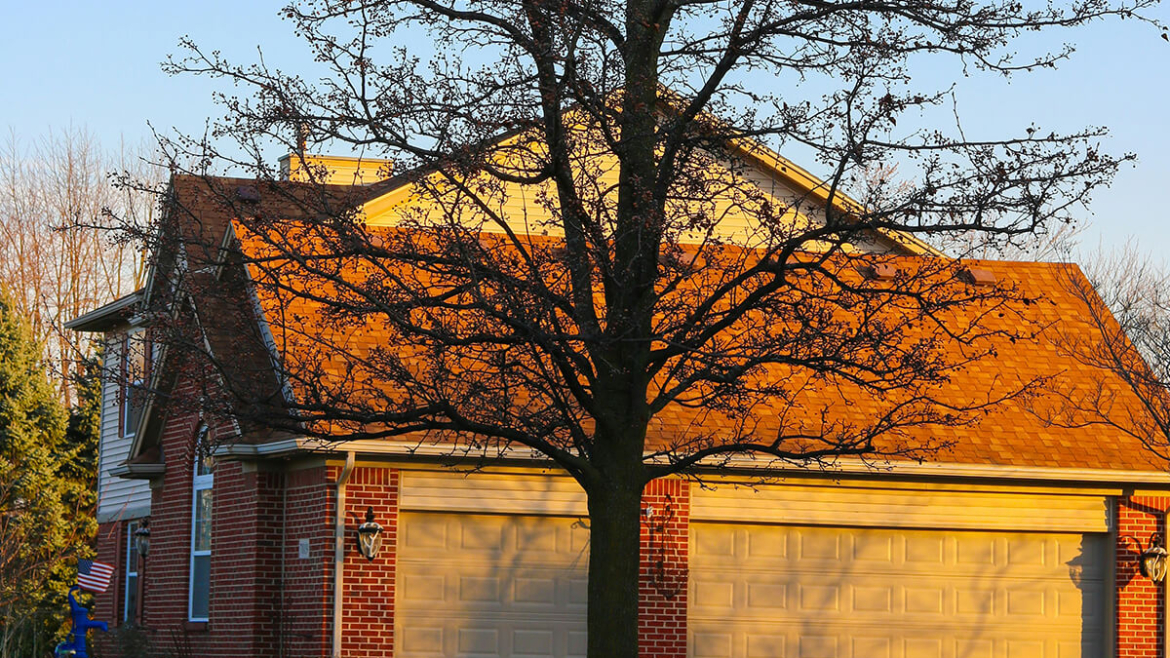
Part of a homeowner’s life involves a constant struggle against the elements. From spring to winter, the cost of maintaining a comfortable indoor climate can be staggering. While many homeowners look toward mechanical solutions (like high-efficiency heat pumps or advanced insulation) one of the most effective and economically sound technologies is entirely biological. The strategic placement of shade trees can offer far more than an aesthetic addition to the landscape; it’s also a simple, natural form of climate control that offers a substantial return on investment through reduced energy consumption.
To fully understand the value of a tree demands an in-depth understanding of how it fits into your home, and not merely the tree’s curb appeal. By viewing a tree as a functional piece of infrastructure, you can give yourself a better appreciation of how nature manages thermal energy. This analysis explores the many ways shade trees can help you keep your energy bills low.
1. The Physics of Solar Radiation Blockage
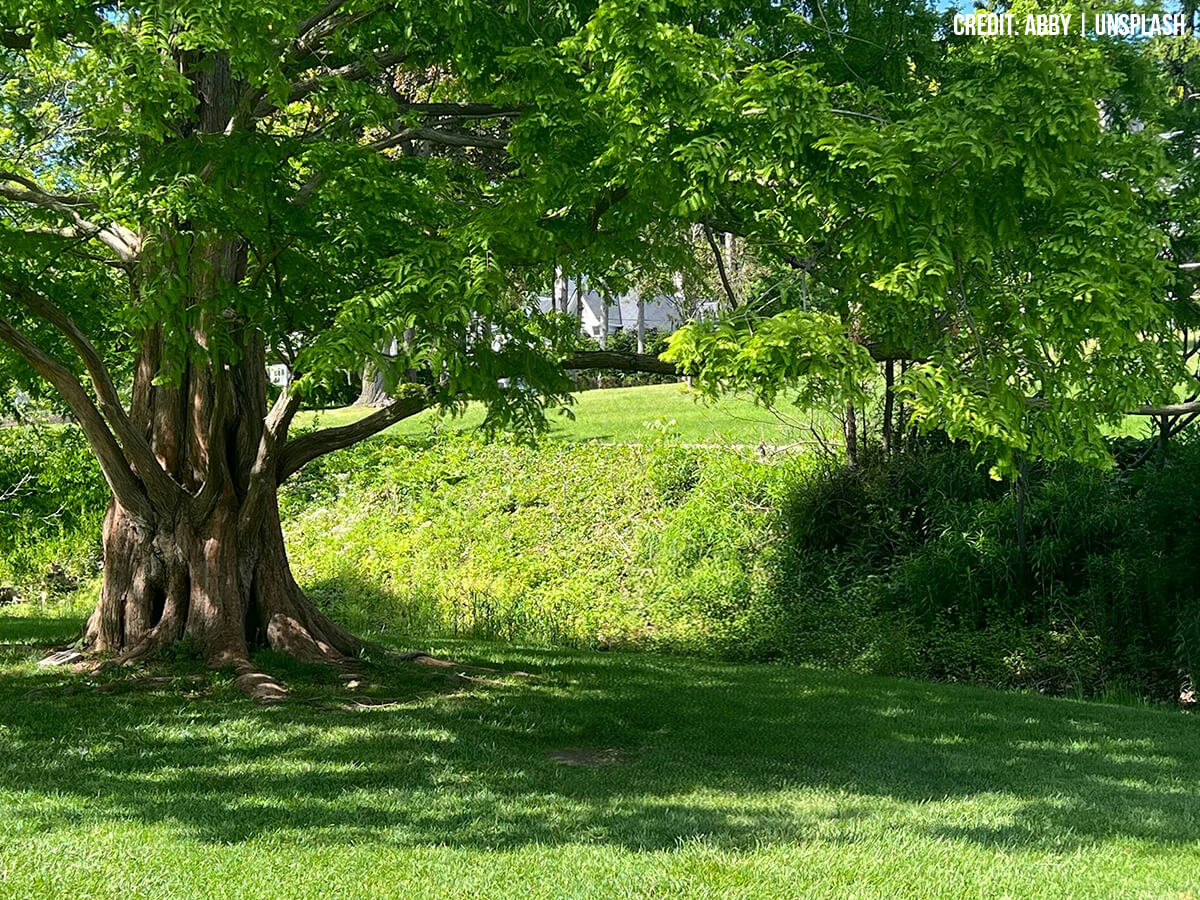
The primary mechanism by which trees reduce energy costs is through the direct interception of solar radiation. During the hottest months of summer, the sun beats down on roofs, south-facing walls, and windows, which can transfer immense amounts of thermal energy into the home. The shade of a properly-placed shade tree does plenty to keep your home cool, but it also prevents the sun’s rays from ever reaching the building’s envelope. This is significantly more effective than indoor blinds or tinted glass, as the heat is stopped before it penetrates the structure. By keeping the exterior surfaces cool, the air conditioning system does not have to work nearly as hard to counteract the radiant heat gain, leading to a noticeable drop in monthly electricity expenditures.
2. The Cooling Power of Evapotranspiration
Trees do more than just block light; they also act as natural evaporative coolers. Through a process known as evapotranspiration, trees draw water from the soil and release it into the atmosphere through tiny pores in their leaves called stomata. As this water evaporates, it consumes heat energy from the surrounding air, effectively lowering the ambient temperature in the immediate vicinity of the tree. This creates a microclimate of cool air around the home. When a breeze carries this naturally refrigerated air toward the house, it reduces the cooling load on the home’s mechanical systems. In essence, the tree is performing a portion of the air conditioner’s job for free, utilizing nothing but groundwater and sunlight.
3. Mitigating the Urban Heat Island Effect
Even in many suburban neighbourhoods, the prevalence of asphalt driveways, dark roofing shingles, and concrete sidewalks contributes to a localized rise in temperature. These hardscapes absorb heat during the day and radiate it back into the environment long after the sun has set. Strategic tree planting breaks up these heat-absorbing surfaces. By shading a driveway or a patio, a tree prevents these materials from becoming thermal batteries. This reduction in the surrounding temperature means that even during the night, the home stays cooler, allowing homeowners to turn off their cooling systems earlier in the evening and rely on natural ventilation.
4. Windbreak Functionality and Winter Savings
While it might seem that a shade tree becomes most beneficial during the summer, the economic advantages also extend to the rest of the year, particularly winter. In many regions, the prevailing winds can strip heat from a home through a process called infiltration. Cold air is pushed through microscopic gaps in doors and windows, while warm air is sucked out. Well-placed trees, particularly certain species, act as a windbreak, slowing the velocity of the wind before it hits the house. By reducing the wind chill on the exterior walls, the furnace or boiler doesn’t need to cycle as frequently to maintain the desired indoor temperature. This secondary function ensures that the tree remains a year-round financial asset.
5. Enhancing Air Conditioner Efficiency
Many homeowners overlook the placement of their exterior air conditioning condenser unit. If this unit is sitting in the direct sun, it must work harder to dissipate the heat it has pulled from inside the home. By providing dappled shade to the cooling unit itself (and without obstructing the necessary airflow) a tree allows the machine to operate at a higher level of efficiency. When the ambient air surrounding the condenser is cooler, the heat exchange process is more effective. This translates directly into lower peak-demand electricity costs during the hottest hours of the afternoon.
6. Humidity Regulation and Comfort
High humidity often makes a home feel warmer than the actual temperature suggests, leading residents to lower the thermostat even further. While trees do release moisture, the canopy of a large tree also helps to regulate the local environment by providing a more consistent temperature profile. By maintaining a cooler baseline temperature through shade, the interior of the home avoids the greenhouse effect that occurs when sunlight hits indoor surfaces. This allows for a higher set point on the thermostat while maintaining the same level of perceived comfort, which is one of the most direct ways to shave dollars off a utility bill.
7. Natural Snow Management
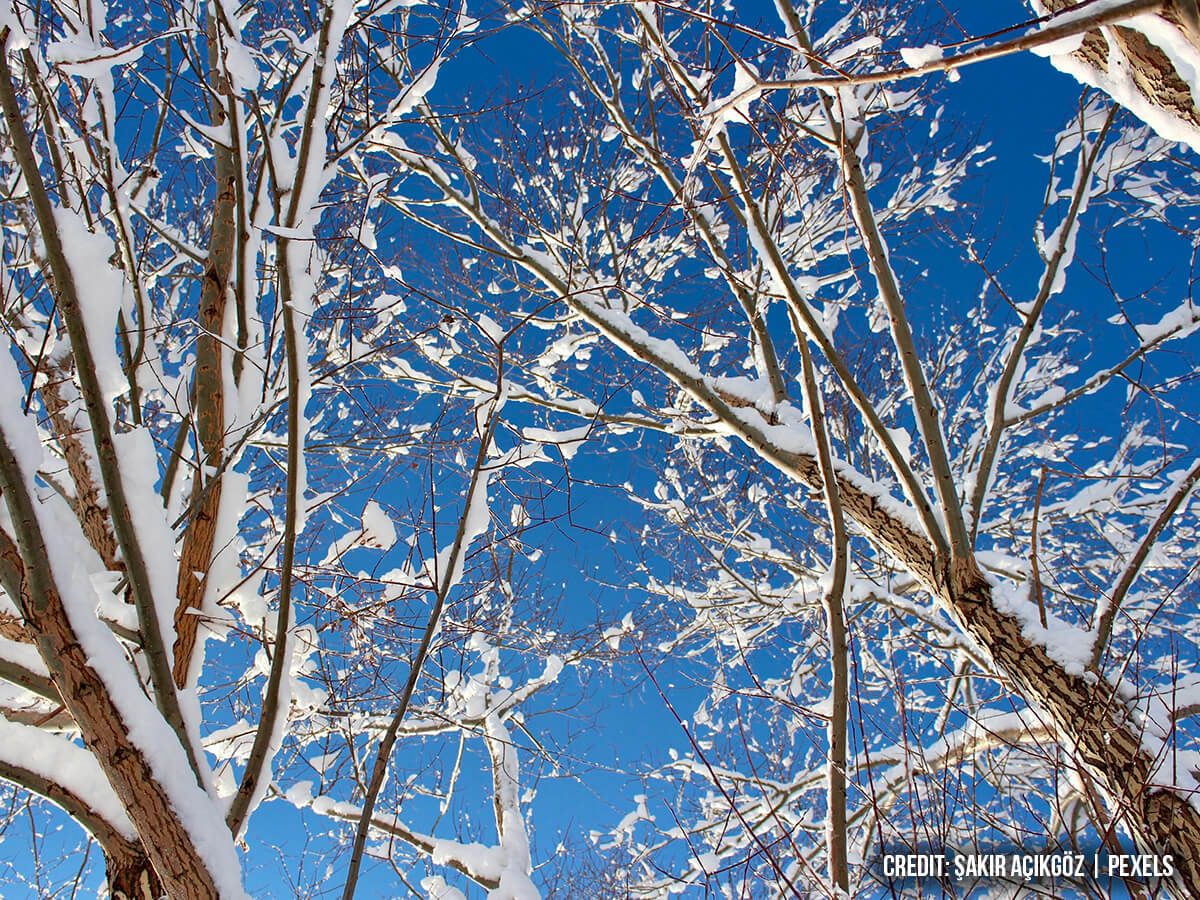
In the context of winter, the architecture of certain trees can influence how snow accumulates around a property. While not a direct energy cost in terms of heating, the placement of trees can prevent heavy snow drifts from piling up against the foundation or blocking south-facing windows that provide beneficial solar gain in the winter. By managing the local airflow, trees can help ensure that the sun is able to reach the home when its warmth is actually desired, further offsetting the need for mechanical heating during clear winter days.
8. Long-Term Asset Appreciation
Finally, the economics of cool must consider the long-term value of the property. A mature, well-maintained landscape featuring strategic shade trees is a significant capital improvement. Unlike a mechanical cooling system that begins to depreciate the moment it is installed and will eventually require replacement, a tree grows more effective and more valuable every year. It is a rare example of a home improvement that pays for itself through monthly savings while simultaneously increasing the total market value of the land.
There’s no denying trees are great for your home, but they don’t just make your home more beautiful or add to your curb appeal. Planting shade trees provides cool, comfortable shade that also makes your home a more energy-efficient one. By selecting the right species and placing them with an understanding of the sun’s path and prevailing wind directions, homeowners can create a living barrier against energy waste. The result is a home that is not only more beautiful but significantly more affordable to operate.
Looking for some shade trees to make the house more comfortable and slash energy costs? Caledon Treeland offers a wide range of shade trees across the GTA to improve your home’s quality of life. Invest in a cooler home and a more beautiful property today. Call us now at (905) 880-1828 and make your home cooler and more comfortable.