
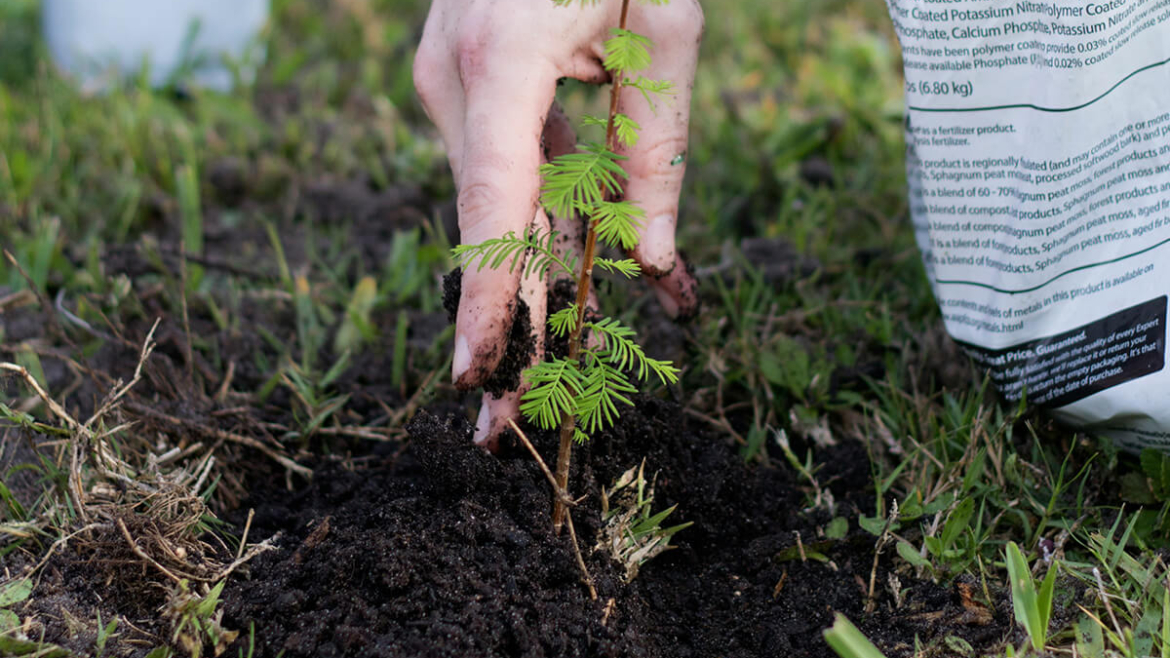
Planting a tree is a boon to any home; after all, it adds some colour and personality, boosting your curb appeal. But more than looking nice, it also provides benefits for your quality of life, in the form of shade and privacy. Those qualities have further benefits for your home, namely in keeping your energy bills low. However, the ability of your tree to provide these benefits depends entirely on one critical decision: the location. Choosing the perfect spot for a shade tree requires a clear understanding of multiple factors that come together to determine your success. In Canada, with its distinct seasons, strategic placement can be make all the difference for a successful, thriving tree.
To ensure your sapling grows to provide that all-important shade and beauty takes looking beyond how the landscape looks. It also requires a consideration of the subterranean environment, the path of the sun, and the eventual dimensions of a mature specimen. By following these essential considerations, you can find the ideal site for your new addition.
1. Evaluate the Mature Dimensions
One of the most frequent errors in landscaping is planting for the tree you see today rather than the tree that will exist in thirty years. A shade tree is, by definition, large. Before you dig, research the specific cultivar to determine its maximum height and canopy spread. If a species is known to reach a spread of 15 metres, then it’s prudent to plant it somewhere with ample space. Overcrowding a tree can lead to poor air circulation, which invites fungal diseases, and necessitates aggressive pruning that can ruin the tree’s natural form. Always ensure the footprint of the mature canopy has ample room to expand without encroaching on structures or other established flora.
2. Monitor Sun Exposure and Path
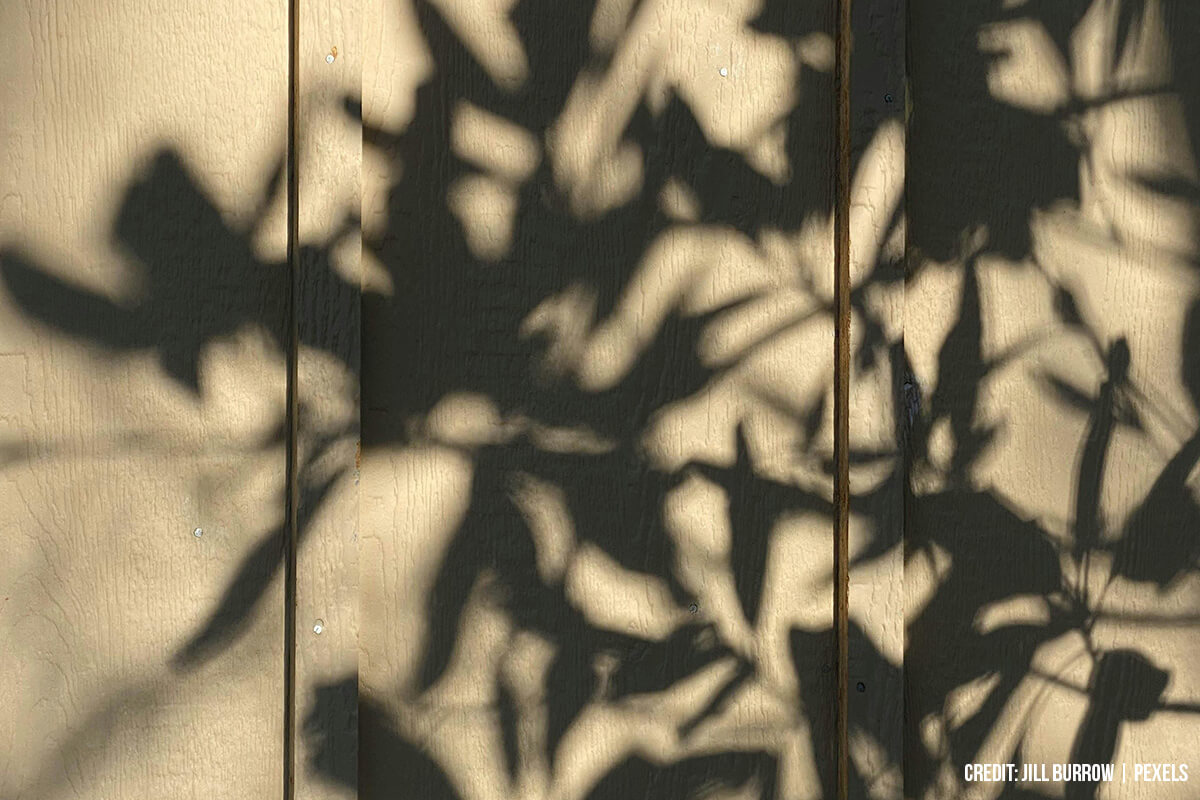
The primary goal of a shade tree is to provide relief from the sun, but the tree itself also needs solar energy to grow. Most deciduous shade trees require full sun (at least six to eight hours of direct light daily) to develop a strong, symmetrical structure. Observe how the sun moves across your property during the peak of summer to determine if a shade tree is likely to get sufficient sun. To maximize energy efficiency, plant on the western or southwestern side of your home. In the afternoon, when the sun is at its most intense, a well-placed tree will cast a long shadow over your roof and windows, naturally lowering indoor temperatures and reducing the load on your cooling systems.
3. Assess Soil Quality and Composition
As above, so below, as the old saying goes. With a tree, it might go the other way. The health of the canopy is a direct reflection of the health of the root system, and so proper tree care also requires an understanding of how to care for the roots. Canadian soils can vary wildly, and those various soils can have implications for your trees. Before planting, investigate the soil at your chosen site. Shade trees require adequate drainage; very few species can survive with wet feet; this is a condition where water pools for days after a heavy rainfall. Conversely, sandy soils may drain too quickly, which can require more frequent irrigation during the establishment phase. Ensuring the soil has the right texture and nutrient profile will provide the foundation for decades of growth.
4. Maintain Safe Clearance from Foundations
While it’s usually the branches that command the most attention for a tree, the root system is often just as wide, if not wider, than the canopy. Planting too close to a house foundation is a recipe for long-term structural issues. Large roots can exert pressure on foundation walls or exacerbate existing cracks as they seek moisture. A general rule of thumb is to plant large shade trees at least six to eight metres away from any permanent structure. This distance protects your home’s footprint and ensures the tree has enough uncompacted soil to anchor itself firmly against the wind.
5. Account for Overhead Utility Lines
It is easy to forget about the sky when you are looking at the ground, but overhead power lines are a major constraint. Many municipalities have strict bylaws regarding planting under utility corridors. If a tree grows into power lines, the utility company will often require it be cut or topped. This not only destroys the aesthetic value of a shade tree but also creates structural weaknesses that can make the tree hazardous. Always look up; if there are wires overhead, choose a smaller ornamental species or move your shade tree further into the yard.
6. Locate Underground Infrastructure
Beneath your lawn lies a complex network of invisible hazards. Sewer lines, water mains, gas pipes, and internet cables are all at risk if a tree is planted directly over them. Tree roots are naturally drawn to the moisture and warmth found near pipes in particular. If a pipe has even a microscopic leak, roots can infiltrate and block the system, leading to incredibly expensive repairs. Before starting to plant, it is essential to determine if there are any sensitive hazards underground before work begins. Marking these lines allows you to position your tree in a safe zone where it can grow without interfering with essential services.
7. Consider Hardscape and Property Boundaries
Trees do not respect property lines or fences. When choosing a spot, consider how the mature trunk and surface roots will affect your driveway, sidewalk, or patio. Species with aggressive surface roots can easily lift paving stones or crack asphalt, creating tripping hazards and requiring constant maintenance. Furthermore, be a mindful neighbour. A tree planted too close to a property line may shade a neighbour’s prized vegetable garden or drop heavy leaf litter into their gutters. Maintaining a respectful setback ensures your tree remains a point of pride for the neighbourhood rather than a source of conflict.
8. Optimize for Wind Protection and Airflow
In many parts of Canada, wind is a significant factor in tree health and home comfort. A strategically placed shade tree can act as a windbreak, but it must be sturdy enough to withstand the pressure. Avoid planting in wind tunnels (these are narrow gaps between buildings where wind speed increases). Instead, look for a spot that allows for natural airflow. Good circulation around the canopy prevents the buildup of moisture on leaves, which reduces the risk of mildew and blight. Additionally, consider how the tree might protect your home from prevailing winter winds, though this is often more effective with coniferous species.
9. Evaluate Microclimates on Your Property
Every yard has microclimates; these are small areas where the temperature, moisture, or wind differs from the rest of the environment. A spot near a brick wall might be significantly warmer due to heat retention, while a low-lying corner might be a frost pocket where cold air tends to settle. Shade trees, particularly those that are slightly more sensitive to late-spring frosts, should be placed in areas with stable temperatures. Understanding these subtle shifts in your backyard environment can help you choose a spot that matches the specific biological needs of your chosen tree species.
10. Prioritize Accessibility for Maintenance
A shade tree is not a set it and forget it feature. For the first few years, it will require regular watering, especially during the summer months; for this, knowing optimal watering methods goes a long way to caring for your tree. Choosing a spot that is within reach of a garden hose is a practical necessity. Furthermore, it’s also prudent to consider future maintenance. Eventually, the tree may need professional pruning or health assessments by an arborist. Ensure the site is accessible for equipment like ladders or small lifts. If a tree is tucked into a completely inaccessible corner, the cost and difficulty of caring for it will increase exponentially as it grows.
11. Plan for Seasonal Debris
Shade trees are almost exclusively deciduous, meaning they will drop their leaves every autumn. While this provides beautiful seasonal colour, it also creates a significant amount of organic matter that you’ll then need to rake up come autumn. Think about where those leaves will land. If you plant a tree directly over a swimming pool, a deck with intricate gaps, or a complex rock garden, you are committing yourself to hours of tedious cleaning every October. Placing the tree over a large lawn area or a mulched garden bed makes leaf management much simpler, as the leaves can often be mulched back into the soil to provide natural fertilizer.
12. Visual Integration with the Landscape
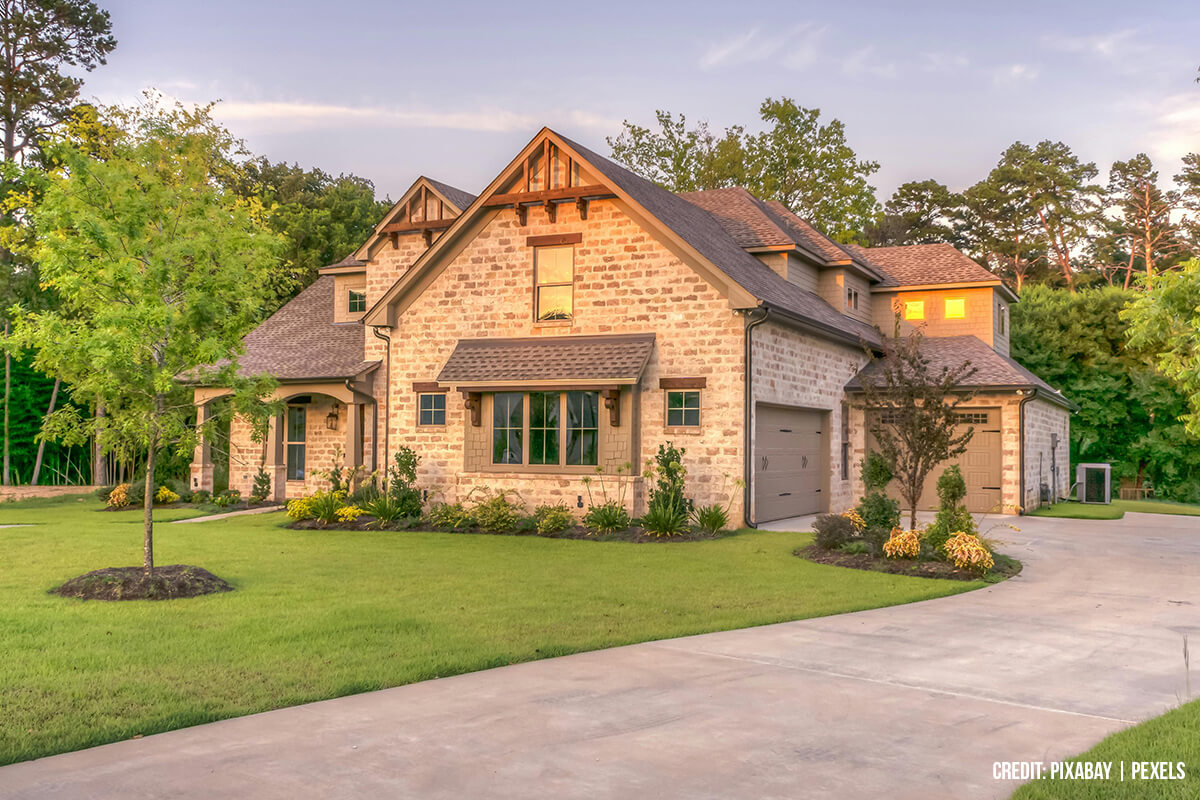
Finally, consider the sightlines of your property. A shade tree should be a focal point that enhances the architecture of your home and the flow of your garden. As such, it’s wise to avoid planting it in a location that completely obscures your front door or blocks a beautiful view from your primary living room window. Instead, use the tree to frame views or create “outdoor rooms.” A perfectly placed tree feels like it has always been there, anchored into the landscape in a way that feels intentional and balanced.
By taking the time to thoroughly vet your planting site before you ever start working, you do more than the bare minimum of planting the tree at its site. You’re ensuring that when you plant a shade tree it has every possible advantage as it grows. A tree in the right place is a source of joy, a sanctuary for local birds, and a cool refuge on a sweltering afternoon. In the end, taking the effort to choose a prime spot is what allows the tree to reach its full, magnificent potential.
When it comes to planting a shade tree at home, it pays to work with a provider you can trust. Caledon Treeland is all too happy to help you select and plant the right shade tree for your property. We carry a wide range of tree species to ensure you can find one that provides shade and comfort, and thrives in your soil while it does. Call us today at (905) 880-1828 to schedule a visit to our tree farm and find that right tree.