

Mulching is one of the most beneficial things you can do for your trees. That fresh layer of dark chips certainly provides a polished look to a landscape, but its primary function is far more critical: protection. For a tree, mulch acts as a protective blanket, a nutrient reservoir, and a thermal regulator all in one. In a climate characterized by dramatic temperature swings and intense seasonal shifts, knowing how to mulch properly makes all the difference between a tree that merely survives and one that truly flourishes.
To ensure your trees receive the maximum benefit from this practice, it’s necessary to understand the mechanics of insulation and hydration. Here are seven essential tips for insulating your tree through effective mulching.
1. Choose the Right Material
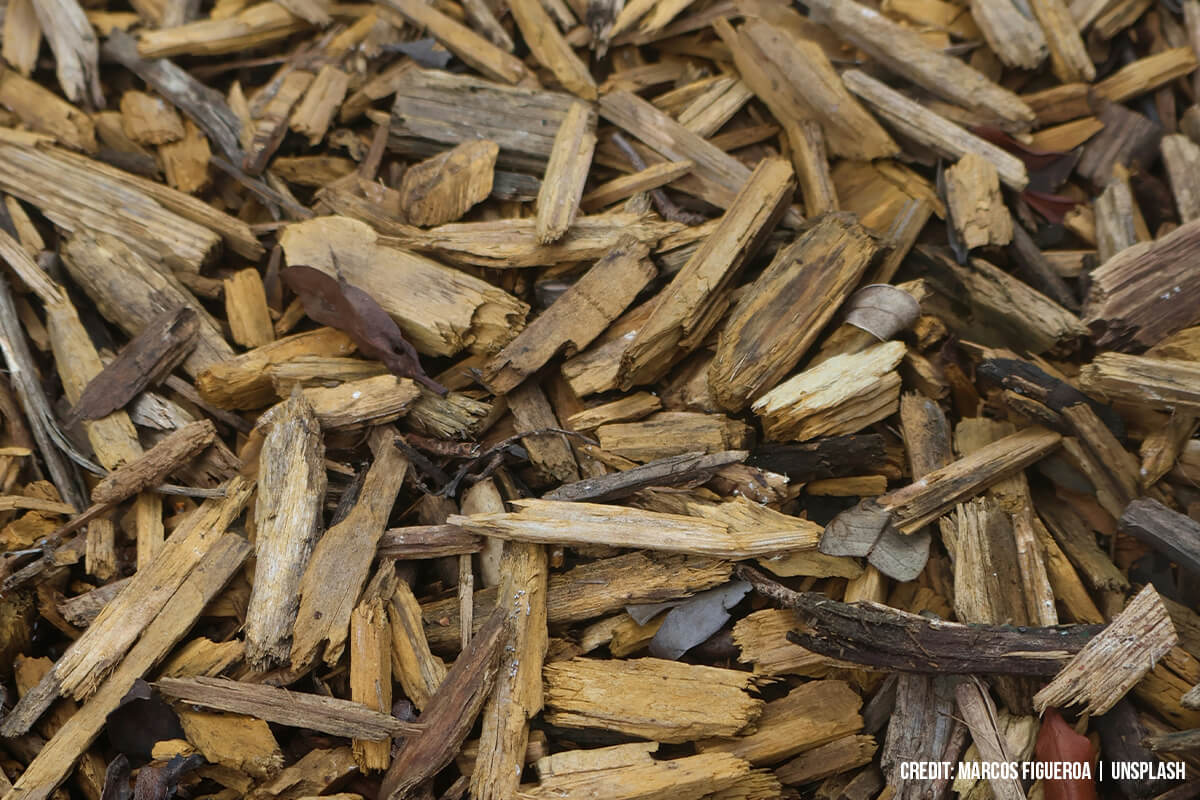
The effectiveness of your insulation begins with the quality of the material. Organic mulches are generally superior for tree health because they decompose over time, and as they do they actively improve the soil structure and add vital nutrients back into the earth. For most Canadian landscapes, shredded cedar or hemlock bark, wood chips, and composted leaves are excellent choices. These materials create a porous layer that allows water and oxygen to reach the roots while providing enough density to suppress weeds and regulate temperature. Avoid using stones or decorative gravel directly around the base of a tree; these materials absorb and retain heat, which can stress the root system during the peak of summer.
2. Prepare the Root Zone
Before applying any mulch, it’s crucial you prepare the area to ensure the best possible contact between the mulch and the soil. Start by removing any grass or weeds within a one-metre radius of the trunk. Grass is a fierce competitor for moisture and nutrients, and if left under the mulch, it will often struggle to grow through, creating a matted layer that prevents water from penetrating the soil. Lightly loosen the top few centimetres of soil if it appears compacted, being careful not to nick any surface roots. This preparation ensures that once the mulch is applied, the “insulation” is sitting on a clean, receptive foundation.
3. Maintain Proper Depth
Consistency is key when it comes to the thickness of your mulch layer. For most trees, a depth of 5 to 10 centimetres is ideal. If the layer is too thin (less than 5 centimetres) it won’t provide adequate insulation against the frost or effectively suppress weed growth. Conversely, if the mulch is piled too thick (in excess of 10 centimetres) it can actually harm the tree by preventing oxygen from reaching the roots and causing the soil to stay waterlogged. A balanced layer within 5 – 10 centimeters provides a stable thermal mass that keeps the root environment cool in the summer and shielded from the deep freeze in the winter.
4. Observe the “Donut” Rule
One of the most common mistakes in landscaping is building a mulch volcano, where mulch is piled high against the trunk of the tree instead of at a safe distance away. This practice is detrimental as it traps moisture against the bark, leading to rot, fungal infections, and providing a haven for bark-boring insects. Instead, proper mulching methods follow the “donut” method: apply your mulch in a wide circle, but pull it back about 10 to 15 centimetres away from the base of the trunk. The flare of the tree, where the trunk meets the roots, should always be visible and exposed to the air. This ensures the bark remains dry and healthy while the roots below remain insulated.
5. Extend the Mulch Ring
The root system of a tree often extends far beyond the reach of its branches. To provide the best insulation, the mulch ring should be as wide as possible. Ideally, the mulch should extend to the drip line; this is the outermost edge of the tree’s canopy. While this isn’t always practical in smaller suburban yards, aim for a diameter of at least two metres for younger trees. A wider mulch bed protects a larger portion of the fine feeder roots, which are responsible for the bulk of the tree’s water and nutrient uptake. By insulating this broader area, you reduce the impact of soil temperature fluctuations across the entire root system.
6. Water Before You Mulch
Mulch is an exceptional insulator, but it is also a barrier. If you apply mulch to bone-dry soil, it can actually make it harder for light rainfall to reach the roots. The best practice is to give your tree a deep, thorough watering before you lay down the mulch; make sure you’ve figured out proper deep watering to ensure you’ve fully hydrated the tree. Once the soil is hydrated, the mulch acts as a seal, significantly reducing the rate of evaporation. In the autumn, this step is particularly vital. Providing a deep soak before the ground freezes ensures the tree has a reservoir of moisture to draw from during the winter months when the ground is frozen and water is inaccessible.
7. Refresh Annually
Tree care very rarely involves set-it-and-forget solutions, and the same applies to mulching. Because organic mulch decomposes, the layer will naturally thin out over the course of a year. Every spring, check the depth of your mulch rings. You don’t always need to add a completely new layer; often, simply raking the existing mulch to break up any crust that has formed typically suffices to improve air and water permeability. If the depth has fallen below 5 centimetres, top it up with fresh material to restore its insulating properties. This annual maintenance ensures the soil remains enriched and the tree stays protected against the unpredictable Canadian elements.
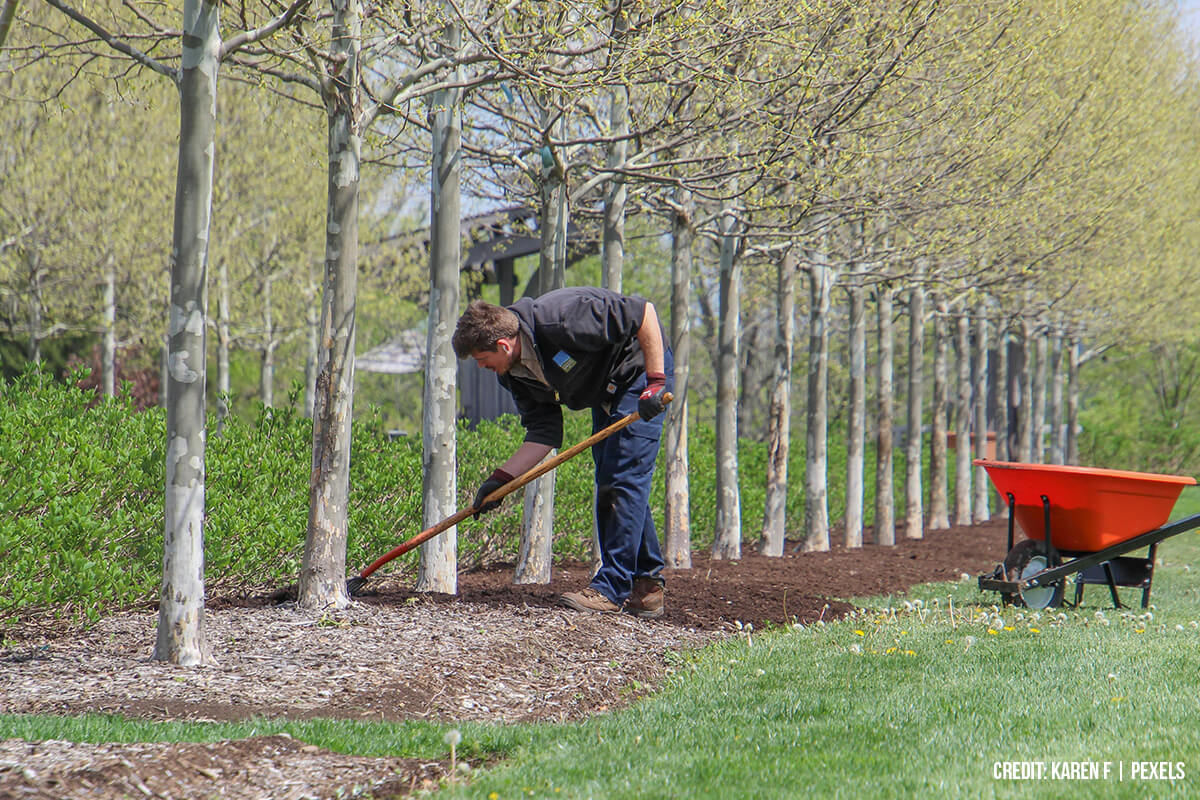
Mulching is a boon for your trees in more ways than one, but to make the most of it requires an understanding of proper mulching techniques to ensure you’re doing the job well. With the help of these insights, you can create a stable, nutrient-rich environment that allows your trees to thrive. Proper mulching is more than tree care, it’s also an investment in the long-term health and resilience of your landscape. It ensures that your trees remain a vibrant part of your property for decades to come.
Looking for shade and privacy trees to make your home more beautiful and comfortable? Then look no further than Caledon Treeland. We provide a wide range of tree species to meet your needs and your soil. Call us today at (905) 880-1828 to visit our tree farm and find the right tree for your home.