
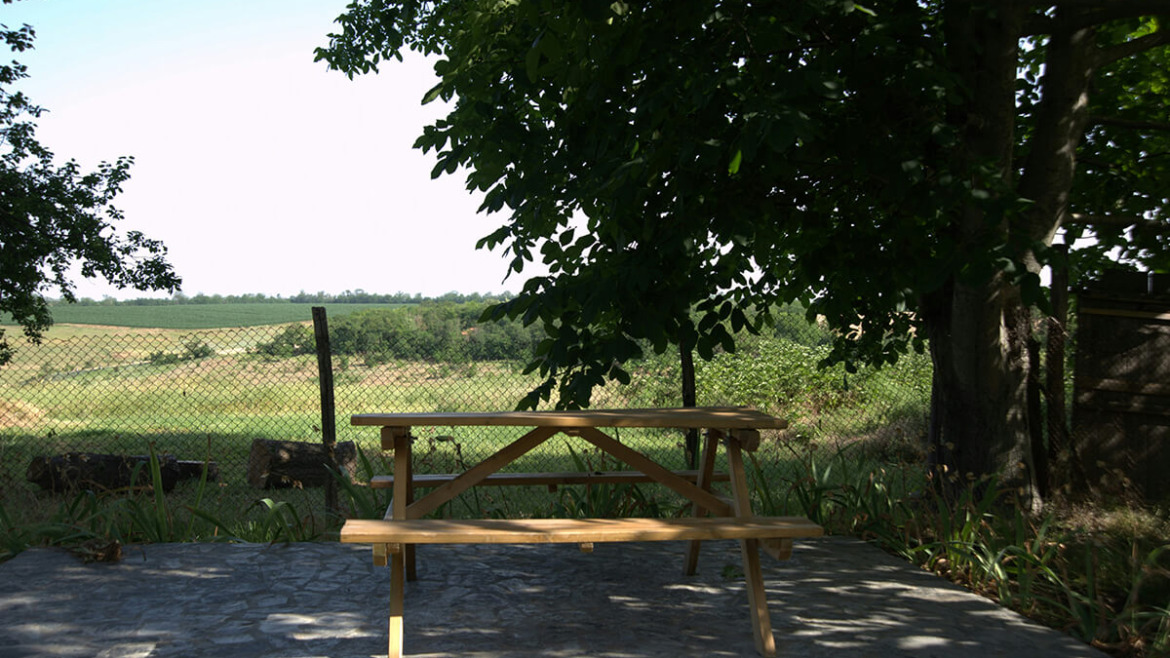
Planting a tree on your property offers far more than a little greenery and shade to your landscape; that tree is a profound and sustainable investment that yields dividends for decades, benefiting not only your property but also your personal well-being. In a world increasingly focused on sustainability and creating resilient environments, the humble shade tree stands out as a powerful, natural solution, offering a multitude of advantages that grow alongside the tree itself. Unlike many other home improvements which may depreciate over time, a healthy, maturing shade tree is a living asset that instead appreciates, enhancing comfort, beauty, and environmental health.
The decision to plant a shade tree is a commitment to the future, a forward-thinking action that provides tangible benefits that are felt physically and aesthetically. These magnificent plants work tirelessly, offering a natural canopy that alters the microclimate around your home, interacts positively with the local ecosystem, and creates a more pleasant and livable space. Understanding the full scope of these benefits reveals why investing in shade trees is such a smart and sustainable choice for any property owner.
Here are some key ways shade trees serve as a sustainable investment:
1. Significant Cooling and Energy Savings
Perhaps one of the most immediate and noticeable benefits of a well-placed shade tree is its remarkable ability to cool your property. During hot summer months, direct sunlight can significantly heat walls, roofs, and paved surfaces, driving up indoor temperatures and forcing air conditioning systems to work harder. With proper positioning, a mature shade tree can block this intense solar radiation, creating a cool, inviting microclimate beneath its canopy. This natural cooling effect can also dramatically reduce the amount of energy required to keep your home comfortable (meaning lower electricity bills and a reduced carbon footprint for your household). The shade cools the air through evapotranspiration – the process where water evaporates from leaves, using heat energy. This natural phenomenon can result in ambient temperatures feeling several degrees Celsius cooler in shaded areas compared to sun-exposed ones.
2. Enhanced Air Quality and Filtration
Shade trees act as natural air purifiers, working diligently to improve the air we breathe. Their leaves, branches, and roots all play a vital role in filtering pollutants from the atmosphere. Trees absorb harmful gases like ozone, nitrogen oxides, and sulphur dioxide through their stomata (i.e. the pores on their leaves). They also trap particulate matter – tiny airborne particles from sources like vehicle exhaust and industrial emissions – on their surfaces, which are then washed away by rain or fall to the ground. This filtration process contributes to cleaner, healthier air around your home and within your community, a benefit that is invaluable for well-being, particularly for individuals with respiratory sensitivities.
3. Improved Water Management and Soil Health
Shade trees play a crucial role in managing rainwater and improving soil health. Their extensive root systems help to absorb excess water, reducing surface runoff during heavy rainfall events. This is particularly important in urban and suburban areas with significant impermeable surfaces like driveways and patios, where runoff can contribute to erosion and carry pollutants into waterways. Tree roots also help to break up compacted soil, improving drainage and allowing water to infiltrate the ground more effectively, which helps to recharge groundwater levels. Furthermore, when leaf litter that falls from trees decomposes, it adds organic matter to the soil, which enhances fertility, improves soil structure, and increases its water-holding capacity. This natural cycle contributes to a healthier, more resilient landscape.
4. Creation of Vital Habitat for Local Wildlife
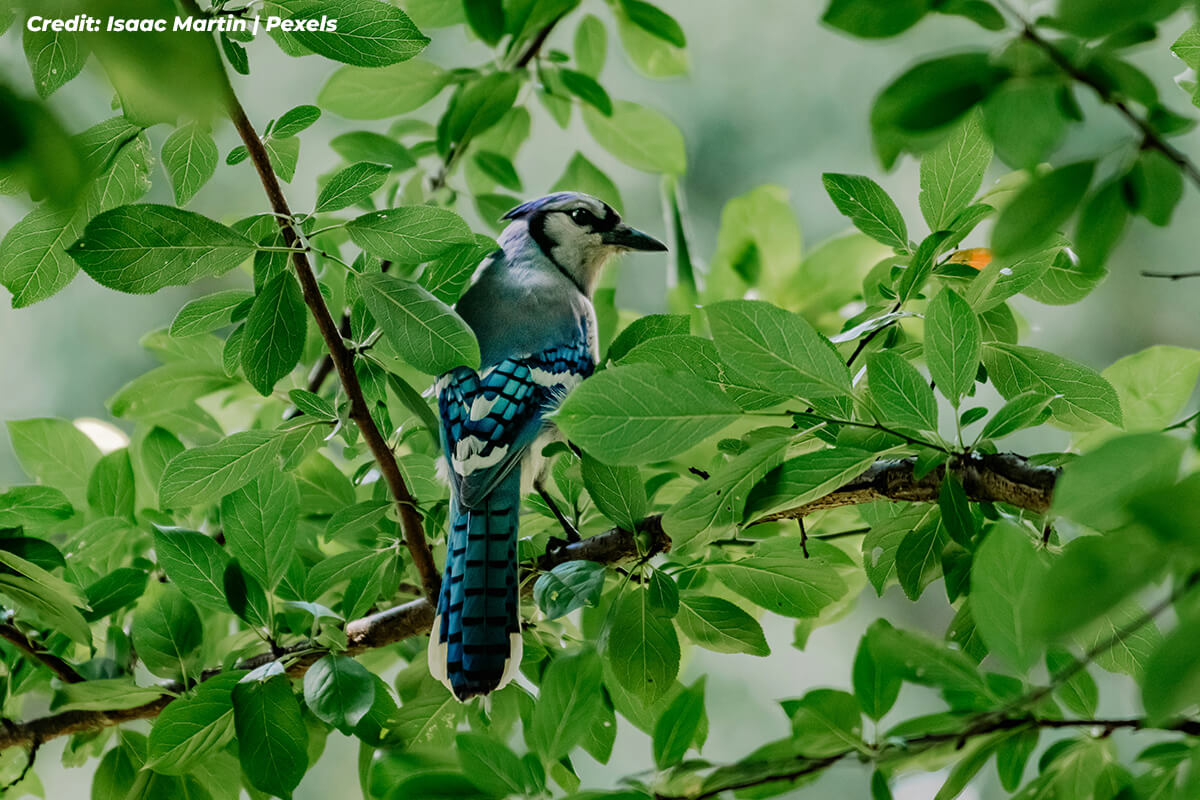
A mature shade tree is a thriving ecosystem in miniature, providing essential habitat for a variety of local wildlife. Birds build nests in their branches, squirrels find shelter and sustenance, and insects and other small creatures utilise the tree for food, shelter, and breeding grounds. By planting a shade tree, you are contributing to local biodiversity, providing valuable resources for native species. This connection to nature, even on a small scale within your own yard, is a key aspect of creating a sustainable and harmonious environment. Watching birds flit through the branches or squirrels scamper up the trunk also adds a touch of natural beauty and vitality to your property.
5. Carbon Sequestration
Trees are remarkably efficient at absorbing carbon dioxide (CO₂), a major greenhouse gas, from the atmosphere via the process of photosynthesis. They store this carbon in their wood, leaves, and roots, which effectively sequesters it and helps to mitigate the effects of climate change. A single mature tree can absorb a significant amount of CO₂ over its lifetime. In one year alone, a tree can absorb roughly 25 kg of CO₂. By planting a shade tree, you are making a direct contribution to reducing the concentration of this greenhouse gas in the atmosphere, a tangible step towards a more sustainable future. As the tree grows, its capacity to sequester carbon increases, making it a truly long-term environmental asset.
6. Enhanced Property Value and Curb Appeal
Beyond their environmental benefits, shade trees significantly enhance the aesthetic appeal and market value of your property. A mature, well-maintained tree can make a home look more established, inviting, and beautiful. It provides a sense of permanence and natural elegance that younger landscapes often lack. Real estate professionals often note that properties with mature trees are more attractive to buyers and can command a higher price (an increase of up to 10 – 19% according to some sources). The shade provided by the tree can also protect your home’s exterior from sun damage, reducing the need for frequent painting or repairs to siding and roofs, further preserving the value of your investment.
7. Creation of Comfortable Outdoor Living Spaces
Shade trees transform outdoor areas into comfortable, usable living spaces during warmer months. A patio or deck that is exposed to direct sun can be unbearable during the heat of the day. The cooling canopy of a shade tree makes these areas inviting for relaxation, dining, or entertaining. It allows you to extend your living area outdoors, providing a pleasant environment to enjoy your garden and the fresh air. This enhancement of outdoor usability directly contributes to the enjoyment and functionality of your property.
8. Positive Impact on Well-being and Stress Reduction
The presence of trees and green spaces has been widely linked to improved human health and well-being. Spending time in nature, or even just being able to see trees from your windows, has been shown to reduce stress, lower blood pressure, and improve mood. The gentle rustling of leaves in the breeze and the dappled light filtering through the canopy create a calming and tranquil atmosphere. A shade tree in your yard provides a readily accessible connection to the natural world, offering a peaceful retreat from the stresses of daily life and promoting a sense of calm and relaxation.
9. Encouragement of Outdoor Activity
A shaded yard is a more inviting space for outdoor activities. Children are more likely to play outside, families can gather comfortably, and individuals can engage in hobbies like gardening or reading without being subjected to intense sun exposure. By making your outdoor space more comfortable, a shade tree encourages a healthier, more active lifestyle, benefiting the well-being of everyone who uses the space.
10. A Living, Growing, Long-Term Asset
Unlike many other investments that require ongoing expenditure for maintenance without increasing in intrinsic value, a shade tree is a living asset that appreciates over time. As it grows, its benefits – cooling capacity, carbon sequestration, habitat provision, and aesthetic appeal – all increase with it. While trees do require some care (particularly in their early years when knowing how to care for them is key to their taking root), the long-term returns on this investment in terms of energy savings, property value, and environmental benefits are substantial and enduring. It is an investment that literally grows, providing increasing value and beauty with each passing year.
—
In conclusion, planting a shade tree is a remarkably sustainable and rewarding investment. It offers a wide array of environmental benefits, from cooling homes and cleaning the air to managing water and providing habitat. In terms of aesthetics, a shade tree enhances the beauty and value of your property and creates comfortable, inviting outdoor spaces. Furthermore, the presence of trees has a tangible positive impact on human well-being, reducing stress and encouraging a connection with nature.
By choosing to plant a shade tree, you are making a responsible, forward-thinking decision that benefits your property, your family, and the planet for many years to come. It is a living, breathing investment that pays dividends in comfort, beauty, and sustainability.
When you need shade and privacy trees to make your home that much more comfortable and secure, Caledon Treeland has what you need. We carry a wide range of tree species to meet the needs of your soil and climate, and to ensure your trees take root and thrive in their new environment. Give us a call now at (905) 880-1828 to make an appointment and check out our tree farm.