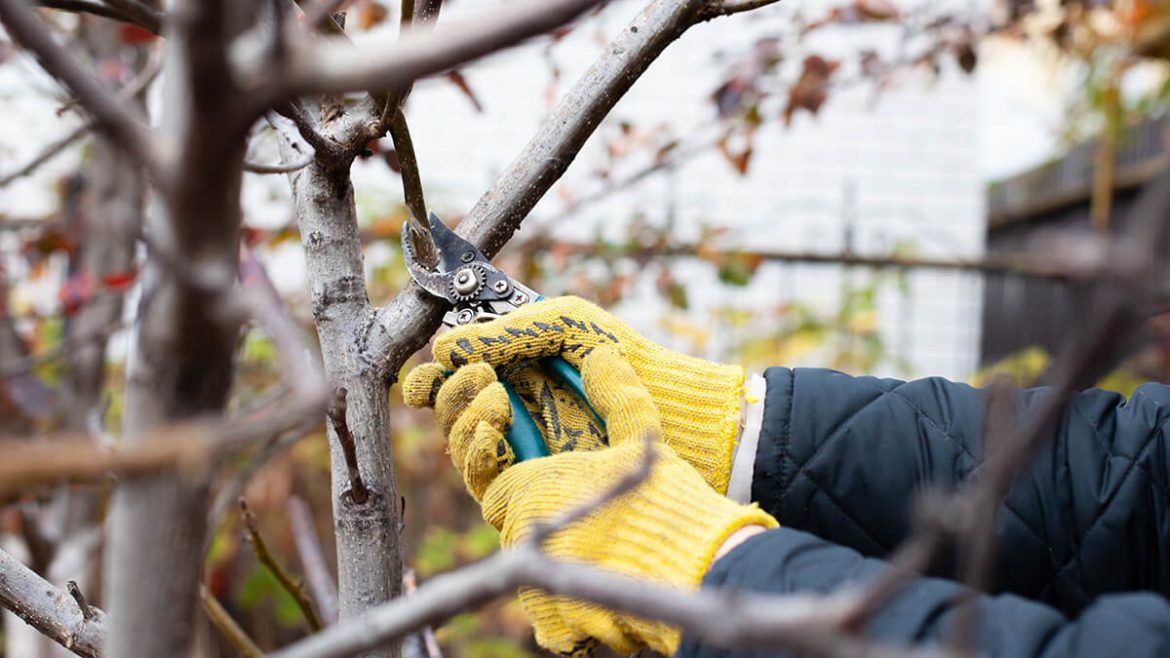
Trees are similar to animals in one respect; they also hibernate in winter to save energy and prepare for spring. One benefit of this winter dormancy is that it’s an ideal period to prune your trees and get them ready for the growing period in spring. Once the leaves drop, the branch structure is also easy to see, and dormant trees are less exposed to many of the insects and diseases that are active in warmer months. However, like any enterprise, it’s vital you prune properly to ensure the tree reaps the benefits of that care. A poorly planned cut can actually leave a tree weaker and more vulnerable for years. Knowing the dos and don’ts of winter pruning points you toward the habits to avoid; this is the first step toward pruning your trees correctly.
Here’s a short list of those pruning mistakes to help you know what to avoid when you cut.
1. Pruning During a Deep Freeze
There’s a right time for pruning, and it’s a good idea to wait for it before you work. Dormant pruning works best on milder winter days, not in the middle of a hard cold snap. When temperatures plunge, wood becomes more brittle, and branches are more likely to crack or tear instead of separating cleanly. Bark can also split away from the cut, wounding the tree and potentially impacting spring growth. If a deep freeze sets in, wait for a milder stretch before picking up your saw.
2. Cutting Back Spring-Flowering Trees
Some ornamental trees, such as magnolias and redbuds, form their flower buds during the previous growing season. Pruning them heavily in winter removes those buds and leaves you with a sparse display come spring. If flowers are a priority, prune these trees shortly after they finish blooming instead.
3. Putting Off Oak Pruning Until Spring
Oak wilt is a fungal disease that specifically targets oak trees, and has occurred in different areas of Toronto, specifically in Niagara Falls, Niagara-on-the-Lake, and Springwater. As a rule, it’s best to avoid pruning any oak trees until November. Fresh pruning wounds attract the sap beetles that carry it, so waiting until the cold season avoids the period when those vectors are active and spares your trees the risk.
4. Making Flush Cuts Against the Trunk
Cutting a branch off perfectly even with the trunk may look tidy, but it actually removes the branch collar (this is the slightly swollen area where the branch joins the stem). The collar contains tissue that helps the tree close over the wound, and cutting into it creates a larger wound that seals more slowly and invites decay. Cut just outside the collar every time you work on a tree, and take care to follow the branch’s natural angle.
5. Leaving Long Stubs Behind
Cutting too far too far away from the base of the branch isn’t just a matter of aesthetics, it also causes problems for the tree. The tree cannot close over a long stub properly, so the stub often dies back and begins to rot, which can then spread and work its way into the main stem.
6. Skipping the Three-Cut Method on Heavy Limbs
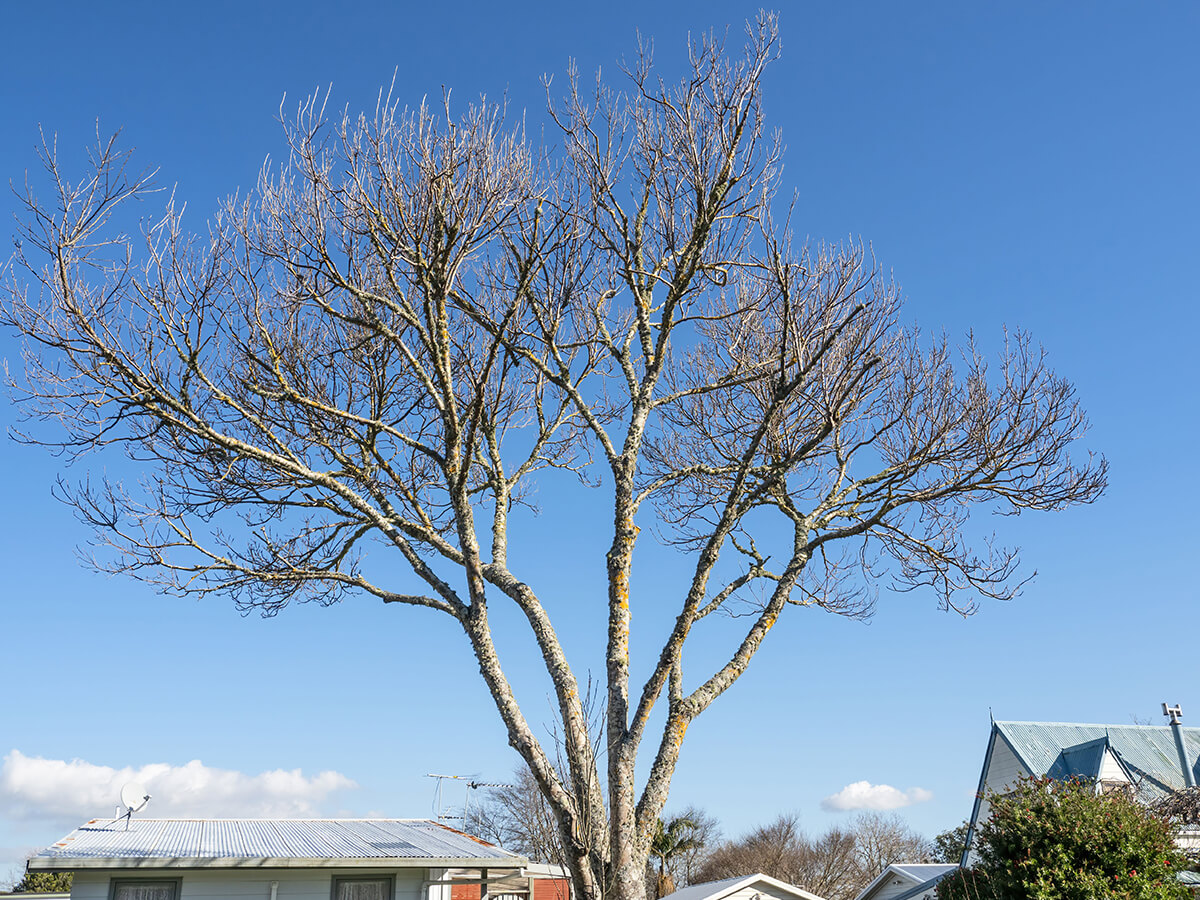
Identifying weak and compromised limbs is part and parcel of proper tree care, but it’s also prudent to study the hows of the cut as well. A single cut from the top of a heavy limb often lets the branch fall before the cut is finished, peeling a long strip of bark down the trunk. The three-cut method prevents this damage. This method consists of making a shallow undercut a short distance from the truck, then cutting through from the top slightly farther out so the limb drops away cleanly. The removal is finally finished with a final cut just outside the branch collar to remove the remaining stub.
7. Removing Too Much at Once
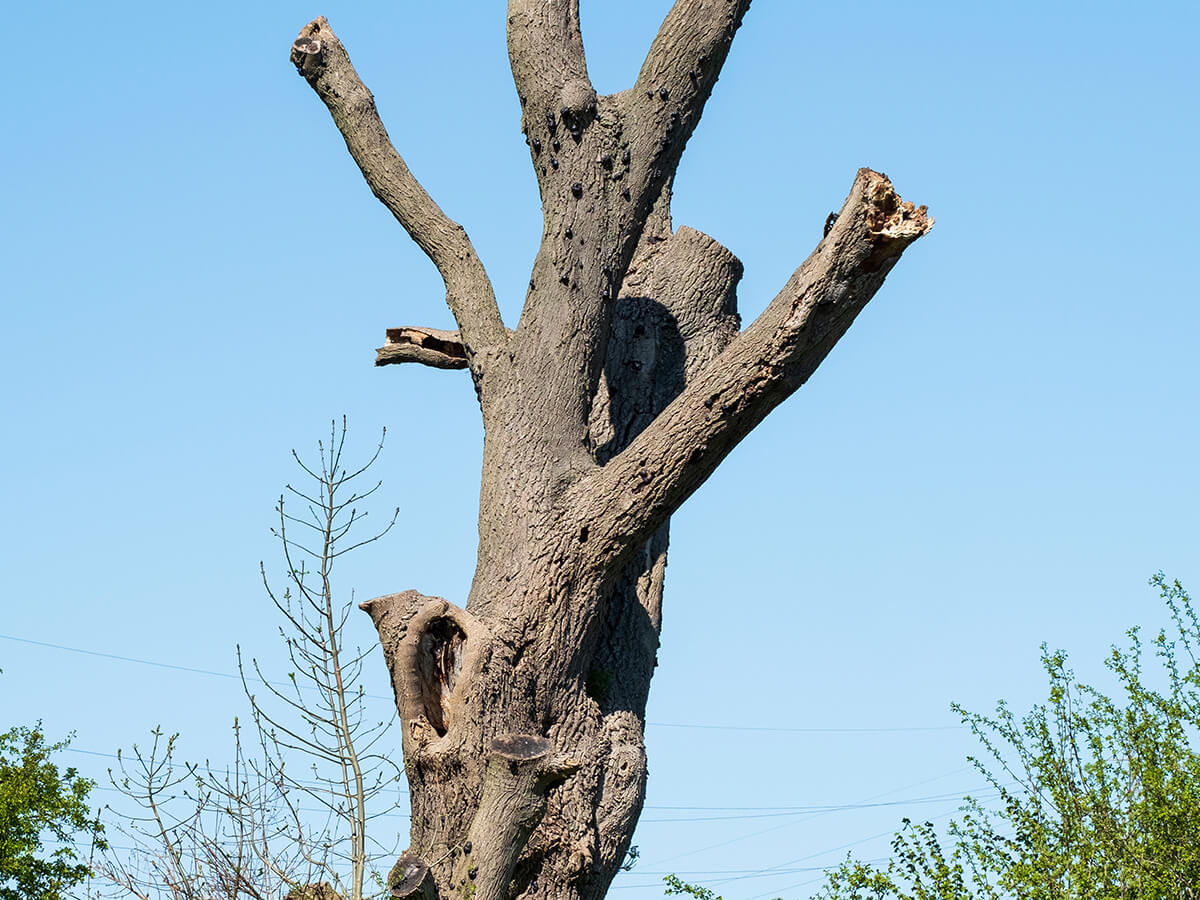
Too much of anything is harmful, pruning included. Overpruning stresses a tree by stripping away the leaf-bearing wood it relies on to produce food. A common arborist guideline is to remove a quarter of the live crown in a single year. Topping, a process which involves cutting the tree’s larger branches back to stubs to reduce height, is especially harmful and tends to produce weak, crowded sprouts. As a rule, you also need to spread out major corrective work over several seasons to avoid stressing a tree.
8. Working With Dull or Dirty Tools
Dull blades no longer cut and saw cleanly; instead, their weapons tend to crush and tear wood rather than slicing through it, leaving ragged wounds that are slow to close. Dirty tools can also carry disease if not disinfected between appointments. Always sharpen your pruners and saws before you start, and properly clean your pruning shears and other blades with rubbing alcohol or a household disinfectant after cutting any diseased wood.
9. Sealing Every Cut With Wound Paint
It’s easy to assume a fresh cut needs to be painted or tarred. However, for most trees, arborists advise against it, since dressings do not stop decay and can actually trap moisture against the wood. Trees defend themselves by walling off damaged tissue, a process that works well when a clean cut is left exposed.
10. Pruning Near Power Lines Yourself
Branches close to overhead lines are dangerous to handle, and winter ice makes ladders and limbs even more slippery. Ontario’s Electrical Safety Authority advises keeping yourself, your tools, and your ladder at least 3 metres away from overhead power lines to avoid injury. Any branches inside that zone are best left to your local utility or a qualified utility arborist.
Winter pruning can set your trees up for a healthy growing season, provided that the job is done with care. Keep these insights in mind to ensure your pruning work is done safely and properly. As a rule, large trees or complex jobs are best left to a certified arborist who possesses the training and tools to do the work safely.
Ready to give your property more shade, privacy, and curb appeal? Caledon Treeland provides shade and privacy trees that suit your landscape and makes your home all the more comfortable. Our team is more than happy to help you choose the right trees for your space. Call (905) 880-1828 today to book a visit to our tree farm and find the ideal tree for your home and soil.
Frequently Asked Questions
1. When Is the Ideal Time to Prune Trees in Winter?
Late winter, while trees are still dormant, is a common and ideal choice. Pick a mild day to work rather than a deep freeze, since cold wood is more brittle and likely to tear.
2. Can I Prune Oak Trees in Winter?
Yes, you can. Winter is actually the recommended time for pruning in general. Oaks particularly benefit from winter pruning as oak wilt and its vectors are less active at this time, making conditions safer for these trees..
3. How Much of a Tree Can I Remove at Once?
A common arborist guideline is no more than a quarter of the live crown in a single year. Removing more stresses the tree by stripping away the leaves it uses to make food. As a rule, it’s also prudent to spread larger corrective work over several seasons to preserve the tree’s health.
4. Do Pruning Cuts Need to Be Sealed?
For most trees, no. Clean cuts made just outside the branch collar are best left exposed. Oaks cut between April and November are the exception and should receive a thin coat of wound paint.
5. Should I Prune Branches Near Power Lines Myself?
No, that job is best left to the professionals. Ontario’s Electrical Safety Authority advises staying at least 3 metres from overhead power lines. Contact your local utility or a qualified utility arborist instead.