
Winter can be hard on your home and appliances. The cold weather can take its toll on your pipes and car, among other things, but it puts some pressure on your trees as well. The low temperatures, heavy snow, and drying winds of winter all put pressure on trees, and this simply means that your trees deserve some TLC themselves. However, it can be difficult knowing exactly how to care for your trees if you don’t know how. Providing the right winter care for your trees goes a long way to helping them survive through the cold months of winter, and to offer that care, it pays to know what the missteps are so you can avoid them.
Here’s a short list of some winter care myths busted to help you give your trees the care they deserve.
1. Trees Don’t Need Water in Winter
Trees slow down in winter, and in fact they hibernate during the season, but this doesn’t mean they stop losing moisture. Evergreens keep their needles and continue to lose water through them, especially on sunny and windy days. Watering your trees before winter is actually one of the most effective steps you can take to prep them for the cold weather. Giving your trees a deep watering in late fall before the ground freezes helps them build up moisture reserves to see them through winter. Newly planted trees may also benefit from extra watering during mild, dry spells when the soil is not frozen.
2. Winter Is Not a Good Time to Prune Because the Tree Is Dormant
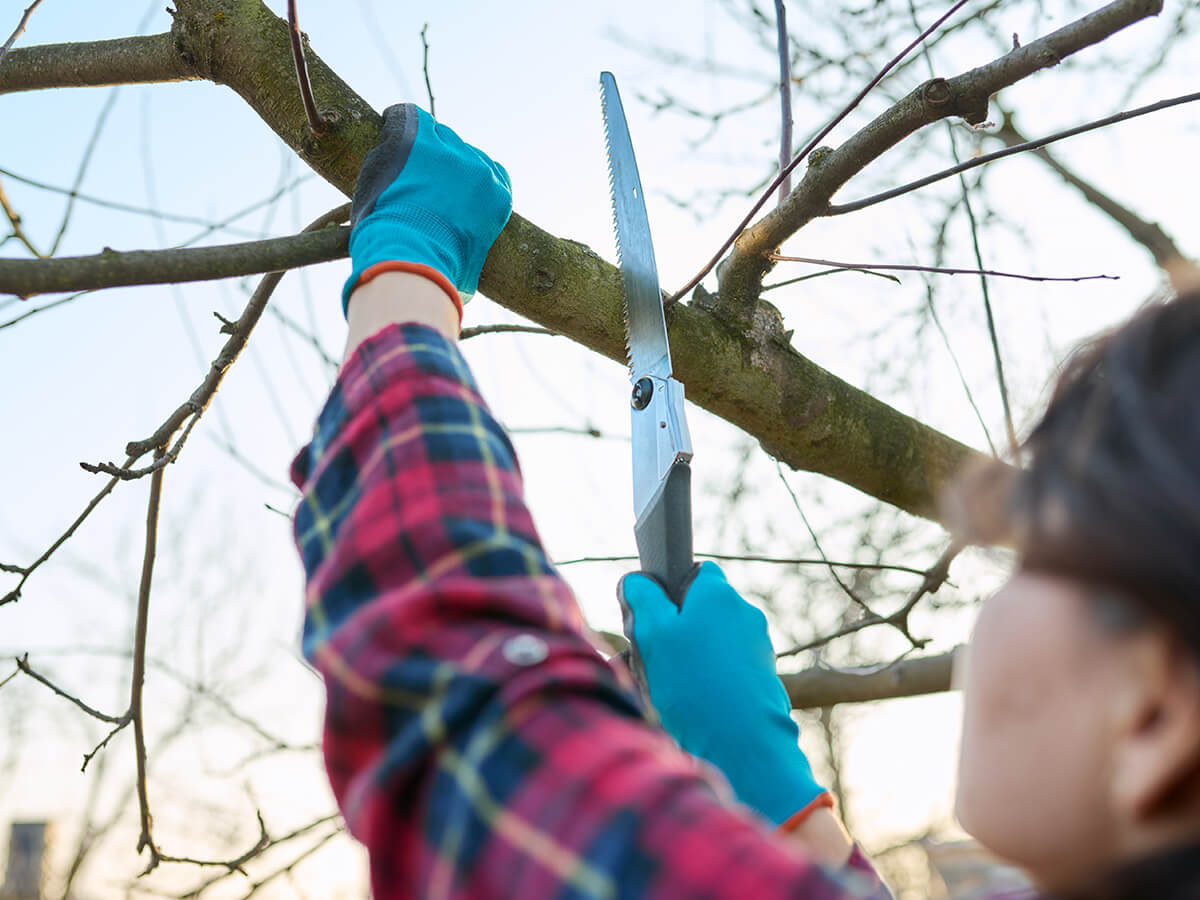
Late winter is actually an ideal time to prune most trees. With the leaves gone, it is easier to see the branch structure and spot any dead, damaged, or crossing limbs that call for immediate removal. Many insects and disease-causing organisms are inactive in the cold, which lowers the risk of infection through fresh cuts. Finally, this seasonal pruning also primes the tree to grow more vigorously in spring after it wakes up.
3. Mulching Always Means Better Protection
Mulch is a must for maintaining a tree’s health, but those benefits depend on knowing proper mulching technique to benefit the tree. A thick mound of mulch piled around the trunk can trap moisture against the bark, encourage rot, and give rodents a sheltered spot to chew. You’re better off applying a layer about 5 to 10 cm deep spread over the root zone. This application suffices to insulate the soil and hold in moisture. Leave a gap of several centimetres between the mulch and the trunk precisely to avoid creating a favourable environment for disease and pests.
4. Tree Trunks Never Need Wrapping in Winter
Most mature trees do indeed have thick bark and do not need wrapping. However, young trees with thin bark are more prone to sunscald and frost cracks, and they can attract mice and rabbits looking for food. A light-coloured tree guard protects these young trunks through winter, but it merits removal come spring to avoid trapping moisture or restricting growth.
5. Knocking Ice off the Branches Is Safe to Do Yourself
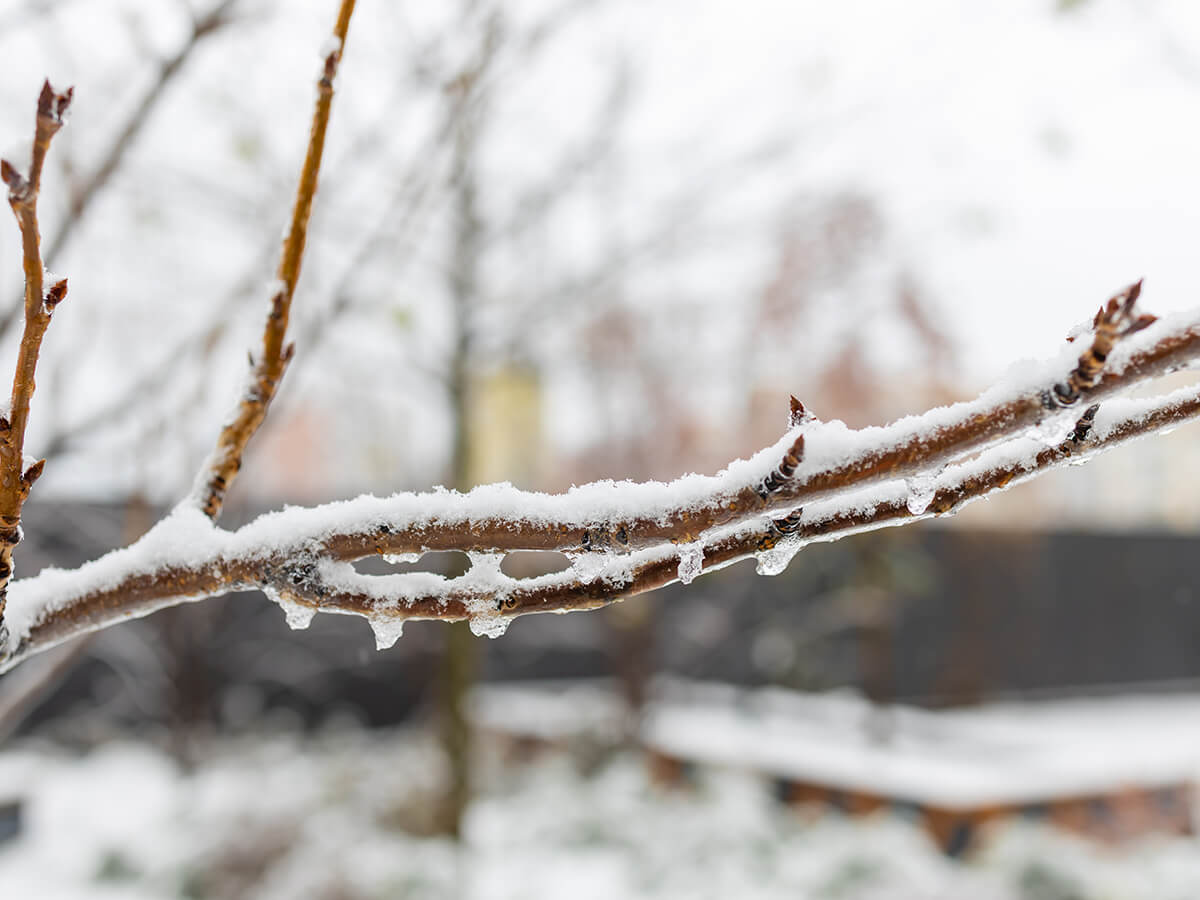
The weight of heavy snow and ice can bend branches, but shaking them off the limbs is itself a risky prospect. Frozen wood is brittle, and striking an ice-coated branch can cause it to snap or split. Light snow can be gently brushed off with a broom using an upward motion. Ice is best left to melt on its own. Do take note that any branches that stay bent or show cracks should be checked by an arborist to ensure they aren’t a hazard.
6. Road Salt Only Harms Grass and Driveways
De-icing salt can actually reach trees through spray via passing vehicles and runoff that soaks into the soil. Over time, salt makes it harder for roots to take up water and can lead to browned needles, dieback, and weak spring growth. Avoid piling salty snow over root zones, and use sand or a salt-free traction product near trees whenever possible.
Proper winter tree care comes down to a few simple habits, such as knowing what to do for a tree right after a storm, and with their help you can give your trees the care they deserve to enter winter without any worry. Busting the myths helps avoid any bad habits that harm your trees, and instead lets you take steps to keep them healthy through the cold months. And with these insights, you’re better prepared to give your trees the TLC they deserve this winter.
Ready to give your property the shade and privacy it deserves? Caledon Treeland offers quality shade and privacy trees that bring lasting comfort and natural beauty to your outdoor space. Let our team help you find the right trees for your property and soil. Give us a call now at (905) 880-1828 to visit our tree farm and select the tree that works for you
Frequently Asked Questions
1. When Should You Stop Watering Trees Before Winter?
Keep watering until the ground freezes. A deep, slow soak in late fall gives the roots enough moisture to draw on through the cold months, which is especially helpful for evergreens and newly planted trees.
2. What Causes Brown Needles on Evergreens After Winter?
It’s often winter burn that causes those brown needles to develop. Winter burn happens when sun and wind pull moisture from needles while frozen soil keeps roots from replenishing its moisture Road salt exposure can cause similar browning.
3. How Can You Tell If a Branch Is Dead in Winter?
Gently scratch the bark with a fingernail. Green tissue underneath means the branch is alive, while brown, dry tissue suggests it is dead. Dead branches also tend to snap cleanly rather than bend.
4. Is Fall a Good Time to Plant Trees?
Fall planting can work well, as long as the tree goes in several weeks before the ground freezes. This timeframe gives roots time to settle into the soil before winter.
5. Should You Fertilize Trees in Winter?
Feeding trees in winter is generally not helpful because dormant trees take up few nutrients. Wait until spring, when active growth resumes, and have the soil tested first if you are unsure what your trees need..