
For many homeowners, trees are for beautifying the home, adding some colour to the property, and providing some shade when it’s hot. However, trees do so much more than simply making the home more beautiful and comfortable. Strong winds, heavy rain, hail and blowing snow can all damage a home, but these are threats that a healthy, well-placed tree can safeguard against. These trees can serve to shield your property from harsh weather and keep the worst of a storm away from the house. Here are five ways your trees can act as a natural line of defence for your house.
1. They Act as a Windbreak
A row or cluster of trees can provide privacy and block noise from reaching the house, but those trees do more than that. They also provide a windbreak to absorb the worst of the wind before it reaches your home. The wind passes through branches and leaves instead of hitting your walls and roof at full force, sparing the walls from the full brunt of wind, snow, and rain. This absorption also lowers the pressure on shingles, siding, windows and doors during a storm. Evergreens such as spruce and cedar are especially useful species to use because they keep their needles year-round and therefore offer protection in every season.
2. They Reduce Stormwater Runoff
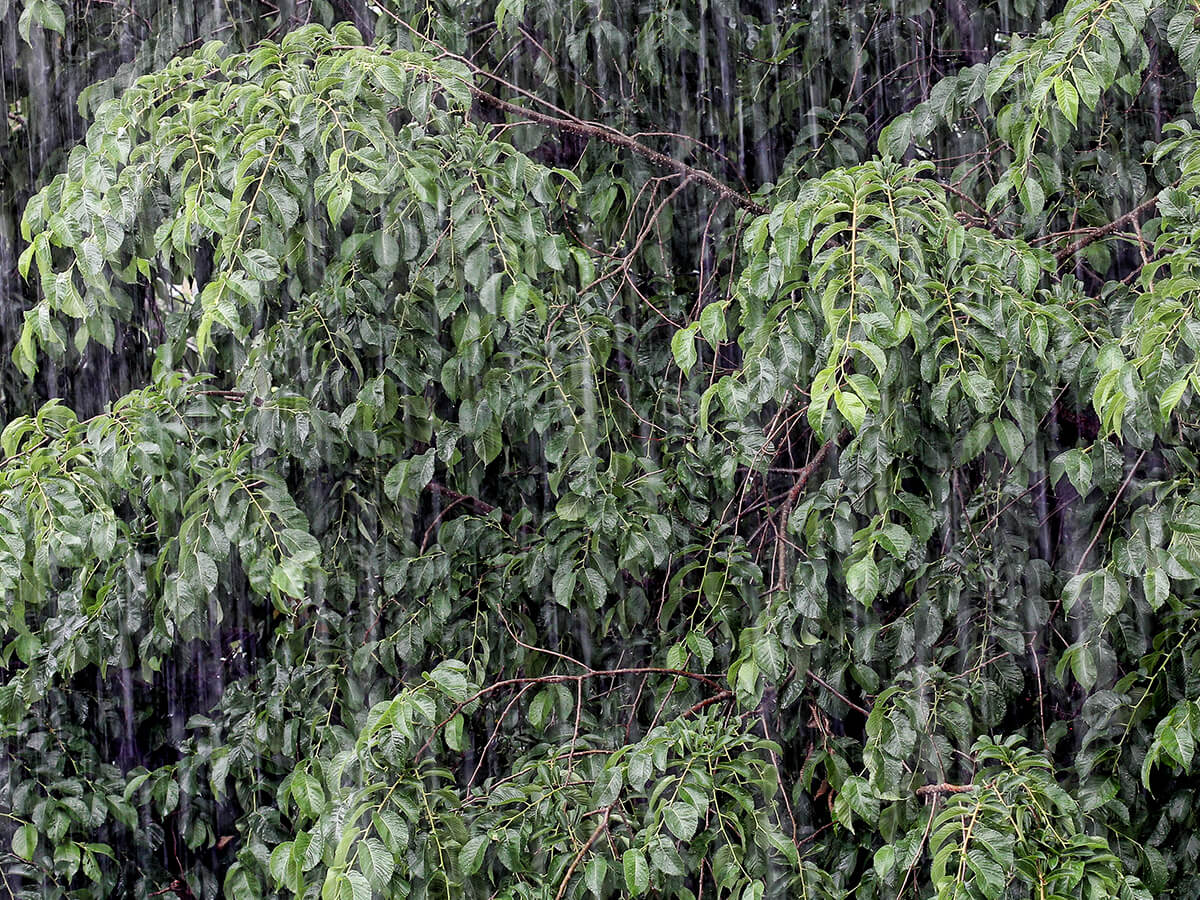
During heavy rain, tree canopies catch some of the rainfall on their leaves and branches before it reaches the ground. As the rain flows down the tree, its roots can absorb some of that runoff instead of letting it flow and contribute to flooding. As a tree’s roots draw water from the soil, this process creates channels that help water soak into the soil instead of running off. Together, these effects are a way to https://www.ctvnews.ca/barrie/article/how-to-care-for-trees-damaged-by-ice-storm/, reduce the amount of water that might pool around your foundation, and lower the risk of basement leaks and flooding.
3. They Hold Soil in Place
Knowing why stormwater management works the way it does goes a long way to understanding it. One reason why planting these trees is such a good idea is that the roots bind the soil together, which helps prevent erosion when rain pounds your yard. This factor is most appreciable on sloped properties, where loose soil can wash away and undermine walkways, retaining walls or the ground near your foundation. The deeper and wider the root system (and therefore the old and more established a tree), the better the system anchors the surrounding ground.
4. They Block Flying Debris
Strong enough gusts can pick up loose objects and throw them in the direction the storm blows. Any trees or dense shrubs along the edge of your yard can catch or slow this debris before it strikes your windows or siding. In doing that job, your living fence can prevent dents and cracks, and breaking glass that might otherwise take costly repairs to address.
5. They Control Snow Drifting and Soften Hail
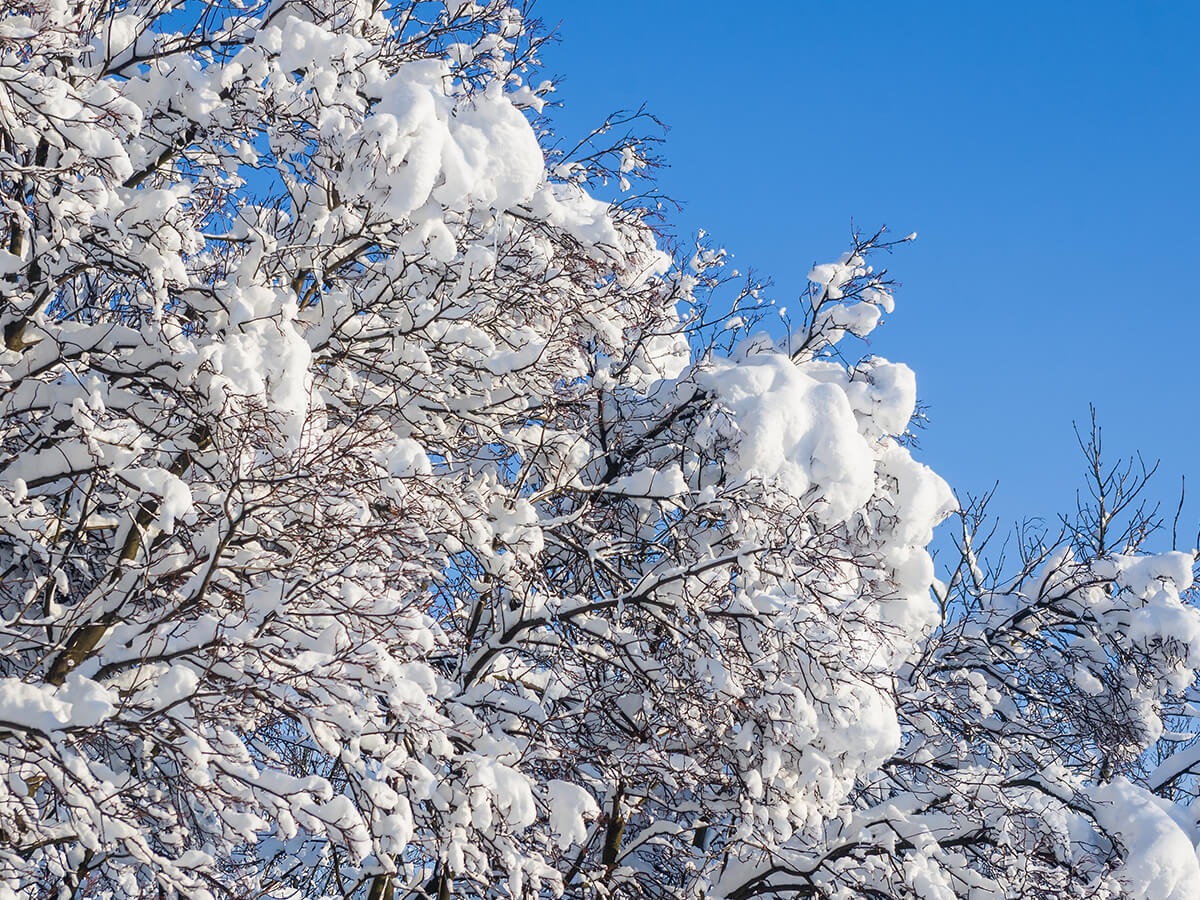
In winter, windbreaks change how snow settles across your property. Windbreaks are a prudent and sensible method of protection, and slowing the wind that carries snow, so the snow tends to drop before it has a chance to pile against your doors, driveway or walls. In the warmer months, a thick canopy can also absorb some of the impact from hail, which can then protect your vehicles, decks and garden areas resting beneath the tree. Planting a windbreak on the side of your property that faces the prevailing winter winds offers the most and most natural benefit, ensuring your home suffers fewer issues related to snow buildup.
Trees can protect your home, but that realization is predicated on their ability to stand strong unless they’re well-maintained. Regular inspections and proper pruning are always key to keeping your trees sturdy so they can do their job of protecting your home. When it comes to planting new trees, choose species suited to your local climate. Plant large varieties far enough from the house that their roots and branches do not threaten the structure. A certified arborist can assess your property and recommend the right trees and care plan to keep your home protected year after year. And with these insights all under your belt, you’ve helped yourself give your trees the right care to help them look after your home for years to come.
Ready to give your home a natural shield against wind, rain and snow? Caledon Treeland provides shade and privacy trees to help shelter your property through every season. Our team is happy to lend a hand and help you find a tree that provides ample shade and thrives in your soil and climate. Call us now at (905) 880-1828 to find the right trees for your yard and make your home all the more comfortable and secluded.
Frequently Asked Questions
1. Which Trees Make the Best Windbreaks?
Dense evergreens such as spruce, pine and cedar make strong windbreaks because they keep their needles all year. Planting them in rows or staggered groups improves the protection they offer.
2. Can Trees Near My House Cause Storm Damage?
Yes, they can if they aren’t cared for properly. Trees that are dead, diseased or poorly pruned can drop limbs or fall in high winds. Keeping trees healthy and planting large species away from the house lowers this risk.
3. Do Trees Help Prevent Basement Flooding?
Trees can reduce runoff by catching rainfall on their canopies and helping water soak into the soil. This process can lower the amount of water that pools near your foundation during heavy storms.
4. Where Should I Plant Trees for Storm Protection?
Plant windbreak trees on the side of your property that faces the prevailing winds. Leave enough space between large trees and your home so their roots and branches do not threaten the structure.
5. How Often Should I Have My Trees Inspected?
Have your trees checked regularly and after any major storm. An arborist can spot weak limbs, decay or disease early, before these problems lead to damage during severe weather.