
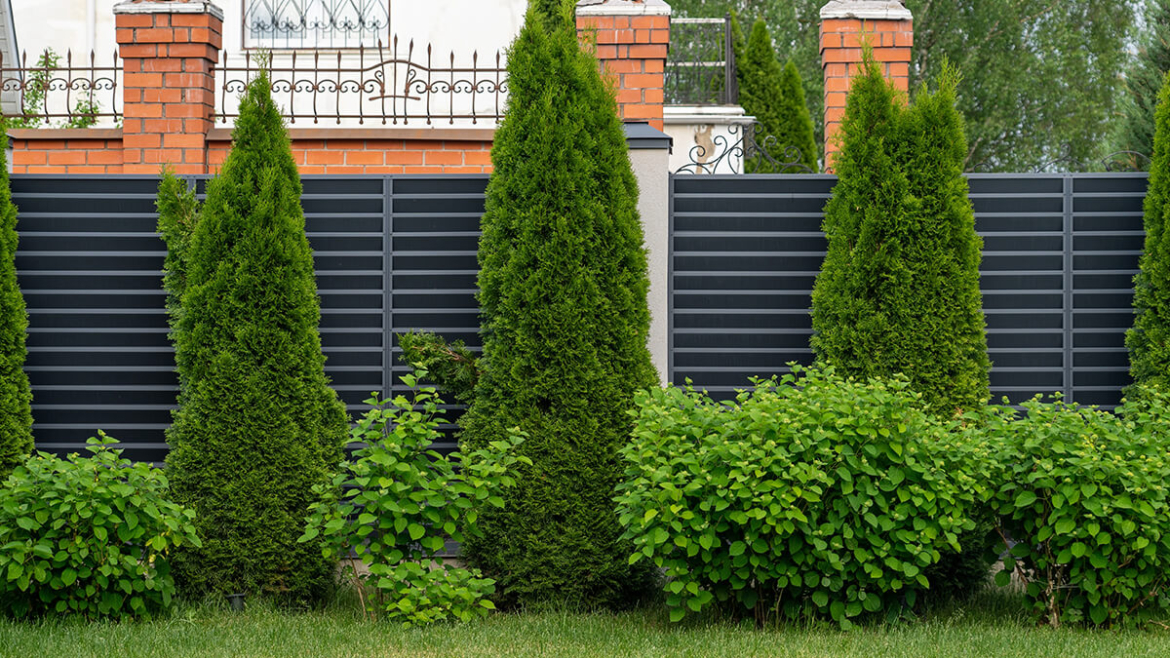
Who doesn’t want a personal sanctuary away from the hustle and bustle of life out of their home? However, nice as it sounds, there’s more to making your home a getaway from the outside world than a sturdy front door and drawn curtains. In many neighbourhoods in Canada, there are other unwanted outside elements you might not want around the house, such as unwanted noise courtesy of traffic, sirens, and bustling communal activities.
While traditional wooden fences or stone walls are the usual go-to options for keeping things out, they primarily keep people and things out, and not sounds, and so very often fail to dampen the persistent hum of the surrounding environment. Privacy trees, on the other hand, offer a more effective alternative for managing noise pollution. Having the right privacy trees on your property doesn’t just provide some greenery to the house, they’re also dynamic, organic sound absorbers that can help muffle those undesired sounds from the ear. By carefully selecting and arranging specific tree species, it’s within a homeowner’s ability to develop a natural acoustic buffer that enhances the tranquillity of their outdoor living spaces.
Here’s a short guide to help you do just that.
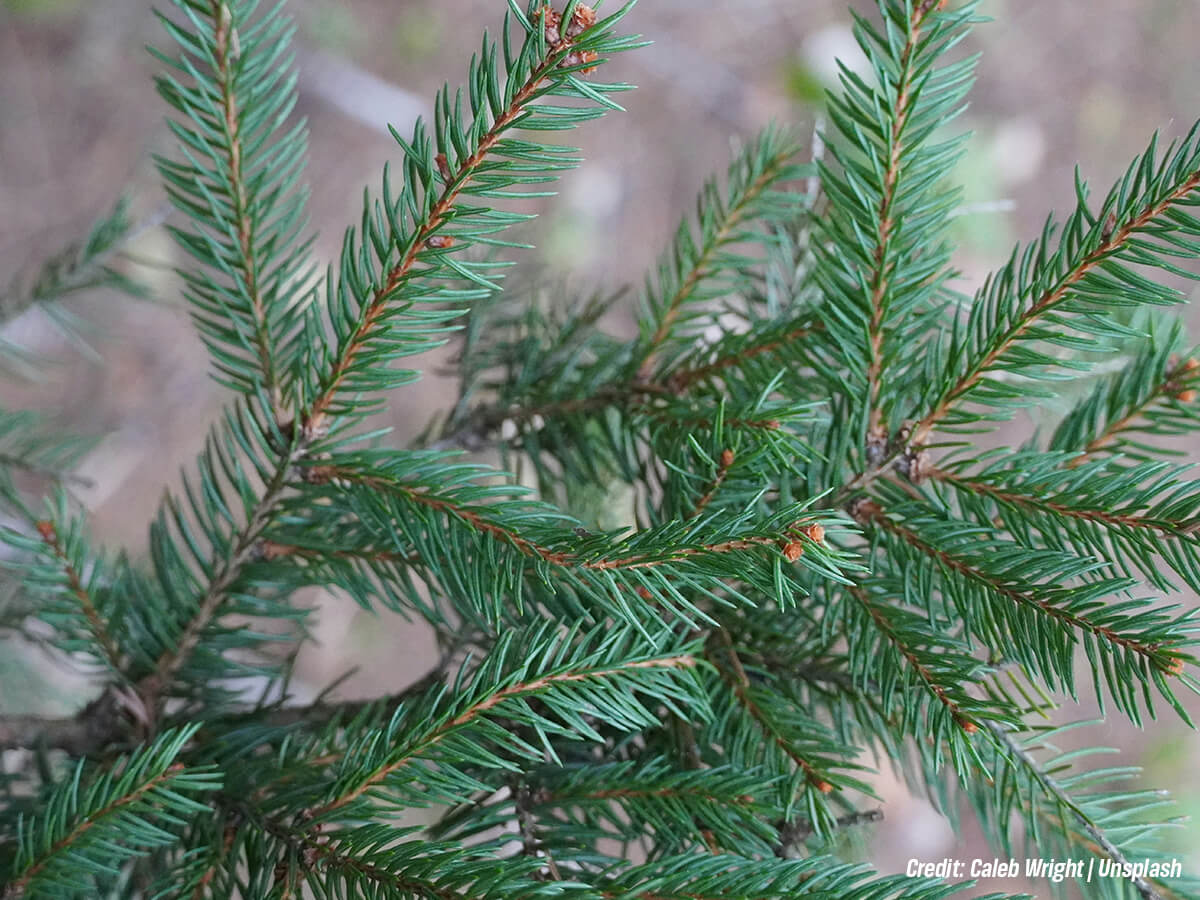
1. Selection of Densely Foliaged Evergreen Species
Your effective natural noise barrier starts with the selection of the right species for the landscape; specifically, you’re looking for trees that maintain their leaf density throughout the entire year. Evergreens are the primary choice because (as the name implies) they don’t shed their leaves when winter comes. Species such as the Eastern White Cedar or various types of Spruce are particularly effective for this purpose; it helps to be aware of low-maintenance evergreen species that might make caring for them easier. These trees possess thick, needle-like foliage that creates a complex surface area. Unlike a flat, hard surface (like a wall or fence, perhaps) that reflects sound waves back into the environment, the intricate structure of evergreen needles traps and scatters sound energy instead. This ensures that the privacy barrier remains functional during the winter months, providing a consistent acoustic defence regardless of the season.
2. Implementation of Strategic Staggered Planting
For your barrier to successfully mitigate noise, how the trees are arranged is just as critical as the species themselves. Planting a single, straight row of trees very often leaves small gaps that might let a little sound in. To achieve maximum silence, what you need instead is a staggered, double-row of trees. By placing trees in two parallel lines and offsetting the positions so that the trees in the second row cover the gaps of the first, you make a solid wall of trees that leaves no gaps for any sounds. This triangular formation forces sound waves to travel through a much deeper path of branches and leaves, significantly increasing the amount of energy absorbed before the noise reaches the patio or garden.
3. Management of Height and Vertical Density
Your noise barrier doesn’t just need depth and coverage, it needs height so it’s tall enough to intercept the direct path of sound. Effective privacy trees need to be grown to reach heights of at least three to four metres to create a noise shadow over the property. It’s also vital that the trees be dense from the ground up to the very top. Many species tend to lose their lower branches as they age, which can create a tunnel for sound to pass through at ground level. Regular maintenance and selecting cultivars known for their base-to-tip foliage ensures that the entire vertical plane of the property is sufficiently shielded from any intrusive noises.

4. Understanding the Physics of Sound Attenuation
Your privacy trees do much of their work through three primary mechanical processes: absorption, deflection, and refraction. When sound waves hit flexible organic materials like leaves and soft bark, the vibration is absorbed and converted into a minute amount of heat energy. Furthermore, the irregular shapes of the trees deflect sound in various directions, which helps to prevent a direct echo effect. Finally, the sheer mass of a deep tree line can refract sound, bending it upward and away from the quiet zones of the home. A barrier that is at least two metres in depth provides enough physical mass to noticeably soften the sharp edges of mechanical noises.
5. Prioritizing Soil Health and Root Vigour
The long-term effectiveness of a living noise barrier depends on the health and vigour of the trees, and that depends on proper, comprehensive tree care. To support a dense canopy capable of blocking sound, the trees require nutrient-rich soil and a consistent moisture supply. In many regions, preparing the planting site involves ensuring proper drainage and incorporating organic matter to encourage deep root systems. A tree that is stressed by drought or poor soil will have thinner foliage, which directly reduces its ability to act as a sound buffer. Mulching around the base of the trees helps retain moisture and protects the roots from any extreme temperature fluctuations.
6. Sustaining the Barrier Through Precise Pruning
Maintenance is the final pillar of a successful natural privacy screen; your tree needs plenty of TLC, as much for looking after its health as for ensuring effectiveness as a noise barrier. Pruning isn’t just for controlling height, but also serves to encourage thickness. By trimming the tips of the branches, homeowners can stimulate lateral growth, which makes the interior of the tree much fuller; be aware of any and all pruning dos and don’ts to guide you as you prune your trees. This increased internal density is what ultimately traps sound. Furthermore, removing dead or diseased wood ensures that no “holes” develop in the green wall. A well-maintained living fence not only serves as a functional acoustic tool but also adds a vibrant, textured element to the landscape.
Making the most of your privacy trees offers a sustainable (and aesthetic) solution for noise mitigation. By selecting some hardy evergreens and maintaining their density through strategic care, you give yourself a way of turning your home into a more peaceable and tranquil location. With the help of your trees, you can create a lasting sense of seclusion and peace within an otherwise busy neighbourhood.
There’s nothing that helps a home’s curb appeal like a tree, especially a privacy tree. Caledon Treeland is here to offer a wide range of those trees to make your home just a little more tranquil for your quality of life. Our extensive selection of trees provides effective noise reduction, to say nothing of what they can do for your landscape. Call us now at (905) 880-1828 today and make your home that much more comfortable.