
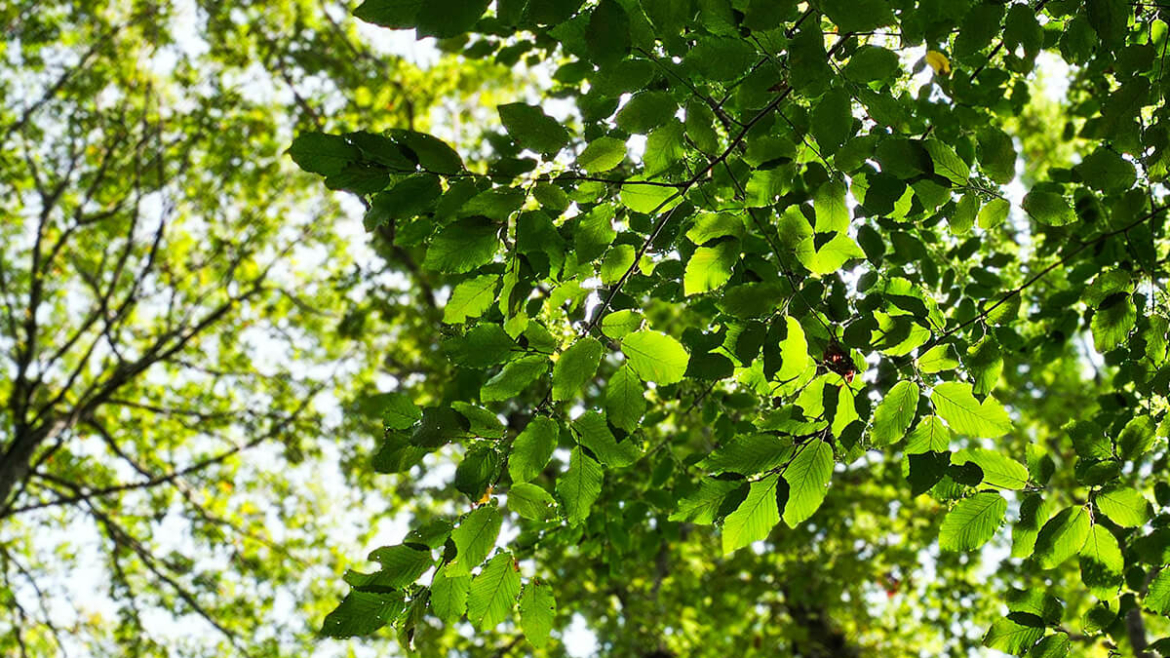
There’s a beauty to summer, with clear, bright days and warm nights where you can sit outside and relax. However, summer’s most notable quality is the heat; the heat might be uncomfortable for you, but it also takes its toll on your trees. While you might want to make a cool, shaded oasis to stay comfortable this summer, it helps to remember your trees have needs too. Just like people, the trees in your yard require extra hydration in the face of the warm summer weather, and that’s all the more so during the hottest days of summer. Prolonged high temperatures can compromise a tree’s natural defence systems, leaving it vulnerable to drought stress and diminished vigour. Recognizing signs of heat stress is the first step, but proactive care is the best strategy, as with other home care chores. By adjusting your maintenance routine, you can create a more hospitable environment for your trees and go the extra mile in caring for them. Here are seven effective ways to help your trees through the summer heat.
1. Commit to Deep, Infrequent Watering
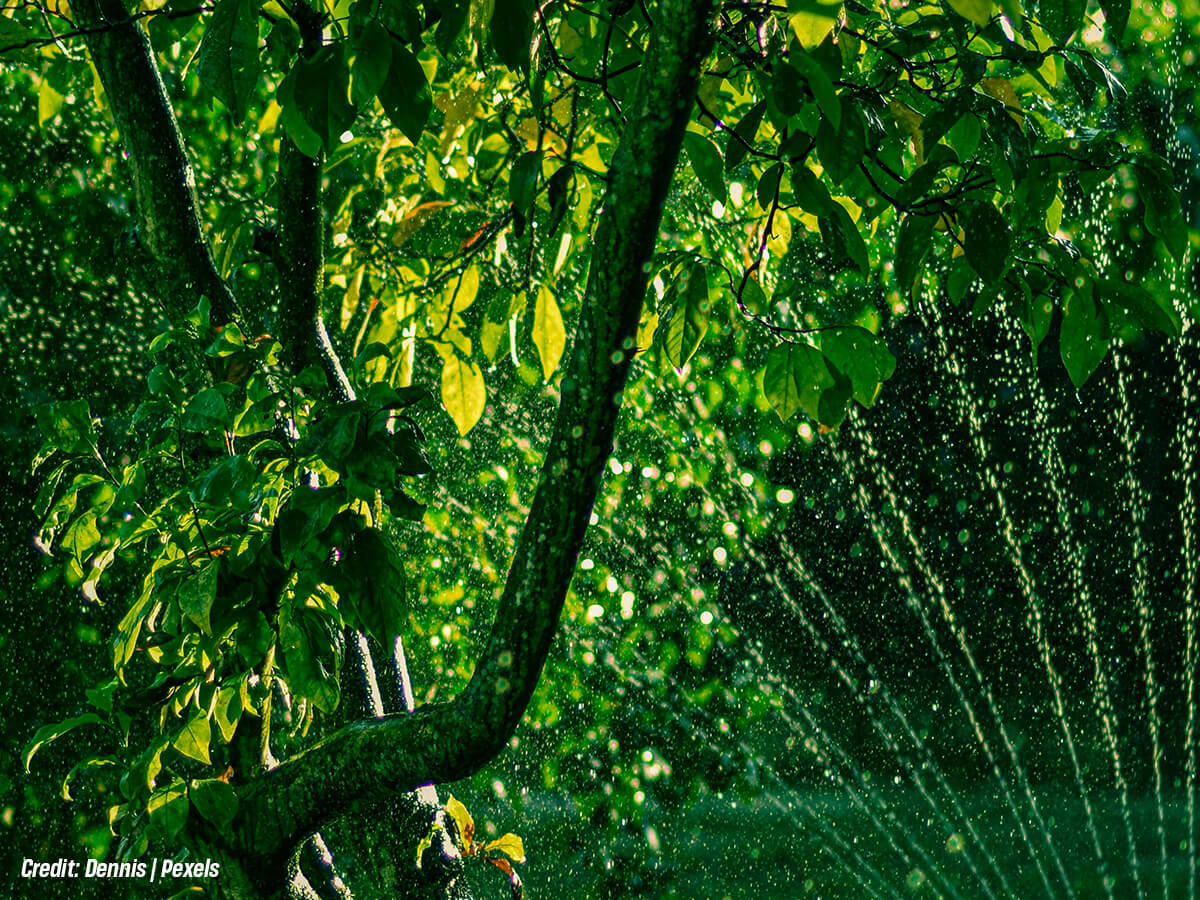
During peak summer heat, a quick spray with the hose doesn’t cut it for watering your trees. In fact, shallow watering encourages roots to remain near the soil surface, making them susceptible to drying out. Instead, deep, infrequent watering that penetrates into the soil and reaches the entire root zone offers more benefits for a tree (via encouraging the roots to grow deeper into the soil to absorb water). Using a soaker hose allows water to gradually seep into the earth, allowing the water to penetrate up to depths of thirty centimetres. The trick is to ensure the soil is saturated, allowing the tree to slowly absorb the water in the ground instead of offering a sudden flood that runs off the surface.
2. Apply a Protective Layer of Organic Mulch
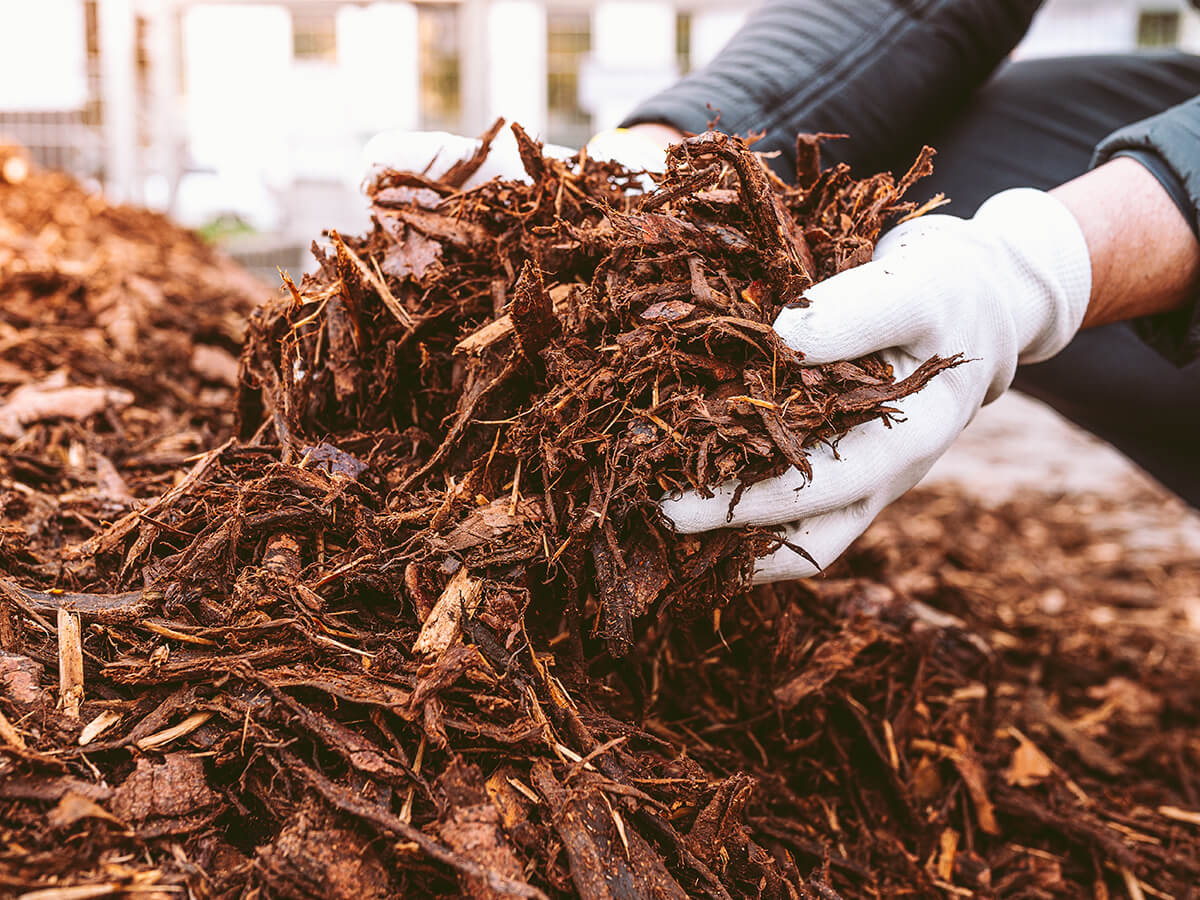
If you remembered to do your mulching in spring, it’ll pay off once summer hits. However, continuing to mulch in summer does your trees some good anyway. In this case, it serves as a protective blanket for the soil. A proper layer of organic mulch (shredded bark is a good example) drastically reduces moisture evaporation and regulates ground temperatures. Spread an even layer about five to eight centimetres thick around the base of the tree, extending toward the drip line. The common (and mistaken) method is to pile mulch directly against the trunk. This method actually increases the risk of infection and rot, given that the mulch can serve as a breeding ground for germs and pests. Instead, form the mulch into a donut shape, leaving the root flare exposed to prevent moisture-induced rot and discourage pests from moving in.
3. Postpone Major Pruning Tasks
While it might be tempting to tidy up your trees and balance out their canopies, heavy pruning is best left for less stressful weather. Knowing the ideal times to prune goes a long way to providing optimal care when your tree needs it most. A tree’s canopy provides vital shade for its own trunk and lower branches, and removing too much foliage too quickly exposes the bark to direct sunlight, which can then lead to severe sunscald. Furthermore, pruning stimulates the tree to push out new growth. This requires tremendous energy and water reserves, which are in short supply when the tree is conserving water and energy during these hot months. Unless a branch is dead or poses a safety hazard, keep the pruning shears in the shed and away from the branches.
4. Pause All Fertilizer Application
Fertilizing might seem like a way to boost a struggling tree, but applying nutrients during a heatwave is less than ideal. Fertilizers are designed to promote rapid flushes of new growth; however, when a tree produces new leaves, its demand for water skyrockets. During summer, a tree is already working overtime to hydrate its existing canopy; forcing it to support new foliage will exacerbate drought stress. Wait until cooler weather before introducing any supplemental nutrients to the surrounding soil.
5. Monitor Closely for Pests and Disease
When a tree is stressed by intense heat, its natural defence mechanisms weaken, sending out chemical signals that attract opportunistic insects. Take time to carefully inspect the bark and leaves of your trees. Look for abnormal changes in leaf colour, sticky residue, webbing, or visible insect infestations. Because a heat-stressed tree lacks the vigour to fight off these invaders naturally, early detection is critical. By catching these issues promptly, you can address them before the infestation causes irreversible damage.
6. Improve Soil Aeration and Drainage
Have you ever thought about how to improve soil conditions in your lawn? Improving the soil’s aeration is a step in the right direction. Urban trees frequently suffer from soil compaction, a condition where the earth becomes so densely packed that water cannot penetrate the surface. During summer, compacted soil means that irrigation simply runs off into the street rather than soaking down to the roots. You can help your trees by gently loosening the top layer of soil to create small channels for water to seep into the ground. This ensures that every drop of water you provide is efficiently absorbed into the ground, maximizing hydration during dry periods.
7. Provide Supplemental Shade for Young Saplings
While mature trees have expansive root systems to help regulate their temperature, newly planted saplings are extremely vulnerable to summer heat. Their root systems are not yet established enough to pull sufficient moisture from the soil, making them prone to severe dehydration. If you have recently added new trees, consider setting up temporary shade cloth during intense heatwaves. By blocking the harsh afternoon sun, you lower the transpiration rate and give the tree a chance to establish itself.
Helping your trees through the highly demanding summer season takes a few changes to your maintenance routine, but they aren’t radical ones. The heat is unforgiving, but your trees are incredibly resilient when given proper support. With these measures in place, you help safeguard your trees and look after their health. The care you provide during any dry spells has major impacts on the overall health and longevity of your trees. Adapt your watering schedules as needed, and enjoy the beautiful, cooling shade your vibrant, healthy trees provide.
Ready to enhance your property with some shade and privacy trees? Our team at Caledon Treeland is only too happy to help you find the right trees for your home. We offer a wide range of shade and privacy trees to make your home that much more comfortable, and thrive in your soil and climate. Give us a call now at (905) 880-1828 to schedule a visit to our tree farm and find the right tree for your needs.