
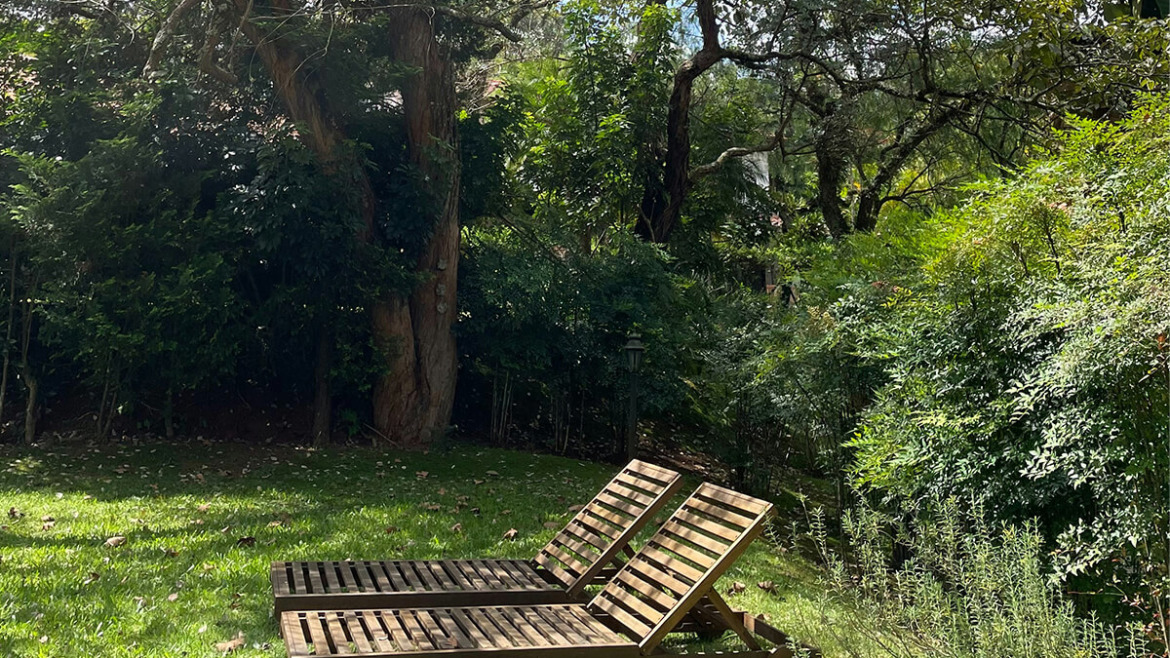
As the mercury climbs and the relentless summer sun beats down, finding respite from the heat becomes a paramount concern. In urban landscapes and suburban gardens alike, the intensity of the summer sizzle can transform outdoor spaces from havens of relaxation into unbearable hot spots. One of the most effective and aesthetically pleasing ways to combat this seasonal challenge is by cultivating a shaded oasis through the strategic planting of trees around your property. More than just decorative elements, trees offer a multitude of benefits, transforming your surroundings into a cooler, more comfortable, and environmentally friendly environment.
In this article, we’ll look into some of the various aspects of creating such a verdant retreat.
1. Understanding the Science of Shade
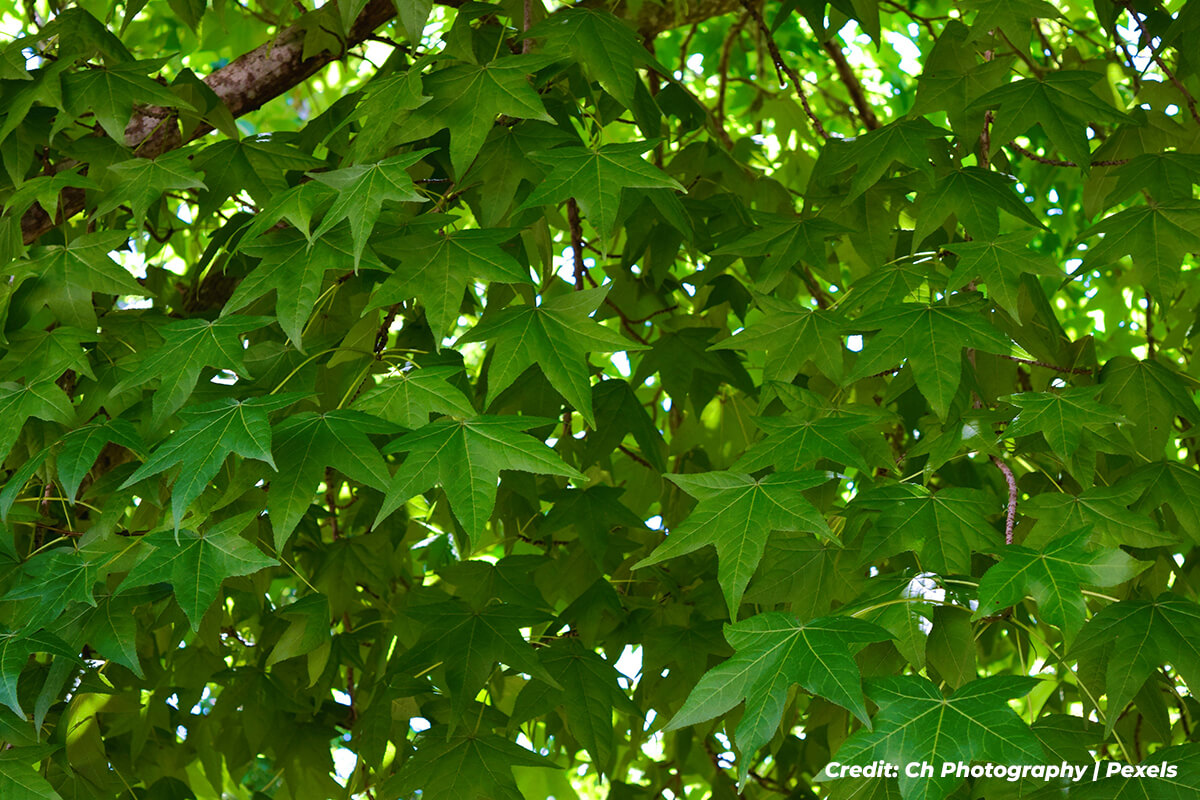
Trees provide shade by intercepting solar radiation. Their leaves act as natural barriers, absorbing and scattering sunlight before it reaches the ground. This process significantly reduces the surface temperature of the shaded area under and around a tree. The density of the foliage, the size of the canopy, and the height of the tree are all factors that contribute to the extent and intensity of the shade cast. Deciduous trees (which lose their leaves in the autumn) offer the benefit of shade during the hot summer months when it’s needed most while allowing sunlight to penetrate during the cooler winter, providing warmth and light when you need them.
2. Selecting the Right Trees for Your Climate and Space
Choosing appropriate tree species is crucial for creating an effective and sustainable shaded oasis. Consider your local climate, soil type, and the amount of space available, and do some research into different shade tree species to ensure you find one compatible with your property and area. For smaller gardens or urban settings, consider trees with a smaller mature size and non-invasive root systems. Examples include Japanese maples (Acer palmatum) with their delicate foliage and manageable size, or columnar varieties of popular trees that grow upwards rather than outwards. In larger spaces, you have more flexibility to plant trees with broader canopies, such as oak (Quercus spp.) or maple (Acer spp.), which can provide substantial shade over a wider area. Always research the mature size and growth habits of a tree before planting to ensure it will thrive in its designated location without overcrowding or causing structural issues.
3. Strategic Tree Placement for Maximum Shade
The placement of your trees is just as important as the species you select. After all, you need to plant your trees in exactly the right spot to catch the most light and enable you to enjoy maximum shade. Observe the path of the sun across your property throughout the day. Identify areas that receive the most intense afternoon sun, as this is typically when shade is most desired. Planting taller trees to the west and southwest of these areas will provide optimal afternoon shade. While you’re at it, consider planting multiple trees to create overlapping canopies, maximizing the shaded area and providing a more consistent cooling effect. Remember to factor in the mature size of the trees when determining spacing to avoid competition for sunlight, water, and nutrients in the future.
4. Enhancing Biodiversity and Ecological Benefits
Beyond providing shade, trees contribute significantly to biodiversity. They offer habitat and food sources for a variety of birds, insects, and other wildlife, creating a more vibrant and ecologically rich environment. Native tree species are particularly beneficial as they are adapted to the local ecosystem and support native fauna. By planting a diverse selection of trees, you can create a more resilient and sustainable landscape. The presence of trees also helps to improve air quality by absorbing pollutants and releasing oxygen, contributing to a healthier environment for both you and the local ecosystem.
5. Reducing Energy Consumption and Cooling Costs
The shade provided by trees can have a significant impact on your home’s energy consumption. Trees can serve as natural air conditioning, and using them for this purpose goes a long way toward reducing your need for an electric AC. By shading walls and windows from direct sunlight, trees can reduce the amount of heat absorbed by your house, leading to lower air conditioning usage during the summer months. Studies have shown that strategically placed trees can reduce cooling costs by a substantial margin. Furthermore, trees help to cool the surrounding air through evapotranspiration, a process where water evaporates from their leaves, further contributing to a more comfortable outdoor and indoor environment.
6. Creating a More Comfortable and Usable Outdoor Space
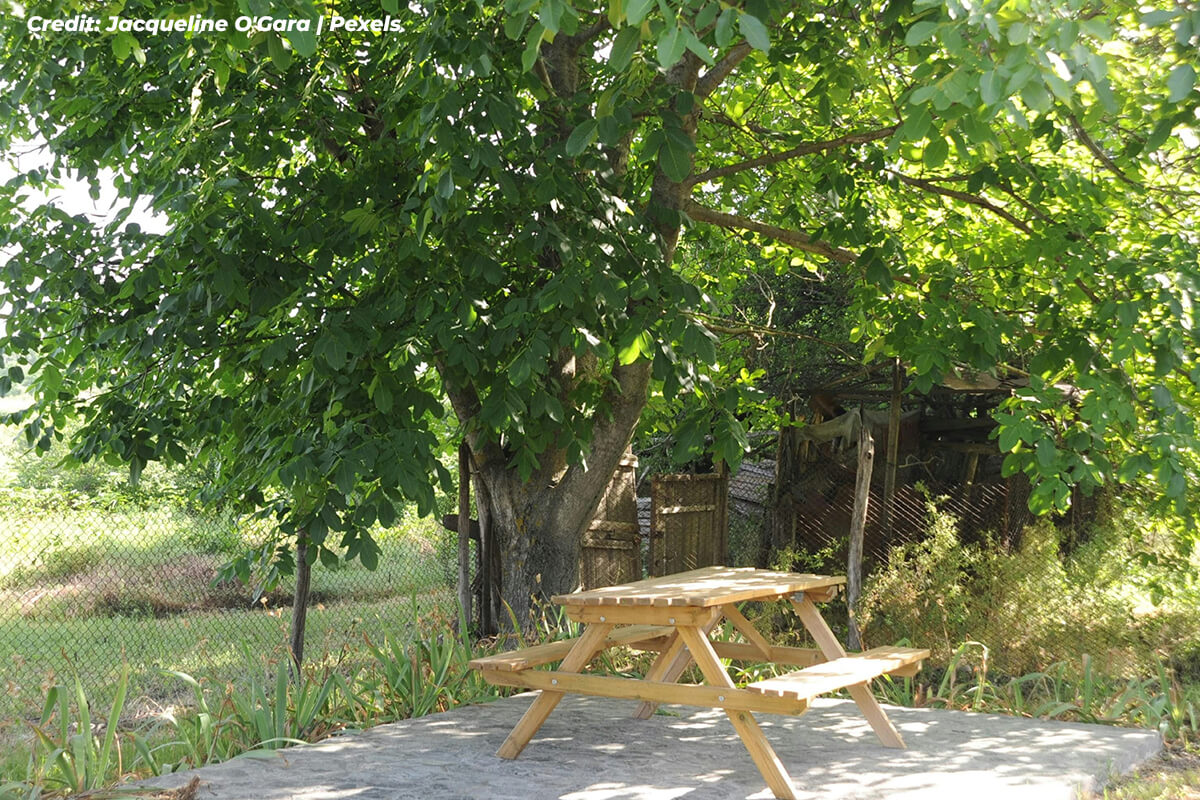
A well-designed shaded oasis transforms an otherwise sweltering outdoor area into a cool and inviting space for relaxation, recreation, and social gatherings. The dappled sunlight filtering through the leaves creates a pleasant and calming atmosphere. Imagine enjoying a meal outdoors, reading a book in the cool shade, or simply unwinding after a long day, all thanks to the natural canopy provided by your trees. This increased usability of your outdoor space enhances your quality of life and encourages you to spend more time connecting with nature.
7. Improving Aesthetics and Property Value
Trees add significant aesthetic value to any landscape. Their varied shapes, sizes, and foliage create visual interest and enhance the overall beauty of your property. A well-landscaped yard with mature, healthy trees can significantly increase property value. The presence of a shaded oasis not only makes your property more appealing but also suggests a well-maintained and thoughtfully designed outdoor living space.
8. Long-Term Investment and Sustainability
Planting trees is a long-term investment in your property and the environment. While it may take several years for young trees to mature and provide substantial shade, the benefits they offer will continue to grow over time. Trees are a sustainable solution for cooling your surroundings, reducing energy consumption, and enhancing biodiversity. Unlike artificial shading structures, trees are a living, breathing part of the ecosystem, providing numerous benefits for generations to come.
9. Considerations for Planting and Maintenance
While the rewards of a shaded oasis are plentiful, it’s important to consider the practical aspects of planting and maintaining trees. Proper planting techniques are essential for ensuring the long-term health and survival of your trees. This includes digging an appropriately sized hole, handling the root ball carefully, and providing adequate initial watering. Regular maintenance, such as pruning dead or diseased branches, mulching to retain moisture, and providing supplemental watering during dry periods, will help your trees thrive and continue to provide shade for years to come.
10. Incorporating Other Shade-Enhancing Elements
While trees are the cornerstone of a shaded oasis, you can further enhance their cooling effects by incorporating other elements. Permeable paving materials can reduce heat absorption compared to traditional asphalt or concrete. Water features, such as ponds or fountains, can create a cooling microclimate through evaporation. Shade-tolerant groundcovers and shrubs planted beneath the trees can further reduce reflected heat and create a more layered and visually appealing landscape.
11. Planning for the Future Growth of Your Trees
When selecting and planting trees, it’s crucial to consider their mature size and growth habits. Always take into account that the tree you’re planting may well grow beyond the immediate vicinity you planted it in. Keep that in mind and avoid planting trees too close to buildings, power lines, or other structures to prevent potential damage in the future. Research the root systems of the trees you choose to ensure they won’t interfere with any underground utilities or foundations. Keep in mind that the right trees can increase your property value, but the wrong ones might compromise it. Planning for the future growth of your trees will ensure a sustainable and trouble-free shaded oasis for years to come.
12. Embracing the Natural Cycle and Seasonal Changes
Deciduous trees, in particular, offer a unique benefit by providing shade in the summer and allowing sunlight through in the winter. This natural cycle helps to regulate temperatures year-round, keeping your outdoor spaces cooler in the summer and warmer in the winter. Embrace the seasonal changes and appreciate the dynamic nature of your shaded oasis as the trees evolve throughout the year, offering different textures, colours, and levels of shade.
—
Creating a shaded oasis with trees is a rewarding endeavour that offers numerous benefits, from escaping the summer sizzle and reducing energy consumption to enhancing biodiversity and increasing property value. By carefully selecting the right trees, strategically placing them, and providing proper care, you can transform your outdoor spaces into cool, comfortable, and environmentally friendly retreats that you can enjoy for years to come. Embrace the power of nature and create your own verdant sanctuary.
When you’re looking for a reliable provider for shade and privacy trees, look no further than Caledon Treeland. We provide a wide-range of high-quality trees and shrubs to give you what you need to make your home more appealing, comfortable, and private. When you need some trees to keep the outside world out, you know who to call now. Give us a call now at (905) 880-1828 and make an appointment to visit our tree farm. Take a look around to find the right trees to give you the privacy you deserve!