
As the frost recedes and the first hints of green emerge from the thawing soil, it’s tempting for the gardeners among us to rush to work right away; planting some new growths or getting the spring pruning done early don’t do themselves, after all. However, the most critical work for setting your garden up for a cool summer actually happens beneath the surface early in spring. There’s a symbiotic relationship between this spring prep and that lush summer shade; the key to a vibrant, leafy canopy to shield you from the hot summer sun is found in strong root systems you’ve cultivated in spring.
There are two keys to growing a more resilient garden that thrives during heatwaves: mulching and hydration. While these might sound like basic maintenance tasks, there’s no understating the impact they have on the physiological health of your trees. By securing the ground environment early in the season, you ensure that your outdoor living spaces remain several degrees cooler when the humidity peaks. Here are ten reasons why spring mulching and hydration are the ultimate keys to achieving deep, refreshing summer shade.
1. The Foundation of Thermal Regulation
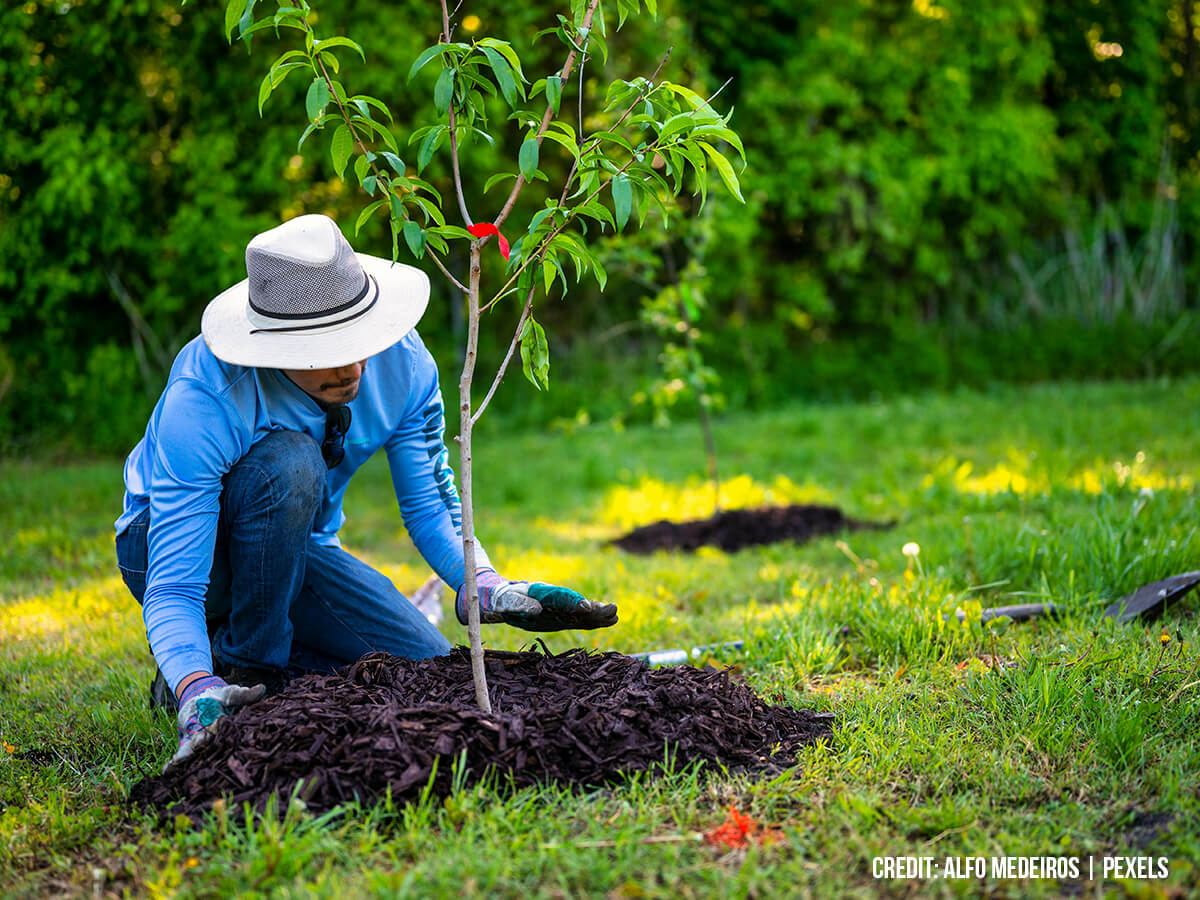
Think of mulch as something of a natural thermal blanket for your tree’s roots. Knowing how to mulch properly, however, is part and parcel of providing the appropriate care for your trees. In the spring, the soil begins to warm, and this warmth triggers root activity. By applying a thick layer of organic mulch (such as shredded bark or arbourist wood chips) you create a buffer that prevents the soil from heating up too quickly. Consistent soil temperatures are what allow roots to expand without needing to worry about fluctuations in temperature. This steady growth leads to a more robust vascular system in plants, which is necessary for pushing water up to the highest leaves of a shade tree.
2. Preventing Evaporative Loss
The spring sun can be surprisingly deceptive. While the air may feel cool, the direct rays quickly pull moisture from the top several centimetres of soil. Hydrating the ground thoroughly in the spring, followed immediately by mulching, serves to lock that moisture in place. Without this barrier, the water you provide during the hot months of summer might well evaporate before it ever reaches the deep root zone. A well-mulched garden retains a reservoir of “stored” spring rain that plants can tap into when the June sky turns dry.
3. Enhancing Leaf Surface Area
Shade is a direct result of leaf density. For a tree to produce the thick canopy you need for that level of shade, it requires a significant amount of nitrogen and water during its primary growth flush in late spring. If a tree is dehydrated during this window, it may produce smaller leaves or fewer of them to conserve energy. By ensuring deep hydration and nutrient-rich mulch in the spring, you provide the building blocks for larger, thicker foliage. The larger the leaves, the more sunlight they intercept, and the deeper the shade becomes beneath them.
4. Weed Suppression and Resource Competition
Weeds aren’t just an aesthetic nuisance; they’re competitors for water and aggressive ones at that. In an unmulched garden, opportunistic weeds germinate rapidly in the spring, and once grown they steal the water meant for your shade-giving shrubs and trees. Applying a 5 to 10-centimetre layer of mulch suffocates these interlopers before they can establish themselves. This ensures that every drop of spring rain and your watering sessions goes directly to the plants responsible for your summer comfort.
5. Encouraging Deep Root Penetration
Plants are remarkably adaptive. However, as a consequence if they only receive light, frequent sprinkles of water on the surface, they develop shallow root systems as a consequence. These shallow roots are the first to cook when the summer pavement starts radiating heat. By understanding when and how to water properly, and practicing deep watering in the spring (in which you soak the ground thoroughly to ensure the water penetrates deep underground) you encourage roots to dive deep into the cooler subsoil. Mulch then keeps that deep soil moist, allowing the plant to access a stable water source far below the parched surface.
6. Soil Structure and Aeration
Over time, organic mulch breaks down, contributing to the “tilth” or structure of the soil. In the spring, as snowmelt and rain saturate the ground, heavy clay soils can become compacted. Mulch prevents the surface from crusting over, which allows oxygen to reach the roots. A well-oxygenated root system is far more efficient at absorbing water. This structural improvement ensures that when the heat of summer arrives, the soil remains porous enough to allow any summer rain to penetrate deeply rather than simply running off the surface.

7. The Cooling Effect of Transpiration
Shade doesn’t just block excess light from reaching you; it also contributes to keeping the tree’s surroundings cool via transpiration. A shade tree can heavily contribute to keeping your home cool and energy costs low, so long as you understand how to take advantage of it. To begin, it helps to understand how the cooling process works. Plants “sweat” by releasing water vapour through tiny pores in their leaves called stomata. This process can significantly lower the ambient temperature in a garden and keep your outdoor spaces more comfortably cool. However, a plant will close its stomata to prevent dehydration if it senses a water shortage. By hydrating heavily in the spring and mulching to preserve that water, you ensure the plant has enough excess moisture to sweat and keep transpiring throughout the hottest summer afternoons.
8. Protecting the Microscopic Ecosystem
The health of your shade canopy is tied to the billions of microbes and fungi living in the soil. These organisms break down nutrients and form symbiotic relationships with roots. These microbes are highly sensitive to heat and desiccation; therefore, a bare patch of soil in the summer can reach temperatures that are lethal to beneficial soil life. Spring mulching provides a protected habitat where these organisms can thrive year-round, maintaining the soil fertility required for vigorous leaf production.
9. Preventing Soil Erosion
Spring in many parts of Canada is characterized by heavy, sudden downpours. Without a protective layer of mulch, these rains can wash away the nutrient-rich topsoil, which exposes these delicate surface roots to the air and sun. This exposure causes root scald, which can lead to premature leaf drop in mid-summer (exactly when you need the shade the most). Mulch breaks the impact of falling rain and allows it to seep gently into the ground, protecting the structural integrity of the plant’s foundation. Knowing how to counter soil erosion in general also goes a long way toward keeping your environment healthy.
10. Long-Term Resilience to Heat Stress
Finally, spring mulching and hydration build a buffer of health. A plant that enters the summer in a state of peak hydration and nutritional balance is far less likely to suffer from scorched leaf margins or “wilt.” When a tree is stressed, it may drop its leaves early to survive, leaving your patio exposed to the harsh sun. Investing time in the spring ensures that the canopy remains intact until the first frosts, providing a consistent and reliable sanctuary from the heat.
Spring maintenance isn’t just for helping your trees recover after winter, it’s also a prudent method of turning your home’s external spaces into a self-sustaining cooling system. The simple act of spreading mulch and ensuring deep hydration creates a ripple effect of benefits that culminate in a lush, green, and wonderfully shady retreat to keep you cool when the weather shifts in a few months.
Ready to make your home a little cooler and more comfortable? Then give Caledon Treeland a call today to secure quality shade trees for your landscape. We offer a wide range of trees to match a range of soil types and environments, all in the name of making sure you have a cooler, more comfortable home. Give us a call at (905) 880-1828 now and give our tree farm a visit to find the right tree for your home and needs.