There’s no denying your home’s trees are an appealing, eye-catching element, but they do far more than simply look nice and boost your landscape’s look. They’re also great for improving your quality of life, in the form of providing cooling shade during hot afternoons, serving as windbreaks against biting winter winds, and offering a sense of permanence even as the landscape changes with the seasons. However, because trees live on such a different timescale than we do, it’s all too easy to miss the subtle signals that indicate distress. Unlike people or animals, tree diseases don’t have easily identifiable symptoms like fevers or coughs; instead, a tree communicates through changes in colour, texture, and growth patterns. Part of providing responsible care for your trees involves understanding these signs, all for the sake of maintaining property safety and landscape value.
Diagnosing tree health is much like detective work. It requires observation, patience, and a systematic approach as you rule out the impossible and deduce your way to the problem. If you are concerned about a beloved tree on your property, the following guide outlines the steps to identify the problem and initiate recovery.
1. Inspecting the Leaves and Needles
The canopy is the engine room of the tree. Since foliage is responsible for photosynthesis, any interruption in nutrient or water uptake tends to manifest here first. Looking up is a prudent place to start your investigation. It also helps to educate yourself on signs of common tree diseases to equip yourself to identify what disease, if any, your tree may develop.
One of the most common signs of illness is discoloration. In deciduous trees, look for chlorosis ( this is a state where leaves turn yellow while the veins remain green). This symptom is often an indicator of a nutrient deficiency (such as a lack of iron or manganese) frequently caused by soil pH issues rather than a lack of the nutrient itself. Necrosis (which is the browning and death of leaf tissue) is a more severe symptom. If the edges of the leaves look scorched or crispy, it often points to drought stress or root damage.
Compare the size and density of the leaves to that of previous years. A thinning canopy (where you can see more sky through the branches than usual) suggests the tree is under chronic stress. Premature leaf drop (losing leaves in August rather than October, for example) is a definitive cry for help. For coniferous trees, look for needle tip browning or a general dulling of the green colour. While pines naturally shed old inner needles, shedding at the tips of branches is a sign of disease or pest infestation.
2. Examining the Trunk and Bark
The trunk provides structural support and acts as the highway for nutrients. While rough bark is normal for many species, certain anomalies indicate deeper trouble.
Scan the trunk for cankers. These are localized dead areas on the bark, often appearing as sunken, discoloured patches or open wounds that may ooze sap. Cankers are usually caused by fungal or bacterial pathogens that have entered through an injury. If a canker encompasses more than half the circumference of the trunk, the tree’s structural integrity is likely compromised.
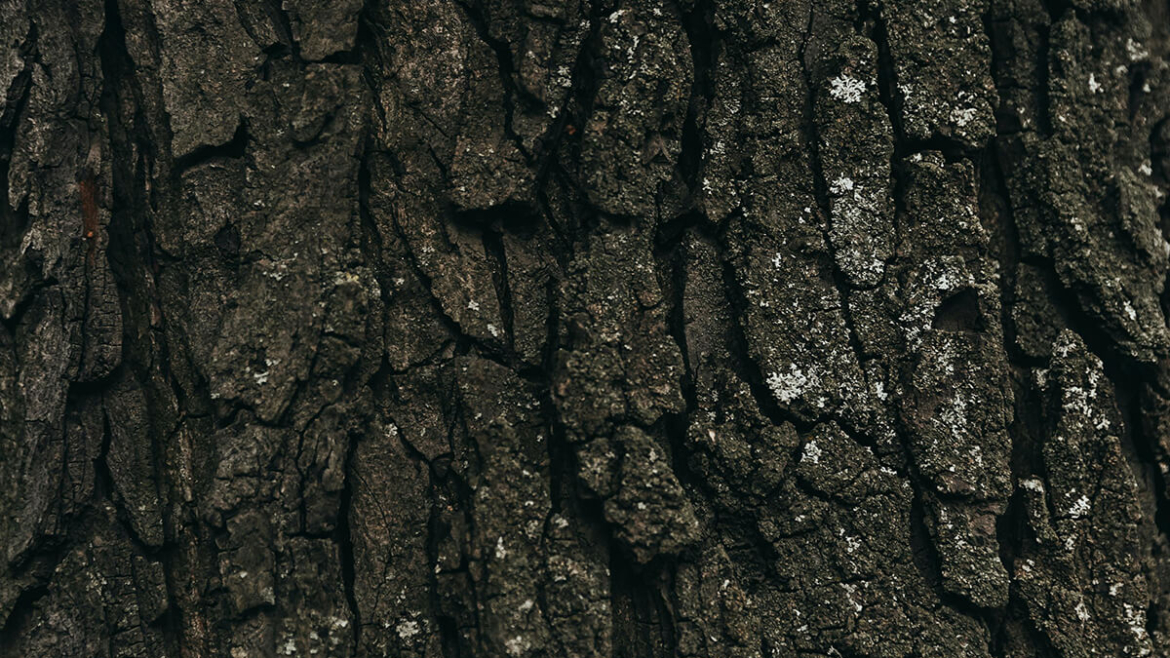
In the Canadian climate, frost cracks are a frequent occurrence. These are long, vertical fissures that appear on the south or southwest side of the tree. They are the result of the rapid expansion and contraction of wood during freeze-thaw cycles. While trees can often seal these wounds over time, they can still provide an entry point for decay. Additionally, look for peeling bark. While species like birch naturally exfoliate, bark falling off in chunks to reveal smooth wood or fungal mats underneath suggests the tree is dying or dead.

3. Investigating the Root Zone
It can be easy to forget that a significant portion of the tree lives underground. The root flare (i.e. the area where the trunk widens and enters the soil) should always be visible; it’s a common planting mistake for many homeowners to install their trees too low during planting. If the tree looks like a telephone pole stuck in the ground, it may be planted too deeply or covered with excessive mulch, which may lead to trunk rot.
Look for fungal fruiting bodies, often called conks or bracket fungi, growing at the base of the tree or on the surface roots. These mushrooms are not merely growing on the tree; they are growing from the tree, digesting the wood inside as they do. The presence of these fungi often indicates advanced internal decay and root rot, meaning the tree could be unstable.
You should also check for girdling roots. These are roots that grow in a circle around the trunk rather than spreading outward, eventually strangling the tree and cutting off the flow of water and nutrients. This is common in trees that were kept in containers too long before planting.
4. Identifying Pest Infestations
Insects are a natural part of the ecosystem, but an infestation can overwhelm a stressed tree. You don’t always need to see the bugs yourself to know they’re there; given the right evidence, you can start taking steps to protect your trees from some of the common pest threats.
Look for frass (it’s a substance that resembles sawdust) around the base of the tree or in bark crevices. This is the refuse left behind by boring insects. Exit holes in the bark are another tell-tale sign. For example, D-shaped holes are characteristic of the Emerald Ash Borer, a devastating pest in many parts of Canada.
On the foliage, look for stippling (tiny yellow spots) caused by mites, or sticky “honeydew” residue on leaves and surfaces under the tree, which indicates aphids or scale insects feeding on sap. Tent caterpillars and webworms create visible silken nests in the branches, which can lead to rapid defoliation if not managed.
5. Recognizing Abiotic Stressors
Not all tree sickness is biological. Abiotic disorders (problems caused by non-living environmental factors) are incredibly common in residential settings.
Soil compaction is a silent killer. High-traffic areas where cars are parked or children frequently play can compress the soil, removing the air pockets the roots need to breathe. This can lead to dieback in the crown.
Road salt is another major issue. Trees near driveways or roadways often suffer from salt spray damage, appearing as “witches’ brooms” (dense clusters of twigs) or browning on the side facing the road. Furthermore, changes in the water table, either through drought or excessive irrigation/poor drainage, can suffocate roots. A tree sitting in waterlogged soil will exhibit symptoms almost identical to a tree suffering from drought, as the roots cannot uptake oxygen.
6. Implementing Treatment and Care
Once you have a hypothesis about the issue, you can consider treatment. Not every ailment requires chemical intervention; often, cultural changes are most effective.
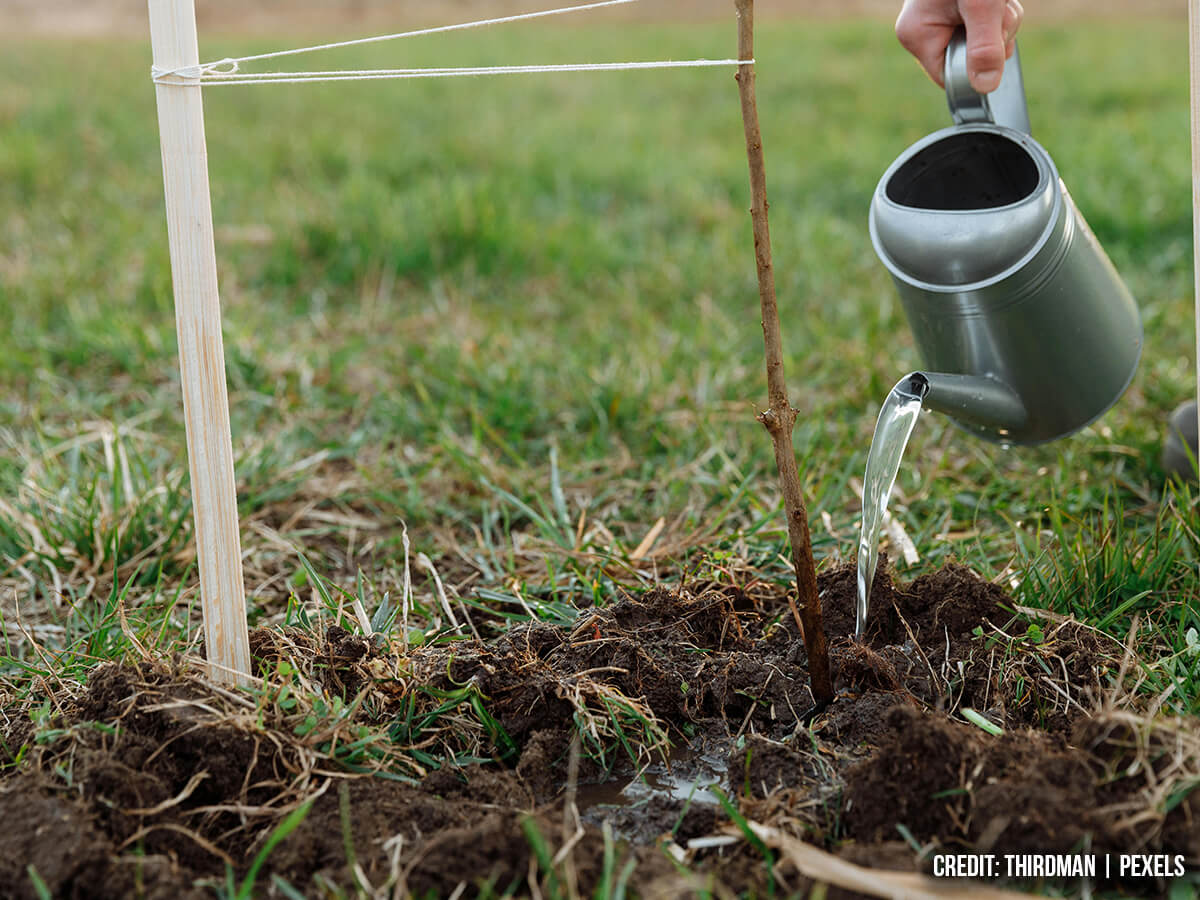
Watering: Deep, infrequent watering is superior to daily sprinkling. You want to encourage roots to grow deep. During dry spells, place a hose at the drip line (the outer edge of the branches) and let it trickle for 30 to 60 minutes.
Mulching: Apply a layer of organic mulch, such as wood chips, 5 to 10 centimetres deep around the base. This retains moisture and regulates soil temperature. Crucially, ensure the mulch does not touch the trunk (the “volcano” effect), as this promotes rot.
Soil Amendment: If testing reveals a nutrient deficiency or compaction, aerating the soil (punching holes to allow air in) and applying a slow-release fertilizer can boost the tree’s immune system.
Sanitation: Rake up and dispose of diseased leaves in the fall to prevent fungal spores from overwintering and reinfecting the tree in the spring.
7. Knowing When to Call a Professional
While a homeowner’s usual duties include regular tree maintenance, you are equipped to handle some minor issues on your own; that said, there are limits to DIY tree care. Tree work can be dangerous, involving heights and heavy wood.
If you identify large dead branches (widowmakers) high in the canopy, deep cracks in the main trunk, or significant lean, then it’s more prudent to contact a certified arborist. Arborists have the training to assess structural risks, and address them with specialized tools. They can also administer treatments that require a pesticide license, such as trunk injections for certain vascular diseases.
Monitoring your trees for early warning signs (from discoloured leaves to peeling bark) isn’t just maintaining basic vigilance, it’s also an effective step that goes a long way toward ensuring their longevity. Often, simple adjustments like proper watering or mulching can restore a tree’s vitality. However, when structural integrity is compromised, then it’s very likely time to consult a certified arborist. Proactive care is very often your best bet for safeguarding your property and preserving your beautiful landscape.
The right tree can make all the difference toward revitalizing your landscape. At Caledon Treeland, we pride ourselves on offering a wide range of premium selection of mature shade and privacy trees. Our trees are designed to make your home comfortable and improve your quality of life. Give us a call now at (905) 880-1828 today to schedule a visit to our tree farm and find the right tree for your home.