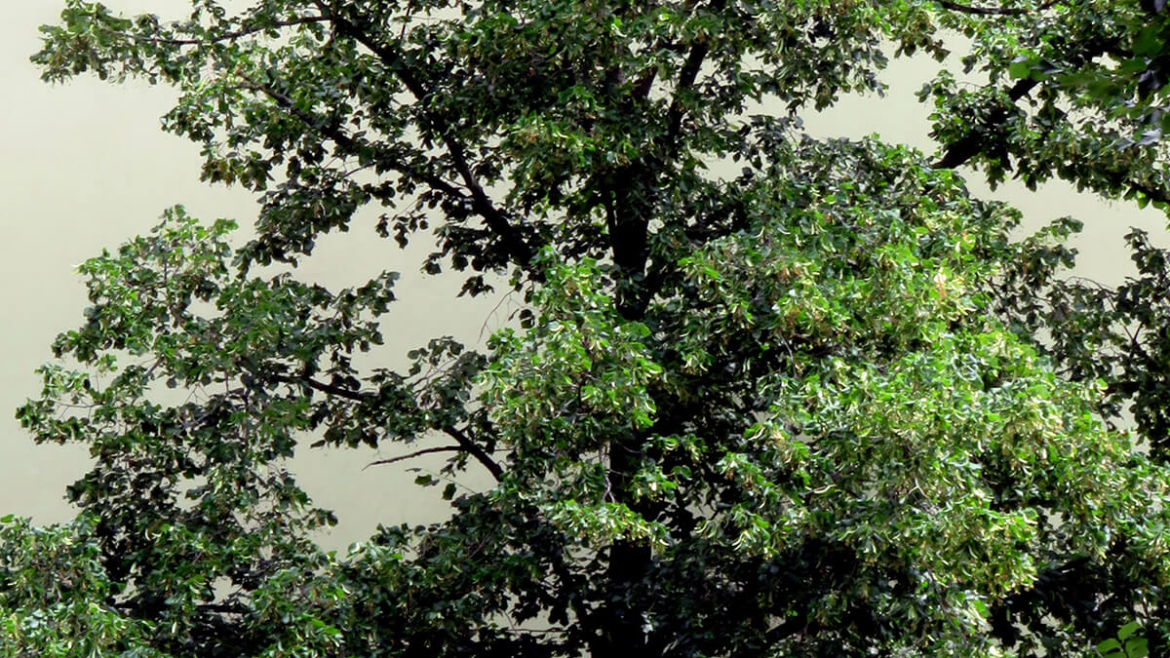
A flooded basement is always a serious problem for any homeowner. Water damage is a serious problem, and when it floods the deepest part of the house, getting it out can be quite the challenge. When it comes to preventing such a problem in the first place, it helps to understand how that water gets inside. As a rule, water has to first pool against the wall, find a crack or a gap in the weeping tile, and work its way inside. The simplest solution is to go right for sump pumps and membranes, but did you know your trees already on your property do their share of drainage work for the house every day? When managed well, your trees can do much to drain moisture away from your foundation and keep it out of the basement.
Here’s a list of questions to ask to help your trees do their part to keep the house dry.
1. Can Tree Roots Draw Excess Water out of the Soil?
A tree’s roots are vital, enough that proper root care is essential to a tree’s health. Those same rooms are themselves essential to minimizing flooding around the house. The same process that lets a tree absorb water from the ground also enables it to draw in excess water when it rains. This drainage work is particularly noticeable during the growing season. A mature tree keeps the surrounding soil noticeably drier than bare ground, which also means less water sitting against your foundation wall after a heavy rain that might otherwise leak into the basement.
2. Does a Healthy Canopy Catch Rain before It Reaches the Ground?
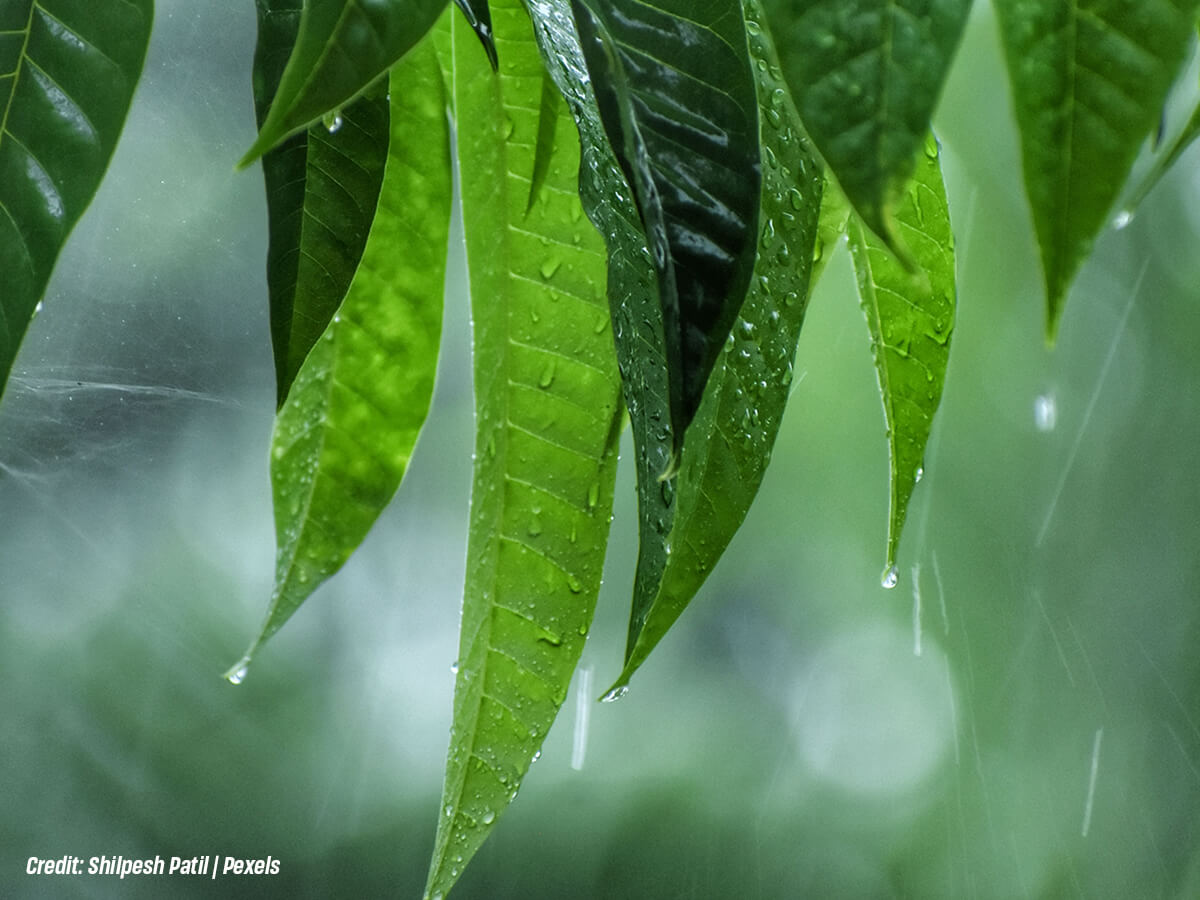
A full canopy isn’t just good for maximizing how much sunlight a tree absorbs. That thick layer of leaves and branches also provides more area to absorb incoming rainfall when it rains. Apart from keeping the water from falling to earth, much of that water the canopy catches evaporates before reaching the soil, leaving the rest to drip down slowly rather than arriving all at once. This increased time to reach the ground then gives your lot time to absorb the water instead of shedding it toward the house.
3. Can Roots Improve How Quickly Your Soil Absorbs Water?
As the roots grow, they open channels through compacted soil. However, even when roots have decayed, those channels remain, allowing the soil to:
- take in water faster when it rains
- hold less standing water at the surface by letting the moisture seep through
- drain more evenly across the yard and preventing overflow into the house
4. Do Trees Help Hold Graded Soil in Place?
Your lot has been graded to slope away from the foundation, enabling water to flow away in case of rain. However, erosion slowly flattens that slope and makes it less effective at channeling water away. Roots bind soil on slopes and swales, which keeps the grade intact so runoff keeps travelling away from the house instead of collecting.
5. Can Trees Slow Runoff Moving toward Your House?
Trees and the planting beds around them act as speed bumps for surface water. Slow water soaks in. Fast water finds the path of least resistance, which is very often the seam between your foundation wall and the backfilled soil beside it.
6. Does Planting Distance Matter?
The distance between your trees and your house always matters; planting your trees properly is essential for proper shade and drainage alike. Plant too close, and roots compete with your foundation, walkways and drainage lines. Plant far, and the tree does little for the soil near the house. As a general guide:
- keep large species a good distance beyond their mature canopy width
- give small ornamentals enough room to reach their full spread
- have an arborist confirm setbacks for your soil type and drainage
7. Can Species Selection Change How Much Water a Tree Handles?
Some tree species are tolerant of heavy rains and wet conditions, and can therefore be prudent choices to help you control water around the property. If your area is prone to heavy rains and flooding, it’s a good idea to make yourself aware of those species to keep flooding under control.
8. Does Mulch under Your Trees Help Manage Moisture?
A layer of wood mulch over the root zone does much to protect soil structure, prevents surface crusting and helps rainfall soak in instead of running off. As a rule, keep that mulch pulled back from the trunk to prevent the trunks from rotting, and keep planting beds a sensible distance from the foundation wall.
9. Can Overhanging Limbs Affect Your Eavestroughs?
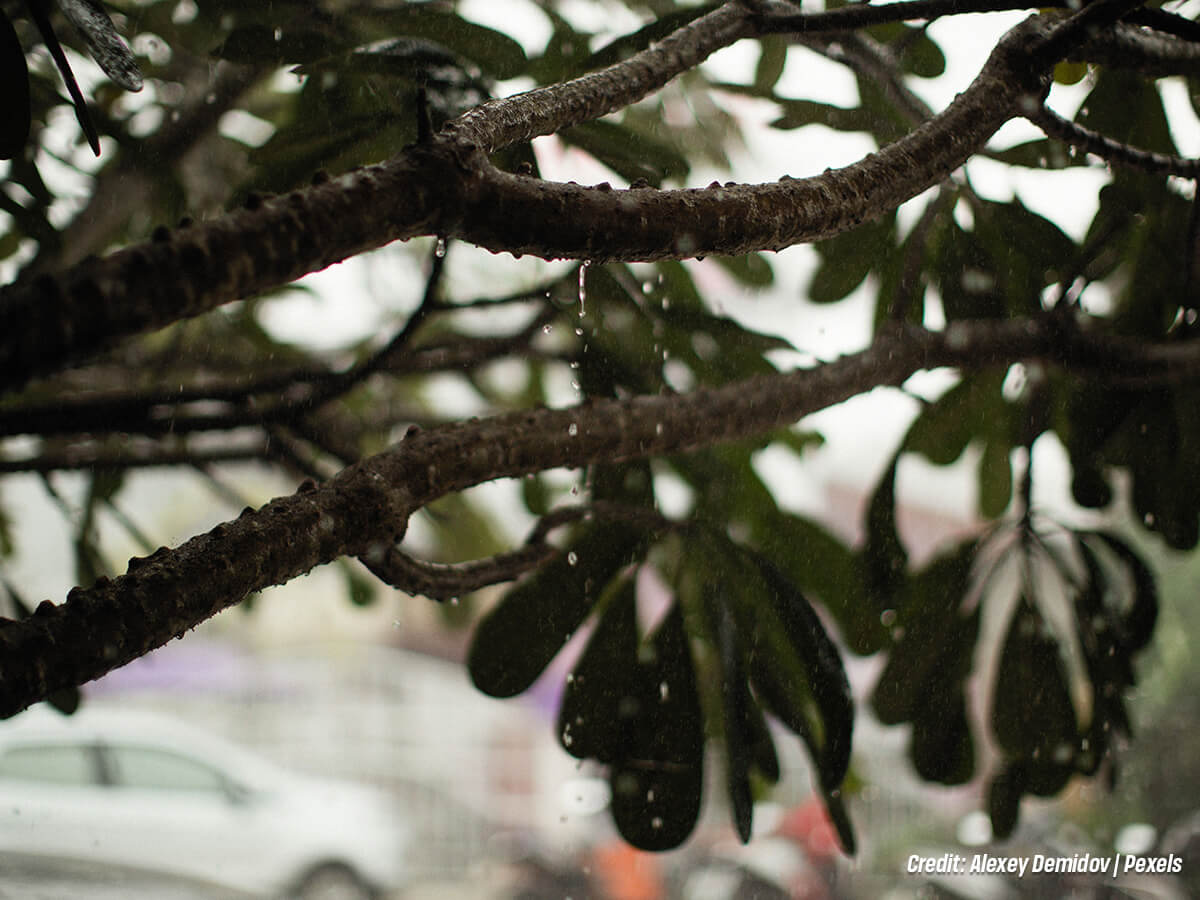
Limbs hanging over the roof are in a good position to drop leaves, seeds and twigs straight into your eavestroughs. Once those clog, water spills over the edge and lands in a concentrated stream at the base of your wall, a condition that’s exactly what your drainage was designed to prevent. Routine pruning keeps the debris load down and enables the eavestroughs to do their jobs.
10. Does a Declining Tree Put Your Foundation at Risk?
When a tree dies, it’s always vital to deal with it to avoid infecting other trees on your property and fall hazards if the limbs weaken. However, there are also water-related reasons for removing a dead tree. A dead tree stops draining water, its roots decay, and the soil those roots once held begins to settle and shift. Watch for thinning foliage, dead limbs, mushrooms at the base and any new lean to give yourself ample warning if a tree has died. Treatment or removal protects your drainage as much as it protects the tree.
Your trees come with a plethora of benefits, and not just for your curb appeal. The trees around the house are a vital part of your home’s water management system, and that applies even if you haven’t considered or used your trees in this manner. Healthy, well-placed, well-maintained trees are as much a boon for your drainage management as for your curb appeal or comfort at home. In the case of water management, your trees do a great job of pulling moisture away from your foundation year after year keeping that water away from the house and out of your basement. .
When you need trees around the house to help improve your quality of life at home, Caledon Treeland is here to help. We carry a wide range of shade and privacy trees to keep your home shaded and private, in addition to boosting your curb appeal. Give us a call now at (905) 880-1828 and visit our tree farm to find the right specimen for your soil.
Frequently Asked Questions
1. Will Tree Roots Crack My Foundation?
Roots follow existing moisture and openings rather than forcing their way through sound concrete. In most cases, the crack or failing joint was already there, and the roots simply found it. A structural assessment will tell you which came first.
2. How Close Can I Plant a Tree to the House?
It depends on the mature size of the species and on your soil. Choose the species first, then set the distance from its expected canopy spread and root zone.
3. Can a Tree Make a Wet Basement Worse?
It can, if it is planted where it blocks drainage, drops debris into the eavestroughs, or dies and leaves settling soil behind. Proper placement and regular maintenance decide whether a tree helps or hurts your drainage.
4. Should I Remove a Tree Because My Basement Leaks?
Rarely as a first step. Grading, eavestroughs and weeping tile are the usual culprits. Have those inspected before removing a healthy tree that is actively drying the soil around your foundation.
5. Do Trees Replace Proper Drainage?
No. Trees support a drainage system that already works and cannot handle the task all on their own.