Who doesn’t want to keep the energy bills low and cut any unnecessary spending to that end? For many homeowners, the obvious solutions for lower energy bills means looking into insulation, windows, and furnace upgrades, all of which can prevent climbing energy bills. However, the trees on your property deserve a spot on that list too; careful planting and placement of your trees can go a long way to minimizing your energy costs and making your home a little more comfortable all year round. Shade trees are a prudent investment, and with some preparation before planting, they can prove a boon to your energy costs as well. Well-placed trees shade your home in summer, block cold winds in winter, and therefore change how your house handles heat all year.
Here are six ways your trees can help keep your monthly costs under control.
1. Shading Your Home in Summer
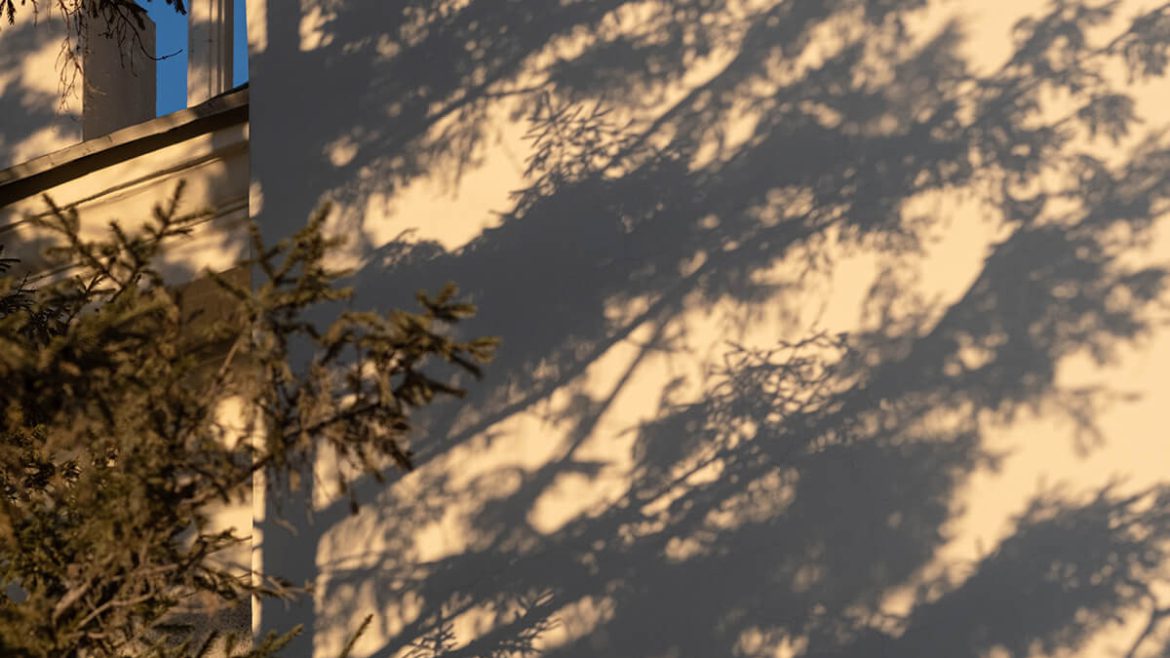
Who doesn’t enjoy a little shade when it’s bright out? Your home trees don’t just offer some refreshing shade for people, though. Sunlight striking your roof, walls, and windows is a major reason indoor temperatures rise in summer. However, trees located on the east and west sides of your home can block much of that direct sun before it can heat up your house. The less heat coming in means your air conditioner runs less often and works less hard.
2. Blocking Winter Winds
The same trees that offer shade in summer can also work as windbreaks in winter. Cold winter winds pull heat away from your home, and can push chilly air through small gaps around doors, windows, and siding. Planting a row of trees (specifically dense evergreens) along the edges of your property can catch and absorb those winds before they hit your house. Reducing the wind hitting your house means your furnace can maintain a warm and comfortable temperature inside at a lower setting that won’t tax it as heavily.
3. Letting Winter Sun Through
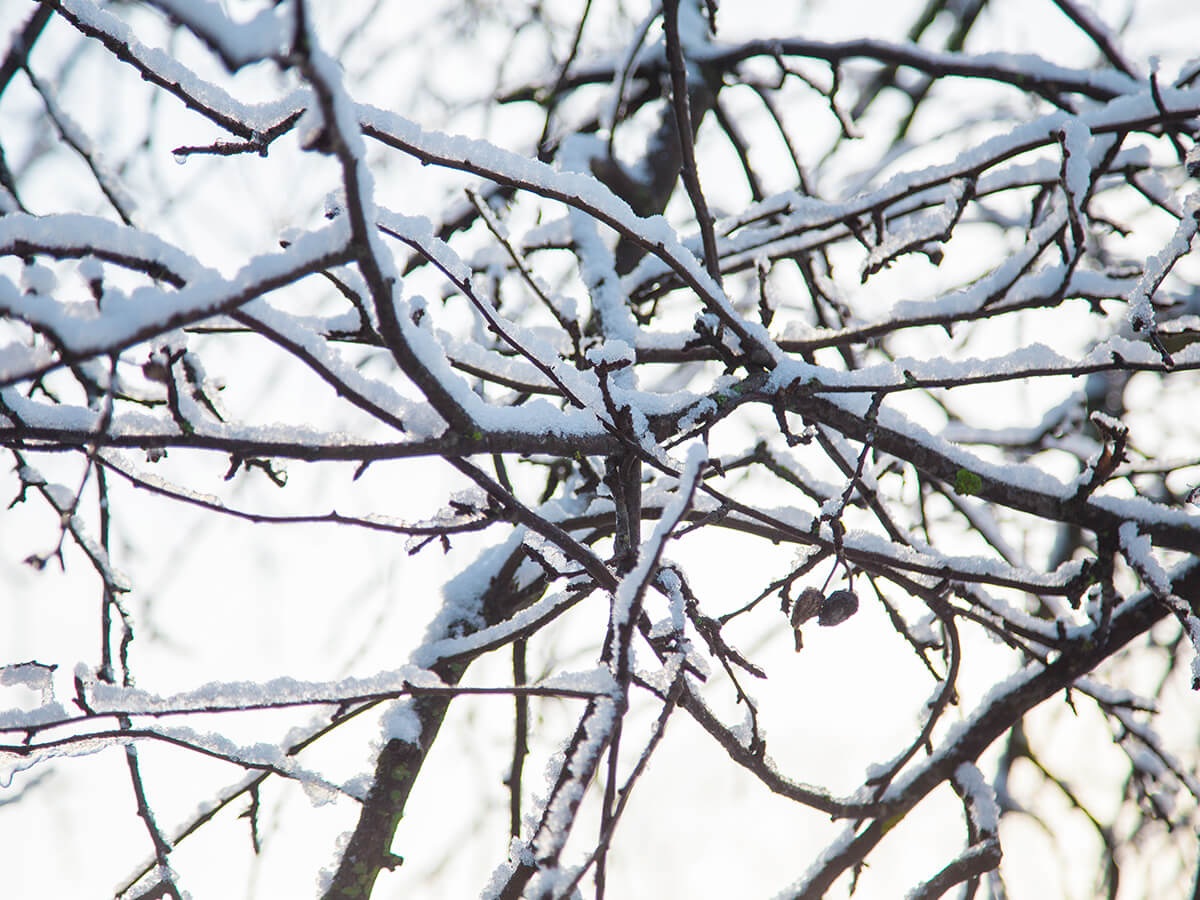
Your shade trees can do the opposite job in winter and keep your home warm if you take full advantage of their seasonal shifts. Deciduous tree species such as maples and lindens drop their leaves in the fall. Once your trees are bare, this opens the way for the low winter sun to reach your windows and let the light and heat in for a change. That sunlight doesn’t just provide natural heating; the light can offer some natural light (which is just one way of countering the winter doldrums and looking after your mental health). With some prudent manoeuvering, your trees can provide shade when you need it in summer and natural solar heat when you need it in winter.
4. Helping Your Air Conditioner
An outdoor air conditioning unit that sits in full sun has to work harder to release heat. Any shade from nearby trees or large shrubbery shelters the unit from the sun, keeping the air around it cooler. This shade and cooling goes a long way to helping the unit operate and maintain a comfortable temperature indoors more efficiently. As a rule, leave enough open space around the unit for proper airflow, usually around 60 centimetres, and check your manufacturer’s guidelines for exact clearance. Falling leaves and debris can also clog the unit, so keep branches trimmed back.
5. Cooling the Surrounding Air
Trees also make their surroundings cooler and more comfortable in addition to shading the area around them. Trees release water vapour through their leaves in a process called evapotranspiration, which naturally cools the surrounding air. This natural cooling process is one of the primary reasons why trees are such an effective answer to the urban heat island effect. Cooler air around your home means less heat building up against your walls and roof, and over a full summer, that difference can take some pressure off your cooling system.
6. Shading Driveways and Patios
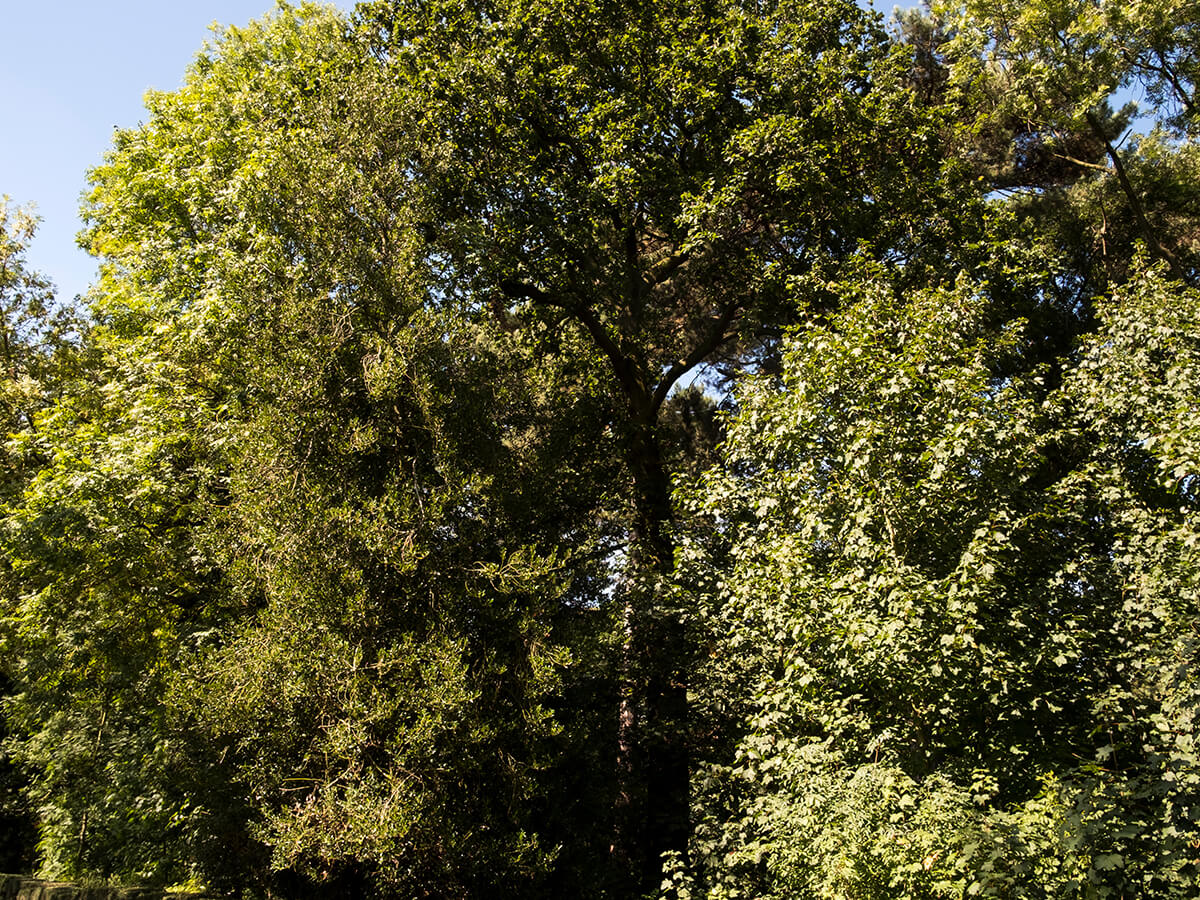
Asphalt, concrete, and stone have a knack for absorbing heat during the day and then releasing it well into the evening. When these surfaces sit next to your home, that stored heat can raise temperatures near your walls and windows, where the heat can then be transmitted inside. Trees that shade driveways, walkways, and patios also keep these surfaces cooler, leaving less heat to radiate toward your house.
Keeping Your Trees Working for You
Trees offer considerable and noticeable energy savings for the discerning homeowner. However, those benefits require that you keep your trees healthy and know where to plant them to shade and cover your home properly. When you’re looking into shade trees to make your home more comfortable, put some thought into the tree’s mature height and spread to avoid the roots and branches interfering with their surroundings. Regular pruning and care from a certified arborist too go a long way to keeping your trees strong, safe, and working to lower your bills for years.
Ready to add some shade trees to your home and make it more comfortable? Caledon Treeland offers shade and privacy trees that can help keep your home cooler in summer and sheltered in winter, and more comfortable and enjoyable in between. Let us help you find the right trees for the right spots around your property, and improve your quality of life at home. Give us a call at (905) 880-1828 for a visit to our tree farm to find the ideal tree for your needs and soil.
Frequently Asked Questions
1. Which Side of My Home Should I Plant Trees On to Save Energy?
Deciduous trees planted on the east and west sides offer the most summer shade. For protection from the cold winter winds, planting evergreens along the north and northwest edges are ideal for catching the most prevalent breezes.
2. Are Evergreen or Deciduous Trees Better for Energy Savings?
Both play a role. Deciduous trees provide shade in summer, and let the sun through in winter. Meanwhile, evergreens act as windbreaks all year round, but most vitally in winter.
3. How Close to My House Should I Plant a Tree?
It depends on the tree’s mature height and spread. As a rule, plant far enough away that the roots and branches won’t reach your foundation, roof, or power lines as the tree grows.
4. How Long Does It Take for a Tree to Start Lowering Energy Costs?
Energy benefits grow as the tree matures and its canopy widens. Fast-growing species provide shade sooner, but every tree needs a few years to establish. Sooner the better is a good rule of thumb, as the sooner you plant the sooner you can reap your benefits.
5. Can Trees Shade My Air Conditioner Without Blocking It?
Yes they can, given proper placement. Plant trees or shrubs close enough to cast shade while leaving open space around the unit, usually around 60 centimetres, for airflow, and keep branches and leaves trimmed back.