
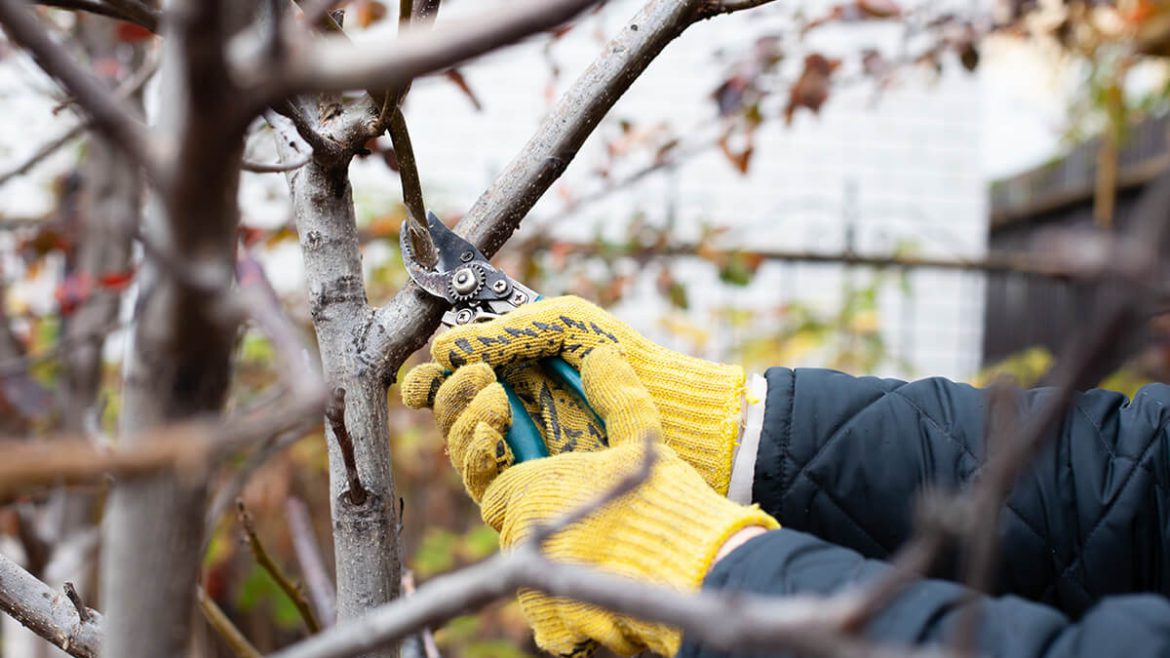
When snow covers the yard, tree care is often the last thing on a homeowner’s mind. However, the cold months are an excellent time to get ahead of your winter tree care, and pruning in particular. Not only are your trees bare for easier inspections and access, trees (like many animals) spend winter in a dormant state. This dormancy allows an arborist to remove hazards, do some checkups to verify the trees are indeed healthy, and set them up for healthy spring growth.
Here are six reasons why winter pruning is such a prudent move for your trees’ welfare.
1. It’s Easier to See the Tree’s Structure Without Leaves in the Way
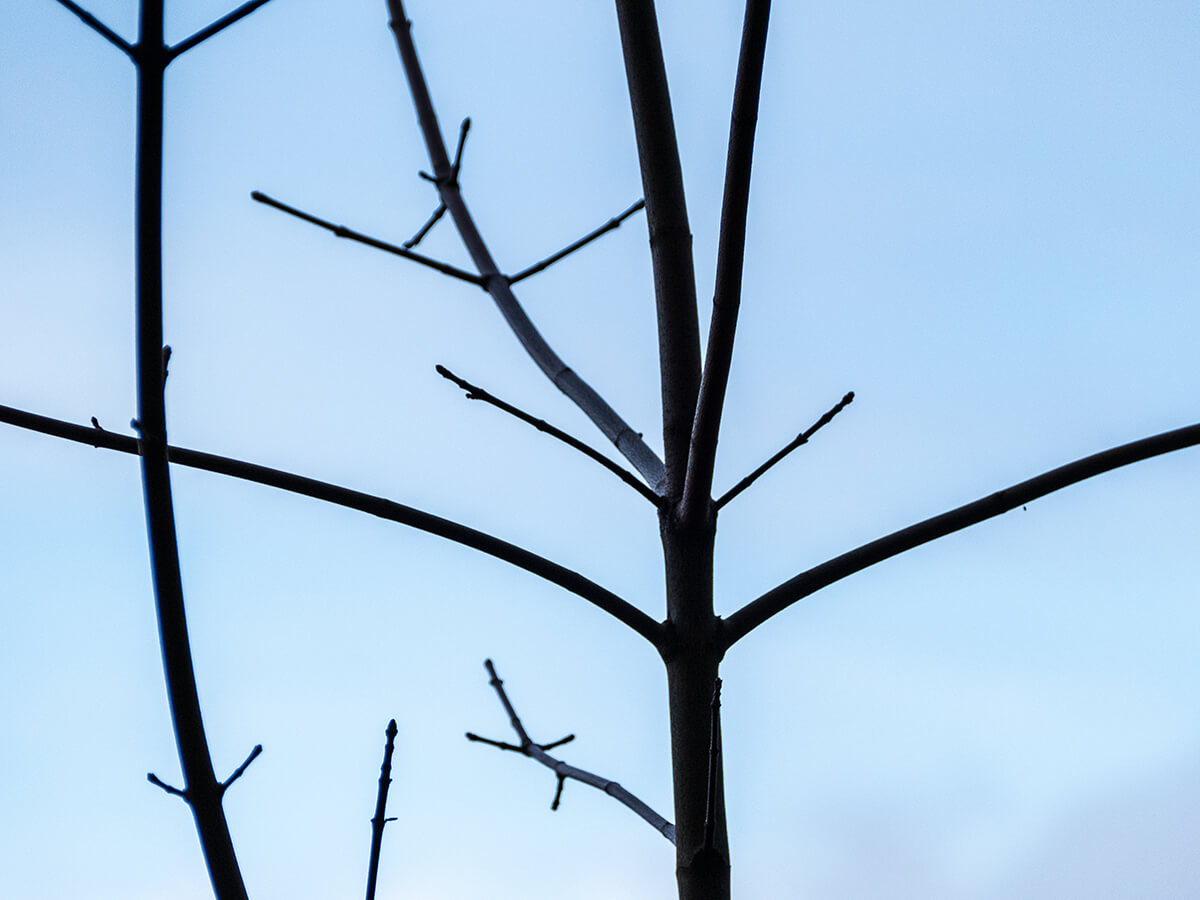
There are advantages to working once a tree has dropped its leaves. After a deciduous tree drops its leaves, every branch is in plain view, enabling inspection and detection of potential problems, as well as simplifying the process of accessing and removing weak or damaged limbs. Arborists can also spot and reach more complex problems like crossing limbs, weak attachments, and dead wood that a tree’s full foliage would hide outside of winter. Finally, a clearer view of the tree also enables more precise cuts when the work commences, and a better-balanced canopy once finished.
2. Dormancy Reduces Stress on the Tree while You Work
Many plants enter dormancy in winter, trees included. This state allows a tree to survive harsh winter conditions by slowing growth and conserving energy for the rush of growth that comes with spring. Pruning during this resting period causes less stress on the tree than doing the cutting at a period of active growth. Because a tree is dormant in winter, its energy can be stored and saved for the expected spring growth instead of reacting to fresh wounds mid-season. Between the saved energy and the regrowth the tree has to do after pruning, these factors can boost the expected spring growth once the seasonal change occurs.
3. Pruning in Winter Minimizes the Risk of Many Diseases
Trees aren’t the only ones that go dormant in winter; many insects and fungal pathogens also become inactive once temperatures fall below zero. This makes pruning in winter more ideal given that any cuts made at this time are far less likely to attract disease-carrying beetles or fungal spores. This is especially vital for many oak and elm species; these trees are more at risk of contracting and spreading diseases like oak wilt and Dutch elm disease when pruned in warmer months.
4. Pruning Protects Your Home from Storm Damage
Winter conditions have a way of contributing to tree damage. Heavy snow and ice in particular add significant weight to branches, which can damage and compromise them given enough stress. Dead or cracked limbs may snap under these loads or under storm conditions, and then cause damage to their surroundings after a severe fall. Learning to identify weak limbs and then removing them early in the season goes a long way to preventing costly damage and keeps the trees’ surroundings much safer for you and your family.
5. The Frozen Ground Helps Make Your Landscape Much Safer
Part of why arborists are best trusted with tasks like pruning your trees is that they can do the work safely. As the ground freezes in winter, this makes the ground more firm and therefore more safe to work on. Frozen ground is firm enough to support ladders, trucks, and other equipment that arborist crews bring with them for their work. Crews can work with less impact on your lawn, garden beds, and soil. Trees aren’t the only plants to go dormant in this season either. Any plants below the tree are dormant themselves, and are less likely to be harmed by foot traffic or falling debris.
6. Pruning Now Sets Trees Up for a Fruitful Growing Season
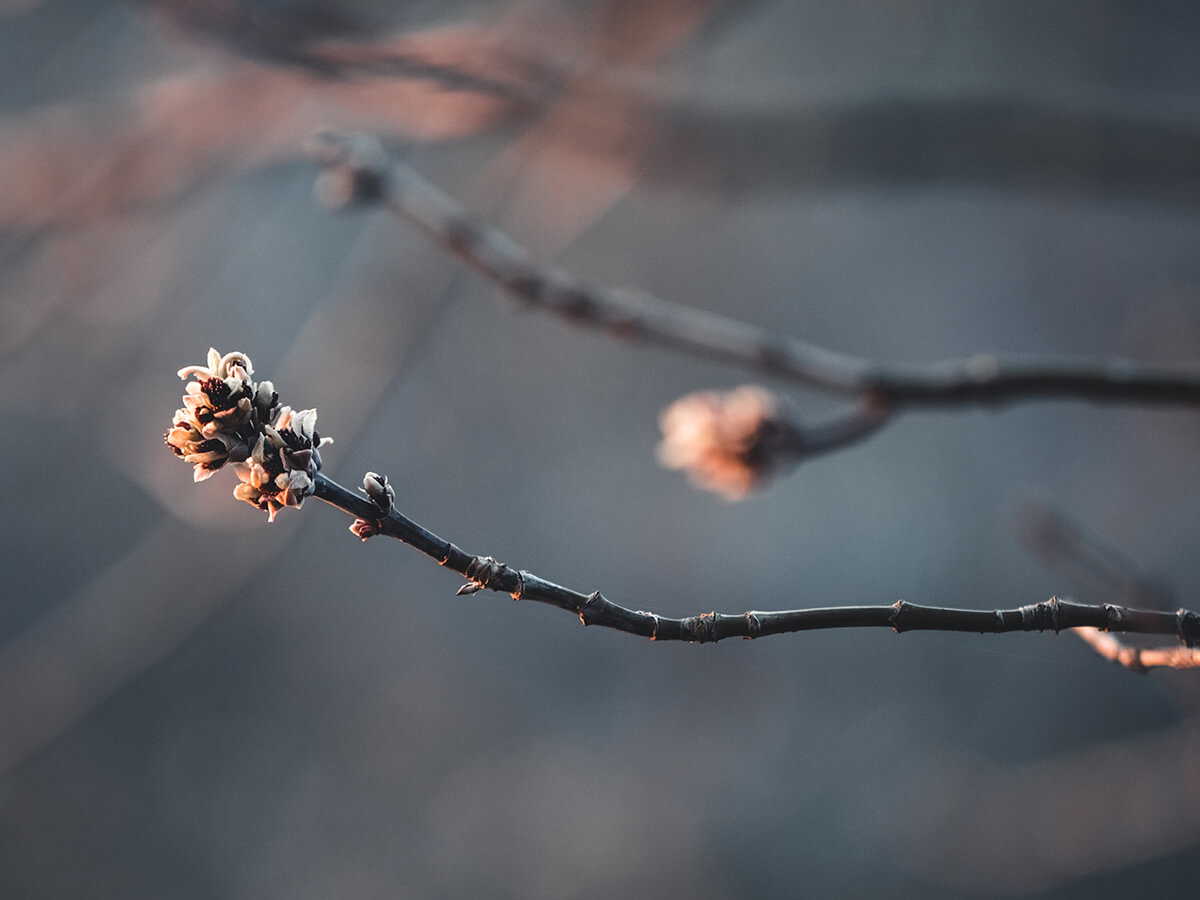
Pruning does involve making cuts in a tree’s bark, but that isn’t cause for concern. Those late winter cuts sit only briefly before spring growth begins. When the tree wakes up, it starts closing those wounds quickly and encourages growth to replace it. Removing unwanted branches also allows the tree to direct energy toward the healthier limbs, which leads to a fuller, better-shaped, and more stable canopy that provides more shade and makes the tree and its surroundings safer.
Winter is an ideal time to give your trees some much-needed TLC before spring arrives and your trees can focus on growing. With the help of a certified arborist (including an understanding of the dos and don’ts of pruning trees), you can provide not just a basic pruning for your trees, but a tailored approach based on the species, age, and condition of your trees (ensuring more targeted and effective care ahead of spring). Booking an assessment before spring goes a long way to keeping your trees healthy, safe, and attractive throughout the year while protecting your home and landscape from winter storm damage.
Ready to add lasting beauty and comfort to your property? Caledon Treeland provides shade and privacy trees that can transform your outdoor space, and improve your quality of life at home. Let our team help you choose the right trees for your yard and give you the comfort and privacy you’re looking for. Call us now at (905) 880-1828 for a cooler, shadier, and more private home.
Frequently Asked Questions
1. When Is the Best Time to Prune Trees in Winter?
Late winter, before buds begin to swell, is usually the ideal time. Any cuts made at this time sit only briefly before spring growth starts, so the tree can begin closing its wounds quickly.
2. Can All Trees Be Pruned in Winter?
Most deciduous trees respond well to dormant pruning. Spring-flowering trees, such as magnolias and flowering cherries, form their buds the previous year, so avoid any winter cuts that might remove this season’s blooms.
3. Should Pruning Cuts Be Sealed?
Wound dressings are generally not recommended. Trees close wounds naturally by growing new tissue around the cut; any sealants can trap moisture and encourage decay around that sealed wound. A clean cut just outside the branch collar closes well enough on its own once spring arrives.
4. Is It Normal for Trees to Drip Sap After Winter Pruning?
Yes, that isn’t anything out of the ordinary. Maples, birches, and some other species may drip sap after late-winter cuts. The flow can look alarming, but it does not harm the tree and typically slows once the tree leafs out.
5. Can Homeowners Prune Trees Themselves?
Small branches within easy reach can often be removed with clean, sharp hand tools. Large limbs, work near power lines, or any job requiring a ladder are safer left to a certified arborist.