
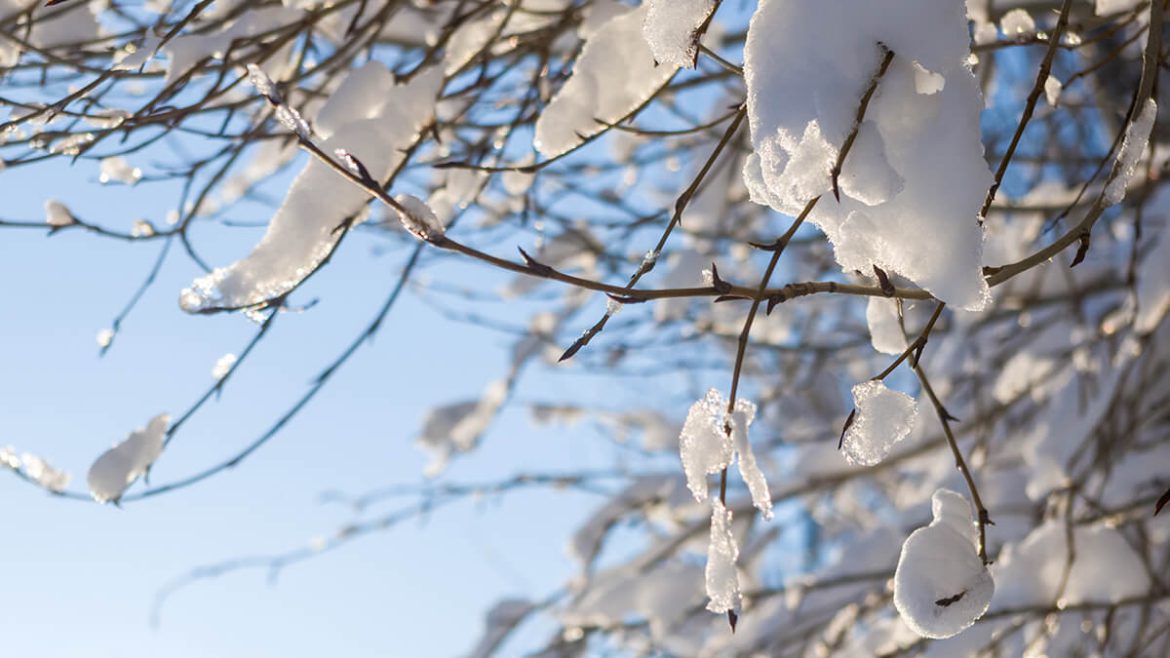
Winter can take a toll on a home (hence the importance of adequate winter prep for your house before the cold hits). But while many homeowners take steps to protect the usual suspects like the pipes, furnace, and windows, a property’s trees don’t often get the same TLC. Freezing temperatures, heavy snow, drying winds, and road salt, all of these conditions are factors that can stress the trees on your property. Some simple preparation in the fall goes a long way to preparing your trees and helping them get through winter healthy and ready to grow in spring.
Here are five steps to keep in mind to aid your trees make it through the winter and be ready for the spring growth.
1. Give Your Trees a Deep Watering
Trees always need adequate watering, especially before winter. It may seem like your trees don’t need more water when it’s cold (the logic being that they aren’t losing water to the heat as in summer), the truth is that trees keep losing moisture through winter, evergreens in particular. Once the ground freezes, roots can no longer take up water and have to rely on what they’ve stored in fall. As a precaution, take the time to water slowly and deeply around the root zone through the fall until the ground freezes. This simple step gives trees (and especially newly planted ones) enough water to last them until spring.
2. Apply a Fresh Layer of Mulch at the Base
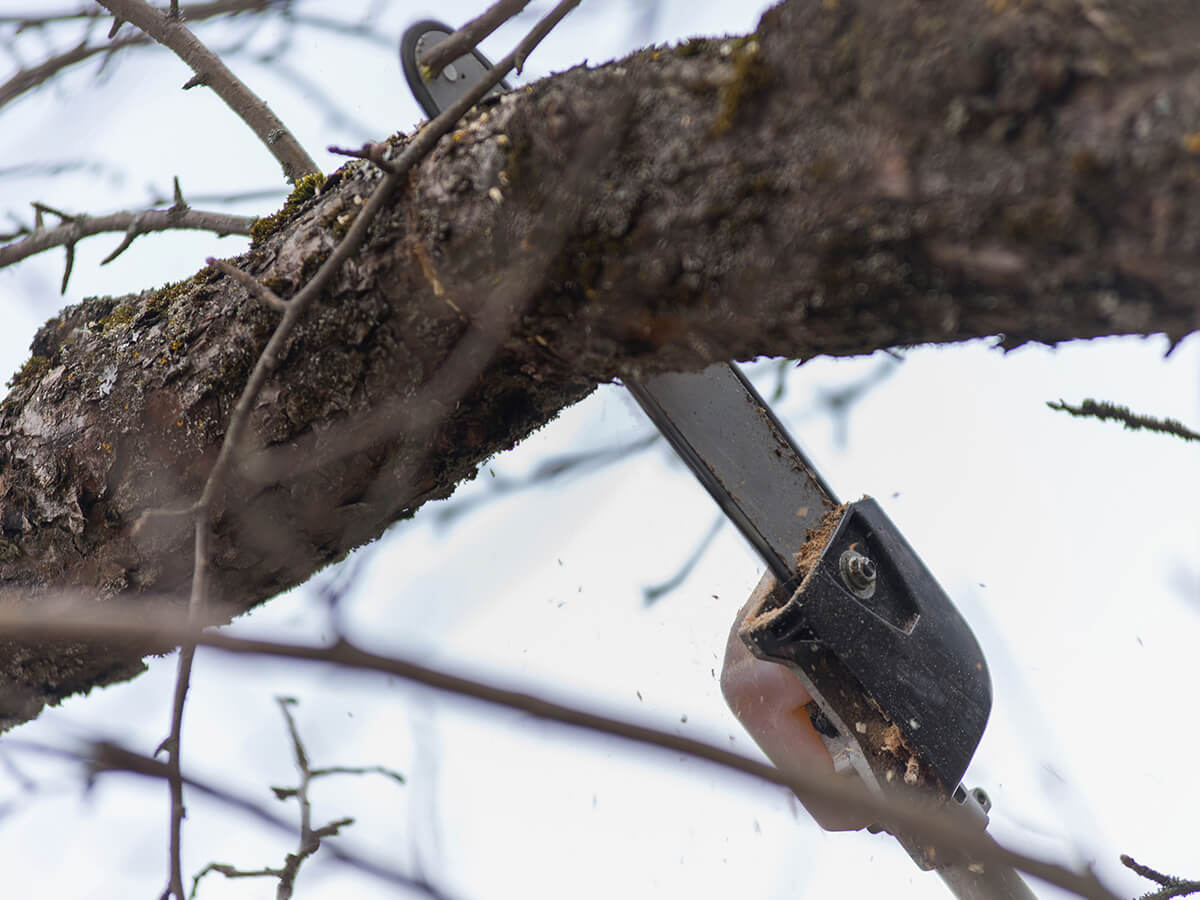
Adding mulch is one of the most supportive moves you can make for your trees. A layer of mulch insulates the soil, steadies root temperatures, and holds in moisture, creating more favourable conditions for the roots in preparation for winter. Proper mulching technique is a must for reaping the benefits for your trees. Start by spreading a thin layer (roughly 10 cm in depth) of wood chips or shredded bark over the root zone. Take care to spread the mulch a short distance away from the trunk; piling mulch too close to the bark =provides favourable conditions for pests and decay that can impact a tree’s health.
3. Prune Any Dead or Heavy Branches
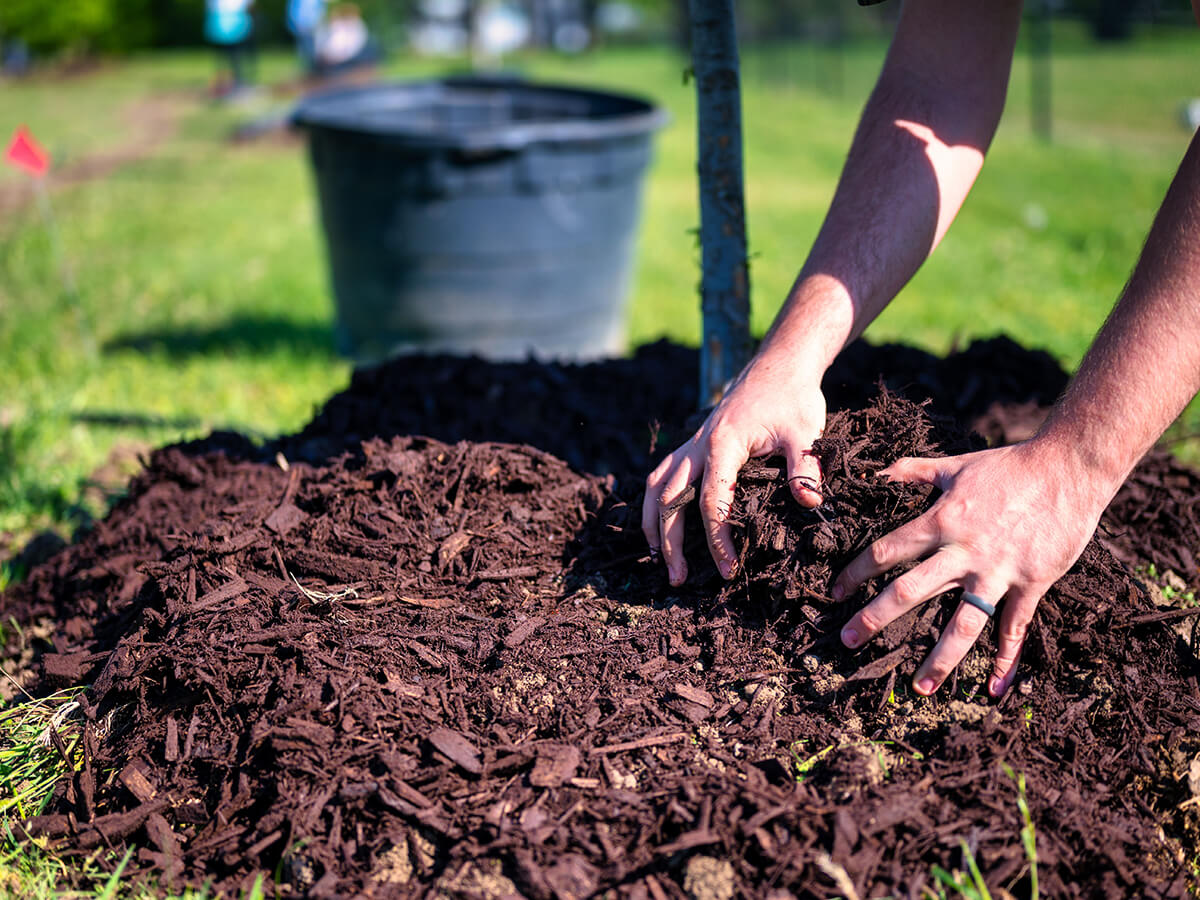
It’s always a good idea to keep an eye out for dead, weak, or cracked limbs; these are the ones most likely to snap under adverse conditions like heavy snow and ice and winter storms. Removing them early eliminates a threat to the tree’s surroundings and makes your home that much safer in case of heavy snowfall. Late fall and winter are good times to do this pruning, as most trees are dormant at this time, and their structure is easier to see without leaves. Large limbs, high limbs, or ones close to power lines are best left to a certified arborist who can do the work safely.
4. Apply a Trunk Wrap to Shield Your Tree from the Sun
Young trees very often need plenty of TLC for some time after planting, especially in winter. These young trees (as well as thin-barked species such as maples) are prone to sunscald and frost cracks when winter sun warms the bark by day and temperatures plunge at night. A light-coloured tree wrap or guard keeps bark temperatures steadier. Remove the guard in spring to avoid trapping moisture or sheltering insects too close to the tree where they can cause damage.
5. Protect Your Trees from Road Salt and Wildlife
Taking care with your de-icing salt goes a long way to preserving the health of any plants close to your driveways and paths. De-icing salt can damage roots and burn evergreen foliage on trees close to your pavement; therefore to avoid any injury to your trees, a few additions to your routine are a must for your trees’ welfare. A burlap screen on the road-facing side can block salt spray that might reach your treeline. Meanwhile, you can also use salt alternatives on your own walkways to minimize risk. Also keep in mind that mice and rabbits may also chew bark when food is scarce, and so you’ll need to add deterrents to keep them away from your trees. Installing a wire mesh or plastic guard around the lower trunk does that job adequately.
Give Your Trees a Head Start on Spring
Winter preparation doesn’t take too much time, but it can make a real difference in how your trees look and grow once the snow melts. Think of it as prepping your trees for spring; a little preparation before winter, and your trees can enter spring fully prepared to make the most of the growing season. Work through these steps before the ground freezes, and call a certified arborist if you notice cracks, leaning, or signs of disease.
Planning ahead for a cooler, more private yard? Caledon Treeland provides shade and privacy trees to make your outdoor spaces more comfortable and screen your property from neighbours and passing traffic alike. Call us now at (905) 880-1828 and book a visit to our tree farm to select the right tree for your home and soil.
Frequently Asked Questions
1. When Should I Start Preparing My Trees for Winter?
As early as possible is a good rule of thumb for tree care. More specifically, early to mid fall when leaves begin to drop is a good time to start. Starting at this point gives you time to water, mulch, and prune before the ground freezes. Newly planted trees in particular benefit most from an early start.
2. Do Evergreens Need Different Winter Care Than Deciduous Trees?
Evergreens keep their needles through winter, so they continue to lose moisture. Deep watering before the freeze and burlap screens against wind and salt go a long way to preventing these trees browning. Avoid wrapping evergreens tightly in plastic, as this material can trap heat and moisture.
3. Should I Remove Heavy Snow from My Tree Branches?
Yes, but be gentle as you work. Brush snow off with a broom using upward strokes, and leave any ice-coated branches alone. These branches may snap if you try to knock the ice off.
4. How Long Should Tree Wraps Stay On?
Keep wraps on through winter and remove them in spring once temperatures stay above freezing. Refrain from leaving them on year-round to avoid trapping moisture and inviting insects.
5. When Should I Call an Arborist?
Call a certified arborist if you notice large cracks, a sudden lean, fungal growth, or heavy limbs hanging over your home. These issues need professional assessment before winter storms arrive.