
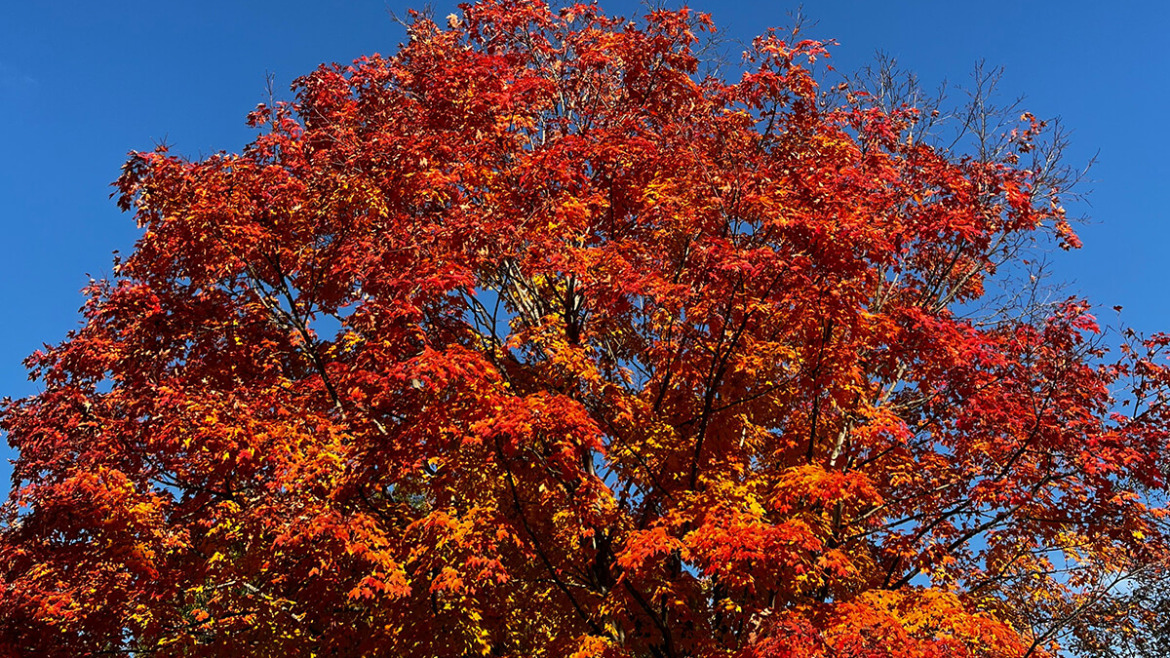
There’s no denying that fall is a beautiful season. As the air turns crisp and the days grow shorter, the eye naturally turns to the trees as they turn every shade of orange before they lose those leaves. For many, fall is even an excellent time for planting new trees; be sure to stock up on some tree planting tips to make the job easier if you do. But for those simply looking to take care of the trees they already have, it’s a good season to give your trees a little extra attention. Fall represents a critical window for many homeowners to provide essential care and help the trees make it through winter. This is a golden opportunity to look past the beautiful canopy and focus on the foundation: the roots and overall structure.
Your fall chores don’t just include raking the leaves and getting the house warm, it includes prepping your trees too. This little effort now goes a long way toward helping your trees stay healthy during winter, and ensures they start strong and bloom healthy next spring. By following a few key practices, you can ensure your leafy neighbours are not just surviving the winter but are poised to thrive magnificently when spring returns.
—
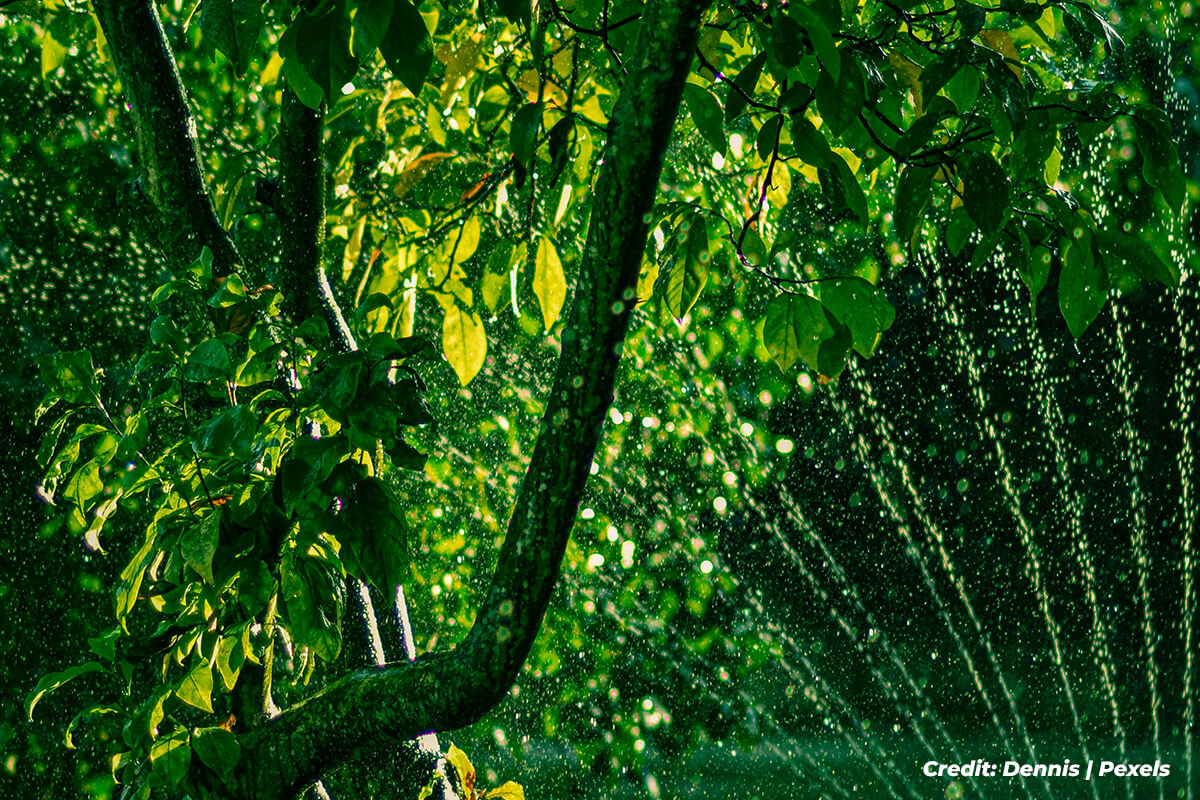
1. Hydration is Key
As temperatures drop, it’s easy to assume a tree’s need for water diminishes along with its foliage. The truth couldn’t be more different. While deciduous trees lose their leaves and their visible growth ceases, their root systems remain active out of sight, continuing to grow and absorb water until the ground freezes solid. And so, a tree that enters winter in a state of dehydration is significantly more vulnerable to damage and stress.
This is especially true for evergreen trees, which don’t drop their needles. Throughout the winter, they continue to lose moisture to the air through a process called transpiration (and this is particularly true on windy or sunny days). If the ground is frozen and the roots cannot draw up replacement water, the needles will begin to dry out, turn brown, and die (a condition known as winter desiccation or winter burn).
To prevent this, provide your trees with deep, thorough watering throughout the autumn, especially if the preceding summer was a particularly dry one. Many of the same methods you used to keep your trees hydrated over the summer still apply now. The goal isn’t to water frequently but to water effectively. Use a soaker hose or let a regular hose run on a slow trickle for several hours, moving it to different spots around the tree’s dripline (i.e. the area on the ground directly beneath the outermost reach of its branches). This is where the most active water-absorbing roots are located. Avoid watering directly at the trunk; you’re aiming for the roots, and those extend far beyond the trunk. A good, deep soaking that moistens the soil to a depth of 25 to 30 centimetres once every week or two is far more beneficial than a light, daily sprinkle. Continue this regimen until the ground freezes, ensuring your tree has a deep reservoir of moisture to draw upon during the long, cold months ahead.
—
2. Mulch for Protection
Think of mulch as a protective winter blanket for your tree’s root system. Applying a fresh layer of organic mulch in the fall is one of the most beneficial things you can do for a tree of any age. There are a plethora of advantages to mulch that make it a must-do task for your trees. Firstly, mulch acts as an insulator, moderating soil temperature. This helps to protect the roots from the shock of early frosts and buffers them against the extreme freeze-thaw cycles that can heave soil and damage fine root hairs.
Secondly, a good layer of mulch is superb at retaining the moisture you so diligently provided through fall watering, preventing it from evaporating too quickly. It also suppresses the growth of autumn and spring weeds that would otherwise compete with the tree for water and nutrients. Finally, as organic mulches like shredded bark, wood chips, or composted leaves break down over time, they enrich the soil, improving its structure and fertility.
Proper application is crucial to reaping these benefits. Apply a layer of mulch about 5 to 10 centimetres deep, spreading it in a wide ring around the tree, ideally extending out to its dripline. However, take steps to avoid the single most common mulching mistake: the mulch volcano. Piling mulch directly against the tree’s trunk creates a perpetually damp environment that invites pests, fungal diseases, and rot. Always pull the mulch back, leaving a space of at least 10 to 15 centimetres around the trunk to allow it to breathe. The ideal mulch application should look like a doughnut, rather than a volcano.
—
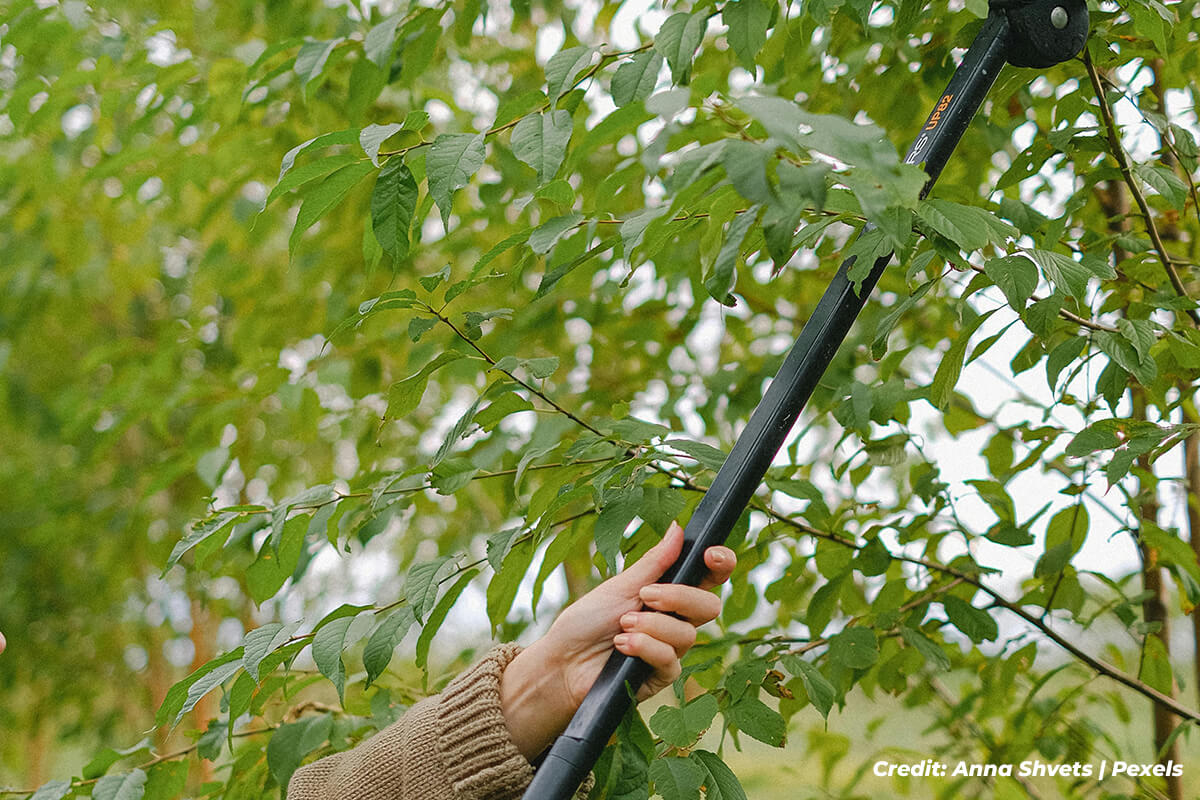
3. Pruning with Purpose
Autumn feels like a natural time to prune, but it requires a careful and considered approach. The timing and type of cuts you make are important. Fall is the perfect time to perform maintenance pruning by removing any branches that are dead, damaged, or diseased (often referred to as the three D’s for ease of recall). These branches serve no purpose and can be a liability. They can spread disease to healthy parts of the tree and are more likely to break and fall during winter storms, posing a hazard to people and property. Removing them tidies the tree’s appearance and eliminates potential entry points for pests and pathogens.
However, you should avoid major structural pruning or significant thinning of the canopy in early to mid-autumn. Making large cuts can stimulate the tree to produce new, tender growth. This new growth will not have sufficient time to “harden off” or prepare itself for freezing temperatures. When the first hard frost arrives, this vulnerable new wood is likely to be killed, wasting the tree’s energy reserves and creating more dead material that will need to be removed later. The ideal time for major structural pruning is in late winter or very early spring when the tree is fully dormant. At this time, the tree’s structure is clearly visible without leaves, and the cuts will have the entire spring growing season to begin healing properly.
—
4. Rake, Remove, and Repurpose Leaves
The annual ritual of raking leaves is often seen as a chore, but it plays a vital role in the health of both your lawn and your trees. According to the Nature Conservancy of Canada, leaving a thin layer of fallen leaves can be beneficial for the environment (and give you a chance to do your part for your local ecosystem). That said, it is only a thin layer; leaving the leaves too thick against the base of your tree all winter can be problematic. This dense layer can smother the turf, preventing sunlight, water, and air from reaching the soil. More importantly, it creates a damp, dark, and airless environment that is the perfect breeding ground for fungal diseases like snow mould and provides a cozy home for pests to overwinter.
But this doesn’t mean your leaves are waste. Far from it. Fallen leaves are a valuable organic resource. Instead of bagging them for municipal collection, consider repurposing them. One of the best options is to add them to a compost pile. They are a fantastic source of carbon (the “brown” material) that is essential for balancing the nitrogen-rich “green” materials like kitchen scraps. Over time, they will decompose into a nutrient-rich compost that you can use to enrich your garden soil next year. Alternatively, you can shred the leaves by running them over with a lawnmower a few times. This shredded leaf material can be used as a natural mulch for your garden beds and around your trees, or a thin layer can even be left on the lawn to decompose and return valuable nutrients to the soil.
—
5. Shield Young and Vulnerable Trees
Young, newly planted trees and species with thin bark (such as maples, fruit trees, and lindens) require extra protection to get through their first few winters. Their undeveloped bark is particularly susceptible to a condition called sunscald. On a clear winter day, the sun can warm the southern or southwestern side of a tree’s trunk. When the sun sets or ducks behind a cloud, the temperature of the bark plummets rapidly, causing the cells to freeze and rupture, which leads to cracks, splits, and dead tissue.
To prevent this, use commercial tree guards or paper tree wrap. Starting from the base of the trunk, wrap the protector upwards, overlapping each layer by about one-third, up to the first set of branches. This wrap reflects the sun and insulates the trunk, preventing the drastic temperature swings that cause sunscald. These wraps should be removed promptly in the spring to prevent them from trapping moisture against the bark and harbouring pests. These guards also provide a critical physical barrier against animal damage. During snowy winters when food is scarce, animals like rabbits, voles, and mice will often gnaw on the tender bark of young trees for sustenance, which can easily girdle and kill them.
—
Fall isn’t just the transitional period between summer and winter; it’s an ideal time to take a more active hand in your tree care and give them some TLC before it gets cold. By taking these steps, you go the extra mile and give your trees the care they need to make it through winter safely. That meticulous autumn care now will be rewarded tenfold with the sight of strong, vibrant, and beautiful trees bursting with life in the spring, ready to grace your landscape for many years to come.
When you need trees to grace your home and make it all the more convenient for you, give Caledon Treeland a call. We offer a wide range of shade and privacy trees to beautify your home and make it all the comfortable for you while you’re there. Give us a call now at (905) 880-1828 and we’ll find the right tree for your home together.