
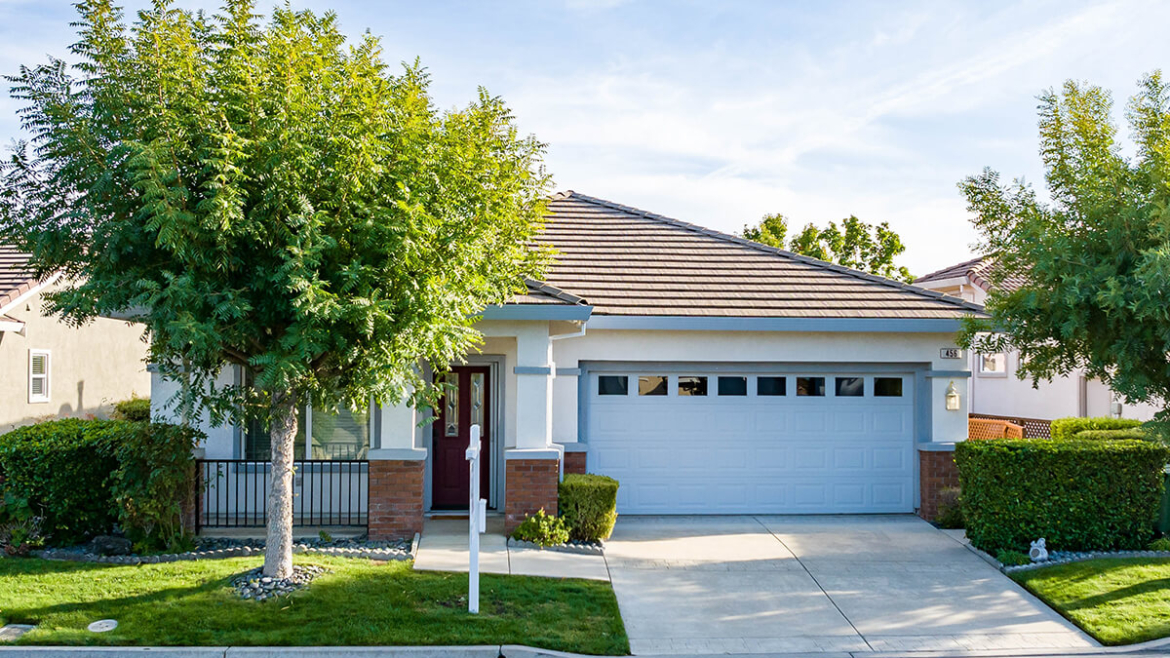
There’s no denying your house is your sanctuary, and as your sanctuary it’s only natural to expect a certain degree of comfort when you’re at home. However, there are ways to ensure that comfort beyond simply relying on air conditioners or other modern gadgets (and without impacting your monthly energy bills on top of all that). While your HVAC system consumes electricity to move heat from one space to another, a well-placed tree can manage the intake of solar energy before it ever reaches indoors. Rather than settle for reactive cooling (as with air conditioners or fans), proper tree placement allows you to use proactive heat prevention instead. By integrating your trees into your system, you can make them part of a permanent defense against the heat, especially once summer hits. Shade and privacy trees are a boon to any home’s curb appeal, but those are far from the only benefits they offer. They also provide a dynamic barrier that reacts to the seasons and provides a cooling effect that mechanical units cannot replicate through simple air circulation.
1. Blocking Excess Solar Radiation
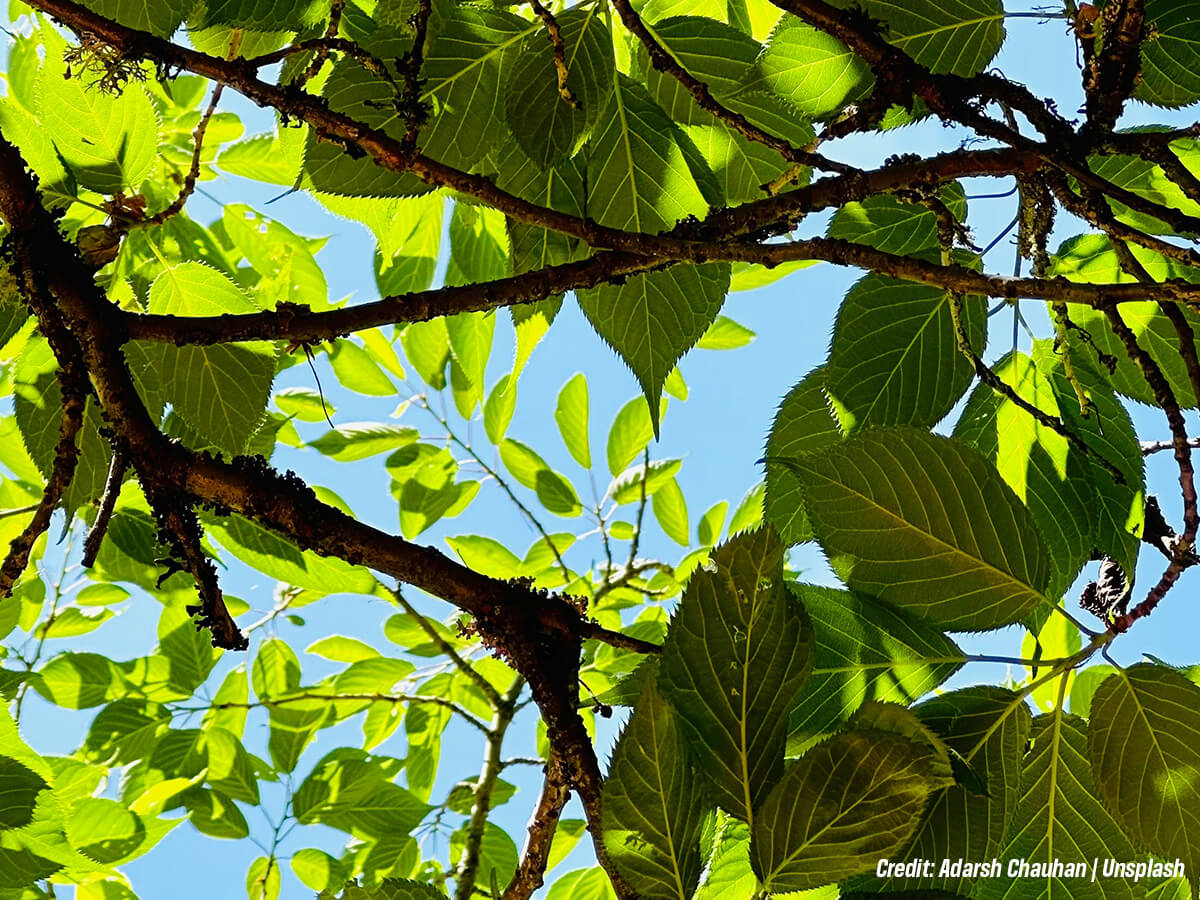
A tree’s canopy is perhaps the most notable feature of it, and it plays a particular role in cooling the house. The canopy has the ability to intercept solar radiation before it strikes the roof or walls, keeping the heat of the sun off the house. In the Northern Hemisphere, the afternoon sun poses a particular challenge to maintaining a stable indoor environment. When the sun hangs low in the western sky, its rays tend to hit the siding and windows at a direct angle, leading to rapid heat absorption. Positioning broad-leafed trees on the western and southwestern sides of your property leaves those intense rays to be absorbed by its leaves instead of the house. Many mature trees provide a massive shadow that covers large sections of the roof, preventing the shingles from excessive heat that might otherwise radiate into the attic space. By keeping the attic cooler, the temperature gradient between the living quarters and the roof remains manageable, allowing the interior to stay refreshed with less mechanical intervention.
2. Cooling Their Surroundings through Evapotranspiration
Living foliage doesn’t just block light; it actively alters the surrounding atmosphere. This process involves the movement of water from the soil, through the roots and trunk, and out into the air via tiny pores in the leaves. As this moisture transitions from a liquid to a vapour, it absorbs heat from the surrounding environment. This creates a pocket of air around the tree that is significantly cooler than the air in an open, unshaded field. A single large specimen can release hundreds of litres of water into the atmosphere on a hot day, and can therefore provide a natural evaporative cooling system. This moisture-rich air then circulates around the property, helping the house feel more comfortable in turn. Unlike a static shadow cast by an awning or a wall, the shade from a tree is accompanied by this actively cooled air, which you can then draw into the house via open windows to create a natural breeze in contrast to using an AC.
3. Mitigating the Thermal Mass of Hardscapes
Driveways, patios, and walkways constructed from concrete or asphalt tend to act as thermal batteries, absorbing solar energy throughout the daylight hours and then radiating that heat long after the sun has set. It’s this phenomenon that’s responsible for situations like the home remaining uncomfortably warm well into the night due to the surrounding hard surfaces pumping heat back toward the exterior walls. Placing trees to cast shadows over these surfaces prevents them from reaching such high temperatures in the first place. Keeping the ground cooler also alters the entire microclimate of the lot by reducing the secondary radiation that typically enters the lower levels of a home. By cooling the stones and pavement about the house, the property sheds heat more quickly in the evening, allowing for a more rapid transition to comfortable night-time temperatures.
4. Protecting Fenestration and Reducing Solar Gain
Windows are frequently the weakest point in a building’s thermal envelope. Even with high-efficiency glazing, direct sunlight hitting glass can create a greenhouse effect inside the room. Internal blinds or curtains help, but once the heat has passed through the glass, it is already trapped within the building. One of the most obvious ways shade trees help keep your energy bills low is by offering a way to filter the light, providing a far more effective solution than simply blocking the windows. Soft, dappled light provides both enough illumination to keep a room bright and minimizes the intense infrared radiation that drives up the thermostat. Deciduous trees are particularly useful for this purpose; they offer dense, overlapping layers of leaves during the peak of summer when protection against the heat becomes all the more crucial. This shading also prevents the overheating of furniture and flooring, which are themselves significant contributors to the internal thermal load of a room.
5. Managing Airflow and Natural Ventilation
The physical structure of a tree influences how wind moves across a property. A strategically-placed line of trees can be used to direct summer breezes toward the house, for example. When air passes through the cool, moist interior of a canopy, it also loses much of its heat to the lower temperature in the evapotranspiration zone. This means the wind hitting the side of the house is pre-cooled. Furthermore, creating a pressure differential between the shaded, cool side of the house and the warmer, sunlit side creates a natural siphon effect that encourages air to move through the interior of the home. This airflow pulls out stale, warm air and replaces it with fresh, filtered air from the garden. This more natural airflow can also replace the recirculated air from mechanical systems, which can often feel stagnant (to say nothing of how it impacts your energy bills).
6. Offering Seasonal Utility
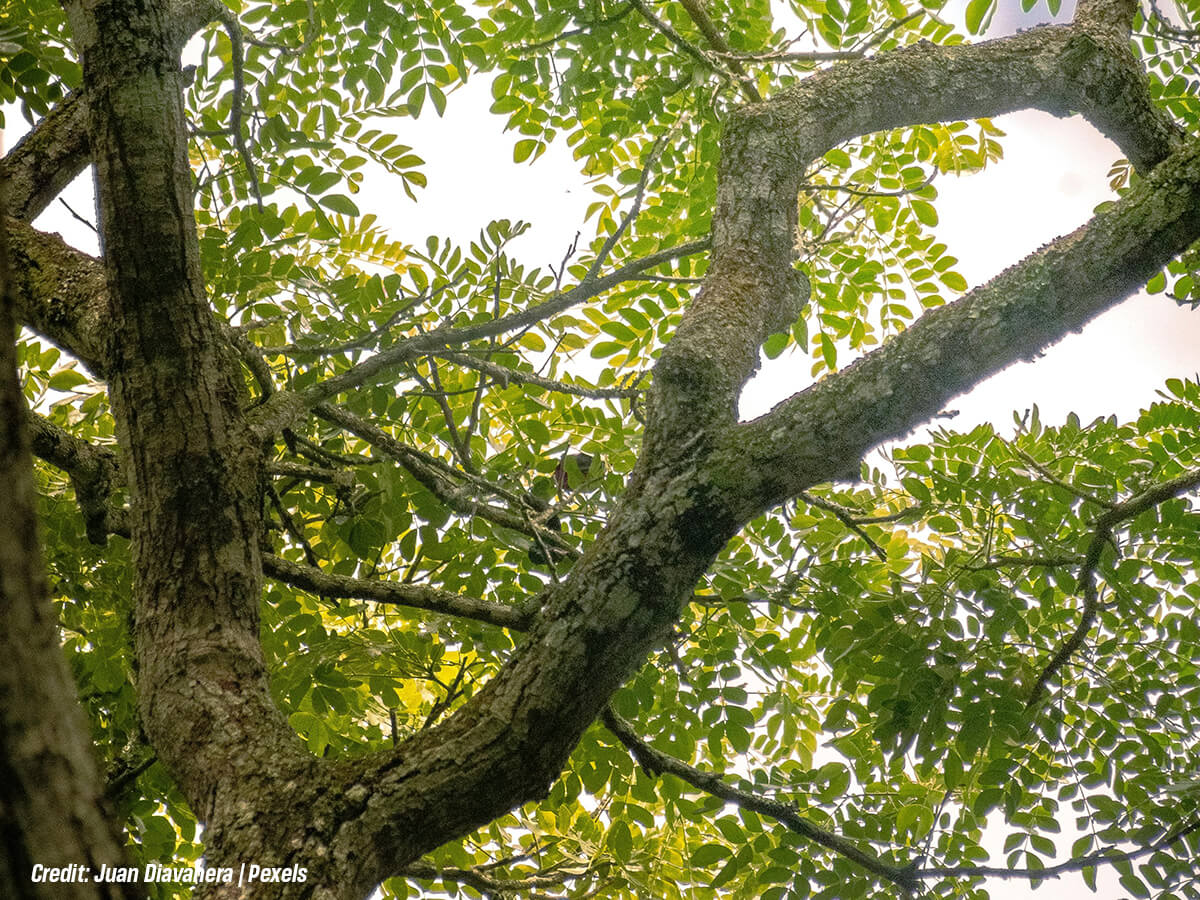
One of the most convenient benefits to using biological cooling is its ability to adapt to the changing climate. Deciduous trees offer an ideal balance for regions that experience both hot summers and freezing winters. Once the temperature drops and the need for cooling disappears, these trees shed their leaves. This allows the low winter sun to pass through the bare branches and strike the home. During the colder months, this solar gain is a welcome source of free heat, and helps to warm the interior naturally. This dual-purpose functionality also ensures that your landscaping remains an asset year-round. Evergreen varieties, while excellent for windbreaks, can sometimes block too much light in the winter if placed incorrectly (and so proper placement of your trees is as important as choosing the appropriate species for your needs).
7. Reducing the Urban Heat Island Effect
It isn’t only the sun you need to consider when trying to keep your home cool; the Urban Heat Island Effect is another concern to overcome for a more comfortable house. Properties located in densely populated neighbourhoods tend to experience higher temperatures due to the abundance of materials that tend to absorb heat (like concrete). The more trees with mature canopies the neighbourhood has, the greater the reduction in the local ambient temperature. This collective cooling means that the air being drawn into a home’s ventilation system is already several degrees cooler than it would be in a treeless environment. Taking a community-wide approach to planting your trees can also lighten the load on every individual cooling system in the area. The presence of trees also reduces the amount of dust and pollutants in the air, and the cleaner and cooler the air the easier it is on mechanical systems to filter and condition the environment. This also helps extend the lifespan of the equipment and maintain a higher quality of living for the occupants in turn.
8. Looking after Your Trees’ Health
For your natural cooling system to remain effective, the health of the trees must be a priority. Selecting trees native to Ontario gives you varieties adapted to the local soil and rainfall patterns, ensuring that the trees’ canopies remain vigorous and dense. Proper spacing is also critical; a tree planted too close to the foundation can cause structural concerns, while one planted too far away will not provide the necessary shade. Aiming for a distance of three to five metres from the house for medium-sized varieties usually provides the best balance of safety and thermal benefit. Consistent pruning helps to maintain a structure that allows for airflow while maximizing leaf surface area. A healthy, well-maintained tree grows in value over time, providing more shade and more cooling capacity every year. Unlike mechanical systems that depreciate and eventually require replacement, a living cooling system becomes more efficient and powerful as it matures.
Investing in the landscape is a fundamental strategy, for your temperature management as much as for your curb appeal. With the help of these insights, you can transform your home into a more comfortable and self-regulating environment. Embracing the shade is a move toward a more resilient and comfortable home that also remains in harmony with the local environment. With some thoughtful selection and placement, your trees can very well prove the most reliable and efficient cooling tools available to you.
Ready to improve your landscape and lower your summer cooling bills at the same time? Caledon Treeland is here to offer quality shade trees to help you create a refreshing outdoor oasis. Give yourself a cooler, more comfortable home you can enjoy indoors and out. Give us a call now at (905) 880-1828 to find the right trees for your home.