When it’s hot and humid, the sheer heat of the day can have more than a few of us cranking up the air conditioner to get a little cool comfort. The resulting blast of cool, dry air is a welcome relief, but it comes at a cost, and one that becomes apparent when the monthly utility bill comes due. For quite a few homeowners, it’s easy to see the house as some kind of sealed box that we must mechanically cool. But what if the most effective, elegant, and sustainable solution to a cooler home has been waiting in our own backyards all along? The humble tree, a tall, silent element of the landscape, is actually a powerful and natural air conditioner. By thoughtfully incorporating shade trees into your property’s landscape, you can create a more comfortable living environment and significantly reduce your reliance on energy-intensive cooling systems, all while adding beauty and value to your home.
With the use of some simple yet profound principles of nature, you can take some steps toward a cooler home (and one that doesn’t add more burdens to your electricity bills at that). A well-placed tree does more than just offer a pleasant spot for a picnic; it actively works to alter the environment around your house, giving you a cooler, more livable environment when you’re at home. Let’s look at some of the ways your tree can help you stay cool and save money.
—
1. The Power of Direct Strategic Shading
There’s a reason so many homes invest in shade trees, and it’s not just to get some relief from the sun; perhaps the most intuitive way a tree cools a home is by simply blocking the sun. Think of a large, leafy deciduous tree as a natural, custom-fit umbrella for your house. Solar radiation from the sun travels millions of kilometres through space, and when it strikes a surface like your roof or walls, that energy is absorbed and converted into heat. A dark-coloured roof or a sun-drenched brick wall can become incredibly hot to the touch during the day, and this accumulated heat slowly radiates into your living space, forcing your air conditioner to work overtime to remove it.
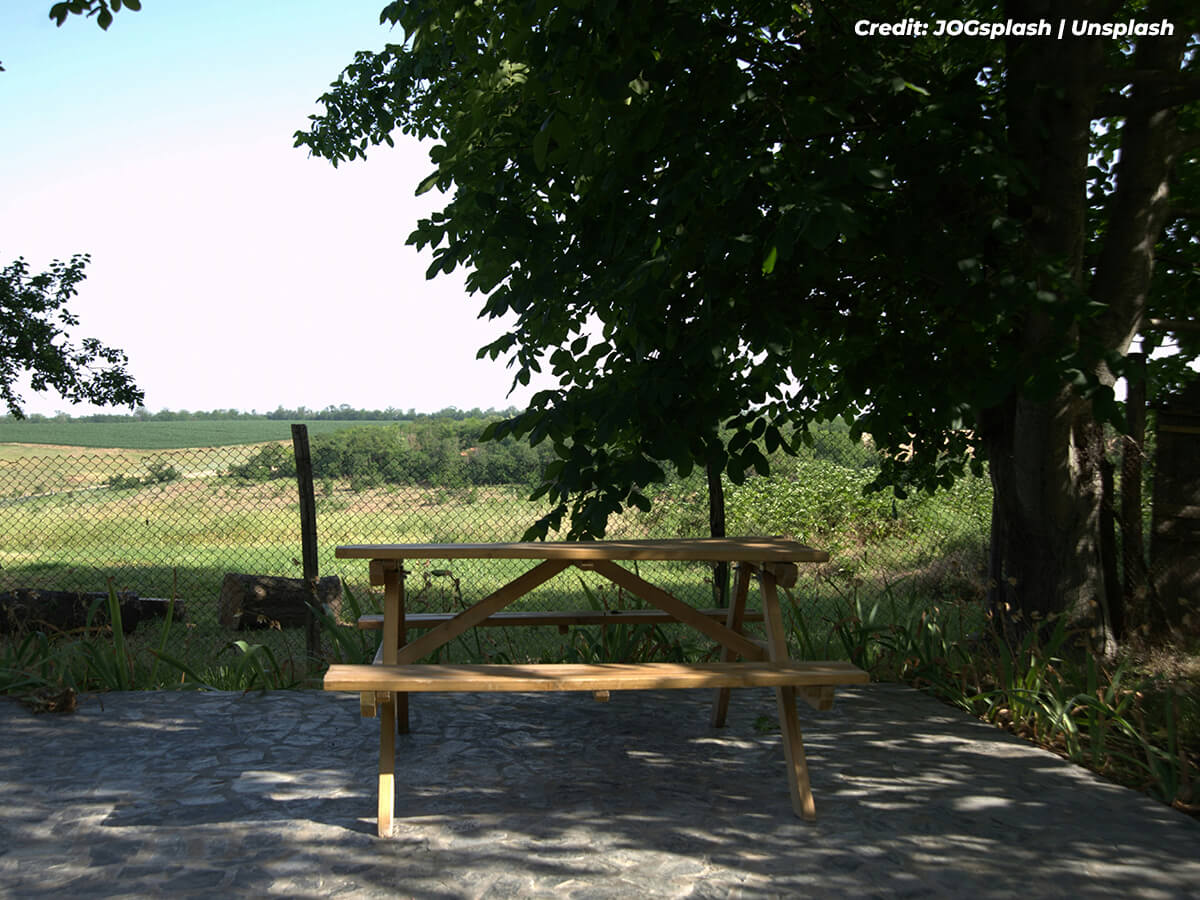
Creating an oasis at home of strategically-placed trees intercepts this solar radiation before it ever reaches your home. The dense canopy of leaves absorbs and reflects the sunlight, not just casting a shadow over your house but actively cooling it as well. This preventative cooling is far more efficient than dealing with the heat after it has already penetrated the building envelope. However, strategy is key. Planting a tree randomly in your yard will have some effect, but for maximum benefit, it pays to consider the sun’s path.
In Canada, the sun travels in an arc across the southern sky. The most intense and problematic solar heat gain typically occurs in the afternoon, when the sun is in the western sky. At this time of day, the ambient air temperature is already at its peak, and the lower-angle sun can shine directly into windows and onto walls, causing a rapid increase in indoor temperature. Therefore, the most effective places to plant shade trees are on the west and southwest sides of your home. A tree in this position will block that punishing afternoon sun, keeping your home dramatically cooler during the hottest part of the day.
The south side of a home also receives a great deal of sun throughout the day. A tree planted to the south can provide valuable shade, especially for multi-storey homes, by casting a shadow on the roof and upper walls when the sun is at its highest point in the sky. It’s like wearing a wide-brimmed hat on a sunny day. The hat doesn’t make the air itself cooler, but by preventing the sun from beating down on your head, it makes you feel immensely more comfortable. In the same way, a shade tree prevents your home from “sunburning” and absorbing a massive heat load, thereby reducing the amount of work your air conditioner has to do. Planting your trees more strategically also does your wallet a favour too; homeowners who plant their shade trees to the south and west can save up to 25$ a year in electric bills (which can add up if you add in other clever cost-saving methods).
—
2. Evapotranspiration: Nature’s Air Conditioner
While direct shade is a powerful cooling mechanism, it is only part of the story. Trees also cool the air around them through a remarkable biological process called evapotranspiration. It’s a combination of evaporation (where water turns from a liquid to a gas) and transpiration (which is the movement of water through the plant itself).
A tree functions like a giant, living water pump. Its roots draw up hundreds of litres of water from the soil, which then travels up the trunk and branches to the leaves. On the underside of each leaf are thousands of tiny pores called stomata. The tree releases water through these pores in the form of invisible water vapour. This process is essential for the tree’s health, helping it to move nutrients and regulate its own temperature.
The magical part is what this process does for the surrounding environment. The phase change of water from a liquid to a gas requires a significant amount of energy, and this energy is drawn from the air in the form of heat. This is the exact same principle that cools our own bodies when we sweat. As perspiration evaporates from our skin, it takes heat with it, leaving our skin feeling cooler.
A single, large, healthy tree can act as a natural evaporative cooler, releasing vast quantities of water vapour on a hot day. The cooling effect is tangible. The air directly underneath and around a tree is not just cooler because of the shade; it is measurably cooler because the tree is actively pumping heat out of the atmosphere. This creates a microclimate of cooler, more humid air around your home. When you open your windows or when your air conditioner’s intake pulls in air, it is drawing from this cooler, pre-conditioned reservoir instead of the scorching air over a sun-baked lawn or driveway. This means your cooling system doesn’t have to work as hard, run as long, or use as much electricity to bring your home to a comfortable temperature.
—
3. Creating a Cooler Microclimate
Trees also play a crucial role in cooling the surfaces around your home, not just the building itself. Urban and suburban environments are often filled with hard, dark surfaces (think asphalt driveways, concrete patios, interlocking brick, and dark-shingled roofs). These materials are notorious for absorbing and retaining solar energy, contributing to what is known as the “urban heat island effect,” where developed areas become significantly warmer than surrounding natural landscapes.
An unshaded asphalt driveway can easily reach temperatures well over 50 degrees Celsius on a sunny day. This superheated surface doesn’t just sit there; it radiates heat back into the air and into anything nearby, including your house. This means that even after the sun goes down, these surfaces continue to release stored heat, keeping the area around your home uncomfortably warm well into the evening.
Shade trees directly combat this effect. By shading these hard surfaces, trees prevent them from absorbing so much heat in the first place. A shaded driveway or patio will remain much closer to the ambient air temperature. This creates a cooler “microclimate” on your property. The air surrounding your home is cooler, the ground is cooler, and the radiant heat load from your own landscape is drastically reduced. This localized cooling effect means that the entire immediate environment of your house is less thermally stressed, contributing to a more comfortable indoor experience and lower overall cooling demands.
—
4. Choosing the Right Tree for the Job
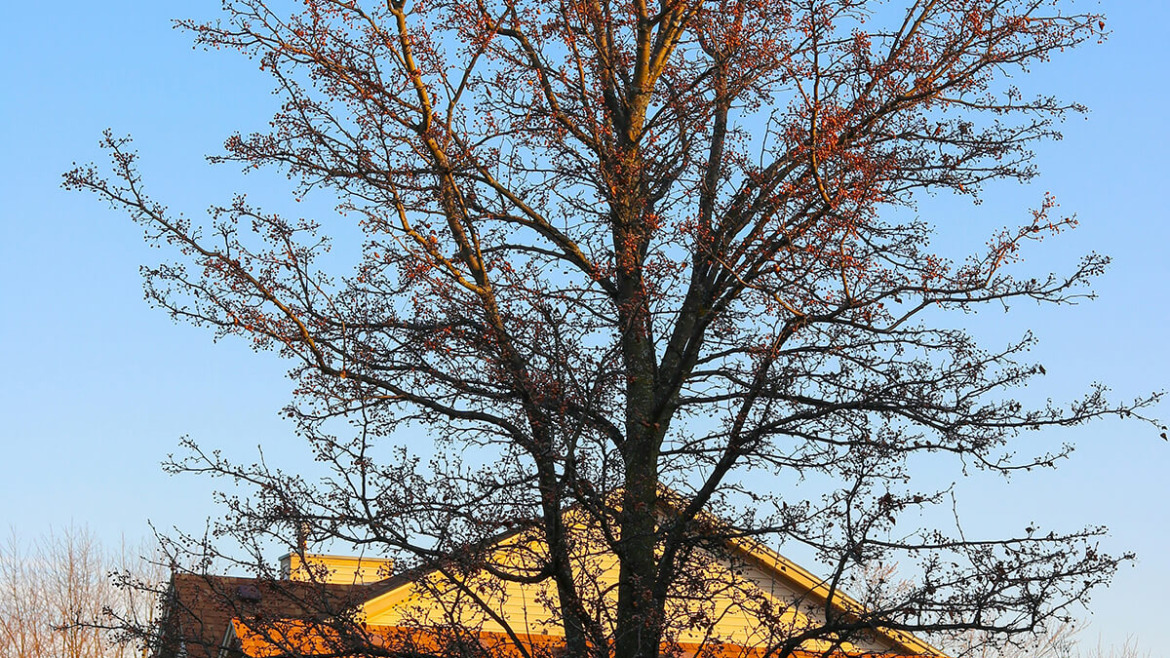
To truly capitalize on these natural benefits, you must select the right tree and plant it in the right place. The choice of species is paramount. For cooling purposes in a Canadian climate, deciduous trees (i.e. those trees that shed their leaves in the autumn) are almost always the best choice; specifically, you’re better off planting local tree species adapted to conditions in your area. Varieties like maples, oaks, lindens, and elms provide a dense, broad canopy of leaves that is perfect for summer shading.
Then, in the winter, they offer another, equally important benefit. After their leaves fall, their bare branches allow the low-angle winter sun to shine through, reaching your windows and walls. This provides passive solar heating, warming your home naturally and potentially reducing your heating costs. A coniferous tree (such as a spruce or pine) would provide shade year-round, which is fantastic in the summer but would unfortunately block that valuable, free solar heat in the winter.
Consider the tree’s mature size and shape. A towering oak is perfect for shading a two-storey house, but it might be overkill for a small bungalow on a tiny lot. Research the ultimate height and canopy spread of any tree you consider. Ensure it doesn’t interfere with overhead utility lines or grow too close to your home’s foundation. As a general rule, a large tree should be planted at least 6 to 8 metres away from your house to allow room for its roots and branches to grow without causing problems. By planning for the tree’s future self, you can create a beautiful and functional addition to your landscape that will provide benefits for decades to come, proving that sometimes the smartest investment in your home’s energy efficiency is not a new piece of technology, but a living, growing thing of beauty.
—
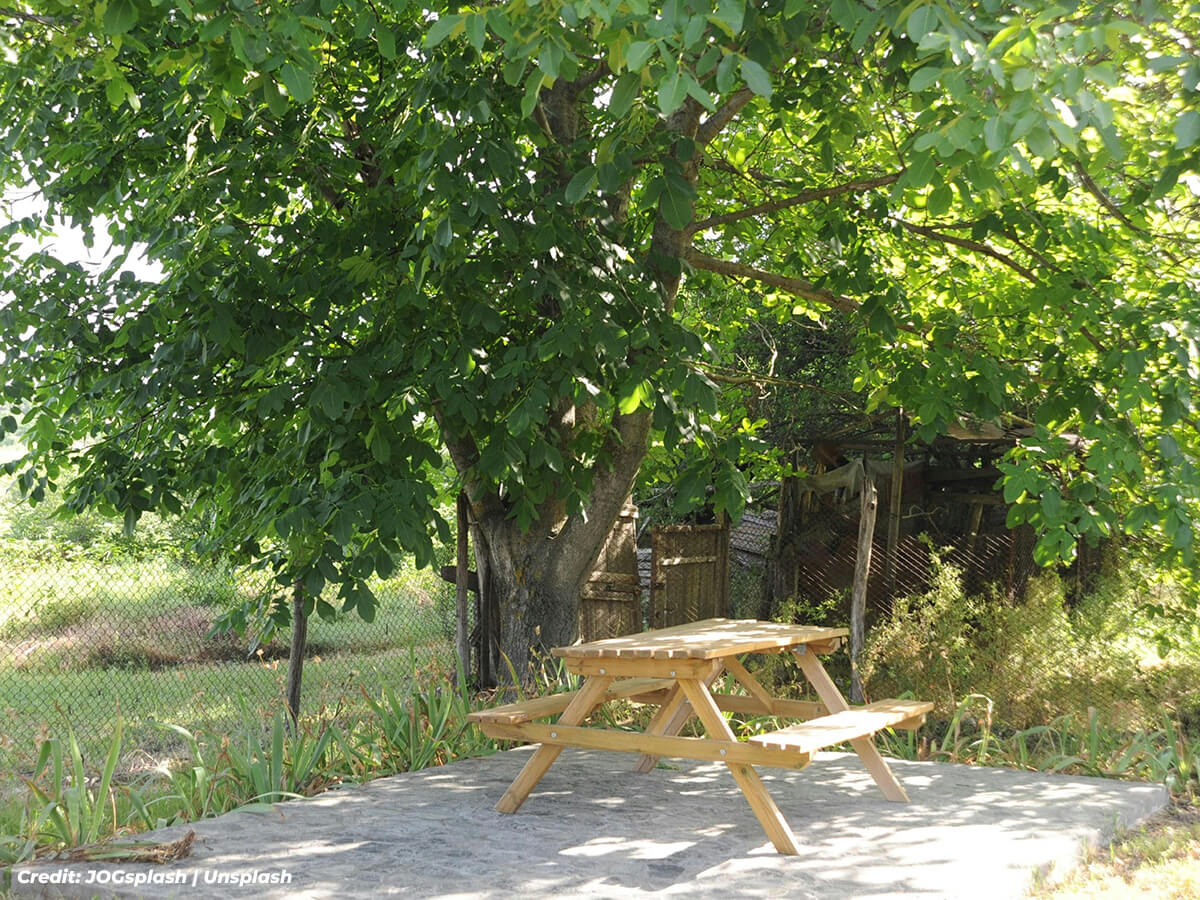
Having a tree is a simple way to make your home that much cooler. Not only does it provide ample shade to keep the sun off of the house, but the trees themselves cool the area around them and keep the sun’s rays off heat-absorbent parts of your property that might otherwise contribute to the heat. Shade trees are a prudent, eco-friendly investment that also contribute to a cooler, more comfortable home for you.
Having shade trees grace your home matters, but it’s just as important to have a provider to supply healthy trees that can last the test of time and make your home look beautiful while they’re at it. Caledon Treeland is that shade tree provider you can count on to provide shade trees as useful and convenient as they are beautiful. Give us a call now at (905) 880-1828 to make an appointment and look around our tree farm for the right tree for your home.