
You can’t put a price on clean, healthy air. For many homeowners, ensuring good indoor air quality is an issue solved with filters, purifiers, and clean vents. Yet some of the most effective filtering happens outside, courtesy of your trees. Your trees naturally purify the air around your home, and do that work quietly through every season, catching and absorbing particles that would otherwise drift through your open windows.
Want to know how your trees do the job and do it so well? Here’s a short list of guiding questions to help you understand how it’s all done.
1. How Do Tree Leaves Catch Dust Before It Reaches Your Windows?
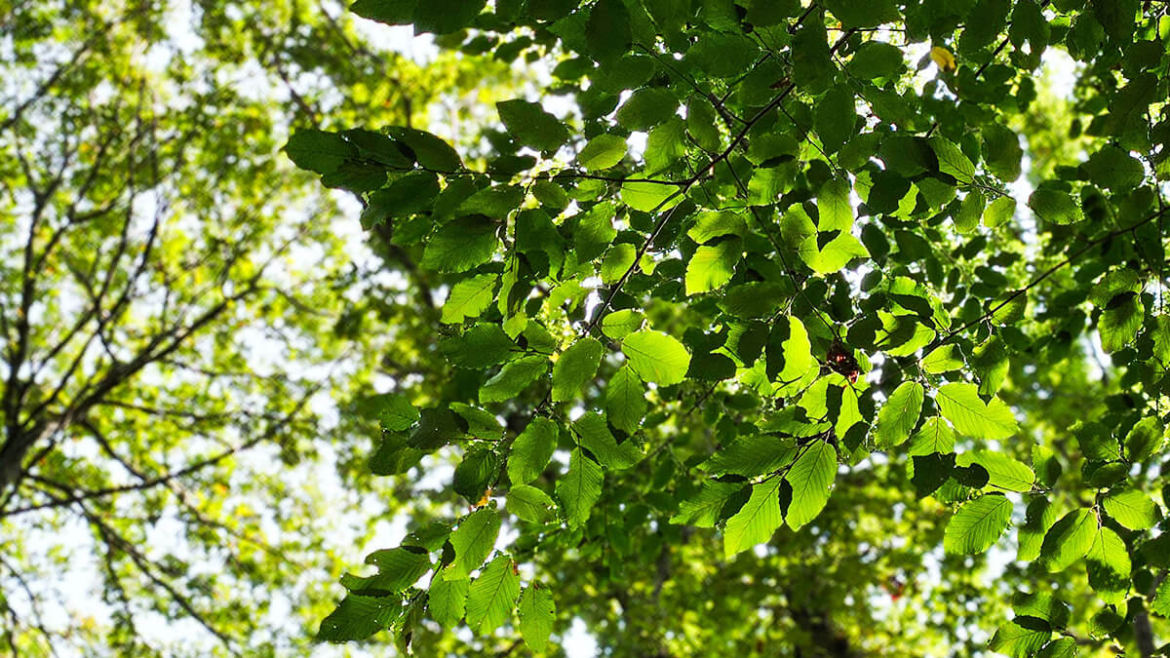
A leaf might feel smooth to the touch, but it isn’t as simple as it feels. A leaf’s surface presents a slightly rough, waxy surface that airborne dust clings to as breezes move through the canopy. A mature tree carries an enormous number of leaves, and therefore surfaces, so a single tree near the house intercepts many of the soil particles, road grit, and debris that would otherwise drift straight indoors.
2. Can Trees Absorb Gases That Irritate Your Lungs?
Leaves do more than absorb particles that might otherwise drift indoors; they also take in harmful gases through tiny pores on their undersides. Those pores draw in common outdoor pollutants (such as carbon dioxide) produced by traffic, heating equipment, and nearby industry. The tree processes those gases it absorbs, clearing the air around your house and making the surrounding yard gentler on sensitive lungs.
3. Do Backyard Trees Add Fresh Oxygen to the Air You Breathe?
Photosynthesis is more than simply absorbing sunlight as a process. It’s actually a two-way exchange. As a tree pulls in carbon dioxide and sunlight, it releases oxygen into the surrounding air as a by-product. As an added bonus, that release happens right at ground level, making it easier to breathe in and appreciate the fresher air your tree provides.
4. How Do Trees Lock Away Carbon Year after Year?
A portion of the carbon a tree absorbs stays put in itself. That carbon is converted by the tree into the wood in the trunk, branches, and roots, and remains there for the tree’s lifespan. A backyard maple or oak quietly stores decades of accumulated carbon, and every season of healthy growth adds more.
5. Can Trees Keep Loose Soil from Becoming Airborne Dust?
Bare ground is a dust factory; as the soil erodes, it breaks down into particles, the same particles that can blow into your indoor air and make it so dusty. Trees are an excellent bind soil in place, fallen leaves form a protective layer over it, and the canopy softens rainfall that would otherwise splash particles loose. The result is far less airborne grit, which matters especially on rural lots and new builds where topsoil sits exposed.
6. Do Shade Trees Reduce the Pollution Your Home Creates?
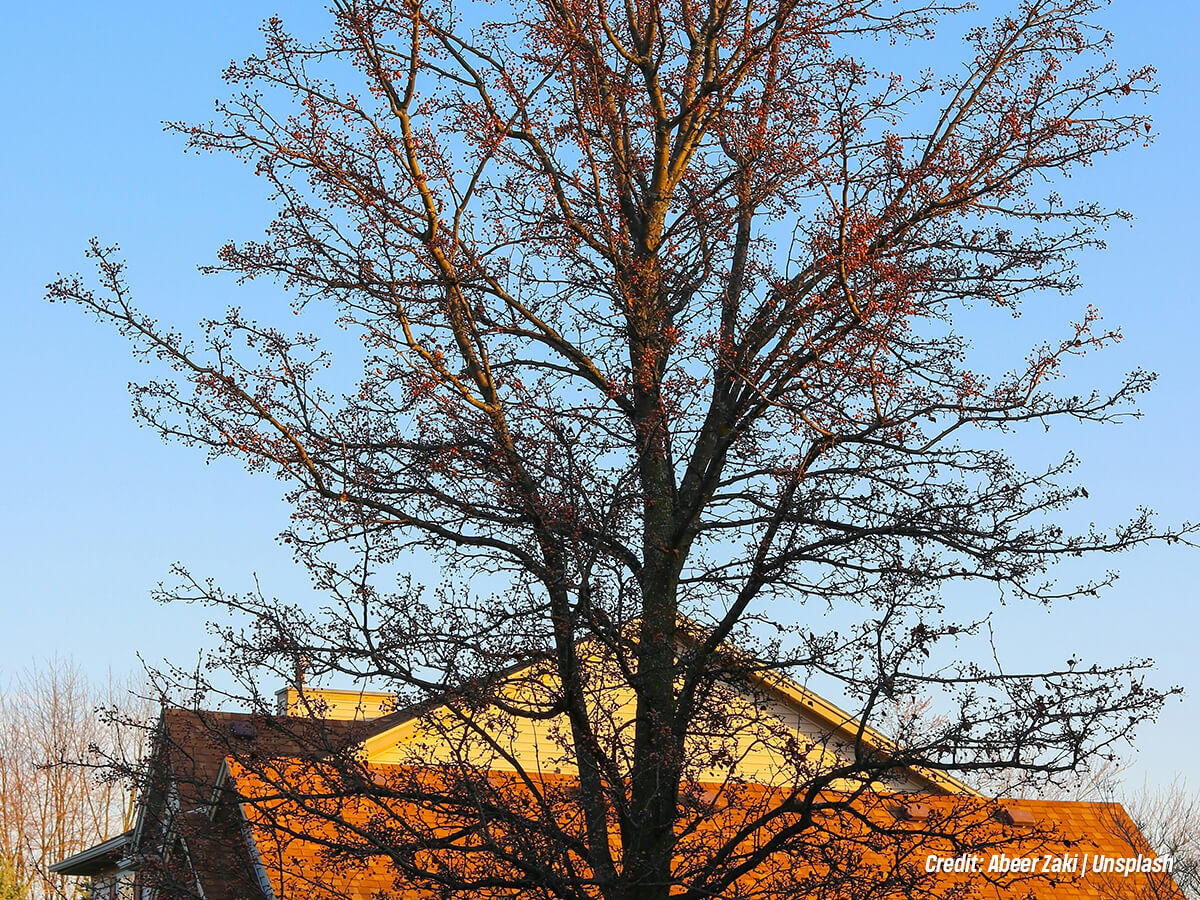
Placement always matters for trees, especially when it comes to shading and cooling your home. A tree shading west and northwest of your house keeps the afternoon sun off the house, and keeps the interior temperatures low as the afternoon progresses. This natural cooling demands less of the air conditioner, meaning less electricity used by your home and fewer emissions generated upstream. Planting for shade is as much a power-saving measure for the house as it as a way to improve air quality.
7. How Do Trees Slow the Wind That Carries Contaminants?
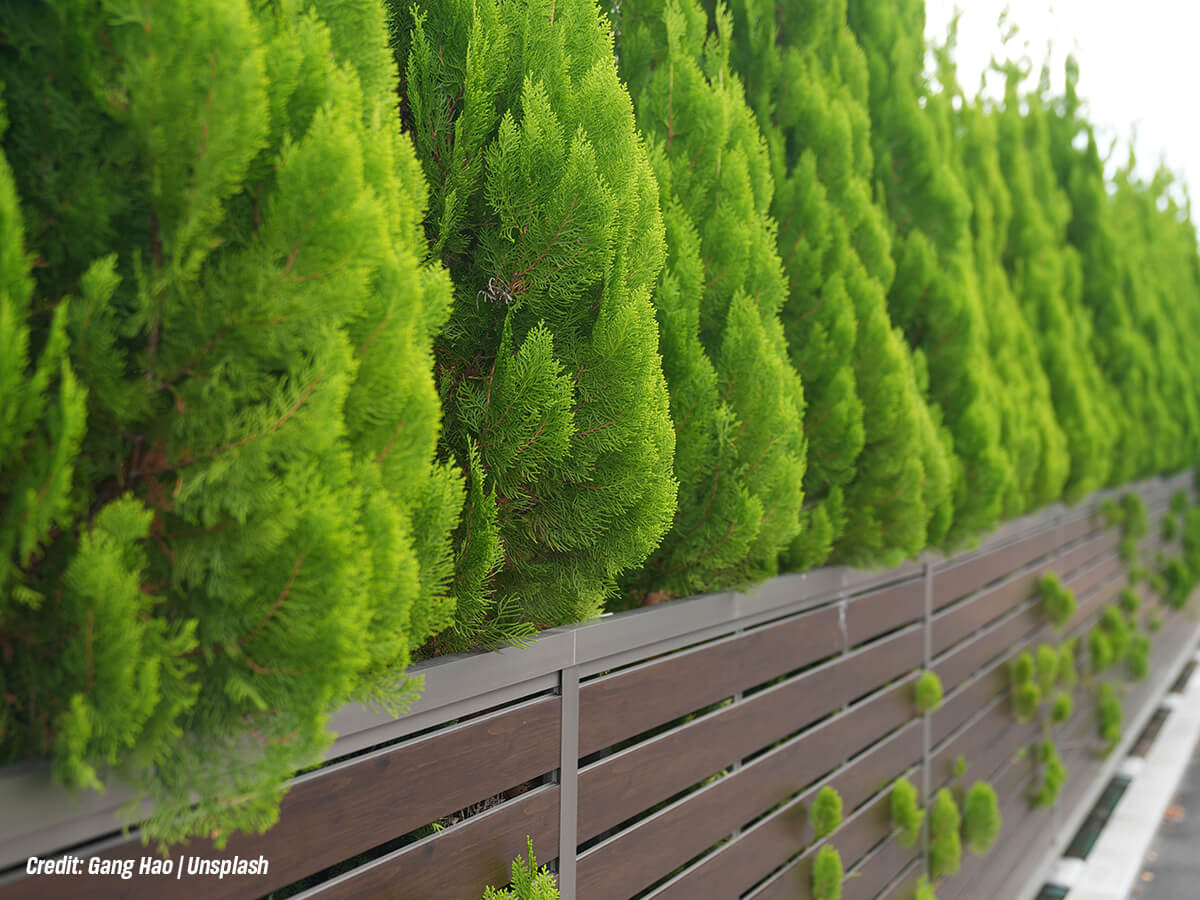
A row of trees along a property line acts as a property line and barrier, and that’s also true for particles. Those trees serve as a windbreak, forcing air upward and slowing it as it filters through the branches. Slower air drops its load of dust, exhaust particles, and drifting agricultural spray before reaching the house. Homes near busy roads or open fields (which can dispense ample particulates into the surrounding air) benefit most from this buffering.
8. Can Trees Balance the Moisture in the Air Around Your Home?
Trees draw water up through their roots and release it as vapour through their leaves. This is one of the ways trees can help keep the house cool as well improve the air quality. That steady transpiration throughout the day raises humidity slightly and cools the air beneath the canopy, which helps fine dust settle instead of hanging and circulating.
9. Does Rain Help Trees Reset Their Filtration?
Particles caught on leaves and bark do not stay there forever. Rainfall washes them down into the soil, where they are held rather than resuspended, leaving the canopy clean and ready to capture more. Each storm renews the filter, which is why trees keep working season after season.
10. Do Well-Maintained Trees Filter Better than Neglected Ones?
A tree with a full, healthy canopy has far more leaf surface available for capturing and absorbing pollutants. Proper pruning, sound branch structure, and early treatment of pests and disease all protect that surface area. A declining tree filters less each year and eventually becomes a hazard.
Your trees provide a wide range of benefits, including improving the quality of your air. They do this work on your behalf every day, and demand little in the way of upkeep and maintenance for the good they do around your home. Keeping your trees healthy is a simple way to maintain the benefits they offer, improvements to your air quality included, and enjoy those benefits for years to come.
Your trees don’t just provide curb appeal to your property; the right specimens offer benefits to your shade, privacy, and comfort while they’re at it. Caledon Treeland provides those quality trees, and our team is only too happy to lend a hand making your landscape a little more quiet, tranquil, colourful and private. Give us a call now at (905) 880-1828 to visit our tree farm and find the right specimen for your needs and soil.
Frequently Asked Questions
1. Do Some Tree Species Filter Air Better than Others?
Broadleaf trees with large, dense canopies tend to capture more airborne particles simply because they offer more leaf surface. That said, any healthy tree suited to your soil and climate can contribute to cleaning your air.
2. Do Evergreens Keep Filtering During Winter?
Yes, they do. Because conifers hold their needles year-round, they continue intercepting dust and airborne particles through the winter months when deciduous trees stand bare.
3. How Far from the House Should a Tree Be Planted?
As a rule of thumb, you ought to plant a tree far enough that the mature canopy and root system clear the foundation, driveway, and underground utilities. The right distance depends on the species and its eventual spread, so do your due diligence before planting.
4. Does Pruning Reduce a Tree’s Ability to Clean the Air?
Proper pruning does not. Removing dead or crowded limbs encourages denser, healthier growth that expands the canopy. Heavy topping is different; that practice strips away leaf surface and leaves the tree weakened and less effective.
5. Can One Tree Make Much of a Difference?
A single tree improves the air immediately around your home, especially when planted near windows or seating areas. A group of trees working together are even better; multiple trees produce a noticeably stronger effect.