
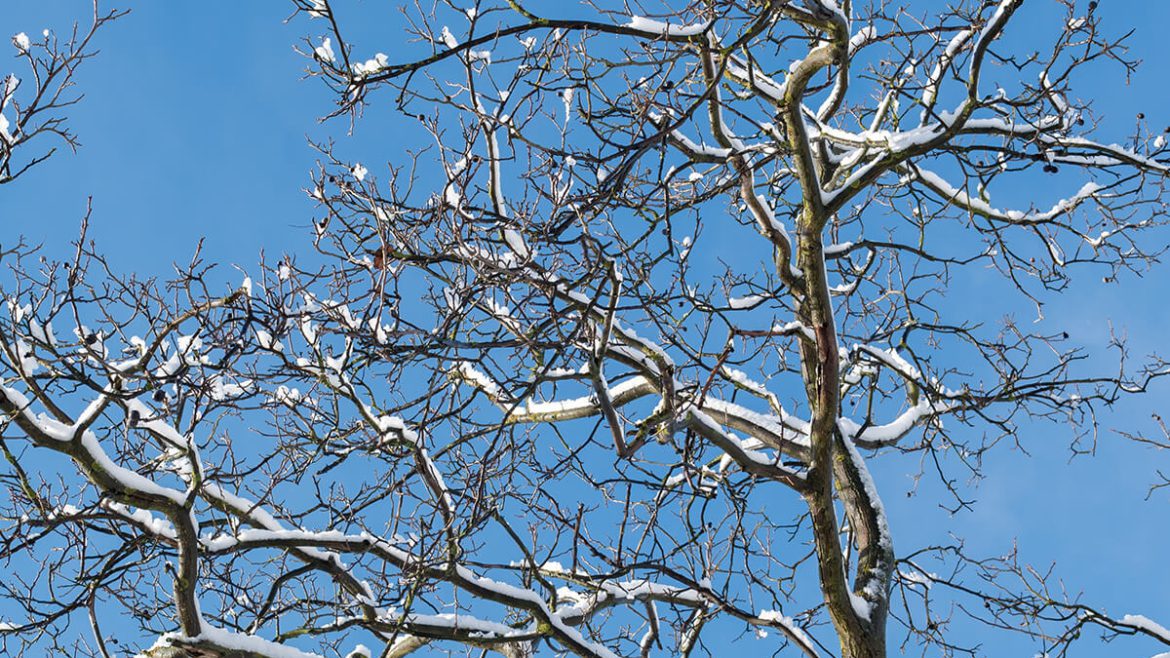
Winter is a harsh season, for your home and its surroundings, but also your trees. The wind, the snow, and the low temperatures put trees through their paces, and it’s vital that your trees enter winter prepared for those harsh conditions. Trees that enter the cold season stressed or poorly prepared are more likely to suffer injury (such as broken limbs, cracked bark, and dieback) all of which can impact a tree’s growth when spring arrives. Taking the right steps in late fall can make a real difference. Here are eight practical ways to help your trees get through the winter in good shape.
1. Water Deeply Before the Ground Freezes
Trees, especially evergreens, continue to lose water through winter. However, with the soil frozen, the trees are unable to draw the water they need through winter. Giving them a deep, slow watering through the fall until the ground freezes helps build up moisture reserves in the roots to help the trees through the cold months. Focus on the area under the canopy rather than at the trunk; this is where most feeder roots are found (and these are the roots that spread out and absorb water and nutrients from the soil). Newly planted trees particularly benefit from this additional watering because their root systems are still developing. This watering helps the root systems develop so the tree can gather water as it gets older and anchor itself more securely into the ground.
2. Add a Layer of Mulch
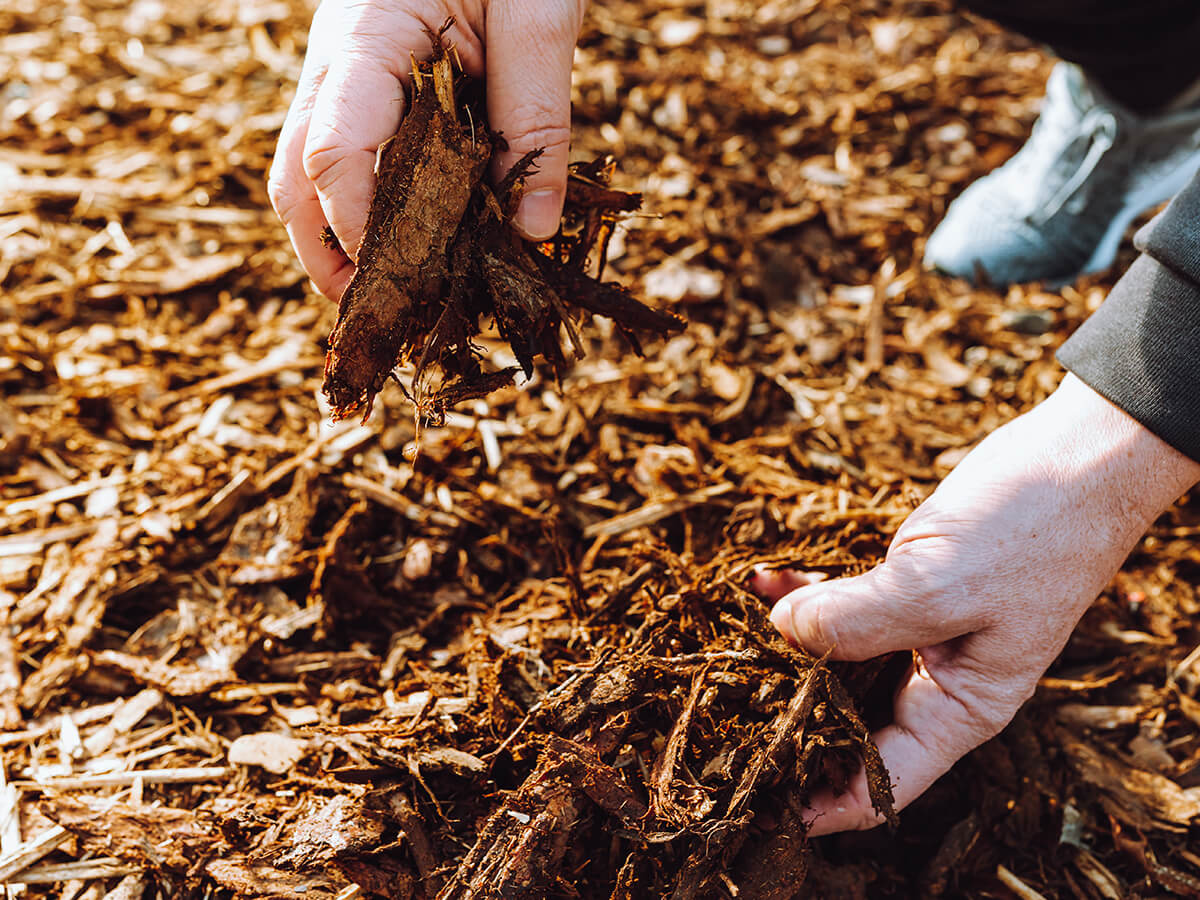
A layer of organic mulch such as shredded bark or wood chips is one of the most effective steps you can take for a tree. Mulching comes with a number of benefits, such as insulating the soil and protecting roots from sharp temperature swings. It also holds in moisture and limits the repeated freezing and thawing that can impact young trees. Take care to mulch properly to insulate the tree’s roots effectively. Spread the mulch 5 to 10 cm deep over the root zone, and a decent distance from the trunk to prevent rot and discourage rodents.
3. Wrap Young and Thin-Barked Trees
Newly-planted trees as well as thin-barked species, such as maples, fruit trees, and lindens, are prone to sunscald and frost cracks. These injuries happen when winter sun warms the bark during the day and temperatures drop sharply at night. Wrapping the trunk with a light-coloured tree wrap reflects sunlight and keeps bark temperatures more even. When spring arrives, however, take care to remove the wrap to avoid trapping moisture against the bark or restricting the tree’s future growth.
4. Prune Dead and Weak Branches
Winter is an ideal time to do your pruning work, given that trees go dormant in winter. Winter also comes with certain hazards that make weak branches more prone to failure. Dead, damaged, or poorly attached branches are the first to break under the weight of snow and ice. Removing them while trees are dormant reduces the risk of limbs falling on the tree’s surroundings. Take care to properly identify any weak or vulnerable limbs to guide your pruning efforts.
5. Protect Evergreens from Winter Burn
Cold, drying winds and the bright sun reflected off the snow can pull moisture from evergreen needles faster than the roots can replace it, leaving them brown by spring. A burlap screen set up against the wind helps shield exposed shrubs and young conifers. Avoid wrapping burlap too tightly around the foliage, as this can hold in heat and moisture against the needles.
6. Keep De-Icing Salt Away from Roots
It’s always a good idea to take care with your salt, especially if you have trees close to your driveway or paths. Road and sidewalk salt can build up in the soil and damage roots, while salt spray can injure buds and needles. Take care to shovel salty snow away from tree beds and choose sand or a salt-free traction product near trees. Flushing the soil with water in spring can finish your de-salting efforts by washing out any leftover salt you’ve missed.
7. Guard Against Rodents and Wildlife
Pests might become less active in winter, but not all of them are so inactive. Mice, voles, and rabbits often chew on bark when other food is scarce, and damage that circles the trunk can kill a young tree. One of the most effective assistance you can offer a young tree is adding hardware cloth or plastic tree guards around the base. These materials offer a simple barrier that can keep these chewing pests away from a tree. Make sure the guard extends above the expected snow line, since animals can reach higher as snow piles up.
8. Remove Heavy Snow Gently
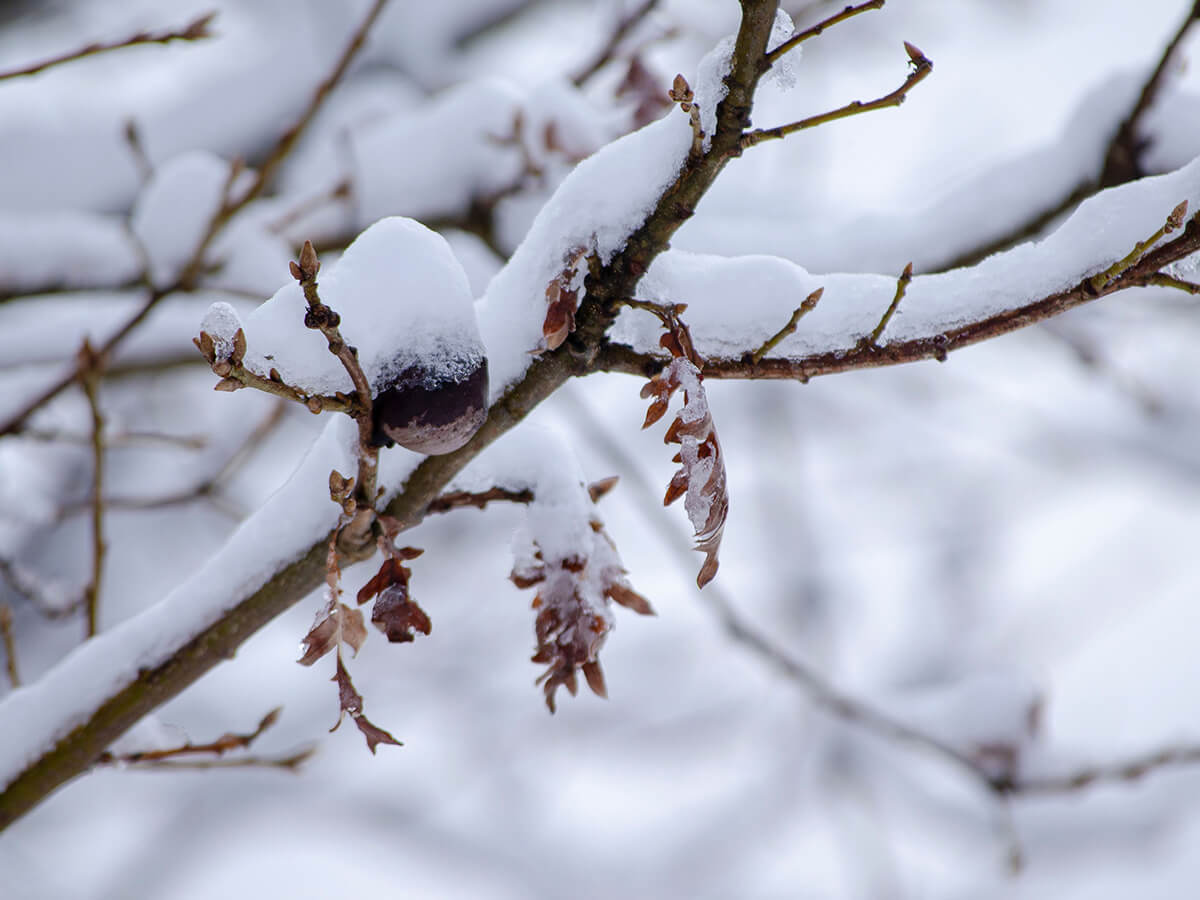
Ice and snow can gather on branches, especially after heavy storms. Those same storms can also send strong winds that can compromise branches. Knowing what to do for your trees after a severe storm goes a long way to looking after them and protecting yourself. After a heavy snowfall, use a broom to carefully brush snow off low branches, using upward sweeps to ease the load. Leave ice-coated branches alone, these branches are brittle and can snap if you try to knock the ice off. Let the ice melt naturally and call an arborist if a large limb looks ready to fail.
Preparing trees for winter consists of many simple tasks that aren’t too difficult or time-consuming themselves, and which pay off in spring when the trees start strong and grow healthily when the regrowth begins. The trick is to start with the steps that suit your trees and property, and have a certified arborist assess any tree that shows signs of decay, cracking, or leaning.
Planning to add new trees to your property once winter is over? Caledon Treeland provides shade and privacy trees that can help you create a cooler, more private outdoor space. Call (905) 880-1828 today to speak with our team and find the right trees for your yard and your needs.
Frequently Asked Questions
1. When Should I Start Preparing My Trees for Winter?
Late fall is a good time, after leaves drop but before the ground freezes. This gives you time to water deeply, apply mulch, and add trunk wraps or guards before cold weather sets in.
2. Do Evergreens Need Extra Winter Protection?
Yes, they need some help. Evergreens keep their needles all year and continue losing moisture through winter. Deep fall watering and a burlap screen on the windward side can help reduce winter burn.
3. Can I Prune My Trees in Winter?
Winter is a good time to prune many trees because they are dormant and branch structure is easy to see. Leave large limbs and work near utility lines to a certified arborist.
4. Should I Fertilize My Trees Before Winter?
Avoid fertilizing with nitrogen late in the season. It can encourage tender new growth that is easily damaged by frost. Wait until spring, when trees are actively growing.
5. What Should I Do If a Branch Breaks During a Storm?
Stay clear of the area, especially if the branch is near power lines. Once it is safe, have a certified arborist remove the broken limb and make a clean cut to help the tree recover.