
When most people think of fall and trees, it’s the leaves turning orange and shedding that comes to mind. However, when it comes to tree care, fall is the last practical window to get your trees ready for the cold, snowy winter months. Once the ground freezes and branches start loading up with ice, it gets much harder to give your trees that essential TLC to keep them healthy. However, with a few hours of preparation early in fall, you can can avoid doing extra work caring for the tree come January.
Here’s a short list of questions to help you figure out what to work through before winter settles in.
1. Have You Inspected Every Tree on the Property?
It’s a good idea in general to make a visual inspection of your trees twice a year. Those inspections are key to looking after your trees’ health (inspections are particularly good for catching pests in particular), and fall is an excellent time to have one of those inspections. Start with a slow walk around the yard while the leaves are still coming down. Look for cracks in major limbs, mushrooms or soft spots at the base, bark peeling away in sheets, and branches hanging at odd angles. Once a tree’s branches shed, it’s much easier to spot issues now that the leaves aren’t in the way. Note anything that looks off, along with its location, so you have a clear list to work from rather than a vague sense that something needs attention.
2. Is Now the Right Time to Prune?
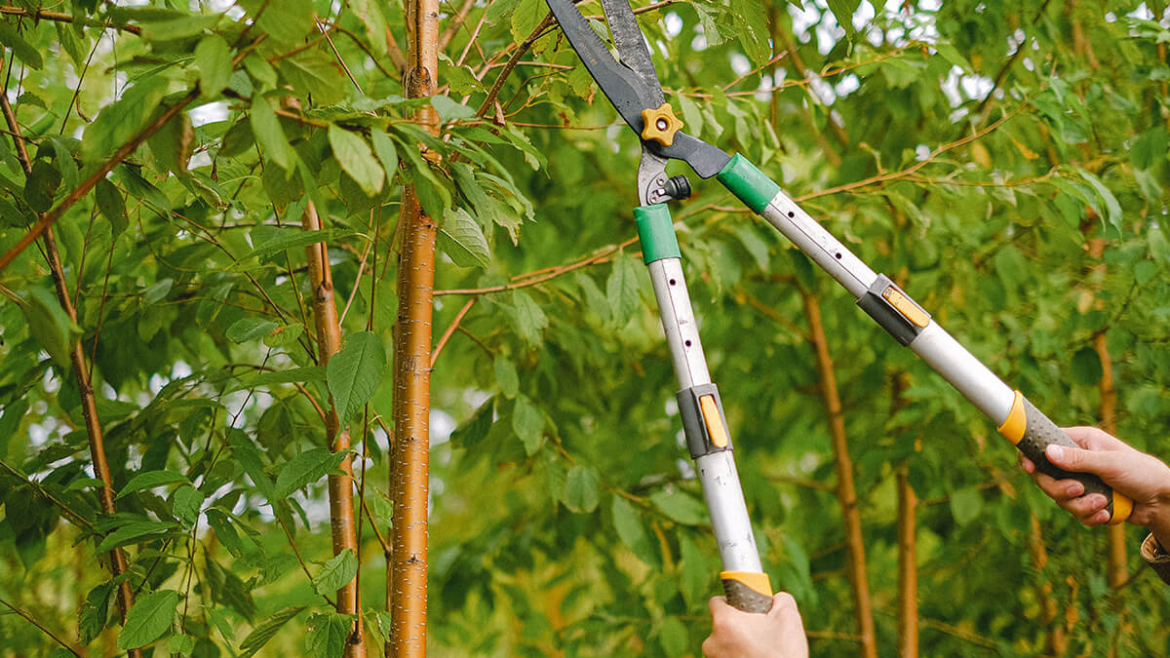
Pruning is ideally done once trees have gone dormant and dropped their leaves, which in most of Canada means late fall through winter. Cuts made during dormancy heal cleanly, and the insects and disease organisms that could spread through open wounds and cause harm are much less active in cold weather. Focus on dead, damaged, or crossing branches rather than reshaping the whole canopy. If a limb is large, overhead, or anywhere near a power line, that is work for a certified arborist with the right equipment.
3. Have You Cleared Leaves and Debris from the Base?
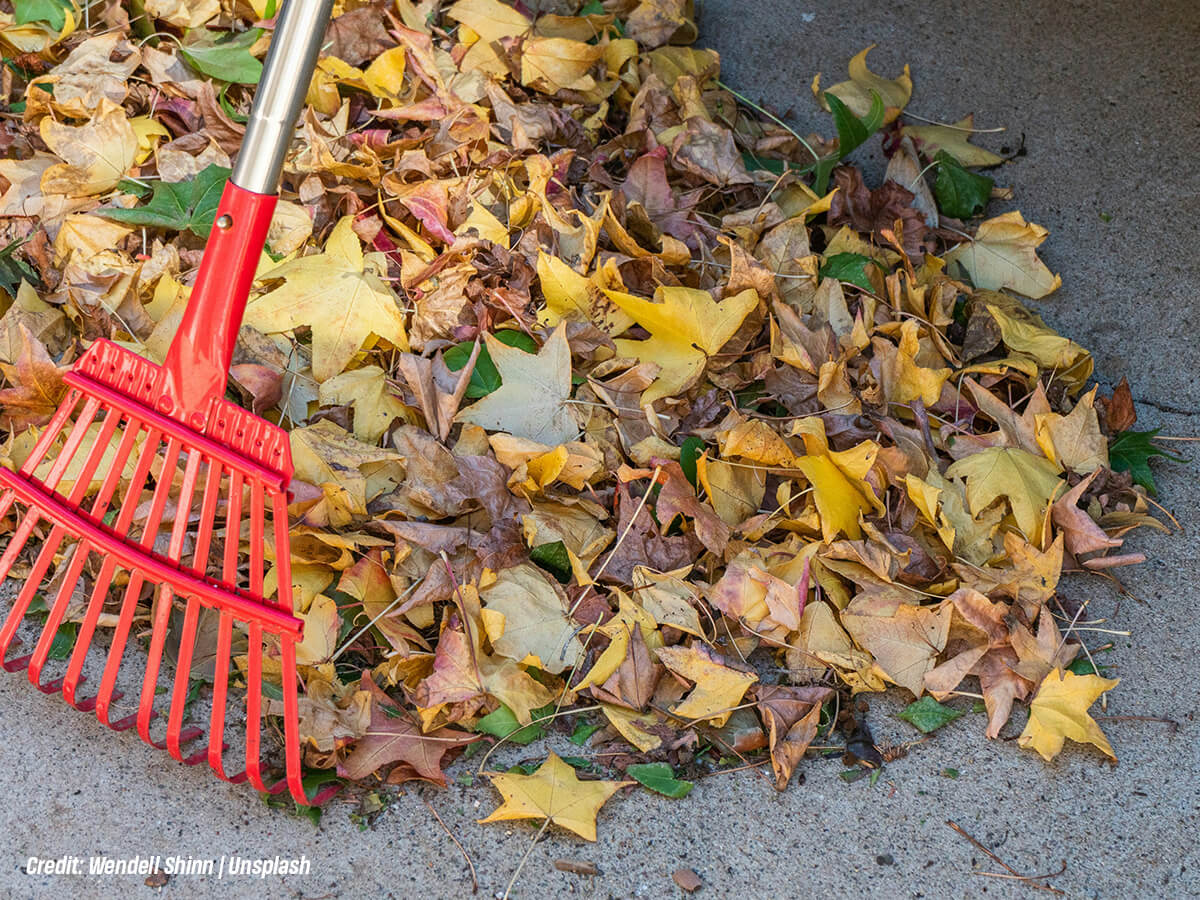
There’s more to raking leaves than just clearing up space on the lawn. Piles of wet leaves against a trunk hold moisture, which can encourage rot and give rodents cover to chew at bark through the winter. Rake the area clean, pull back any old mulch that’s matted into a crust, and remove fallen fruit that would otherwise attract animals. Debris also hides early signs of trouble, so clearing it doubles as an inspection. Compost what you collect, unless the material came from a tree you suspect is diseased.
4. Are Your Trees Well Watered Before the Ground Freezes?
Trees lose moisture through their branches all winter, and when the soil is frozen they can’t absorb water to replace it. A deep soaking in late fall, while daytime temperatures still sit above roughly 4°C, gives the roots a reserve to draw on. Water slowly at the drip line rather than right at the trunk so moisture reaches the fine feeder roots. Evergreens benefit most, since they keep their needles and continue transpiring through cold, dry, windy stretches.
5. Have You Refreshed the Mulch Layer?
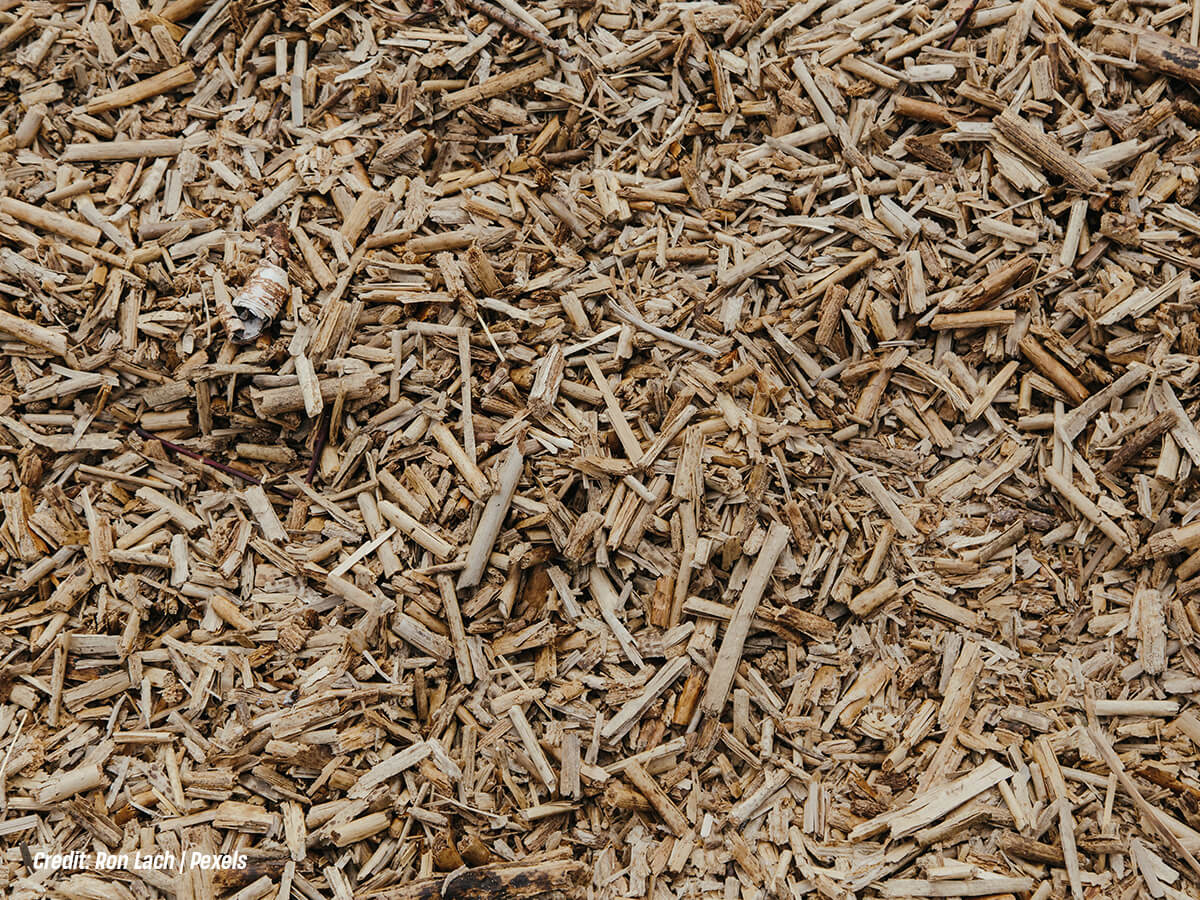
Mulch is one of the most effective steps you can take to care for your trees; as such, it pays to know what mulch can do and how you can apply mulch to your tree. That mulch insulates soil, slows the freeze and thaw cycles that heave roots, and holds moisture where roots can reach it. Spread 5 to 8 cm of shredded bark or wood chips over the root zone, extending outward as far as practical. Keep the mulch about 10 cm clear of the trunk itself, because piling it against the bark traps moisture and invites decay and insects. Refresh the layer rather than adding to it endlessly, which keeps it from becoming too thick to breathe.
6. Do Young or Thin-Barked Trees Need Protection?
Winter has its hazards for trees, but there are steps you can take to address those threats. Young trees in particular often need a helping hand as they set down roots; species such as maples, lindens, and fruit trees are particularly vulnerable to sunscald, which occurs when winter sun warms the bark on the south and west sides and a sudden temperature drop kills the tissue underneath. A light-coloured tree wrap or a plastic guard reflects that heat away. The same guards stop mice, voles, and rabbits from girdling the trunk under the snow. Put wraps on in late fall and take them off in spring so they do not restrict growth.
7. Are Any Limbs Hanging Over the House, Driveway, or Wires?
Overhanging branches are a typical hazard that a professional arborist needs to look at and deal with. Snow and ice add serious weight to a tree’s branches, and a limb that looks harmless before winter can fail under that load. Knowing how to identify weak and dangerous limbs in advance goes a long way to protecting your home. Pay particular attention to anything reaching over a roof, a parked car, a walkway, or a service line. Removing or shortening those branches now is a far simpler prospect than dealing with them after a storm. Winter wind compounds the problem, and a limb that already has a crack in it rarely survives the season.
8. Have You Booked a Professional Assessment?
Some problems are difficult to judge from the ground. Internal decay, root damage from recent construction, and structural weakness in a mature tree often need a trained eye and, at times, specialized tools. Booking an assessment in fall gets you honest advice while there is still time to act, and crews are easier to schedule before the first storm creates a backlog of emergency calls. A written report also helps you plan work over the next few seasons.
Winter prep is not a complicated job, but it is a time sensitive one. Inspecting, pruning, clearing, watering, mulching, wrapping, and handling risky limbs all become harder or impossible once the ground is frozen, and are therefore vital tasks you need done in the fall before the cold sets in. Work through the list over a couple of weekends this fall, and bring in an arborist for anything beyond your reach to ensure your trees are ready before the first snows.
The right trees can be a boon for your home, especially if you want a little extra privacy or shade. Caledon Treeland provides shade and privacy trees to help improve your quality of life at home. When you need some trees to offer some much-needed shade, cooling, and noise dampening to make your time at home more comfortable, we’re here to offer a helping hand. Call us now at (905) 880-1828 and visit our tree farm to find the right tree for your home and conditions.
Frequently Asked Questions
1. When Is the Best Time to Prune Trees in the Fall?
When the tree is dormant and has dropped most of its leaves, typically from late October onward, is the ideal time to prune as this period minimizes damage to the tree. Dormant cuts close cleanly, and cold weather keeps disease and insect activity low so the tree can recover.
2. How Much Should I Water My Trees Before Winter?
Give each tree a slow, deep soaking at the drip line when daytime temperatures remain above roughly 4°C (which allow the water to remain liquid). One thorough watering is better than several light ones.
3. Is Fall Mulching Really Necessary?
Yes, the mulch provides insulation for the soil and helps it retain moisture. A 5 to 8 cm layer over the root zone moderates soil temperature and reduces root heaving during freeze and thaw cycles. Keep the mulch layer about 10 cm back from the trunk.
4. Should I Wrap All of My Trees?
No, not necessarily. Wrapping is meant for young trees and thin-barked species prone to sunscald or rodent damage. Established trees with thick, mature bark do not need it and can be safely left alone.
5. What Should I Do If a Branch Breaks During a Storm?
Stay well clear of the area, especially if wires are involved, and refrain from attempting removal from a ladder. Have a qualified arborist assess the limb, as they can remove hazardous limbs safely.