
Who doesn’t enjoy a nice cooling breeze from time to time, especially when it’s hot outside. However, too much of anything can quickly become a problem, and the same goes for the wind. The same wind that keeps you cool when it’s hot can also rattle your windows and send patio furniture skidding if it blows hard enough. That over-strong wind can become a problem, but like many problems around the house, there are solutions at hand if you know how to use your imagination. Your trees at home aren’t just there for shade and curb appeal; they provide a plethora of other benefits, from providing shade to slash your cooling bills to filtering outside noise from your home. They can also serve as a natural defence system, softening the force of the wind long before it reaches your walls, roof, and windows. Understanding how they do this can help you appreciate your landscape and plan it wisely. Here are seven ways your trees help keep the wind at bay.
1. How Do Trees Act as a Living Windbreak?
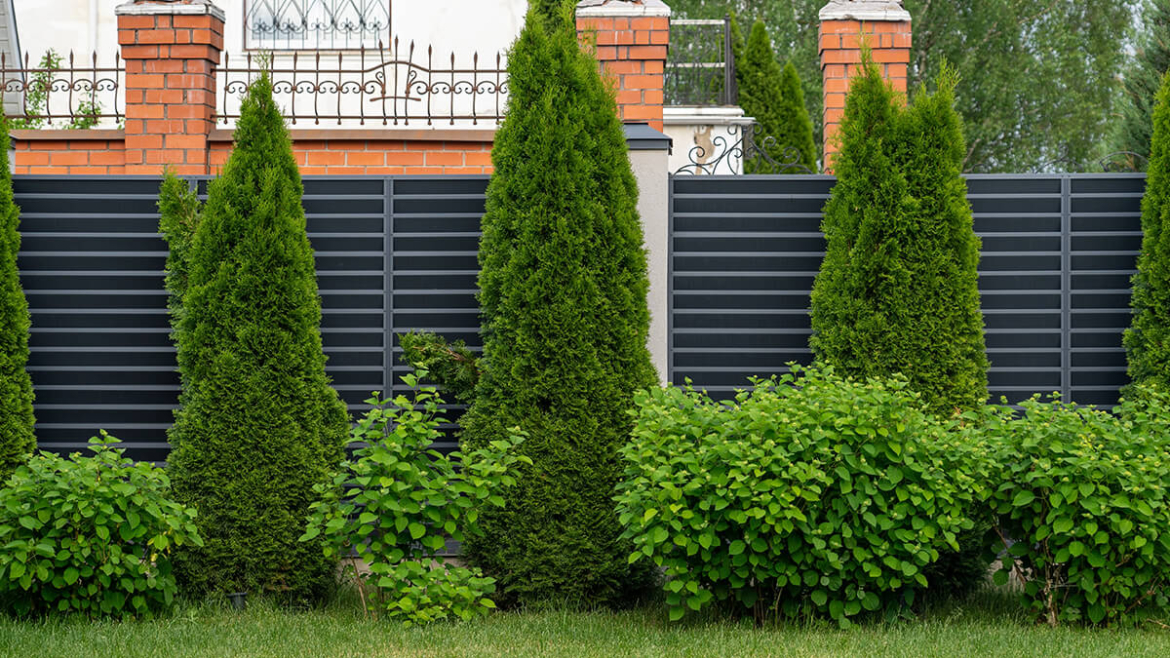
Your trees can work as a barrier as well as a source of shade. A well-placed group of trees can provide a natural windbreak that absorbs the force of heavy winds. Using trees as windbreaks is a common practice on many farms in Canada, but there’s nothing stopping you from using it at your house too. As moving air meets a row of trunks, branches, and leaves, it cannot pass through cleanly. Instead, the wind is broken up, slowed, and scattered into smaller, weaker, and more manageable currents. This filtering effect creates a noticeable sheltered pocket on the downwind side, where the air is conspicuously calmer. A dense stand of evergreens can reduce wind speeds over a distance many times the height of the trees themselves, providing a considerably larger stretch of yard and house behind that row.
2. Can a Row of Trees Redirect Airflow Over Your Roof?
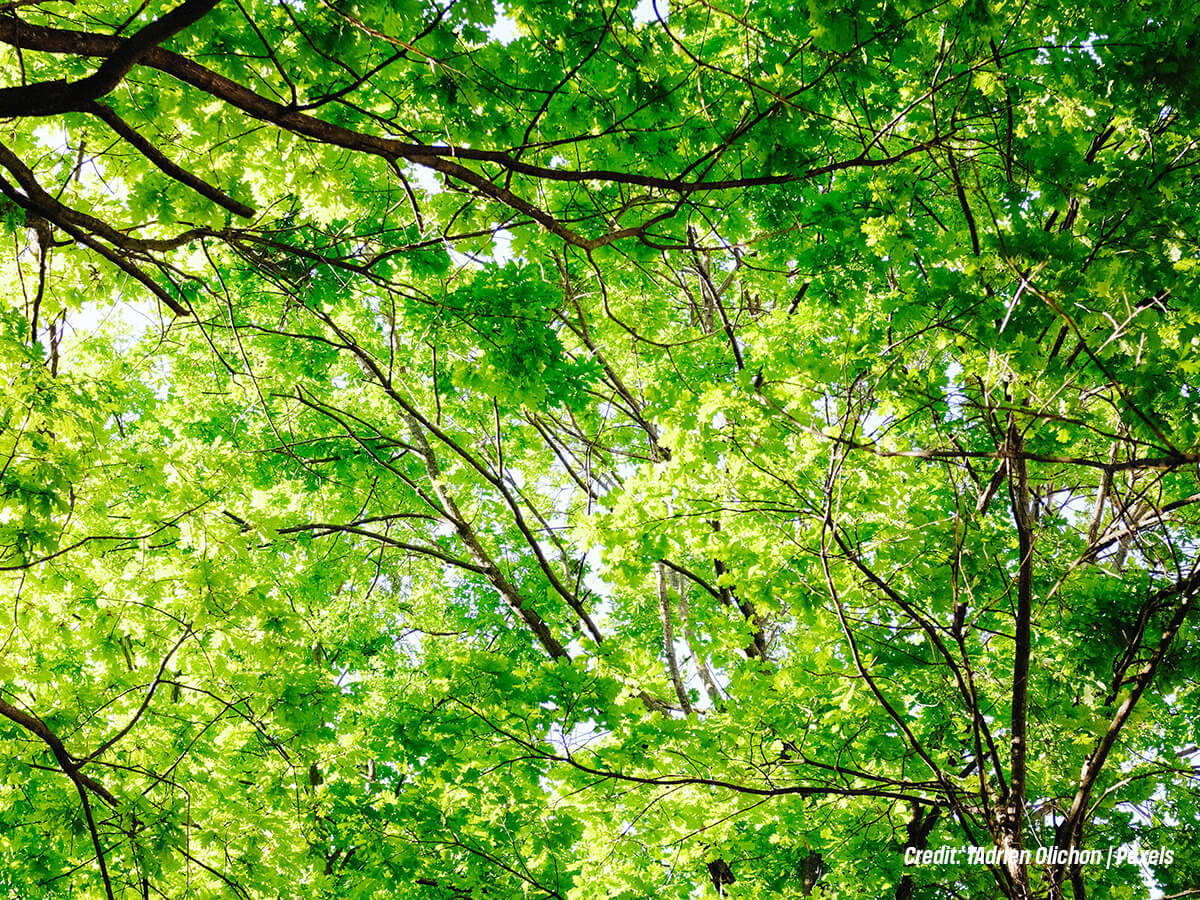
Trees don’t just stop heavy winds; they guide it too. When a tall, healthy canopy stands between the prevailing wind and your house, it lifts the airflow upward, carrying the air current over the rooftop rather than slamming it directly into the structure. This deflection reduces the strain placed on your shingles, eavestroughs, and roof edges during a storm, and lessens the impact of those winds on the house. By encouraging the wind to travel above the home instead of pressing against it, mature trees help lower the risk of lifted shingles and other roof damage that might arise from high gusts.
3. Do Trees Reduce Wind Pressure Against Your Walls?
High winds exert considerable physical pressure on the flat surfaces of your home; your exterior walls in particular absorb much of that stress. A study from the University of British Columbia found that even a single tree can reduce wind pressure against a house by a noticeable degree. A screen of trees can provide a more enhanced effect. Positioning that screen on the windward side provides a barrier against a large share of that energy first, absorbing a portion of it before it hits the house. Against the wind, branches flex, leaves flutter, and the collective mass of the canopy takes the brunt of the gust. What finally reaches your siding is a far weaker version of the original wind. Over the years, this steady reduction in pressure can help protect exterior finishes, window frames, and door seals from the constant battering they would otherwise endure.
4. How Do Trees Protect Your Windows from Flying Debris?
Some of the most serious storm damage comes not from the wind itself but from what it carries. Loose branches, gravel, and garden objects can become projectiles when driven by a strong gust. Trees help intercept this airborne debris before it strikes your glass. Their branches and foliage catch smaller items and slow larger ones, acting as a cushioning barrier between the open sky and your vulnerable windows. While no tree can stop every object, a healthy, well-maintained canopy meaningfully lowers the chance of a broken pane during severe weather.
5. Can Trees Lower the Wind Chill Around Your Home?
Wind does more than push against your house; it strips warmth away from it. On a cold, blustery day, moving air pulls heat from your walls and windows far faster than still air would; this lowers the temperature inside and forces your heating system to work harder to maintain warmth. By slowing the wind close to your home, a sheltering row of trees reduces this chilling effect. The calmer air that settles in the protected zone helps your home retain its warmth, which can translate into a more comfortable interior and less strain on your furnace throughout the cold winter months.
6. Do Healthy Root Systems Help Anchor the Soil?
The benefits of trees during windy weather reach below ground as well. A mature tree spreads a wide network of roots through the soil, binding it together and holding it firmly in place. When strong winds sweep across an exposed yard, loose or dry soil can lift and blow away; repeated erosion over time can undermine the ground near your foundation. The anchoring effect of tree roots keeps the soil stable, reduces dust carried by the wind, and helps maintain your landscape.
7. How Does Proper Tree Placement Maximize Wind Protection?
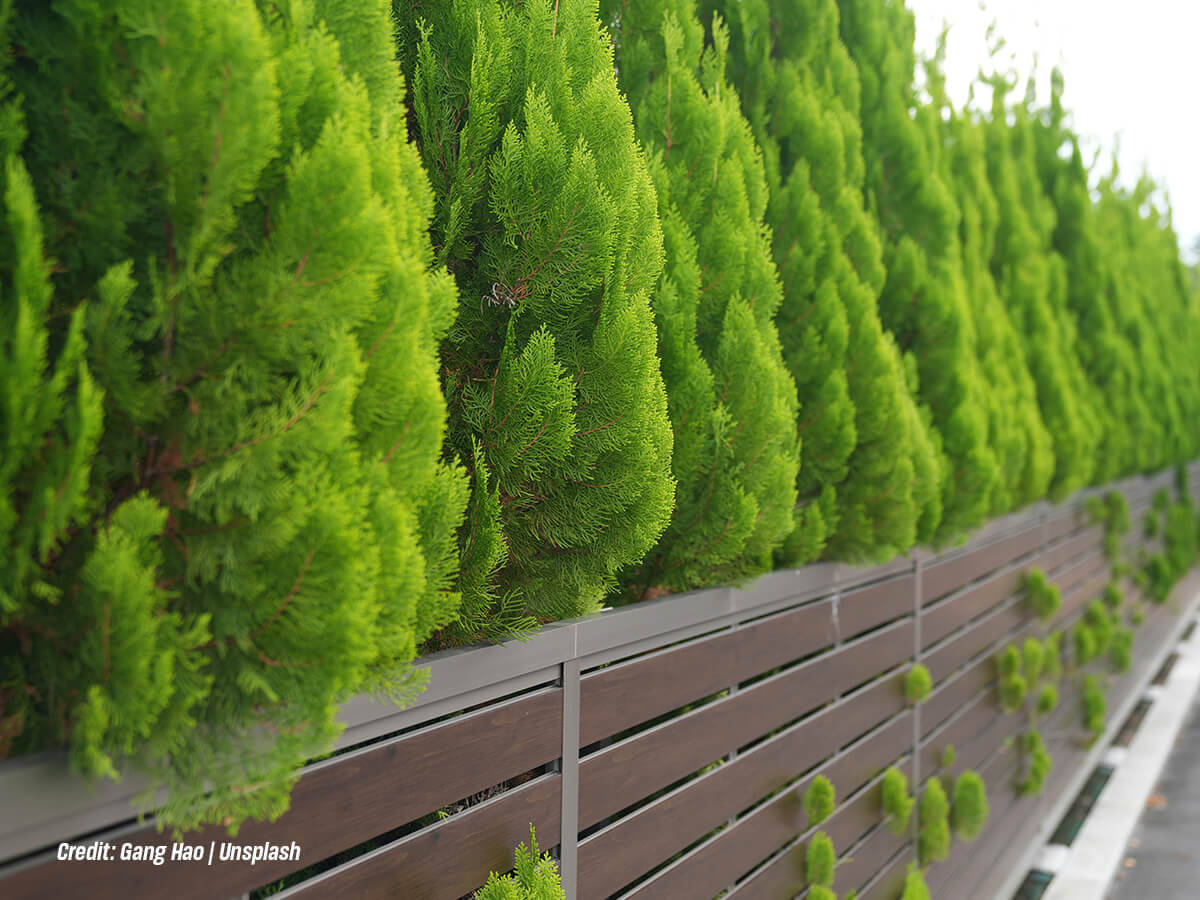
Location matters when it comes to planting your trees. The right location is vital for maximizing a tree’s shade, as well as keeping the wind off of your house. To shield your home effectively, trees are best planted on the side that faces the prevailing winds. In the case of many regions in Canada, that means planting them toward the north and west. Spacing matters too; a continuous barrier works better than scattered specimens with wide gaps between them. Positioning trees a sensible distance from the house also allows the canopy to deflect wind while keeping branches safely clear of the roof.
Your trees are far more than decoration to boost your curb appeal. With the proper placement, they can successfully break, redirect, and absorb any heavy winds and keep your home safer and more comfortable. A cared-for canopy is as much a provider of shade as a dependable defence for your property against high winds, giving you another layer of protection against unfavourable weather conditions.
Ready to give your home some shade and privacy trees. The team at Caledon Treeland those same trees to keep your property sheltered and private all year round. Give us a call today at (905) 880-1828 to schedule a trip to our tree farm and pick out the right tree for your home.
Frequently Asked Questions
1. Which Trees Work Best for Blocking Wind?
Dense evergreens such as spruce, pine, and cedar are excellent year-round windbreaks because they hold their needles through winter. Mixing them with hardy deciduous trees adds height and a full canopy for stronger protection.
2. How Far from My House Should I Plant Windbreak Trees?
Generally, trees are best planted a noticeable distance from the house. Ideally, the distance should be far enough that branches stay clear of the roof, but close enough that the canopy still deflects wind over the structure effectively.
3. How Long Does It Take Before New Trees Provide Real Wind Protection?
It varies by species, but most trees need several years to establish a meaningful barrier. Faster-growing evergreens offer noticeable shelter sooner, while slower species deliver sturdier long-term results.
4. Can High Winds Damage the Very Trees Meant to Protect My Home?
Yes. Weak, diseased, or poorly pruned trees can lose limbs or topple in storms. Regular inspection and proper pruning is key to keeping them strong enough to withstand gusts.
5. Do I Need a Whole Row of Trees, or Will a Few Do?
A continuous barrier works far better than scattered trees. Gaps let wind funnel through and accelerate, so a well-spaced, unbroken line provides the most reliable shelter.