

You can tell when summer starts giving way to fall when the air turns cool and crisp, and the leaves turn orange and start to fall. For many homeowners, it’s easy to think there isn’t too much to do to prep the trees for fall except sweep the leaves. However, for those interested in giving their trees all the TLC they deserve, fall is less a transition between summer and winter, and more of a crucial period of preparation to get the trees ready for the cold months. The care you provide your trees now has implications for the health, resilience, and vitality of your trees come spring. Preparing your garden and your trees for winter is part and parcel of proper home care, and one that pays off once spring returns, in the form of lush canopies and strong growth for your trees for years to come. Here are the essential fall care tips to ensure your trees are ready to face whatever winter throws at them.
1. Water Wisely
With the weather turning colder and wetter, it might seem strange to water your trees (and with them shedding all their leaves, it might seem doubly unnecessary). However, consistent moisture is vital for trees as they head into dormancy. A tree’s roots continue to grow until the ground freezes, and they need water to do so effectively and to store reserves for the winter. This is especially critical for evergreen trees, which continue to lose moisture through their needles all winter long. When the ground is frozen solid, the trees are unable to absorb water to replenish this loss, leading to a condition called winter desiccation, which results in brown, dry needles.
Your goal in the fall should be deep but infrequent watering. By deep, the water needs to penetrate deep into the soil, reaching the bulk of the root system. For a mature tree, this means slowly applying a significant amount of water over the entire area beneath its canopy, known as the dripline. A soaker hose is an excellent tool for this job. Let it run on a low setting for several hours, moving it periodically to cover the whole root zone. A good rule of thumb is to ensure the soil is moist to a depth of at least 20 to 30 centimetres. Check the soil moisture every week or so by digging a small hole or using a soil probe. If the top few centimetres are dry, it’s time to water again. Continue this practice until the ground freezes and you become unable to continue.
2. Mulch with Purpose
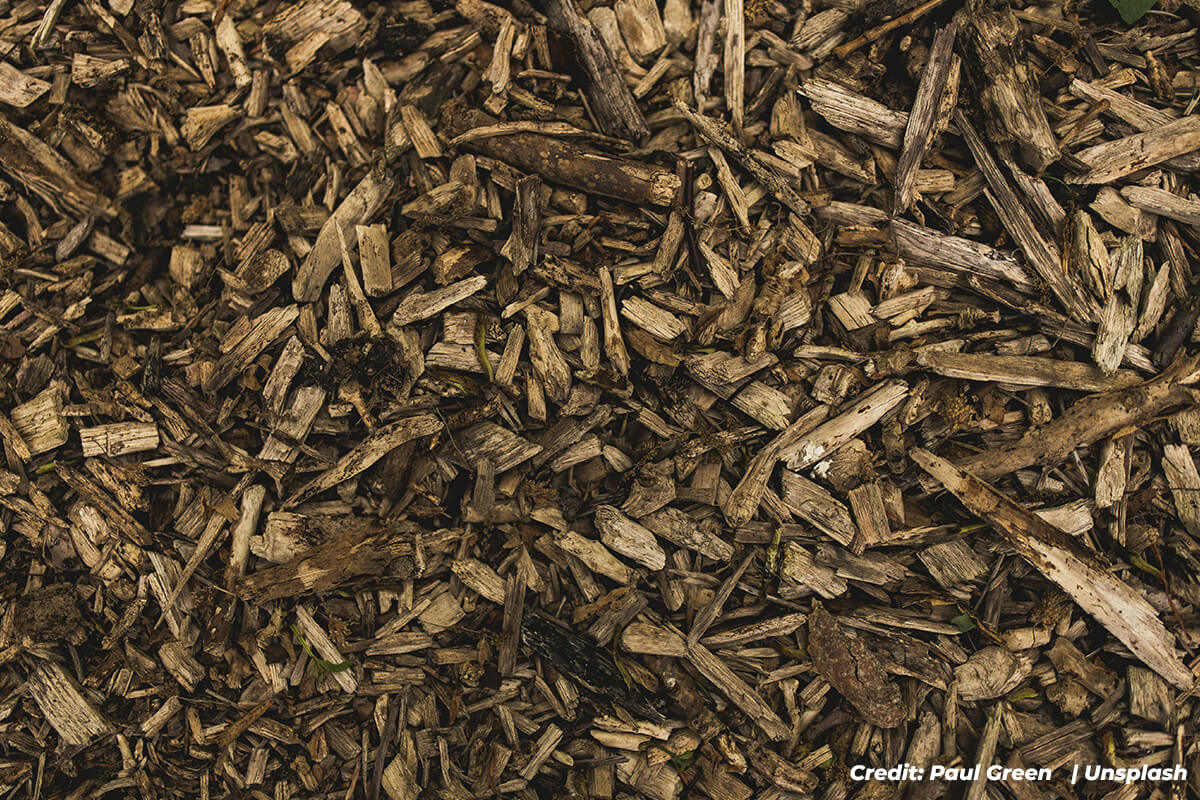
Mulching is one of the most beneficial things you can do for your trees (there being a plethora of mulching benefits for your trees), and fall is a particularly apt time to apply a fresh layer. A good organic mulch (some good examples are shredded bark, wood chips, or shredded leaves) acts as a protective blanket for the tree’s root system. Its primary benefit in the fall is insulating the soil. This keeps the soil warmer for longer, allowing roots to continue growing and absorbing water and nutrients. It also buffers the roots against drastic temperature fluctuations, reducing soil heaving caused by freeze-thaw cycles that can damage shallow roots.
Furthermore, mulch helps retain the moisture you so carefully provided during your deep watering sessions, and it suppresses weed growth. As the organic material breaks down over the winter and spring, it enriches the soil with valuable nutrients. To mulch correctly, apply a layer about 5 to 10 centimetres deep over the root zone, extending it out to the tree’s dripline if possible. Crucially, avoid piling mulch directly against the trunk. This common mistake (often referred to as volcano mulching) traps moisture against the bark, which can lead to rot, disease, and insect infestations. Instead, pull the mulch back a few centimetres from the trunk, creating a “donut” shape that allows the base of the tree to breathe.
3. Prune with Purpose
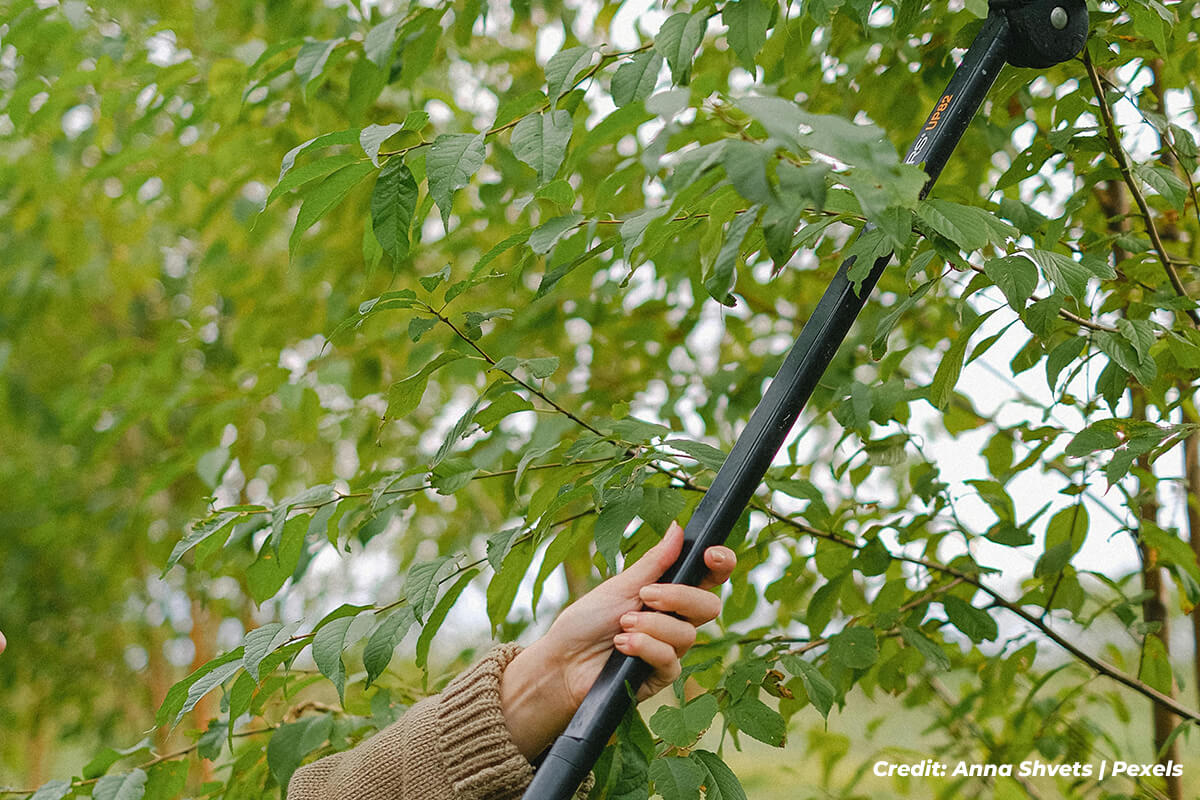
The question of whether to prune in the fall can be a confusing one for those not too familiar with pruning practices. While major structural pruning is best left for late winter when the tree is fully dormant, fall is an ideal time for sanitation pruning. Carefully inspect your trees for any branches that are dead, damaged, or diseased often called the “Three D’s” for ease of recollection. Removing these branches now accomplishes two important things. First, it eliminates weak limbs that could easily break under the weight of heavy snow or ice, potentially causing damage to your property or the tree itself. Second, it removes diseased wood and potential overwintering sites for pests and fungal spores, giving your tree a cleaner, healthier start in the spring.
When removing a branch, use a sharp, clean pruning saw or loppers; knowing which available pole saws are ideal for your situation goes a long way toward making the job easier for you and less traumatic for the tree. Make a clean cut just outside the branch collar (this is the area where the branch joins the trunk); you’ll recognize it as a slightly swollen joint where the branch and trunk meet. Avoid leaving a stub, but also be careful not to cut flush against the trunk, as this damages the collar and hinders the tree’s ability to heal the wound. For any major pruning or work on large, mature trees that requires climbing, it is always safest to hire a certified arborist.
4. Rake and Dispose of Leaves Properly
Raking leaves is a quintessential autumn chore, but it’s more than just a matter of tidiness. While a light scattering of leaves is harmless, allowing a thick, wet mat of them to sit on your lawn all winter can suffocate the grass and create a perfect, damp environment for fungal diseases like snow mould to thrive. For the health of the turfgrass around your trees, it’s important to rake.
However, don’t just send those leaves to the curb; they are a valuable organic resource. Instead of bagging them, consider shredding them with a lawnmower and using them as a nutrient-rich component of your mulch layer around trees and in garden beds. You can also add them to your compost pile, where they will break down into “black gold” for your garden next year. By recycling your leaves on your property, you are returning valuable organic matter and nutrients back to the soil, mimicking the natural cycles of a forest floor and benefiting your entire garden ecosystem.
5. Protect Your Young and Vulnerable Trees
Young trees and species with thin bark, such as maples, lindens, and fruit trees, are particularly vulnerable to winter damage. Two of the biggest threats are sunscald and animal damage. Sunscald occurs on cold, sunny winter days when the sun warms the southern or southwestern side of a trunk, causing cells to come out of dormancy. When the sun sets or goes behind a cloud, the bark temperature plummets, killing these active cells and causing the bark to crack and split. To prevent this damage and offer your trees protection from the winter cold, wrap the trunks of vulnerable trees with commercial tree wrap or light-coloured burlap, starting from the base and going up to the first set of branches.
This same wrapping can also protect trees from nibbling rodents like rabbits and voles, which can girdle and kill a young tree by chewing away the bark around its entire circumference. For added protection against larger animals like deer, consider installing a sturdy plastic tree guard around the trunk or placing a cylinder of wire mesh around the tree, ensuring it is wide enough that the deer cannot push it against the trunk to browse. These protective measures should be put in place in late fall and removed promptly in the spring to allow the trunk to grow.
—
Fall is ultimately the season when trees prepare for winter; it’s also a prudent time to do the same yourself and lend your trees a helping hand. With these tips in mind, you can go the extra mile and help prep your trees for winter (and for spring after that for that matter). That extra effort now will more than pay off once spring arrives, and you can bask in the sight of your green, lush, and healthy trees you put so much effort into caring for.
When you’re on the hunt for the right trees to help beautify your space, you can’t go wrong with Caledon Treeland. We carry a wide range of shade and privacy trees to help you make your home more beautiful and appealing, and more convenient and comfortable when you’re there. Call us now at (905) 880-1828 and let us help you find the right tree to make your home that much more comfortable for you.