
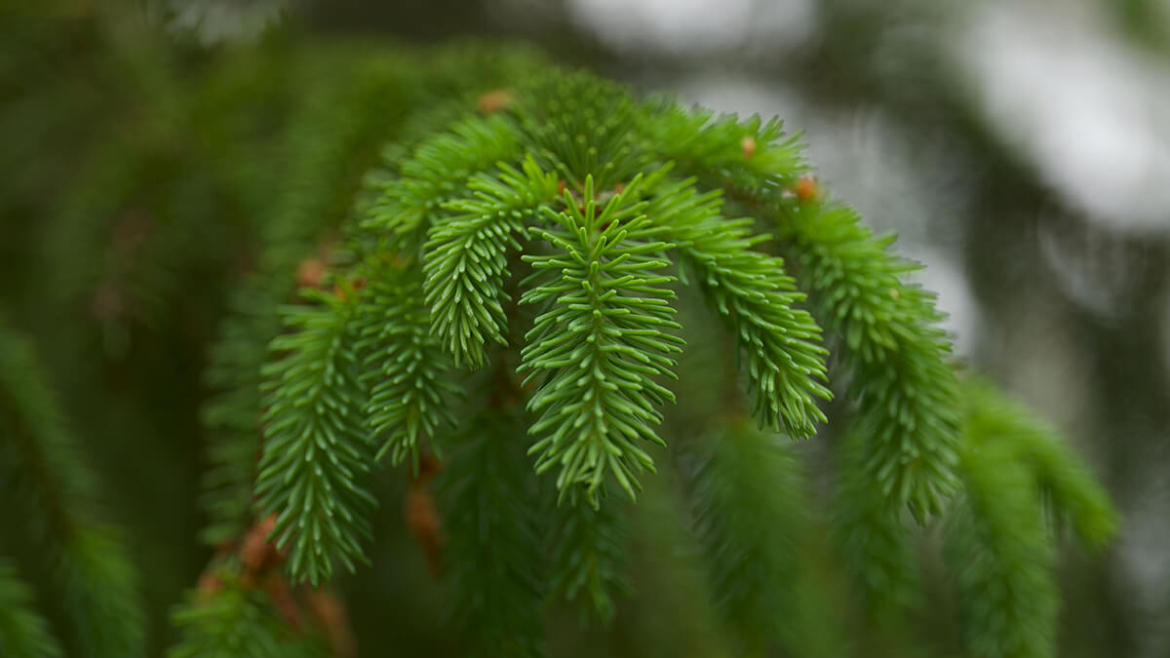
Quick Answer: For dense, heavy-duty windbreaks and complete year-round visual screening, White Spruce or Colorado Blue Spruce is the superior choice due to its tight needle formation. If your property features sandy, well-draining soil and you want a faster-growing boundary line with a softer texture, White Pine is ideal. Both establish exceptionally well when planted during the cool, moist autumn months in Ontario.
Fall brings optimal conditions for establishing living privacy screens across Ontario properties. Cool air temperatures paired with warm, summer-heated soil encourage robust root development long after top growth stops for the season.
Deciding between spruce and pine determines how your living barrier performs against heavy snow, biting winter winds, and changing soil conditions over the next several decades.
How Do Spruce and Pine Compare for Dense Privacy Screens?
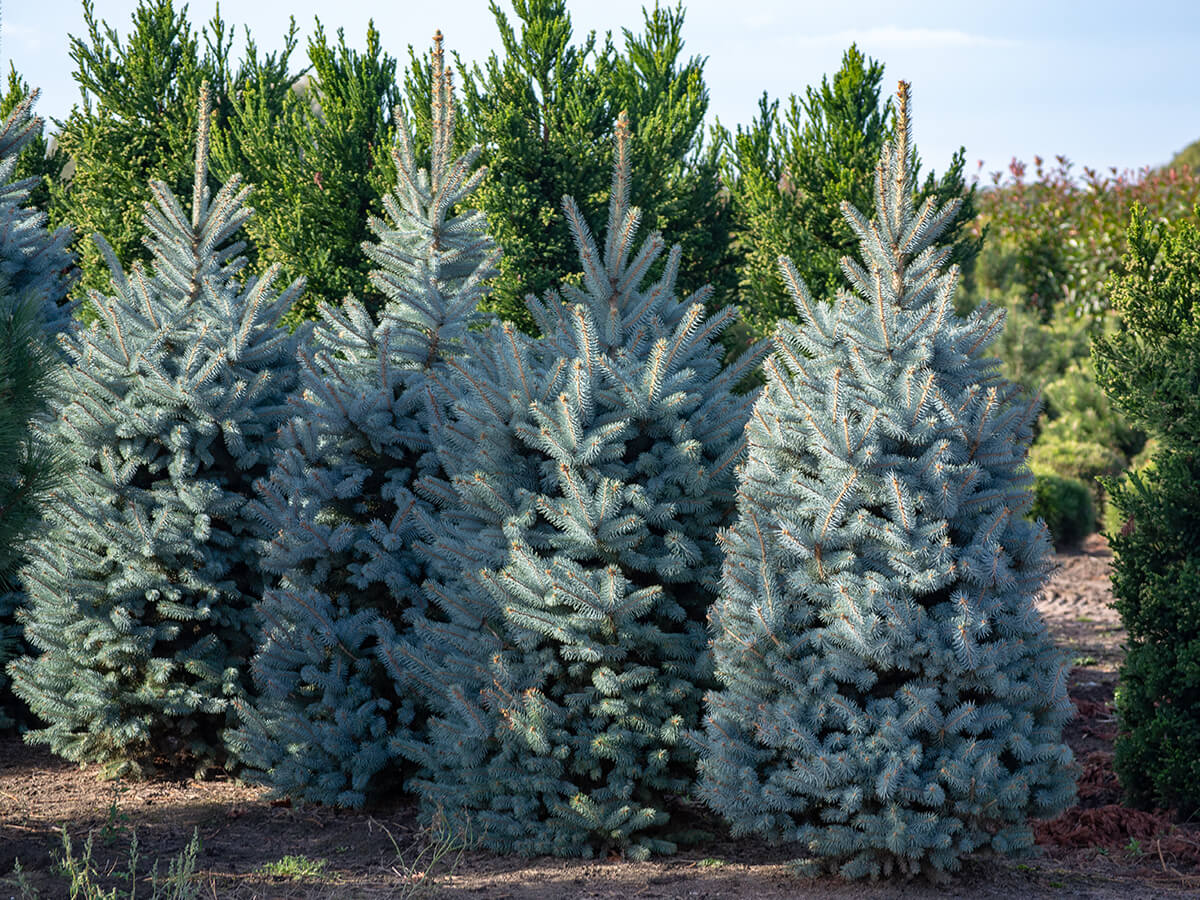
When privacy is the primary goal, branch structure and needle density govern performance. Spruce species grow in a tight, symmetrical, pyramid shape. Their stiff, individual needles cover sturdy, horizontal branches that extend all the way down to the ground. This dense branching habit creates a solid visual wall that blocks wandering eyes, streetlights, and traffic sightlines.
Pines present a softer, open appearance. Their long, flexible needles grow in clusters rather than individually, creating a feathery canopy. While young pine trees offer good coverage, mature pines naturally drop their lower branches as they tall out. This creates a high canopy over time, which leaves the ground level exposed unless paired with lower-growing shrubs.
For maximum screening depth:
- Spruce trees deliver 100% year-round visual blockage from the ground up.
- Pine trees provide filtered shade and a partial windscreen, maturing into a majestic canopy rather than a solid wall.
Which Tree Handles Ontario’s Cold Winters and Harsh Winds Better?
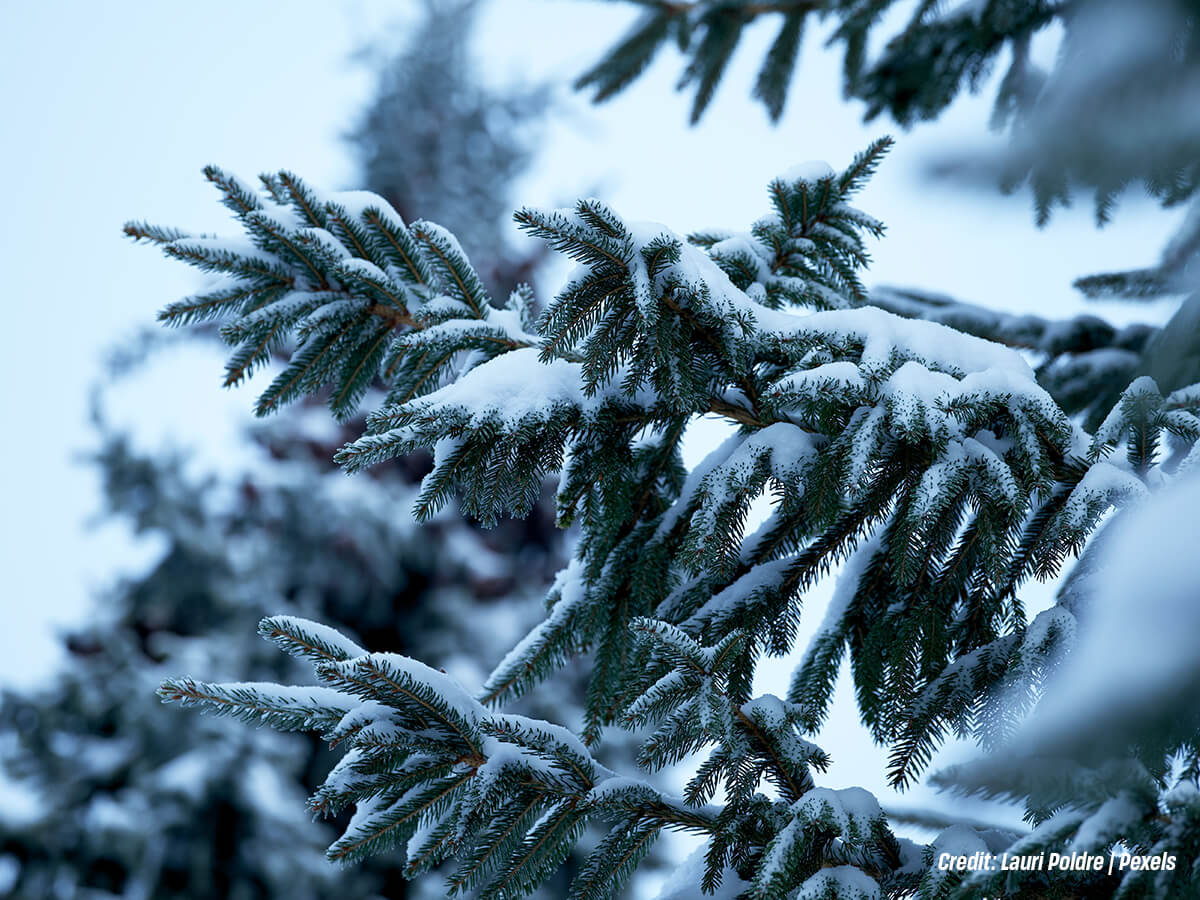
Ontario winters subject evergreens to heavy snowfall, freezing rain, and severe winds. Spruce trees possess short, rigid needles and flexible yet tough branches engineered to shed snow efficiently. Their thick growth habit makes them one of the most effective natural windbreaks available for rural acreage, farm properties, and suburban boundaries.
White pines feature long, delicate needles that tend to trap heavy, wet snow. During intense ice storms or high wind events, pine branches suffer breakage more frequently than spruce.
When looking at real-world proof, research from the Canadian Rockies shows that spruce trees adjust to harsh mountain peaks and flat forests in much the same way. This means they are naturally built to handle tough weather, high winds, and extreme temperatures. That same natural toughness helps spruce trees thrive on Ontario properties, easily standing up to freezing winter winds and heavy snow without breaking down.
How Do Soil and Light Conditions Impact Your Choice?
Matching your chosen species to the soil structure of your property ensures rapid root establishment before the ground freezes. Ontario soil varies widely, ranging from dense, sticky clay to loose, granite-laced sand.
White Spruce (Picea glauca) and Blue Spruce (Picea pungens)
- Soil Requirements: Highly adaptable. They tolerate heavy clay, moist loam, and moderate dampness far better than pine.
- Sunlight Needs: Full sun to partial shade (at least 4 to 6 hours of direct sunlight daily).
- Best Used For: Heavy clay properties, damp perimeter lines, high-wind zones, and tight property boundaries.
White Pine (Pinus strobus)
- Soil Requirements: Prefers acidic, sandy, well-draining soils. They struggle in standing water or compacted, heavy clay.
- Sunlight Needs: Full sun.
- Best Used For: Sandy loam, rolling terrain, large acreages where rapid height is needed, and naturalized property borders.
If you are sourcing healthy specimens locally, visiting a farm to review available trees for sale in Barrie allows you to inspect root balls and needle health in person before autumn planting begins.
What Are the Growth Rates and Maintenance Requirements for Each?
If rapid growth is your primary concern, White Pine holds a slight edge. Under ideal conditions with sandy, moist soil, a White Pine grows 30 to 60 centimetres (1 to 2 feet) per year. However, this rapid vertical expansion requires adequate space, as a mature pine easily reaches heights over 20 metres with a wide spread.
Spruce trees grow at a steady, moderate pace of 15 to 30 centimetres (6 to 12 inches) annually. While they take slightly longer to reach full height, their steady growth results in much denser wood, tighter needle spacing, and minimal maintenance.
Spruce trees rarely require structural pruning to maintain their natural, uniform shape. Pines, on the other hand, require occasional pruning of damaged or dead branches following major winter storms.
Why Is Autumn the Ideal Time to Plant Evergreens in Ontario?
Planting privacy trees in September, October, or early November offers distinct biological advantages over spring planting:
- Root-Focused Growth: Above-ground leaf and stem growth halts as air temperatures drop, allowing the tree to direct all its energy into expanding its root system in the warm soil.
- Moisture Retention: Fall rainfall naturally hydrates the root ball, reducing the watering demands common during hot summer installations.
- Reduced Transplant Shock: Cool weather minimizes water loss through needle transpiration, allowing the tree to settle comfortably before spring growth spurts begin.
How Should You Care for Newly Planted Evergreens Through Their First Winter?
Protecting your investment during the first winter guarantees a strong kickoff when spring arrives. Even hardy native species need a little help while their roots settle into the surrounding soil.
- Soak Deeply Before the Freeze: Give your newly planted trees a thorough, deep watering once or twice a week until the ground freezes solid. Evergreens lose moisture through their needles all winter long, so having plenty of water stored in the root ball prevents winter burn.
- Apply Mulch Generously: Spread a 7-to-10-centimetre layer of organic wood mulch around the base of the tree, extending out to the drip line. Be sure to leave a small gap around the trunk itself to prevent bark rot. Mulch acts like a warm blanket, keeping the soil soft longer into the late fall so roots can keep growing.
- Shield Against Harsh Winds: If your property sits in an open area with heavy wind exposure, placing a burlap windscreen on the windward side helps protect young needles from drying out during sub-zero stretches.
Upgrade Your Outdoor Space Today!
Transforming your boundary lines into a lush, private sanctuary begins with selecting healthy, climate-tested evergreens raised for Canadian weather. Whether you need a dense spruce windbreak or a soaring pine canopy, professional delivery and full-service transplanting make establishing your living screen seamless.
If you are browsing trees for sale in Collingwood or surrounding areas, contact Caledon Treeland today at (905) 880-1828 to select mature specimens directly from the farm and secure your autumn planting date!