
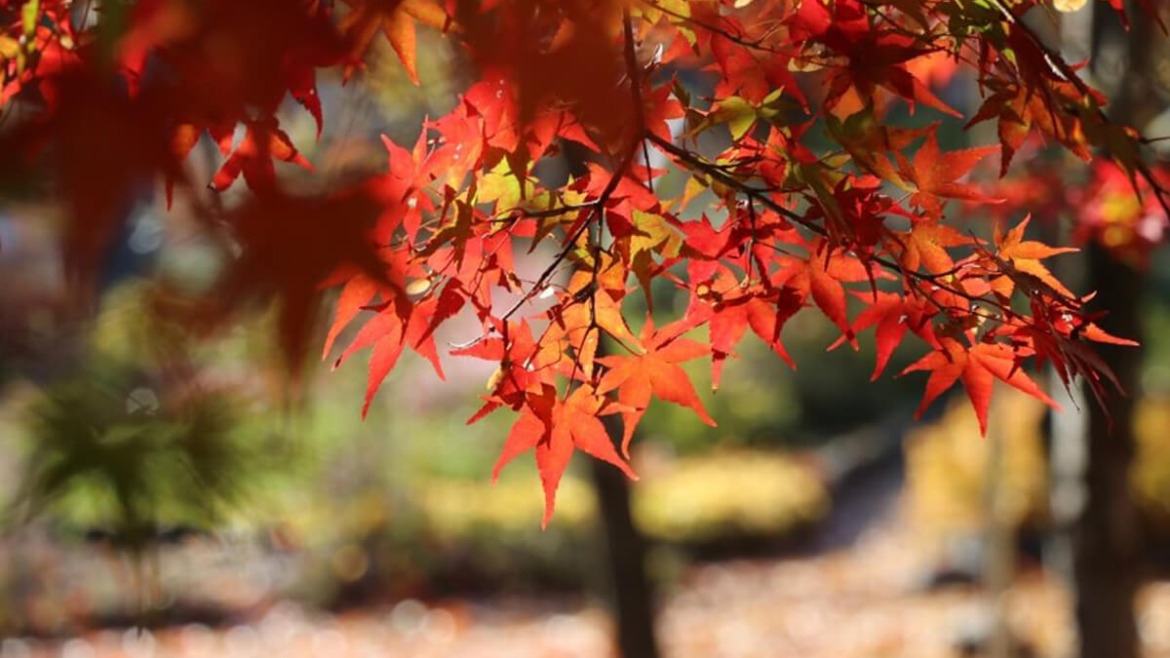
A majestic maple tree, with its brilliant seasonal colour and strong, spreading branches, is a landmark on any property. It stands as a testament to nature’s beauty and resilience. However, achieving that state of vigorous health doesn’t happen by accident.
Like any living thing, maple trees require thoughtful care and attention to protect them from stress, damage, and disease. Providing the right conditions and consistent care from a young age is the surest way to cultivate a magnificent specimen that will grace your landscape for generations.
Foundational Care for Healthy Maple Trees
The long-term health of a maple is built upon a foundation of core practices. Getting these fundamentals right from the beginning will set your tree up for a lifetime of success and dramatically reduce the potential for future problems. These tips cover the most crucial aspects of tree care, from watering and feeding to pruning and monitoring.
Watering Wisely for a Resilient Root System
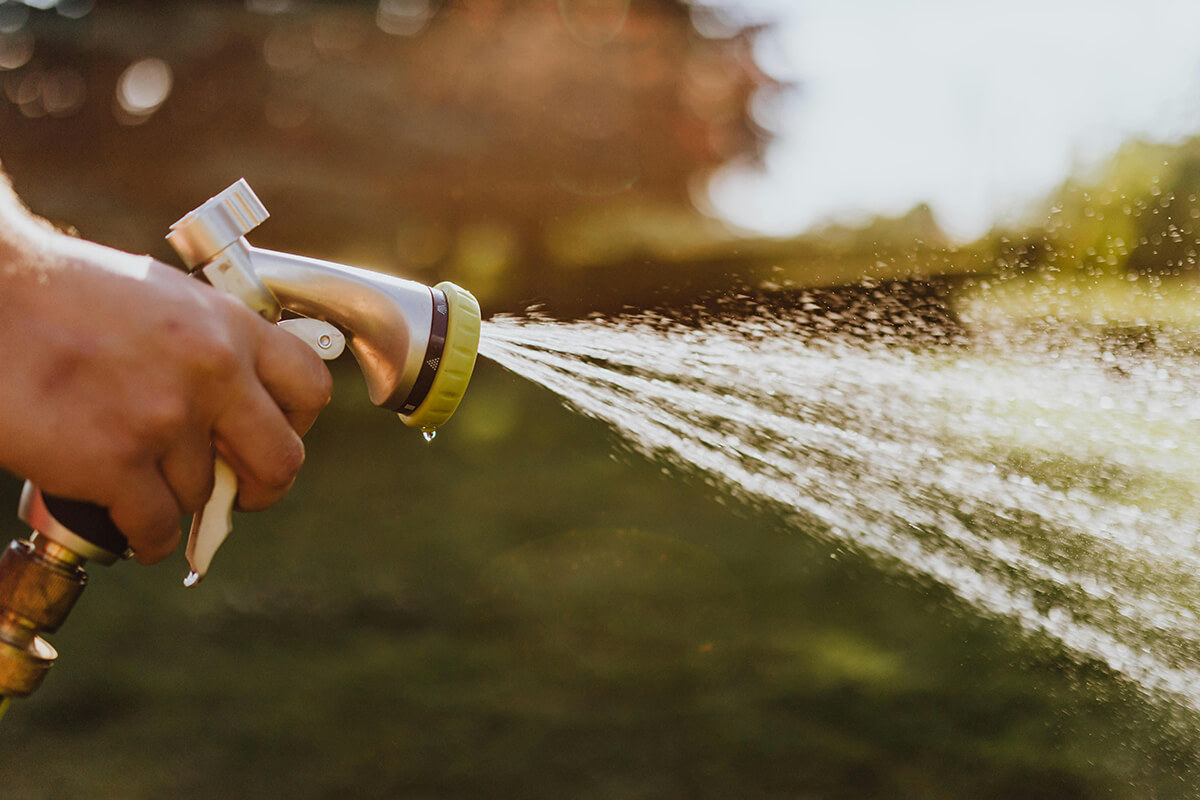
Water is the lifeblood of a tree, especially during its first few years after planting. The goal is to encourage a deep, extensive root system that can sustain the tree through dry periods.
- For Newly Planted Trees: Consistency is crucial. For the first two growing seasons, your maple needs regular watering. A deep soaking once or twice a week during dry weather is far better than a light sprinkling every day. Check the soil a few inches down; if it’s dry to the touch, it’s time to water.
- Deep Soaking Method: Apply water slowly at the base of the tree, allowing it to penetrate deep into the soil. A soaker hose spiralled around the tree’s root zone or a garden hose turned on to a slow trickle for 30-60 minutes are both effective methods.
- Mature Trees: Once established after 2-3 years, most maple trees on a typical Canadian property are quite drought-tolerant and will only require supplemental watering during prolonged, severe droughts.
- Fall Watering: In late autumn, after the leaves have dropped but before the ground freezes solid, give your tree one last deep watering. This ensures its roots are well-hydrated heading into the harsh Canadian winter.
The Art of Proper Mulching
Mulch is one of a gardener’s best tools for maintaining tree health, yet it is often applied incorrectly. A proper layer of organic mulch offers numerous benefits.
- Benefits: Mulch helps retain soil moisture, reducing your watering duties. It suppresses weeds that compete for water and nutrients. It insulates the soil, protecting roots from extreme summer heat and winter cold. And as it breaks down, it enriches the soil with organic matter.
- Correct Application (The Donut): Apply a 2 to 4-inch layer of organic mulch, such as shredded bark or wood chips, around the base of the tree. Extend the mulch out to the tree’s dripline (the edge of its canopy) if possible. Crucially, pull the mulch back a few inches from the trunk itself, creating a donut shape.
- Avoid the Volcano: Piling mulch directly against the tree trunk (a mulch volcano) is extremely harmful. It traps moisture against the bark, promoting fungal diseases and rot. It can also encourage roots to grow into the mulch instead of deep into the soil, creating an unstable root system.
Pruning for Health, Safety, and Structure
Pruning is essential for maintaining a maple tree’s health and appearance. The goal is to remove problematic branches and encourage a strong, well-spaced structure.
- When to Prune: The best time to perform major structural pruning on a maple is during its dormant season, from late fall after the leaves have dropped until early spring before the buds swell.
Pruning during dormancy is less stressful for the tree, and with the branches bare, it’s much easier to see the tree’s structure. Minor pruning of dead or broken twigs can be done at any time.
- The Three D’s: Always prioritize the removal of any wood that is Dead, Damaged, or Diseased. These branches are entry points for pests and decay, and removing them promptly is a critical health measure.
- Structural Pruning for Young Trees: This is a proactive step that pays dividends for decades. When a tree is young, remove branches that are crossing and rubbing against each other. Identify and remove or shorten competing leaders to encourage a single, strong central trunk.
If you are uncertain about making these cuts, it is wise to consult a certified arborist or the horticultural experts where you found your trees for sale in Burlington. Proper structure established early prevents weak branch attachments that can fail in storms later in life.
Monitoring for Pests and Disease
Regularly inspecting your tree allows you to catch potential problems early. Walk around your tree once a month during the growing season and take a close look at the leaves, branches, and trunk.
- What to Look For: Be alert for leaves that are yellowing, spotted, or chewed. Check for signs of pests like fine webbing or clusters of insects. Examine the bark for cracks, peeling sections, or unusual growths like fungal conks. Note any branches that have suddenly died back.
- Common Issues: Many common maple ailments, like Tar Spot (which causes black spots on leaves), are primarily cosmetic and don’t harm the tree’s long-term health. However, other symptoms can indicate more serious stress.
- How Tree Health Influences Pests: A stressed, weakened tree is like a beacon for pests. This isn’t just an observation; scientific research confirms it.
According to a study, phytophagous insect communities (meaning, plant-eating insects) on urban maple trees are influenced by tree condition (Korányi et al., 2022). In simple terms, a healthy, vigorous maple is better at fending off insect attacks, while a struggling tree is an easy target.
The study also highlights that not all maples handle city life equally, with field and sycamore maples showing higher tolerance for urban stress and Norway maples showing the lowest tolerance. This underscores the importance of both choosing the right variety and keeping it in top condition.
The Foundation of Health: Starting with the Right Tree
All the care in the world cannot fix a problem that starts with a poor-quality tree or one that is ill-suited to its location. If you’re planning to add a new maple to your landscape, success begins with your selection at the tree farm. A healthy, well-cared-for specimen from a reputable grower has a much greater chance of thriving.
- Check the Roots: Avoid trees with a thick mat of roots circling the bottom of the container. This “root-bound” condition is a serious flaw, as the roots will often continue to grow in a circular pattern in the ground and can eventually strangle the tree years later.
If your choices are limited and a tree is only slightly bound, you can gently tease the outer roots apart before planting, but a non-bound tree is always superior. For balled-and-burlapped trees, the root ball should be firm, solid, and appropriately sized for the tree, not loose or crumbling.
- Look for the Trunk Flare: At the very base of the trunk, you should see a visible flare where it widens just before entering the soil. This is a critical sign of a properly grown tree.
If the trunk enters the soil straight like a telephone pole, it has been planted too deep in its pot or burlap. This major flaw can lead to serious girdling root problems and decay later on. Don’t be afraid to gently brush away the top layer of soil in the container to find it.
- Inspect the Graft Union on Cultivars: Many specific maple varieties are grafted onto a different rootstock to ensure hardiness. Ask to see the graft union, which will look like a slight scar or bulge low on the trunk.
Ensure this union looks clean, fully healed, and well-integrated, with the trunk above and below it being a similar caliper. Avoid trees where the graft looks swollen, cracked, or like the top is significantly outgrowing the rootstock trunk below it.
- Assess the Overall Form: Step back and look at the tree’s shape. The canopy should appear full and balanced with healthy, vibrant leaves for the season. The trunk should look sturdy and proportional to the tree’s height, with bark that is free of significant wounds, scrapes, or cracks.
A tree with a single, dominant central leader is often preferable for shade tree varieties. Avoid trees that look spindly, have major gaps, or show signs of significant past damage.
- Choose a Local, Knowledgeable Supplier: A farm that grows its trees locally will offer specimens already adapted to your region’s climate.
The staff should be horticultural experts who can answer detailed questions about a specific cultivar’s fall colour reliability in your region, its mature size, and its known resistances or vulnerabilities. This level of professional advice is the hallmark of a quality grower who is invested in your success.
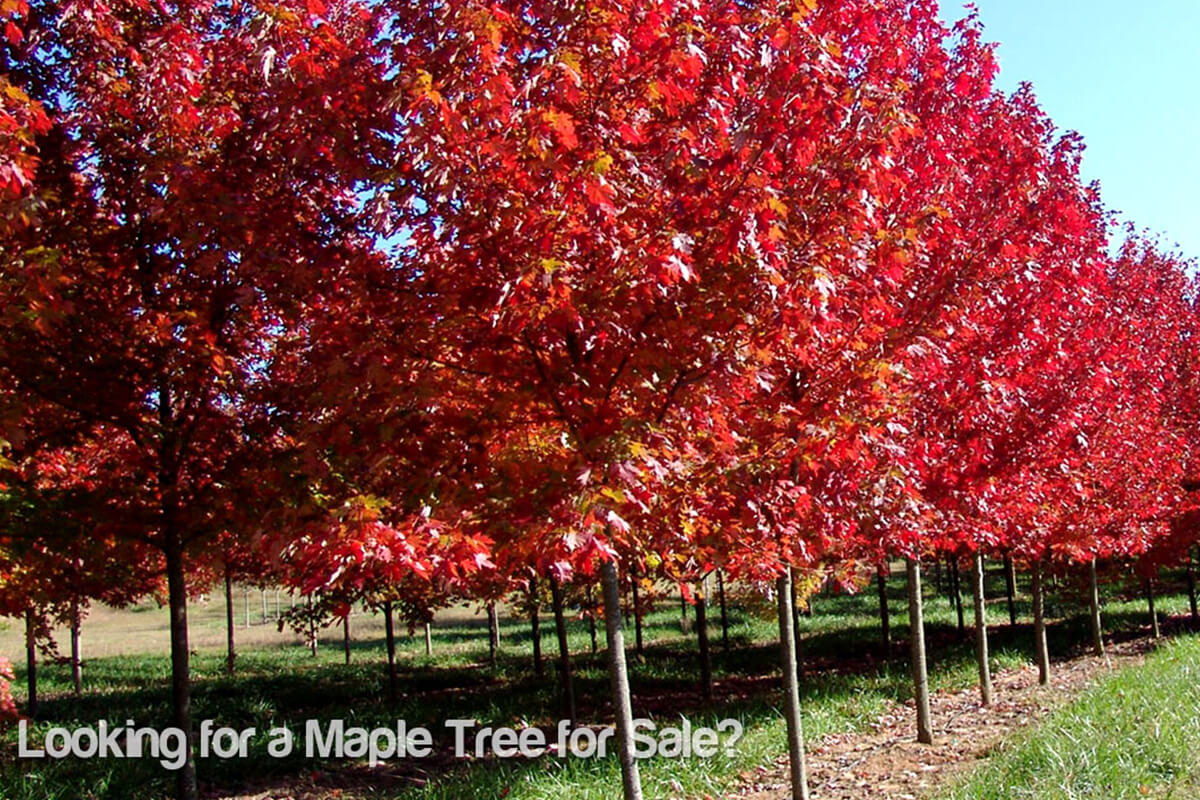
Cultivate a Landmark for Your Home
Caring for a maple tree is a rewarding partnership. Your efforts to provide water, nutrients, and thoughtful maintenance will be returned a thousand times over in the form of cooling shade, stunning seasonal beauty, and a healthier environment.
A well-tended maple becomes more than just a plant on your lawn; it becomes a living legacy, a symbol of strength and endurance that enhances your home and your community.
Ready to grow a strong, beautiful maple tree that will be the envy of the neighbourhood? Contact Caledon Treeland at (905) 880-1828. Our team of experts can provide you with the highest quality maple trees for sale in Burlington and the essential advice you need to keep your tree thriving for decades to come.