
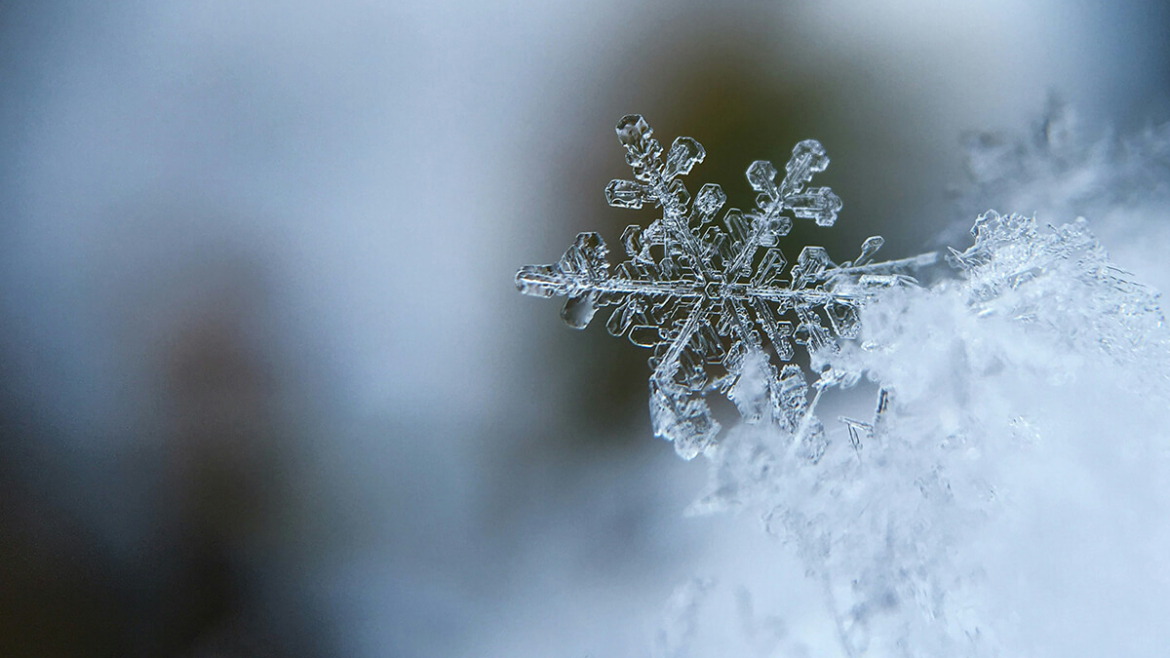
Now that we’re well into winter, it’s the time for more than a few of us to enjoy the season, preferably indoors. And when the snow falls and it gets colder outside, it’s to think your gardening duties are done for the year (now that it’s the time for warm days and nights indoors with a cup of something nice and hot). However, one of the most common tree care mistakes you might make it assuming that your trees don’t need any extra care during winter. For the trees standing sentinel on your property, winter is very often the most challenging season of their lifecycle. While they may appear dormant and lifeless, trees are biologically active below the surface, standing strong against desiccation, freezing temperatures, and physical stress.
Proper winter care isn’t just a matter of aesthetics for your trees; it’s about their survival too. A tree that enters the spring season damaged or stressed will lack the vigour to thrive during the growing season. To help your arboreal neighbours survive the deep freeze, here are ten essential commandments of winter tree care.
1. Do Water Deeply Before the Freeze
One of the most persistent myths in landscaping is that trees do not require water once the leaves fall. On the contrary, hydration is the primary defence against winter kill. If the root ball enters the winter dry, the tree is more susceptible to desiccation, particularly evergreens which continue to lose moisture through their needles. Before the ground freezes solid (usually in late October or November depending on your latitude) ensure your trees receive a deep, slow watering. This creates a moisture reservoir in the soil that the roots can draw upon.
2. Don’t “Volcano” Your Mulch
Mulch is the winter duvet for your tree’s roots, insulating the soil against rapid temperature fluctuations. However, there is a right way and a wrong way to apply it. The wrong way is in piling mulch high against the trunk in a “volcano” shape. This traps moisture against the bark, which invites rot and pests. Instead, apply a layer of organic mulch 5 to 10 centimetres deep in a donut shape, keeping the material at least 15 centimetres away from the trunk itself.
3. Do Wrap Young Thin-Barked Trees
Young maples, lindens, and fruit trees have thin bark that is highly susceptible to “sunscald.” This occurs on bright, cold winter days when the sun warms the bark on the south or southwest side of the tree, and activates their cells. When the sun sets and temperatures plummet rapidly, these active cells rupture, which can cause vertical cracks. Wrapping the trunk with a commercial tree wrap or plastic guard from the ground up to the first branch reflects the sun and keeps the bark temperature stable.
4. Don’t Shake Ice Off Branches
After an ice storm, it can be distressing to see your birch or pine trees bowing under the weight of heavy glazing. The instinct for many is to go out and shake the branches to relieve the burden. Do the opposite instead. In freezing temperatures, wood becomes brittle and loses elasticity. Shaking a branch is more likely to snap it off entirely than to clear the ice. Allow the ice to melt naturally; trees are surprisingly resilient and will often spring back once the weight is removed.
5. Do Protect Against Road Salt
In Canada, road salt is a necessary evil for safe driving, but it is very often detrimental to trees. Sodium chloride draws moisture out of the roots (physiological drought) and the spray can burn dormant buds. If your trees are near a roadway or driveway, consider erecting a burlap barrier to shield them from salty spray. Alternatively, switch to tree-safe de-icing agents like calcium magnesium acetate (CMA) or simply use sand for traction on your own property.
6. Don’t Fertilize in Late Autumn
It might seem helpful to give your trees a nutrient boost before winter, but nitrogen fertilization in the late fall is detrimental. It signals the tree to push out new, tender growth exactly when it should be hardening off for dormancy. This new growth will inevitably be killed by the first hard frost and waste the tree’s energy reserves. A more prudent fall tree care tip is saving the fertilizer for early spring instead.
7. Do Install Guards Against Wildlife
Food is scarce in the winter, and the tender bark of young trees is an attractive snack for mice, rabbits, and voles. These rodents often tunnel under the snow and gnaw at the base of the trunk, potentially “girdling” the tree (i.e. eating a ring of bark all the way around) and cutting off the flow of nutrients for the tree. Install a rigid plastic tree guard or a cage of hardware cloth around the base, ensuring it extends higher than the expected snow line.
8. Don’t Ignore Windburn on Evergreens
Evergreens, such as cedars and yews, do not go fully dormant. They continue to transpire, meaning they lose water through their foliage. Strong, dry winter winds can strip moisture from the needles faster than the roots can replace it from the frozen ground, leading to brown, scorched foliage in the spring. For exposed evergreens, construct a windbreak using burlap and stakes. Do not wrap the burlap directly onto the plant tightly, as this can trap moisture and cause fungal issues; build a screen instead.
9. Do Prune While Dormant
Winter is actually the ideal time for structural pruning. Without the camouflage of leaves, you can clearly see the architecture of the branches. It is easier to identify crossing branches, structural weaknesses, and deadwood. Furthermore, pruning during dormancy reduces the risk of transmitting diseases, such as Dutch elm disease or oak wilt, which are spread by insects active in the warmer months. However, ensure you know what you are cutting; incorrect cuts can cause damage that lasts a lifetime.
10. Don’t Neglect Post-Storm Inspections
Winter storms can leave hazardous “hangers” (broken branches that are detached but caught in the canopy). Knowing how to care for trees after a storm is part and parcel of caring for them and keeping their surroundings safe. These damaged branches pose a significant safety risk to people and property below. After every major wind or snow event, visually inspect your large trees from the ground. If you see split limbs or hangers, contact a professional arborist. Do not attempt to climb icy ladders to fix them yourself.
The right tree care tips go a long way toward keeping your trees healthy during winter. With the help of these ten rules, you ensure that your trees do not merely survive the Canadian winter, but emerge in the spring ready to provide shade, beauty, and environmental benefits for another year.
Transform your landscape with Caledon Treeland’s selection of shade and privacy trees. We’re only too happy to help you choose the perfect specimens for your property. Call us at (905) 880-1828 and visit our GTA tree farm today to find the tree that’s right for you.