There just isn’t enough appreciation for their trees. There’s plenty to love about them, after all: for the cool shade they provide, for their vibrant autumn colour that adds some character to the fall months, and for providing a home for local wildlife (think of it as doing your part for biodiversity at home). But in our eagerness to provide care for our trees, we sometimes adopt practices that (despite our best efforts) can cause harm. Understanding a tree’s basic needs is the first step toward avoiding these well-intentioned but damaging mistakes and doing the good you intend. By learning to recognise these common errors, you can ensure your labour of love truly helps, rather than hinders, the health of your favourite maple, oak, or pine.
Here are some of the most common ways people inadvertently harm their trees.
1. Building a Mulch Volcano
Piling a mountain of mulch directly against the trunk of a tree is a frequent and damaging sight. While there are a plethora of benefits to mulching your tree, how you do so is critical. A mulch volcano traps excessive moisture against the bark, which was never meant to be constantly damp. This environment invites fungal diseases and stem rot, softens the bark, and creates a welcoming home for pests. It can also encourage roots to grow into the mulch pile instead of down into the soil, leading to girdling roots that can choke the tree over time. The correct method is to apply a “donut” of mulch. Spread a layer 5 to 10 centimetres deep over the root zone, but be sure to pull it back several centimetres from the trunk itself, leaving the root flare exposed to the air.
2. Improper Pruning Practices
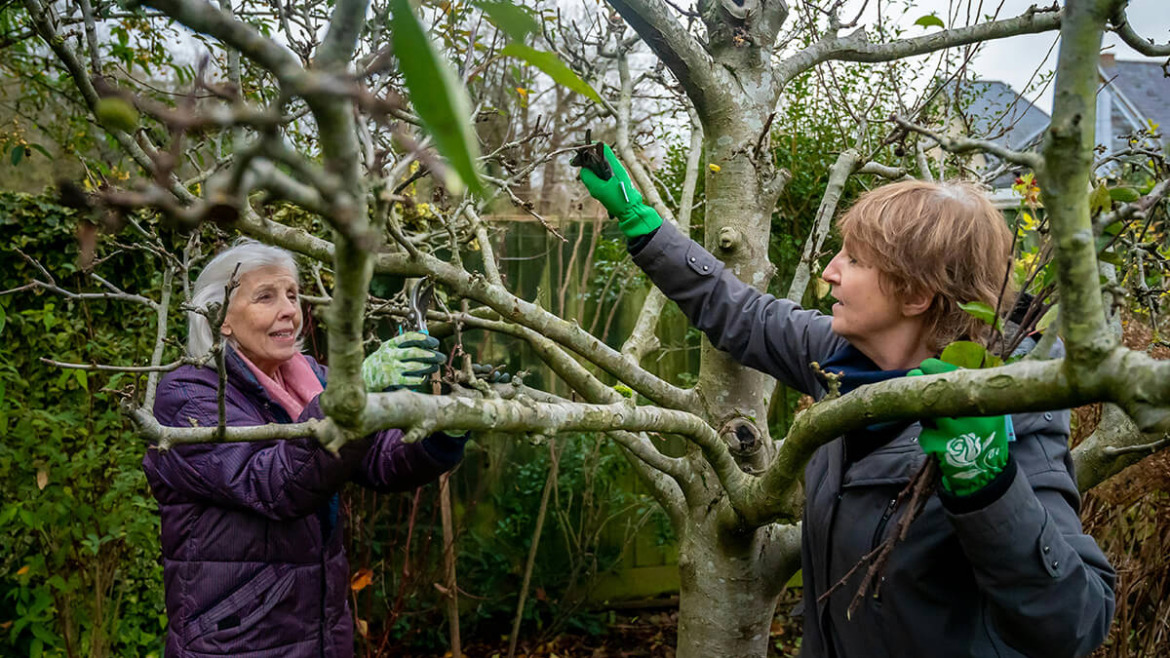
A bad haircut will grow out, but a bad pruning cut can damage a tree forever. Knowing how to prune properly is an integral part of proper tree care and maintenance, and so it pays to know the common pruning mistakes to avoid committing them yourself. One of the most severe errors is “topping,” where the main vertical stems are indiscriminately cut back to a uniform height. This practice ruins the tree’s natural structure, creates weak and poorly attached new growth, and opens large wounds that are highly susceptible to decay and disease. Another common error is the flush cut (which consists of removing a branch by cutting it perfectly flat against the trunk). This removes the branch collar, the slightly swollen area at the branch’s base, which contains specialized cells that seal the juncture between branch and trunk. If the collar is removed, the tree cannot properly heal, leaving a permanent entry point for pathogens. Proper pruning takes the branch collar into account to avoid damaging it, and the tree as a whole.
3. Planting Too Deeply
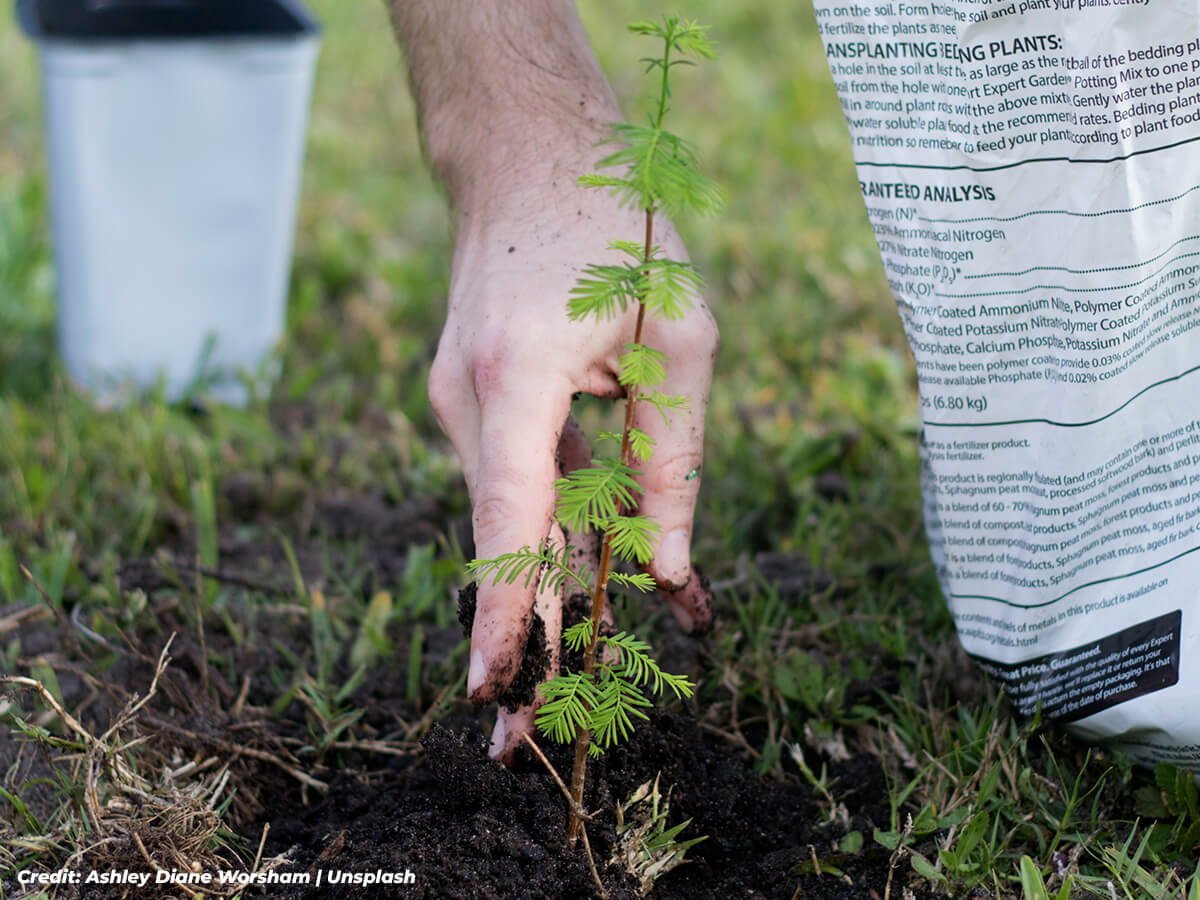
This mistake often begins the moment a tree is put in the ground and can condemn it to a short, difficult life. Trees have a “root flare” (or root collar), which is the area at the base of the trunk where it begins to widen and transition into the root system. This flare must be at or slightly above the soil level. However, burying it by planting the tree too deep in the hole effectively smothers the tree. It can lead to bark decay, prevent the roots from getting enough oxygen, and promote the growth of girdling roots that wrap around the trunk and constrict the flow of water and nutrients. Before backfilling the hole, always check to ensure the root flare is visible.
4. Watering on a Human Schedule
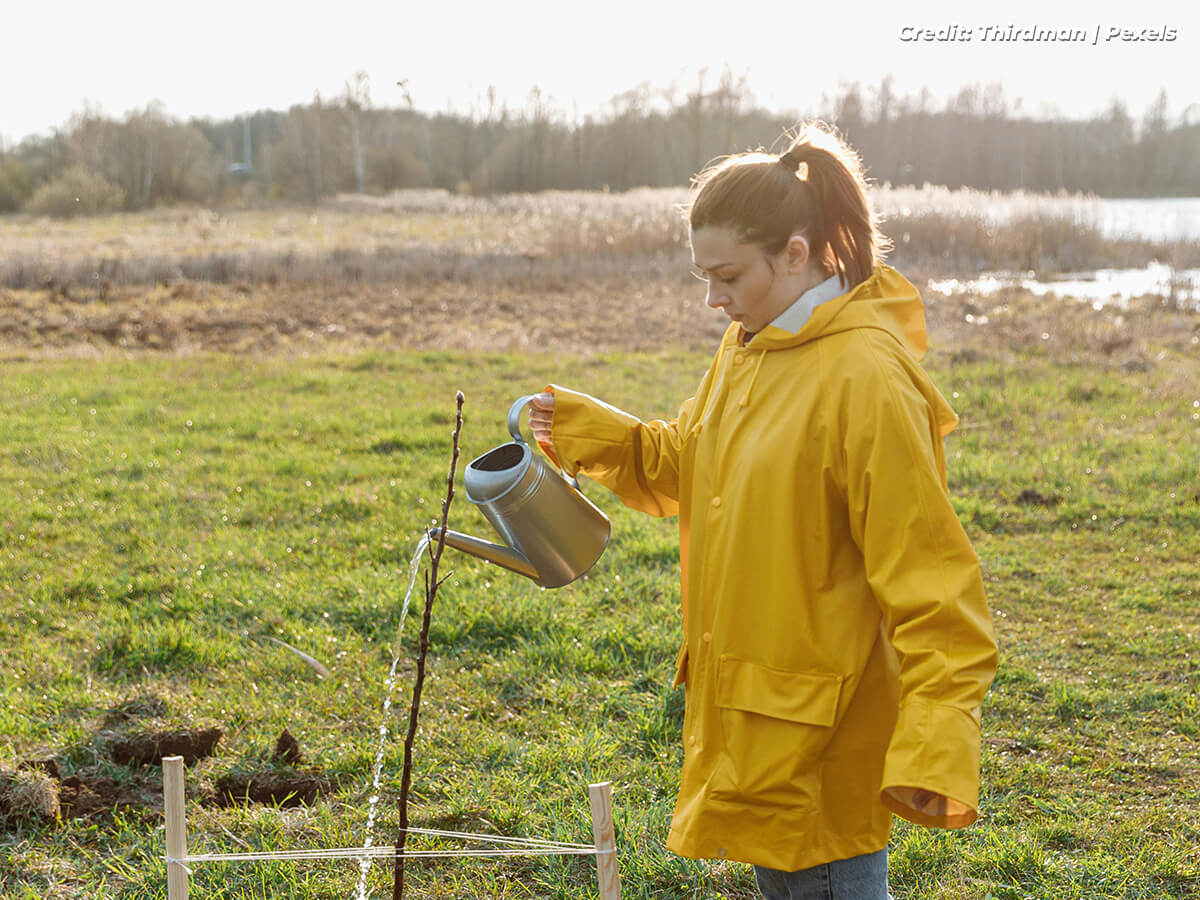
Both overwatering and underwatering can be fatal. Many people water their trees on a fixed schedule, such as every second day, regardless of the weather or soil conditions. However, overwatering is just as dangerous as a drought; too much water saturates the soil, filling the air pockets that roots depend on for oxygen. Without oxygen, roots can’t function and will begin to die and rot. Conversely, infrequent, shallow watering encourages a weak root system that stays close to the surface. The best practice is to water deeply and infrequently. Check the soil by digging down 10 to 15 centimetres. If it’s dry at that depth, it’s time to provide a long, slow soaking that allows the water to penetrate deep into the root zone.
5. Wounding the Trunk and Compacting the Soil
The base of a tree is a vulnerable area. Careless work with a lawnmower or a string trimmer can easily slice into the bark, damaging the critical cambium layer just beneath it. This layer is responsible for transporting water and nutrients. Wounds like these disrupt that flow and create entry points for devastating diseases. Just as damaging, though less visible, is soil compaction. Driving vehicles, storing heavy materials, or even creating a well-trodden path over a tree’s root zone (which can extend two to three times the width of its branches) can compact the soil. This squeezes out air pockets, preventing water from penetrating and making it nearly impossible for roots to grow, slowly starving the tree.
—
Trees bring plenty of value for your home, and so caring for them is a must. But like any other endeavour, tree care is one that must be done right. The right approach makes all the difference when it comes to giving your trees the TLC they deserve. Keep these mistakes in mind so you know what not to do the next time you’re giving your trees some love.
Finding the right tree for your home doesn’t have to be a difficult job. Caledon Treeland is here to make acquiring your desired shade and privacy trees simple and easy. Give us a call now at (905) 880-1828 to visit our tree farm and see our selection of trees for yourself.