
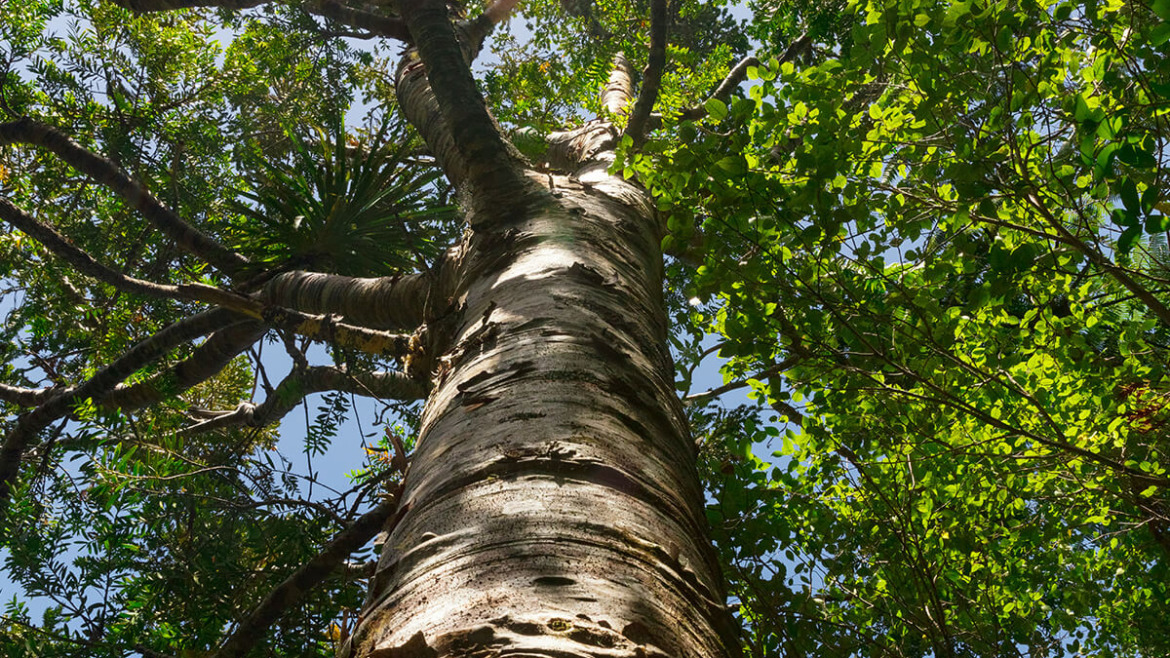
There really is nothing like resting in the cool shade of a tree, perhaps taking a quick nap to get some respite from the sun. This convenient and comfortable shade is, however, merely the most obvious of a tree’s many contributions. Beyond the boost they offer for your home’s curb appeal and the simple shaded relief they offer, shade trees are powerful, silent engines of environmental health, performing complex and vital functions that sustain their surroundings.
They aren’t passive ornaments beautifying your landscape, but actually active participants that work tirelessly to clean the air, manage the water, and build the very soil around them. To truly appreciate a tree, it helps to look past its beautiful form and understand the unseen work it does. Here, we’ll take a look at some of the unsung environmental benefits that make shade trees so indispensable creating healthier, more resilient communities.
***
1. Natural Air Conditioning
Long before the invention of mechanical air conditioners, nature had already perfected the art of cooling. A strategically placed shade tree is a natural air conditioner, operating with silent efficiency. Its primary method is, of course, providing shade. The dense canopy of leaves that keeps the sun off of you also acts as a natural shield, intercepting the sun’s intense solar radiation and preventing it from striking the roof and walls of a home. This simple act of blocking sunlight can dramatically lower the temperature of these surfaces, which in turn reduces the amount of heat that radiates into the living spaces within. The difference between a sun-beaten roof and one sheltered by a leafy canopy is palpable, translating directly into a more comfortable indoor environment.
The cooling effect, however, goes beyond mere shade. Trees also employ a remarkable process called evapotranspiration. As a tree draws water up from its roots, it releases it into the atmosphere as water vapour through tiny pores in its leaves. This process has a powerful cooling effect on the surrounding air, much like how perspiration cools our skin. A single large, healthy tree can release hundreds of litres of water vapour on a hot day, creating a microclimate of cooler, more humid air around your home. This localized cooling means that the air drawn into your home through open windows is naturally fresher and less oppressive, reducing the reliance on energy-intensive cooling systems and contributing to a more sustainable and comfortable living experience.
2. Air Quality Improvement
Our homes are situated within a complex atmospheric environment, subject to various airborne particles and pollutants. Trees in general act as natural air filters, constantly working to purify the very air we breathe; the same trees that help shade your home also play a major role in countering air pollution. A tree’s large, textured leaves and bark are incredibly effective at capturing and holding onto particulate matter (such as microscopic particles of dust, soot, pollen, and other pollutants that float in the air). These particles adhere to the tree’s surfaces until they are eventually washed to the ground by rain, which prevents them from entering the house where the people inside might breathe them in.
Beyond capturing particles, trees are great for neutralizing harmful chemicals. They actively absorb harmful gaseous pollutants through the pores in their leaves, effectively filtering the air. Pollutants like ozone, carbon monoxide, and sulphur dioxide, common byproducts of urban life, are drawn into the tree and neutralized. At the heart of this purification process is the magic of photosynthesis. Every leaf is a small factory, taking in carbon dioxide (i.e. a primary greenhouse gas) from the atmosphere. Using the energy from sunlight, the tree converts this carbon dioxide and water into the sugars it needs to grow, and as a beautiful byproduct of this life-sustaining process, it releases pure oxygen. Planting a shade tree near your home means you are nurturing a personal oxygen generator and carbon sink that also improves the quality of every breath you take.
3. Stormwater Management
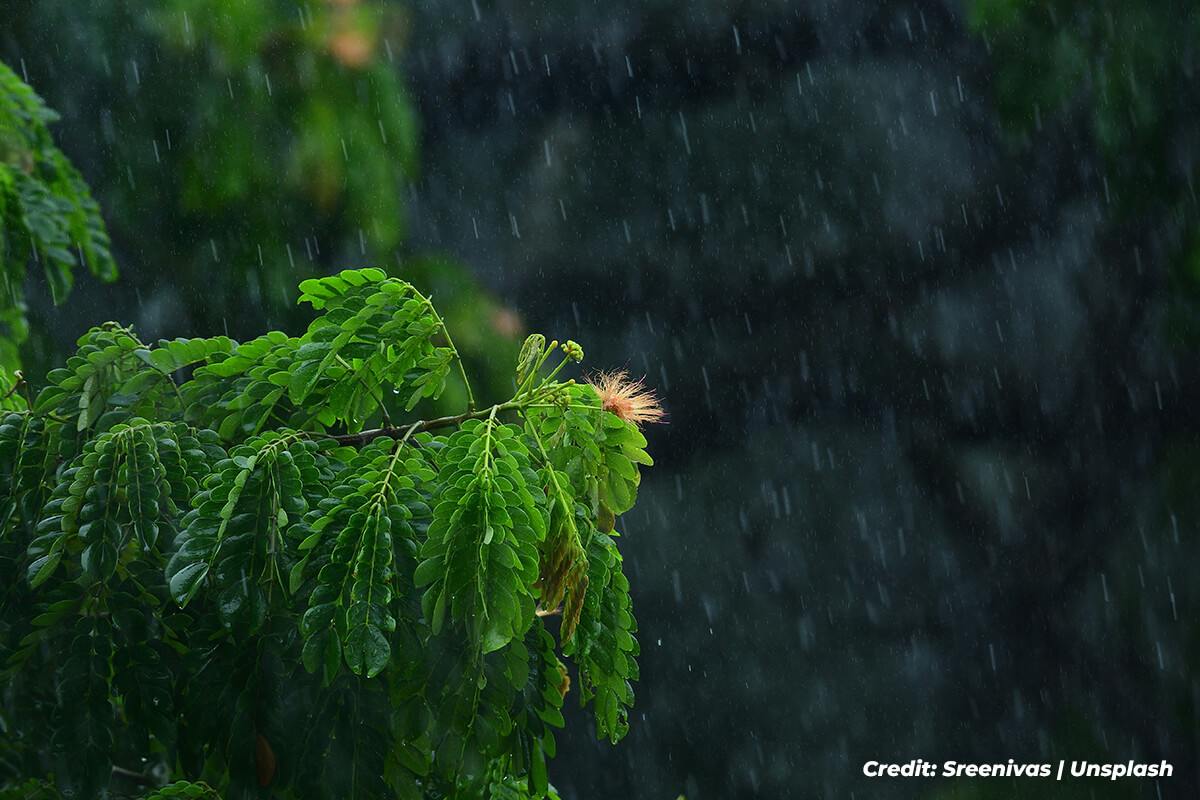
Heavy rainfall can pose a significant challenge in residential areas, often overwhelming drainage systems and leading to runoff that carries pollutants into waterways. Thankfully, shade trees also lend a hand toward improving stormwater management. The process begins high in its branches. The tree’s canopy acts like a vast, gentle umbrella, intercepting a significant portion of the rain that falls. The droplets collect on leaves and bark, slowing their descent. Much of this intercepted water evaporates directly back into the atmosphere, never even reaching the ground.
The water that does drip through the canopy reaches the ground with much less force, preventing it from dislodging and washing away topsoil. Once on the ground, the tree’s extensive root system performs the next critical function. The roots create a network of channels and pores within the soil, dramatically increasing its porosity and ability to absorb water. Instead of sheeting off the surface of a compacted lawn and into the street, rainwater is encouraged to soak deep into the ground. This process of infiltration helps to recharge vital groundwater aquifers and reduces the volume of water rushing into municipal storm sewers. A yard with a mature shade tree becomes a sponge rather than a slide, mitigating local flooding and protecting the health of nearby streams and rivers.
4. Soil Health and Stability
Not everyone gives too much thought to the soil underfoot, but there is not denying that soil health is integral to a healthy environment. The ground beneath our feet is a living, dynamic ecosystem, and a shade tree is its anchor and nourisher. The most immediate benefit is the prevention of soil erosion. The same canopy that intercepts rain also lessens the erosive power of falling drops, while the intricate, fibrous web of roots binds the soil particles together, creating a stable matrix that resists being washed away by water or blown away by wind. This is especially crucial on sloped properties, where a tree can prevent the gradual loss of valuable topsoil.
Furthermore, a tree actively enriches the soil it inhabits. Each autumn, it sheds its leaves, which blanket the ground below. This is not waste; it is a gift. As these leaves decompose, they create a rich layer of organic matter called humus. This humus is vital for soil health. It improves the soil’s structure, making it less compacted and allowing for better air and water penetration. It also provides a slow-release source of essential nutrients for the tree itself and for any other plants growing nearby. A shade tree, therefore, is not just living in the soil; it is actively building and conditioning it, creating a healthier, more fertile foundation for the entire garden.
5. Biodiversity and Wildlife Habitat
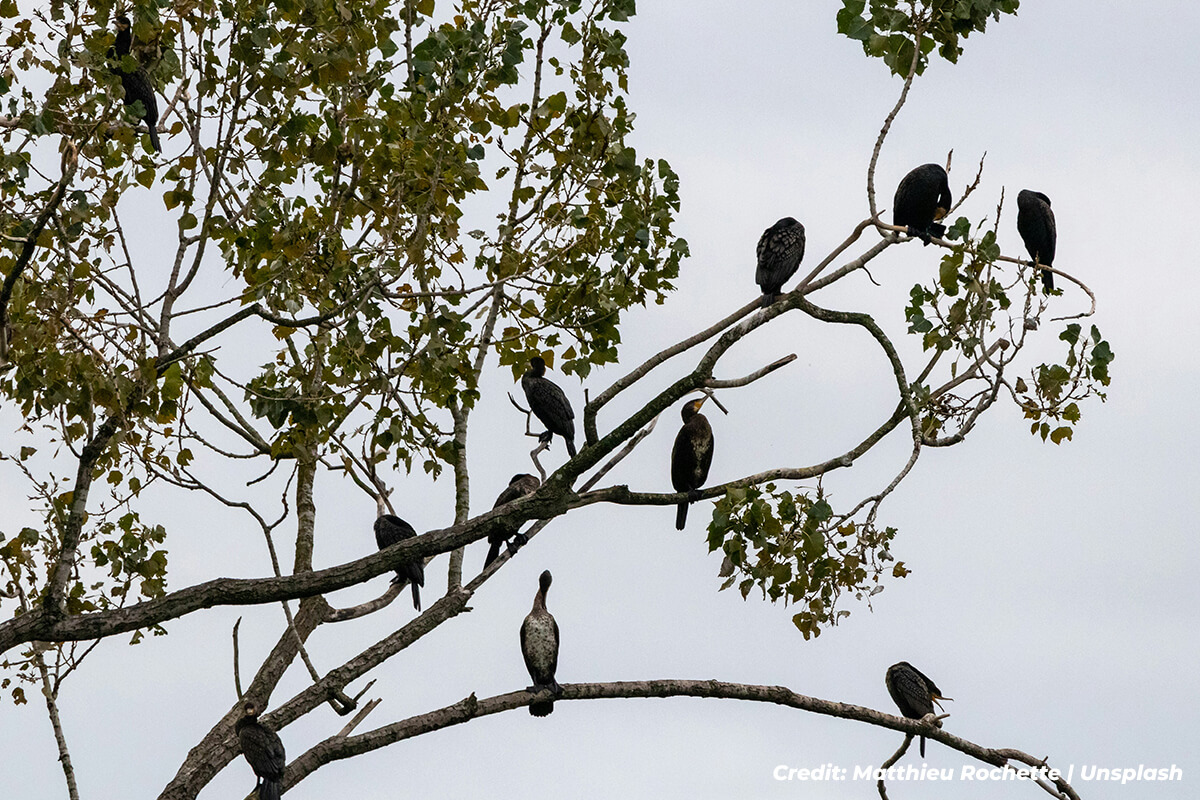
Planting a shade tree is like opening a vibrant, multi-levelled residential complex for local wildlife. A single tree can transform a sterile patch of lawn into a bustling hub of biodiversity. For birds, it offers a safe place to perch, scout for food, and build nests high among its protective branches. The tree’s flowers provide nectar for bees, butterflies, and other essential pollinators, while its fruits and seeds offer sustenance for a variety of birds and small mammals like squirrels.
Even the tree’s bark and leaves provide a habitat for countless species of insects, which in turn become a food source for birds, creating a complex and self-sustaining food web right in your backyard. By choosing a native tree species, you amplify this benefit exponentially, as native wildlife has co-evolved with these trees and is best adapted to use them for food and shelter. A shade tree bridges the gap between a developed landscape and the natural world, inviting the colour, sound, and life of a thriving ecosystem to your doorstep and fostering a greater connection to the natural cycles of the seasons.
6. Noise Pollution Reduction
Our homes should be sanctuaries of peace, but they are often surrounded by the persistent sounds of traffic, neighbours, and general urban activity. Trees can create a tranquil sanctuary, serve as effective, living barriers that keep the outside world out of your home(where it belongs). While they cannot eliminate sound entirely, their physical structure works to reduce noise levels significantly. The leaves, twigs, and branches of a tree absorb and deflect sound waves, disrupting their path from the source to your home.
The soft, irregular surfaces of foliage are much better at scattering sound than hard, flat surfaces like a fence or a wall, which tend to reflect it. A dense, mature shade tree, particularly when planted as part of a layered landscape with shrubs and other plants, creates a buffer zone that can noticeably dampen high-frequency noises, turning a sharp, jarring sound into a more muted background hum. This natural soundproofing contributes to a more serene and peaceful atmosphere, both in the garden and inside the home.
—
Trees are a smart investment, and not just for their effect on your home’s curb appeal. They’re excellent for keeping your home cool and comfortable, and making your home environment that much more healthy. Now that you have a clearer idea of what trees bring to the table, you can better appreciate what they do and how they make your home all the more cosy.
When you want a shade tree to make your home that much more comfortable, Caledon Treeland is here to lend a hand. We carry a wide range of trees to help beautify your home, improve your privacy, and make your surroundings more snug and relaxing. Give us a call now at (905) 880-1828 to visit our tree farm and find a tree that fits your needs and your location.