

The classic image of a sprawling maple tree on a vast lawn can lead homeowners with limited space to believe this Canadian icon is out of reach. This simply isn’t true. The key to enjoying the spectacular beauty of maple trees on a smaller property lies not in having a massive amount of land but in smart selection and strategic placement.
By choosing the right type of maple and identifying the perfect location, even the most compact urban garden patch can become home to this stunning tree.
Strategic Placement for Small-Space Maple Trees
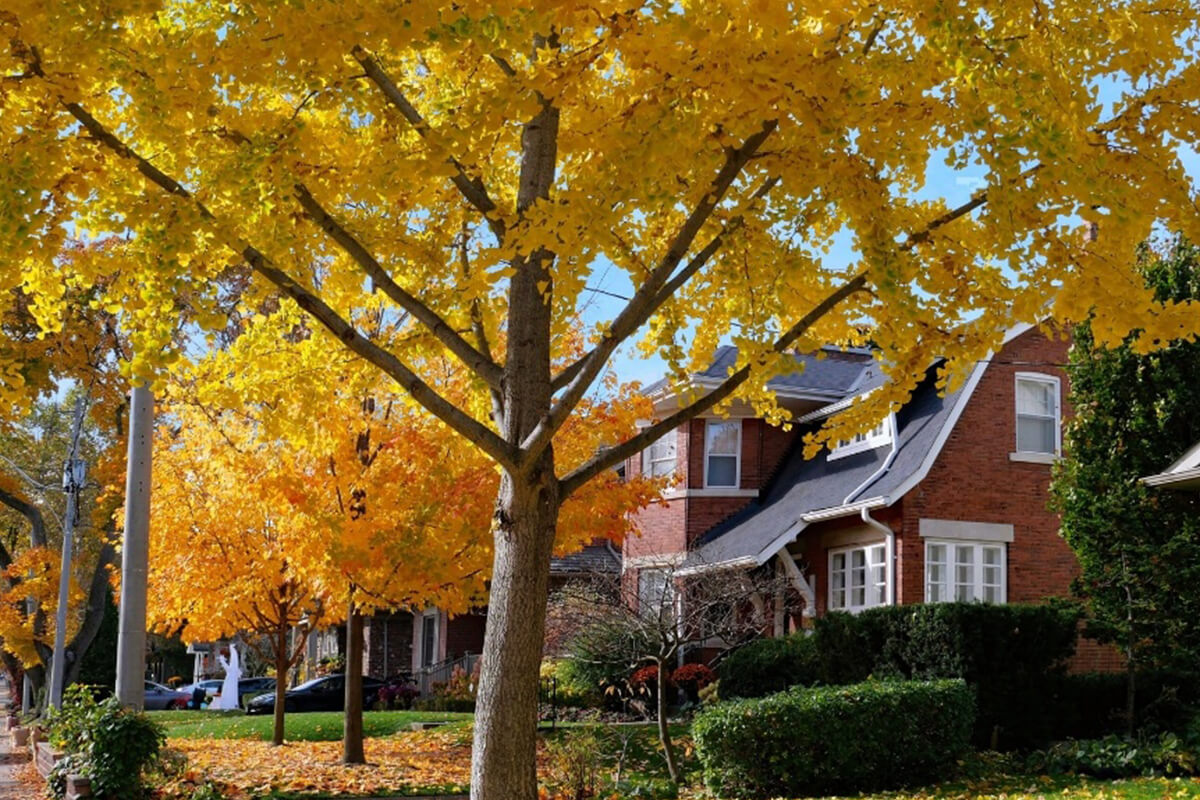
Finding the ideal spot for a maple tree in a small setting is about seeing your property not as a single unit, but as a collection of potential micro-locations. Each spot has unique characteristics that can be matched with a specific type of tree to maximize both aesthetics and health.
-
The Corner Anchor
The corners of a property are often neglected, becoming dead zones in a landscape design. This is a prime opportunity. Planting a compact, upright maple in a corner can instantly transform the space. It acts as a powerful focal point, drawing the eye and giving the entire property a sense of scale and intention.
A corner placement is also highly efficient, providing screening and a sense of privacy from two directions at once. A vase-shaped tree, like a Trident Maple, or a more pyramidal form works beautifully here, directing its growth upwards and outwards into the corner, rather than encroaching on the more active central areas of your lawn or patio.
-
Soft Landings: The Value of Garden Beds and Lawns
Where you plant a tree’s roots is just as important as where its branches will grow. Whenever possible, locate your maple tree within a “softscape”: a mulched garden bed or an open area of your lawn. Planting a tree in a tiny cutout within a large stone patio or brick walkway creates a highly stressful environment. This is supported by research.
According to a study, urban maple trees in turfed areas show similar form and structure to their turfed counterparts, but Norway maples in brick walkways show a more open-canopied and ragged appearance due to environmental stress (Schwets et al., 2000).
Why the Planting Surface Matters
The reasons are clear: a lawn or garden bed allows for better water penetration and air exchange in the soil. The soil is less compacted and doesn’t suffer from the intense reflected heat that radiates from hard surfaces in the summer.
Giving your maple’s roots access to this healthier, more natural soil environment is a critical step in ensuring it develops a full, lush canopy rather than a stressed and sparse one.
-
Creating Vertical Accents Along a Fence or Wall
In many urban lots, space is at a premium, and the only direction to go is up. A narrow garden bed along a fence or the side of a house is the perfect location for a columnar maple tree. These varieties are specifically bred for an upright, narrow growth habit, providing all the height and colour of a traditional maple without the wide, spreading canopy.
Planting a row of these can create a stunning “living fence” for privacy, while a single tree can act as a dramatic exclamation point in your landscape design, drawing the eye upward and making the entire space feel larger.
-
Container Growing: The Ultimate Small-Space Solution
For those with only a balcony, patio, or small stone courtyard, a container-grown maple is the perfect solution. This method gives you complete control over the tree’s location and soil. Japanese maples are the undisputed stars of container gardening. Their smaller stature, graceful forms, and delicate foliage are ideally suited to pot culture.
Choose a large, frost-proof container to give the roots ample room to grow and to provide stability. Use a high-quality potting mix, ensure the pot has excellent drainage, and be prepared to provide consistent water, as containers dry out much faster than garden soil.
For Canadian winters, container trees require protection. Move the pot into an unheated garage or shed, or wrap the container in insulating material to protect the roots from freezing solid.
Preparing Your Chosen Location for Planting Success
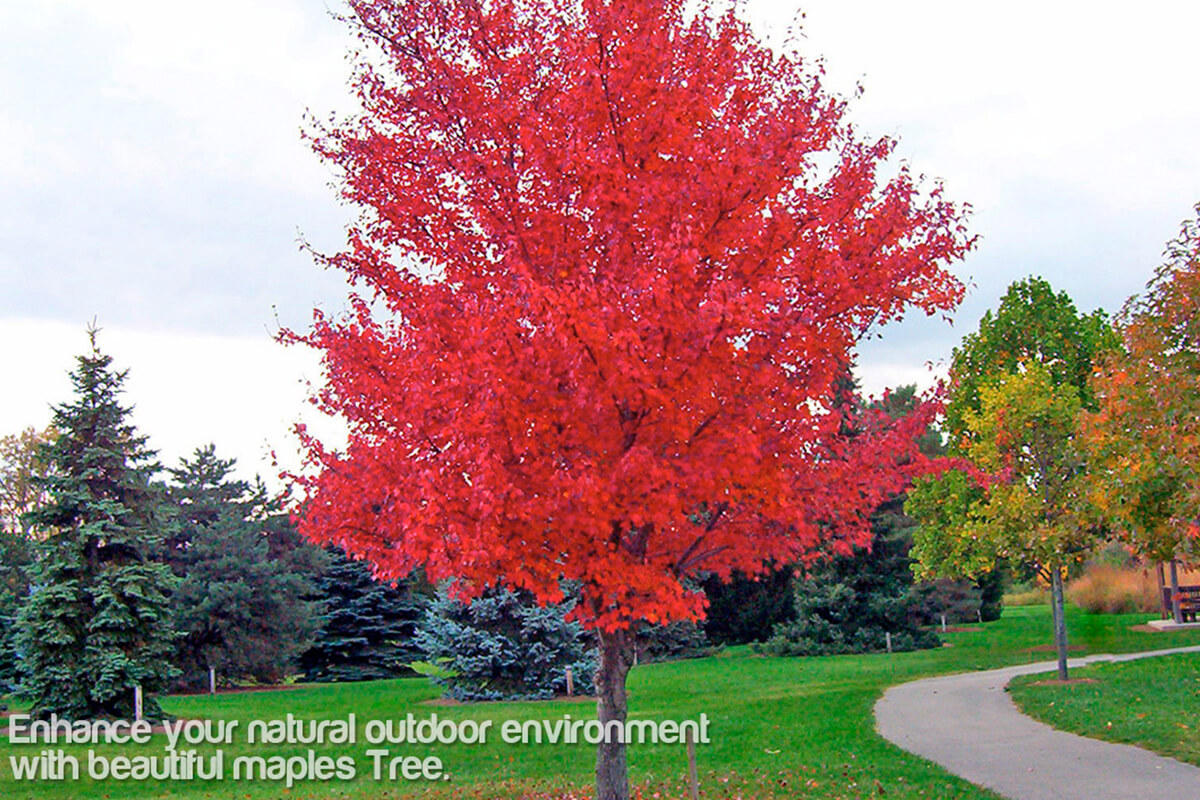
Identifying the perfect spot is a critical first step, but preparing that location properly is what sets your new maple tree up for a long and healthy life. In the tight confines of an urban or suburban property, the soil is often compacted or of poor quality.
Following these steps before the tree goes into the ground can make the difference between a thriving specimen and one that struggles.
- Decompact the Entire Planting Zone: Before you dig the main hole, use a garden fork to loosen the soil in a wide circle, about 3 to 5 feet in diameter. Pushing the fork in and rocking it back and forth breaks up dense, compacted soil. This creates vital channels for air, water, and the new roots to penetrate more easily.
- Excavate a Wide, Shallow Hole: Dig the actual planting hole two to three times wider than the tree’s root ball, but no deeper. It is crucial that the tree sits on a base of firm, undug soil. This ensures the trunk flare (where the trunk widens to meet the roots) will remain at or slightly above the surrounding ground level after planting, which is essential for its health.
- Use Mostly Native Soil for Backfill: When you fill the hole in around the root ball, use the original soil you removed. Avoid the temptation to add large amounts of rich compost or other amendments directly into the hole. This can create a “pot effect,” where the roots stay circling within the nice soil instead of venturing out into the tougher native ground, leading to a weak root system.
- Amend from the Top Down: The best way to enrich the soil is to mimic nature. After planting, apply a 1-to-2-inch layer of high-quality compost over the entire 3-to-5-foot decompacted zone.
Then, cover the compost with a layer of mulch. This top-dressing allows worms and soil life to gradually carry the nutrients down, improving the soil over a broad area and encouraging the roots to spread.
- Plan for Future Root Growth: Stand in your chosen spot and look at the distance to permanent structures like foundations, sidewalks, patios, and driveways. Remember that even a small maple’s root system will eventually spread at least as wide as its mature canopy. Ensuring there is adequate space from the beginning prevents costly damage from heaving roots years down the road.
This careful preparation is the homeowner’s half of the partnership. The other half is starting with a healthy, vigorous tree. Quality growers, like those offering trees for sale in Burlington, can provide not only the right specimen but can also do the preparation and planting for you.
Your Perfect Tree is Waiting
Ready to transform your property with the unmatched beauty of a maple tree? Contact the experts at Caledon Treeland at (905) 880-1828. Our team will help you select from a superior inventory of healthy maple trees for sale in Burlington and the surrounding areas, ensuring you find the ideal tree for your specific space and needs.