
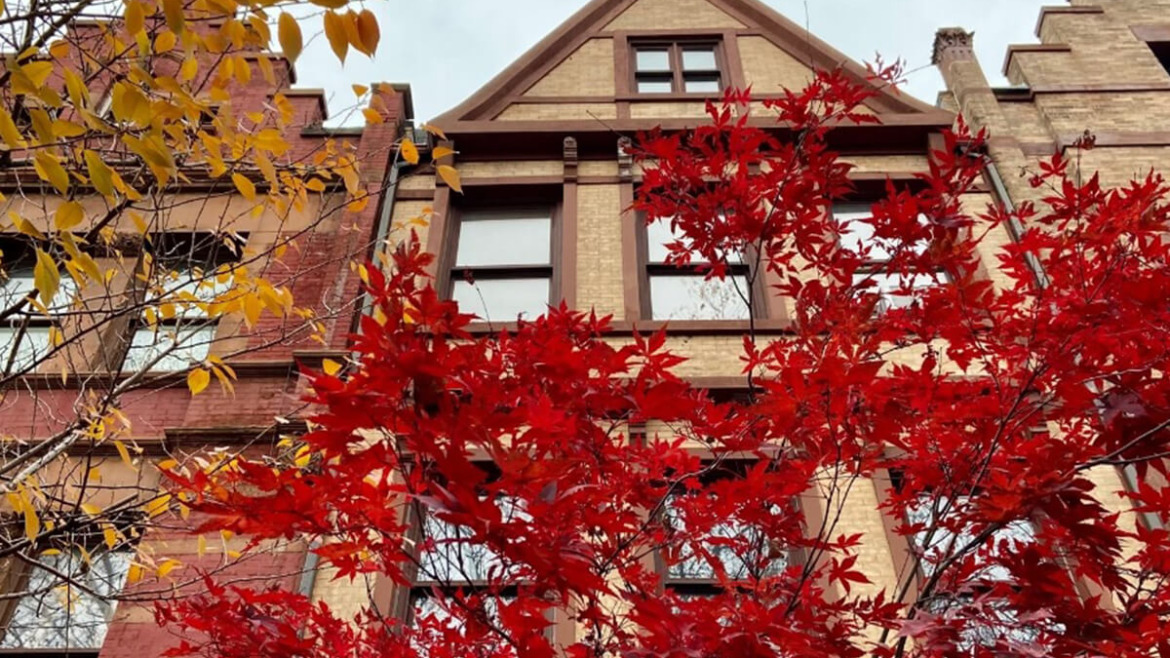
The hardscapes of our Canadian cities and towns can often feel sterile, a world of concrete and steel. However, within these urban environments, pockets of green offer vital respite and ecological value. Among the most rewarding additions to any city-dweller’s property are maple trees.
Their spectacular seasonal colour, pleasing shade, and relatively adaptable nature make them ideal candidates for transforming even the smallest garden patch into a vibrant and beneficial space.
From the fiery reds and oranges of autumn to the delicate greens of spring, maple trees bring a dynamic beauty that enriches our daily lives and enhances the overall health of our communities.
Why Maple Trees Thrive in Urban Settings
Maple trees possess a suite of characteristics that allow them not only to survive but also to flourish within the challenges of an urban landscape. Their adaptability to varied soil conditions (though preferences exist), tolerance of partial shade, and relatively sturdy growth habits contribute to their success in our residential plots and boulevards.
- Adaptability to Soil Conditions: While maple trees generally prefer well-drained, slightly acidic soil, many species exhibit a commendable tolerance for the less-than-ideal soil often found in urban properties – compacted, nutrient-poor, or with altered pH levels due to construction or pollution.
However, it’s crucial to select a maple variety known for its resilience to your specific soil type. For instance, Freeman maples are known for their adaptability to a wider range of soil conditions compared to some of the more finicky Japanese maples.
- Moderate Shade Tolerance: Unlike some sun-loving trees, many maple varieties can perform well with partial shade, a common condition in densely built urban areas where neighbouring buildings or mature trees cast shadows for significant portions of the day.
This adaptability opens up planting possibilities in locations that might be unsuitable for other tree species. Red maples and Amur maples, for example, can still develop beautiful fall colour even with some shade.
- Manageable Size and Form: The maple family is diverse, offering a range of sizes and growth habits suitable for various garden sizes. From the towering sugar maple, best suited for larger properties, to the more compact Japanese maples perfect for smaller lots or even large containers, there’s a maple tree to fit almost any urban garden patch.
Upright, columnar forms can provide vertical interest without taking up too much ground space, while spreading canopies offer valuable shade.
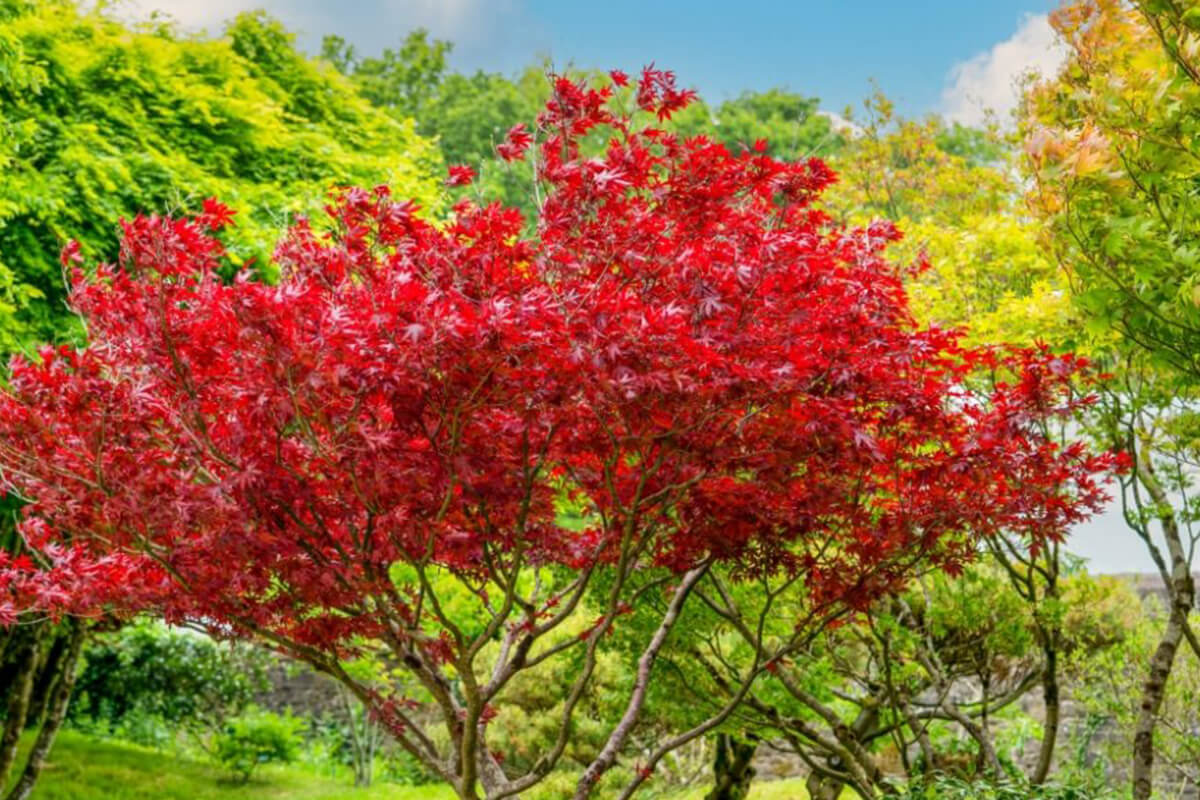
- Seasonal Spectacle and Visual Interest: The most celebrated attribute of maple trees is undoubtedly their stunning autumn foliage. The transformation from summer greens to vibrant hues of red, orange, and yellow is a highlight of the Canadian fall, bringing a breathtaking natural view to our urban landscapes.
Beyond the fall, maples offer year-round visual interest with their distinctive leaf shapes, attractive bark textures, and elegant branching patterns, especially noticeable in winter.
- Ecological Contributions in Urban Environments: Beyond their aesthetic appeal, maple trees provide vital ecological benefits in urban settings. Their canopy offers shade, reducing the urban heat island effect and lowering energy consumption for cooling nearby buildings.
Their leaves help to filter air pollutants, and their presence supports local biodiversity by providing habitat and food sources for birds and insects.
According to a study, maple trees have a rich evolutionary heritage and remarkable ecological adaptations, shaped by geological, environmental, and human influences (Indra Prakash, 2024). This underscores their long-standing role in our ecosystems and their continued importance in even our most developed areas.
Picking the Perfect Maple: Considerations for Your Property
Choosing the right maple tree for your urban garden patch requires careful consideration of several factors beyond just aesthetic preference. Matching the tree’s needs to your specific site conditions is important to ensuring its long-term health and vibrancy.
- Assessing Your Garden Patch Size: Be realistic about the mature size of the maple you are considering. A sugar maple, while iconic, can grow very large and may quickly outgrow a small city property, potentially causing issues with overhead wires or neighbouring structures.
For smaller spaces, consider Japanese maples, Amur maples, or even some of the smaller cultivars of red or silver maples.
- Evaluating Sunlight Exposure: Observe how much direct sunlight your planting location receives throughout the day. While many maples tolerate partial shade, optimal fall colour development typically occurs in full sun.
If your garden patch is heavily shaded, research maple varieties known to still provide good colour in less sunny conditions.
- Analyzing Your Soil: While many maples are adaptable, understanding your soil type and pH will help you narrow down the best choices. Conduct a simple soil test to determine if your soil is predominantly clay, sand, or loam and its acidity level. Then, select a maple species or cultivar known to thrive in those conditions.
You might find information on local gardening forums or by consulting with experts about the common soil types in your area, perhaps even when looking at trees for sale in Burlington.
- Considering Your Local Climate and Hardiness Zone: As with any tree selection in Canada, your plant hardiness zone is a crucial factor. Ensure that the maple variety you choose is rated for your specific zone to guarantee its winter survival. Local nurseries and reputable tree farms will typically only stock trees suitable for your region.
- Thinking About Potential Issues: Be aware of any potential pest or disease issues common to maple trees in your area. Researching the susceptibility of different varieties can help you make a more informed decision and potentially avoid future problems.
For example, while the common ‘Tar Spot’ fungus is mostly a cosmetic issue that creates black spots on leaves, other problems can be more serious. Some varieties, like the fast-growing Silver Maple, have weaker wood and are more prone to branch breakage during ice storms or high winds.
Taking a moment to learn about a cultivar’s specific vulnerabilities is a key step in preventative care and ensures you are choosing a tree that will remain a feature, not a recurring frustration. Consider also the tree’s root system and avoid planting too close to foundations or underground utilities.
- Considering Fall Colour Preference: Maple trees offer a spectrum of fall colours. If you have a strong preference for brilliant red, golden yellow, or vibrant orange, research specific cultivars known for consistently delivering that particular hue in your climate.
Finding Quality Maples: The Importance of a Good Tree Farm
The health and vigour of your new maple tree begin long before it reaches your garden patch. Choosing a reputable tree farm is essential to ensure you are purchasing a well-cared-for specimen that has the best chance of thriving in its new environment.
- Seek Out Local Growers: A tree farm located within your region is more likely to offer maple trees that are already acclimatized to the local climate and soil conditions. This gives them a significant head start compared to trees transported from distant locations.
- Inspect the Trees Carefully: When visiting a tree farm, take the time to examine the maple trees you are considering. Look for healthy foliage with good colour, a strong central leader (if applicable for the variety), and a well-formed branching structure. Avoid trees with signs of damage, disease, or pest infestation.
- Examine the Root System: Whether the trees are in containers or balled and burlapped, check the root system. For container trees, ensure the roots are not excessively circling the pot (root-bound). For balled and burlapped trees, the root ball should be firm and of an appropriate size for the tree.
- Inquire About Structural Pruning: For younger shade trees, ask if any structural pruning has been performed. Reputable farms often prune young stock to establish a strong central leader and good branch spacing.
This early care is crucial for the tree’s long-term health and integrity, preventing weak branch unions and potential storm damage many years down the road.
- Ask About Growing Practices: A knowledgeable tree farm will be transparent about their growing practices. Inquire about their watering, fertilization, and pest management strategies. Healthy growing practices lead to healthier trees.
- Look for Variety and Expertise: A good tree farm will offer a diverse selection of maple species and cultivars, and their staff should be able to provide informed advice on the best choices for your specific needs and site conditions. They should ask you questions about your property and preferences.
- Consider Guarantees and Services: Some reputable tree farms offer a limited guarantee on their trees, providing peace of mind. Inquire also about delivery and planting services, which can be particularly helpful for larger maple trees.
Your Dream Urban Garden Starts Here
Ready to experience the beauty and benefits of maple trees in your Canadian garden patch? Contact Caledon Treeland at (905) 880-1828 for a superb selection of healthy, vibrant maple trees for sale in Burlington and expert advice to help you choose the perfect addition to your urban landscape. Let us help you cultivate the garden you’ve always envisioned.