
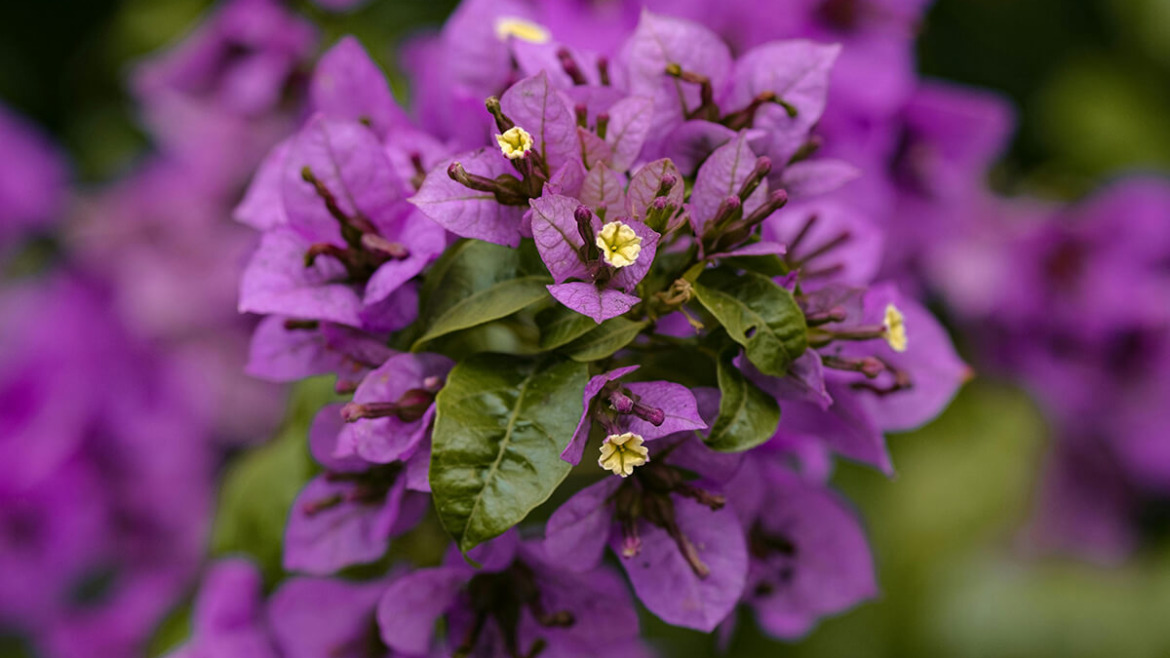
Now that spring is finally here, it’s the season of renewal for many, and for many Canadian homeowners, it’s the ideal time to welcome new trees into their landscape. Planting a tree is a great way to beautify your home and make that much more comfortable and convenient (for yourself and for your local environment too).
However, planting your tree correctly is key to giving it that crucial strong start it needs to take root right away, allowing its root system to establish before the stress of summer heat arrives. Planting native trees is generally ideal, as they are adapted to the area’s climate and soil, and provide maximum benefits for local wildlife. However, getting it right from the beginning takes more than finding the right tree. It also takes knowing all the steps needed to ensure your tree takes root in your soil. Getting these steps right is paramount to ensuring your new residential tree thrives for years to come, providing shade, beauty, and habitat, and so, the work is ultimately worth it once you have your tree well and truly planted. Here is a brief guide to make the task of planting a little easier and help you achieve spring planting success.
1. Select the Right Tree for the Right Place
Before you even dig a single shovel full of earth, careful consideration of tree selection and placement is essential. Think about your specific climate zone and choose a species known to flourish there. Consider the tree’s mature size – both height and spread – as well, and ensure the location provides ample space away from buildings, overhead wires, and underground utilities. Observe the amount of sunlight the spot receives throughout the day; different trees have different light requirements. Finally, assess your soil type. Is it clay, sandy, or loamy? Some trees are more tolerant of specific soil conditions than others. Whatever the type of soil, take steps to prepare your soil appropriately to give your tree the welcome it deserves. Choosing a tree suited to its environment is the first, and arguably most important, step.
2. Time Your Planting Appropriately
Spring offers a prime planting window. The ground has thawed, but temperatures are still relatively cool, and spring rains often provide natural moisture. Ideally, the optimal time to plant your tree comes after the risk of hard frost has passed, but before the tree begins to bud out heavily. This allows the tree to focus its energy on developing roots rather than foliage immediately. The time to avoid planting is when the soil is excessively wet and muddy, as this can compact the soil and make digging difficult.
3. Prepare the Planting Site Thoroughly
Once you’ve chosen your tree and its location, proper hole preparation is crucial. Dig a hole that is at least two to three times the width of the tree’s root ball. The depth of the hole should be equal to the height of the root ball, ensuring the root flare (where the trunk widens before meeting the roots) will sit level with or slightly above the surrounding soil surface. Loosen the soil on the sides and bottom of the hole to encourage root growth outwards. It is generally recommended not to amend the backfill soil with excessive amounts of compost or other materials unless your soil is extremely poor. This encourages the roots to grow out into the native soil rather than staying confined to the improved patch.

4. Handle and Plant the Tree with Care
Before placing the tree in the hole, carefully inspect the root ball. If the tree is in a container, gently remove it and check for roots circling the pot. These circling roots should be straightened out or lightly scored with a knife or your fingers to encourage them to grow outwards. If your tree has been balled and burlapped, place the tree in the hole first, then cut away the burlap cover. Cut away all twine, wire, and burlap from the trunk and the top of the root ball. Ensure the root flare is visible and at the correct height. Backfill the hole carefully with the original soil, gently tamping it down with your foot or a tool to eliminate any large air pockets. Avoid compacting the soil too tightly, however. Soil compaction can have adverse effects on trees, specifically restricting the development of the roots, and impacting the soil water status.
5. Water Immediately and Adequately
Watering immediately after planting is vital to help stimulate root development. Deep watering is your friend here; water slowly and deeply, allowing the water to thoroughly soak the entire root ball and the surrounding soil. This helps settle the soil around the roots and provides essential moisture.
6. Apply Mulch Correctly
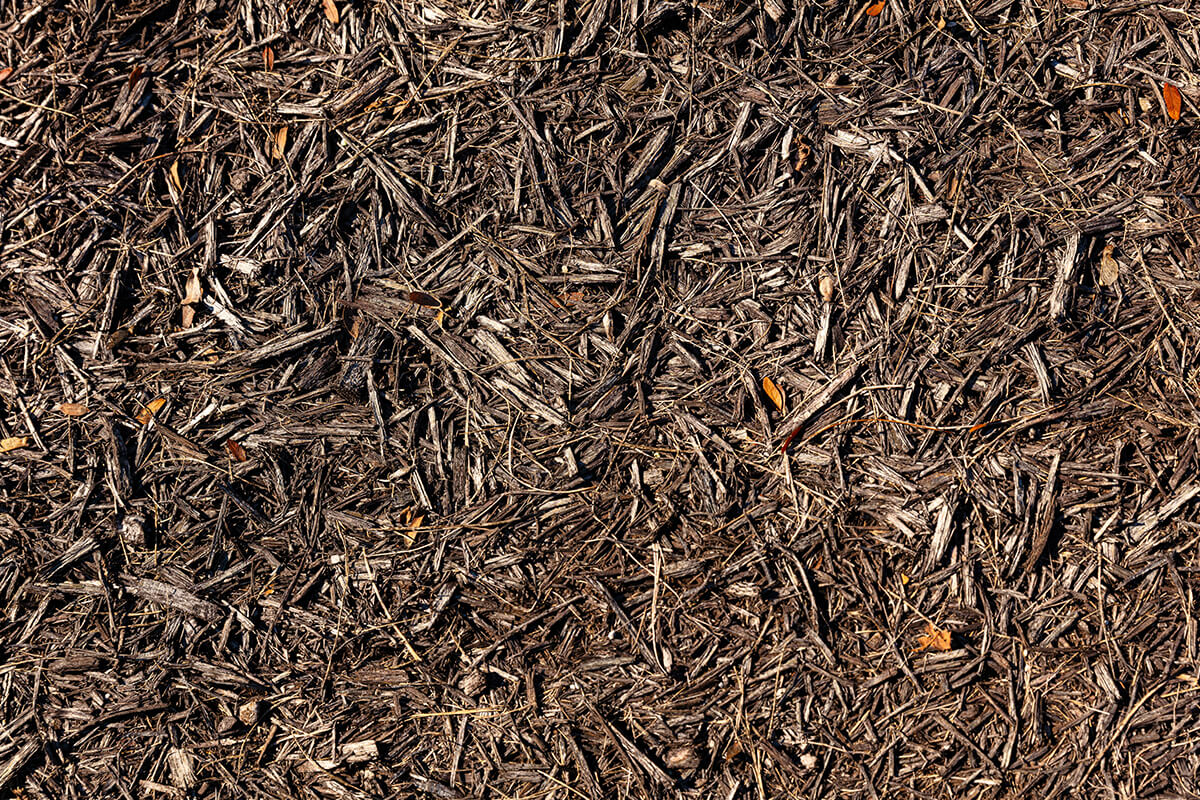
Mulch can be a boon for a developing tree, but it also pays to be aware of the optimal mulching methods to give your tree the proper care. A 5 to 10 centimetre layer of organic mulch, such as wood chips or shredded bark, around the base of the tree is highly beneficial. Mulch helps retain soil moisture, suppress weeds that compete for resources, and regulate soil temperature. Apply the mulch in a wide circle around the tree, extending out to the drip line if possible, but always keep the mulch a few centimetres away from the tree trunk itself. Piling mulch directly against the trunk can lead to rot and pest problems.
7. Consider Staking Only if Necessary
Staking is often unnecessary for newly planted trees and can actually hinder the development of a strong trunk and root system by preventing natural movement. Only stake your tree if it is in a very windy location, has a particularly top-heavy canopy, or is unable to stand on its own. If you do stake, use flexible ties that will not girdle the trunk as the tree grows, and allow for some trunk movement. Remove stakes after one growing season, usually within a year, once the tree has established.
—
Following these steps is essential to giving your new tree the best possible chance for success. While the initial planting is critical, remember that consistent care, particularly watering during its first year, will be key to its long-term health and vigorous growth. Patience is also a virtue; it takes time for a young tree to settle in and begin to flourish. However long it takes, once your tree takes root and starts to bloom, you can enjoy it beautifying your home for years to come.
When it comes to finding the right trees to make your home more appealing and add to your comfort and privacy, Caledon Treeland is here to help make the process easier for you. We carry a wide range of trees to ensure you find one that can thrive in your soil. Give us a call now at (905) 880-1828 and visit our tree farm to find the tree that’s right for you.