

“Winter is coming” goes the familiar quote, but winter comes and then it goes. Once winter’s had its time, spring comes to replace it, painting the world in shades of vibrant green. As the season of renewal, spring brings with it a natural inclination to get outdoors, to connect with the earth, and to soak in some of that fresh, green growth that’s part and parcel of the season. And, appropriately for the season, one of the most impactful and rewarding activities we can undertake at this time is planting trees. More than just a springtime chore, planting a tree in spring aligns perfectly with the rhythms of nature, offering the nascent sapling the absolute best chance to thrive and grow into a majestic cornerstone of your home environment. There are numerous compelling reasons why seizing this moment is the ideal choice for expanding your urban canopy, enhancing your natural spaces, and just plain making your home environment that much more green and healthy.
Let’s take a look into why spring stands out as the premier season for putting roots into the ground and helping a new tree begin its life.
1. Optimal Soil Temperature and Moisture
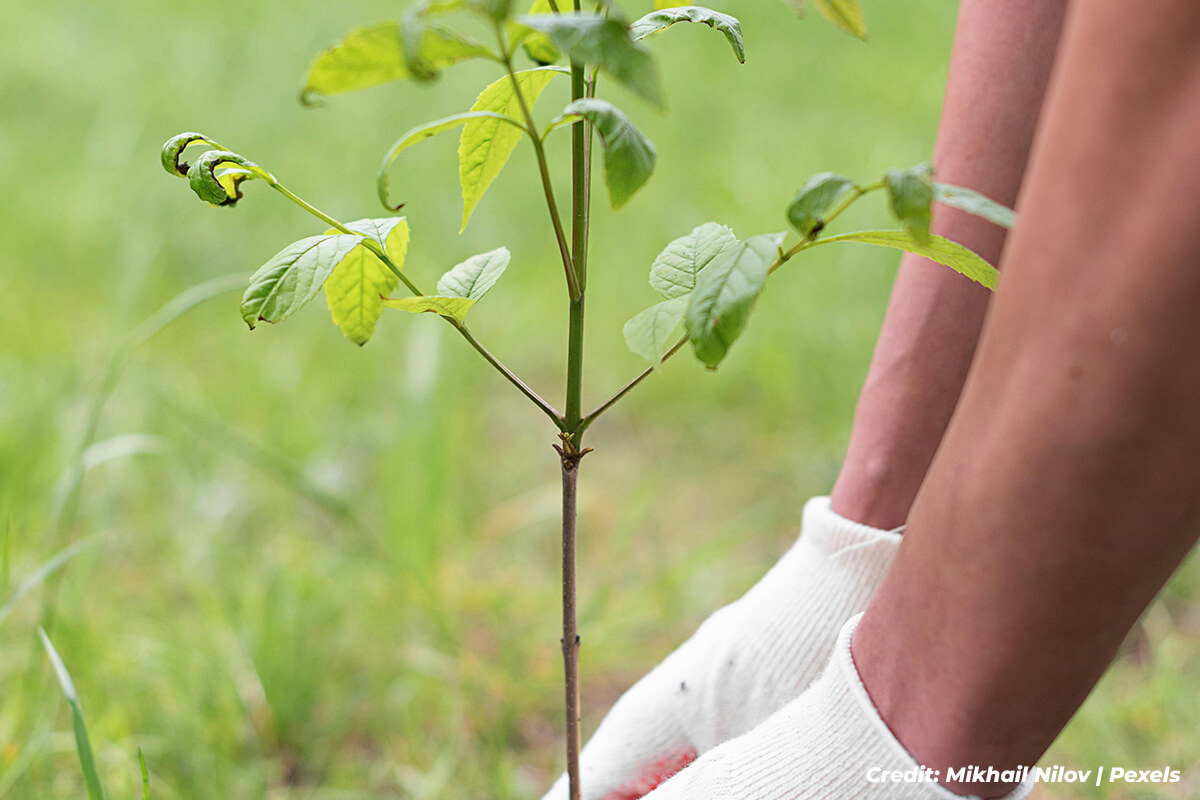
As the season of regrowth, spring offers a unique window where soil conditions are typically just right for encouraging root development in young trees. After the freeze of winter, the soil begins to warm gradually. At this time, the soil is cool enough to prevent heat stress on young roots but warm enough to stimulate their growth. Crucially, spring soil often retains significant moisture thanks to melting snow and increased rainfall. This natural hydration is vital for a newly planted tree, reducing the need for constant manual watering during those critical initial weeks after planting. The combination of moderate temperature and ample, but not waterlogged, moisture creates an environment where roots can comfortably explore their new surroundings and establish a firm anchor. Of course, it’s also a good idea to prepare ahead by prepping your soil appropriately in anticipation of planting your new tree.
2. Mild Weather Conditions
Spring weather in many regions of Canada and beyond is characterised by moderate temperatures and a lack of the extreme heat or biting cold found in other seasons. This gentle environment is much less stressful for young trees that have just undergone the significant change of being transplanted. Extreme temperatures (either hot or cold) can shock a sapling and hinder its ability to establish. Spring’s temperate climate allows a tree to focus its energy on developing its root system and adjusting to its new location without having to simultaneously cope with harsh environmental demands. As a bonus, those milder conditions also make the planting process itself much more comfortable and enjoyable for the planter.
3. Giving Roots Time to Establish
One of the most vital factors in planting a tree is ensuring it takes root. Planting in the spring provides the tree’s root system with several months of favourable growing conditions before the significant challenges of summer arrive. As temperatures rise and sunlight intensifies, the demand on a tree for water increases dramatically. A tree planted in spring has the entire season – typically several months of active growth – to develop a robust and widespread root network capable of efficiently absorbing water and nutrients from the soil. This well-established root system is absolutely critical for the tree’s survival and health when faced with the warmer, drier conditions that often characterise summer. Planting too late in the season shortens this vital establishment period, leaving the tree vulnerable.
4. The Tree’s Natural Growth Cycle
Planting a tree in spring aligns harmoniously with its innate biological clock. Trees emerge from dormancy in the spring, signalled by increasing light and temperature. This is the season when they naturally push out new leaves and begin active top growth. By planting at the beginning of this active cycle, we are essentially giving the tree a head start. Its internal mechanisms are already geared towards growth and resource uptake, making it more receptive to establishing in its new home. Working in concert with the tree’s natural rhythm significantly increases the likelihood of successful transplantation and vigorous early growth.
5. Reduced Stress on the Sapling
Transplanting is a significant event for any tree, involving disruption to its root system and a change in environment. Planting in spring helps to minimise this transplant shock. The combination of mild weather, sufficient soil moisture, and the tree being in a state of emerging growth makes it more resilient. The tree can channel its energy into recovery and growth rather than struggling against environmental extremes. A tree that experiences less stress during transplantation is more likely to establish quickly, show healthy foliage development, and grow strongly from the outset. This reduced stress translates directly into a higher survival rate and better long-term health for the newly planted tree.
6. Abundant Resources
Spring is typically the season when nurseries and garden centres are fully stocked with a wide variety of tree species, sizes, and cultivars. The selection is often at its peak, giving planters access to the best available specimens for their specific needs and locations. Furthermore, spring is a popular time for community planting initiatives, Arbor Day celebrations, and municipal greening programmes. This means there are often opportunities to obtain trees, get advice from experts, and participate in group planting events, making the process more accessible and collaborative. The availability of both trees and support resources makes spring an exceptionally convenient time to undertake planting projects.
7. Long Growing Season Ahead
A tree planted in spring has the distinct advantage of having the longest possible growing season ahead of it. From the moment it’s planted, it can begin the process of root establishment and (once it’s settled) foliar growth. This extended period of active growth, spanning spring, summer, and potentially into early autumn depending on the climate, allows the tree to gain significant size and strength before facing its first winter in its new location. The more developed a tree is going into winter dormancy, the better equipped it is to withstand cold temperatures, winds, and other winter stresses.
8. The Joy and Observance of Growth
There is a unique pleasure in planting a tree in spring and then having the entire growing season ahead to observe its progress. From the unfurling of the first leaves to the lengthening of branches and the deepening of colour, watching a newly planted tree establish and grow is incredibly rewarding. Planting in spring allows you to witness these critical early stages of development firsthand, fostering a deeper connection with the tree and the natural world around you. It’s a tangible way to see the positive impact of your efforts unfold week by week.
9. Contributing to the Local Ecosystem
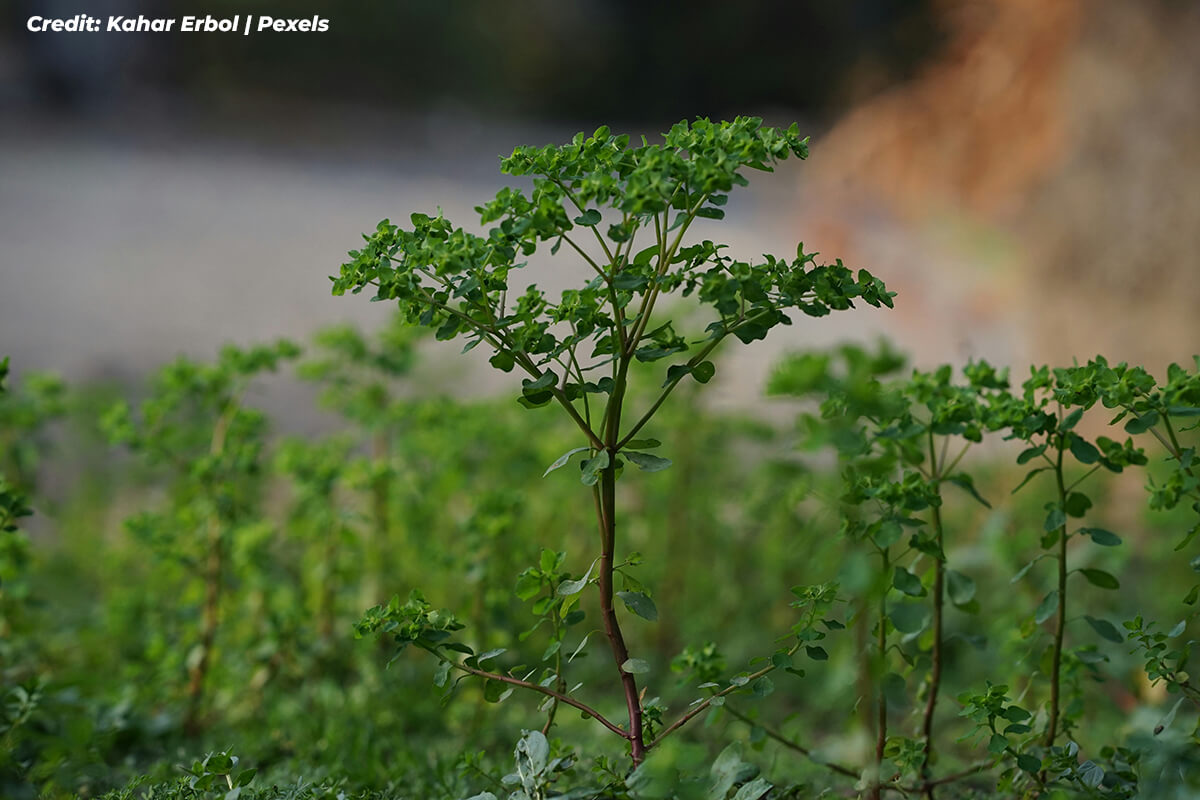
Planting a tree in spring immediately begins its contribution to the local ecosystem; trees offer a variety of benefits to their local ecosystems (both medical and ecological), making them even more attractive an investment. As its leaves emerge, a tree starts to provide shade, filter the air, and absorb carbon dioxide. As it grows, it creates habitat and food sources for local wildlife, from insects and birds to small mammals. Planting in spring ensures that these ecological benefits begin to accrue as early as possible in the year, enhancing biodiversity and supporting the health of the surrounding environment throughout the peak activity period of the spring and summer months. It’s an active step in building a more resilient and vibrant local natural community.
10. Planning for the Future
Planting a tree is an act of hope and an investment in the future. While a young tree might seem small at first, it represents years, possibly decades, of potential shade, beauty, environmental benefits, and ecological support. Choosing to plant in spring maximises the tree’s potential by giving it the best possible start. It ensures that this living legacy has the optimal conditions to grow strong and healthy, fulfilling its potential to cool our cities, clean our air and water, provide habitat, and enhance our landscapes for generations to come. Planting now is quite literally planting for the future.
—
In conclusion, spring offers an unparalleled confluence of ideal conditions for tree planting. The combination of just-right soil temperature and moisture, mild weather, and a long growing season ahead all converge to make this season the definitive time to plant. Not only is spring the ideal time to plant, but with all these factors in place, you can also help yourself avoid some common tree planting mistakes and give your tree the best chance to succeed and flourish. There truly is no better time to dig in and grow.
When you need to find a tree to beautify your home, create some shade, and boost your privacy, it pays to find a tree provider you can trust to supply you with healthy trees suited to your environment. Caledon Treeland is a supplier of quality shade and privacy trees that can not only offer that additional comfort and security to your property, but also add a touch of character and colour to brighten it up. We’re only too happy to help you find the right trees that both give you what you need and bloom on your property. Give us a call now at (905) 880-1828 to make an appointment and check out our selection of trees for yourself.