

“Winter is coming” goes the quote, but what comes also goes. And as winter gives way to spring, that means new growth. And while some people associate that new spring growth with nature in general, that same growth also applies to your trees.
For homeowners, this season isn’t just about thawing soil and emerging bulbs; it’s a critical window for preparing residential trees for the rigours and beauty of the summer (once spring’s had its turn to come and go). Giving your trees the right care in spring acts as a vital foundation, ensuring they’re healthy, resilient, and ready to provide shade, beauty, and environmental benefits throughout the warmer months. Other than missing out on the additional shade and comfort healthy trees provide, neglecting tree care in the spring can leave them vulnerable to pests, diseases, and stress, diminishing their vitality when summer arrives. By investing a little time and effort now, you can significantly enhance the health and appearance of your leafy neighbours, guaranteeing a vibrant display of green that lasts all season long. Here are some essential tips to guide your spring tree care efforts.
1. Conduct a Thorough Inspection
The very first step in spring tree care is a comprehensive visual inspection of every tree on your property. As the snow melts and before full leaf-out obscures the view, you have the perfect opportunity to inspect your trees in full and take stock of their condition. Take the time to walk around each tree, examining it from top to bottom. Look for any signs of winter damage, such as broken or cracked branches caused by ice or heavy snow loads. Check the trunk as well for any splits, peeling bark beyond the norm for the species, or unusual growths. Inspect the base of the tree for signs of girdling roots, rodent damage, or fungal growth. Pay attention to the overall shape and structure of your trees; are there any crossing branches that might rub and cause wounds? Early detection of any problems allows for timely intervention, and this vigilance can help prevent minor issues from escalating into major threats to the tree’s health and structural integrity later in the year. This initial assessment also provides a roadmap for subsequent care activities.
2. Strategic Spring Pruning
Spring is also an ideal time for certain types of pruning, particularly before the tree expends energy on producing leaves. Before you start, however, it pays to familiarize yourself with the ins and outs of proper tree pruning to ensure you’re giving them the appropriate care. The primary goals of spring pruning should be to remove any wood that is dead, damaged, or diseased, as identified during your prior inspection. Removing these compromised branches not only improves the tree’s appearance but also prevents the spread of potential diseases and reduces the risk of these branches falling during summer storms. This is also a good time to address structural issues, such as removing crossing branches or thinning out overly dense areas to improve air circulation within the canopy. If you’re handling the pruning yourself, always use sharp, clean tools to make precise cuts, avoiding leaving stubs or damaging the branch collar, which is the swollen area where the branch joins the trunk or a larger limb. Proper pruning techniques promote healing and help the tree direct its energy towards healthy new growth.
3. Assess and Address Watering Needs
While spring often brings increased precipitation, it’s important not to assume your trees have sufficient moisture, especially after a dry winter or during periods of early spring drought. Young trees, recently planted trees, and evergreens are particularly susceptible to drying out; if you have any of these on your property, take special care to meet their needs. Check the soil moisture around the tree’s drip line – the area under the outer circumference of the branches. The soil should feel moist but not waterlogged a few centimetres below the surface. If it’s dry, provide supplemental water. Deep watering is always preferred over frequent shallow watering. Apply water slowly over a few hours using a soaker hose or by letting a regular hose trickle, allowing the water to penetrate deeply into the soil, encouraging roots to grow downwards. Aim to moisten the soil to a depth of at least 15 to 20 centimetres.
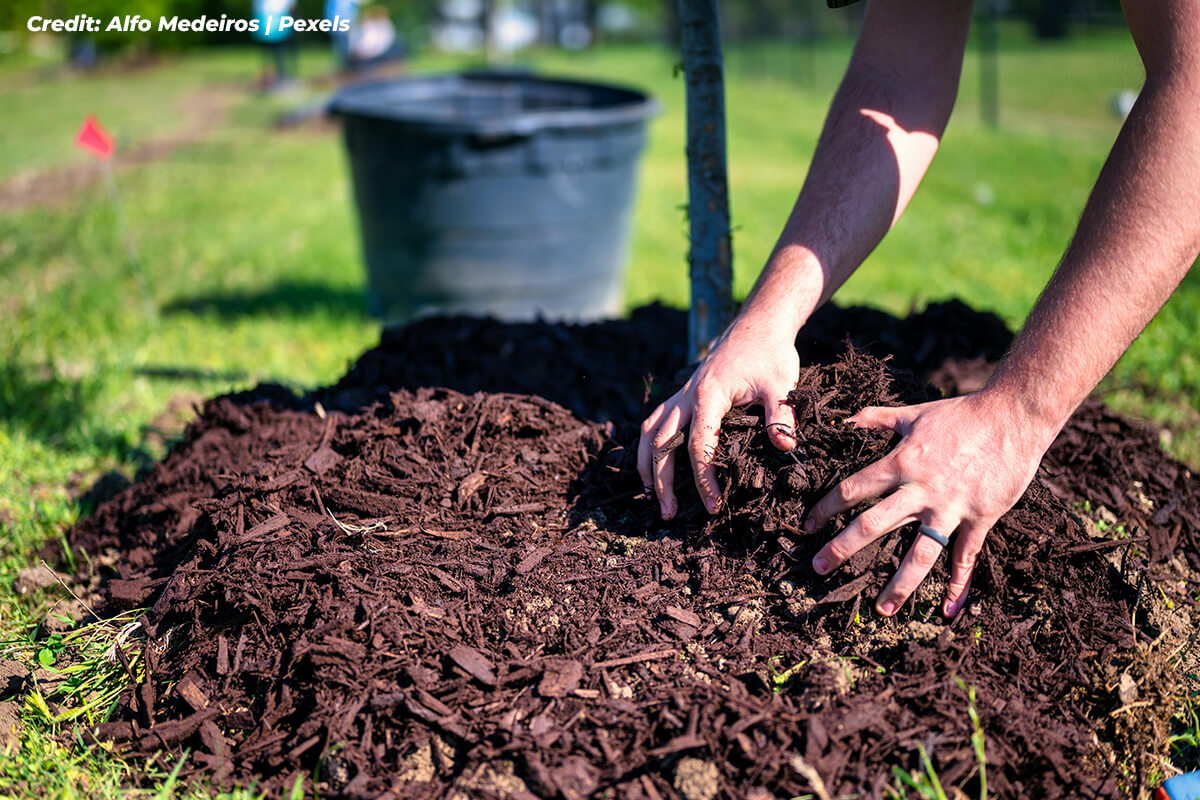
4. Apply a Protective Layer of Mulch
Mulching is one of the simplest yet most beneficial practices for residential trees. Applying a layer of organic mulch, such as wood chips, shredded bark, or compost, around the base of the tree in spring offers numerous advantages throughout the summer. Mulch’s primary function is helping the soil retain moisture, reducing the need for frequent watering during hot, dry periods. It also assists in regulating soil temperature, keeping roots cooler in the summer and warmer in the winter. Additionally, mulch suppresses weed growth, eliminating competition for water and nutrients. When applying mulch, aim for a layer about 5 to 10 centimetres deep. Crucially, keep the mulch several centimetres away from the trunk of the tree, creating a small gap. Piling mulch directly against the trunk can trap moisture, leading to bark decay and creating an inviting environment for pests and diseases.
5. Consider Fertilization (If Necessary)
Not all trees require annual fertilization, and applying the wrong type or amount of fertilizer can be detrimental. However, if your tree showed signs of nutrient deficiency the previous year (such as yellowing leaves, poor growth, or smaller-than-normal foliage) or if your soil is known to be poor, spring can be a suitable time to fertilize. Before applying any fertilizer, it’s advisable to understand your soil’s composition and nutrient levels. Use a slow-release fertilizer specifically formulated for trees. These fertilizers release nutrients gradually over time, providing a steady supply as the tree begins its period of active growth. Apply the fertilizer according to the manufacturer’s instructions, typically distributing it evenly within the drip line but avoiding the area immediately around the trunk. The goal is to supplement, not force excessive growth, which can sometimes lead to weaker wood.
6. Be Vigilant for Pests and Diseases
As temperatures rise in the spring, so does the activity of various tree pests and diseases. Early spring is a critical time to be on the lookout for the first signs of trouble. Familiarize yourself with common pests and diseases that affect the types of trees on your property in your region of Canada. Look for unusual spots on leaves, discoloured foliage, distorted growth, webbing, or the presence of actual insects. Inspect the bark for entry holes or sawdust. Catching infestations or infections early makes them much easier to manage and reduces the potential harm to the tree. If you suspect a problem, accurately identify the issue before taking action. Many common issues can be managed with targeted, environmentally conscious approaches if addressed promptly.
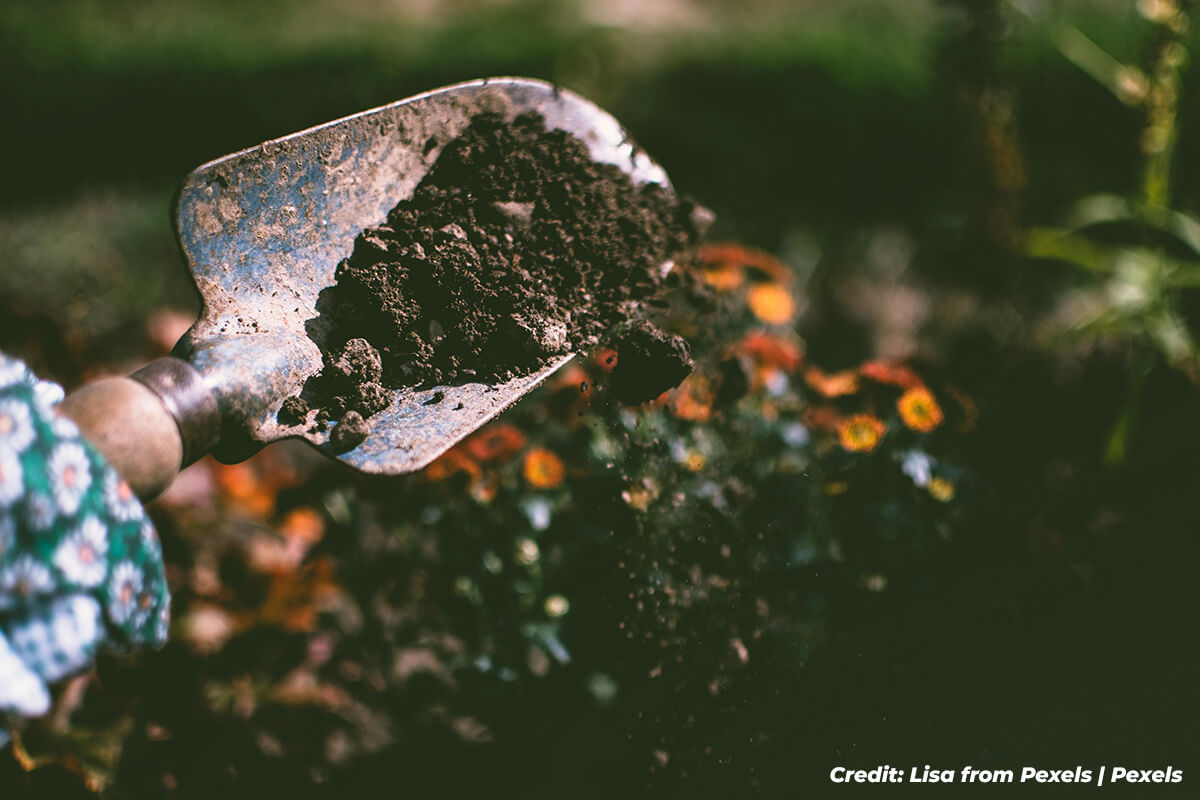
7. Improve Soil Health Around the Drip Line
Healthy roots are essential for a healthy tree; not only are they responsible for absorbing much of the water a tree needs to live, they also anchor the tree to the ground and keep it stable. With that in mind, spring is an excellent time to consider the condition of the soil around your tree’s root zone, particularly within the drip line. Compacted soil can restrict root growth and limit the availability of water and oxygen. If the soil appears heavily compacted, consider carefully aerating the area around the drip line. This can involve using a garden fork to gently loosen the soil, taking care not to damage shallow roots. Improving soil structure in this manner enhances drainage and aeration, creating a more favourable environment for root development and nutrient uptake.
8. Protect from Late Spring Frosts
While spring signals warmer weather, many parts of Canada can experience unpredictable late frosts. Young trees, especially newly planted ones or those with tender new growth, can be particularly vulnerable to frost damage. Keep an eye on weather forecasts. If a late frost is predicted, cover vulnerable trees, particularly smaller ones, with a blanket, sheet, or burlap to provide a layer of insulation. Remove the covering once the temperature rises above freezing the following day.
—
By following these essential spring care tips, you are actively contributing to the long-term health, vigour, and beauty of your trees at home. These proactive measures are ultimately meant to prepare your trees to thrive through the summer months, all of which also enhances your property’s appeal and contributes to a healthier local environment. A little effort in the spring can yield significant rewards in the form of vibrant, resilient trees all summer long.
When you’re looking for the right provider to supply you with quality privacy and shade trees, look no further than Caledon Treeland. We provide a wide range of trees for our clients to suit the soil and climate of your area, ensuring your trees stay healthy and thrive once you plant them. Give us a call now at (905) 880-1828 to make an appointment to see our tree farm and pick the right one out for yourself.