
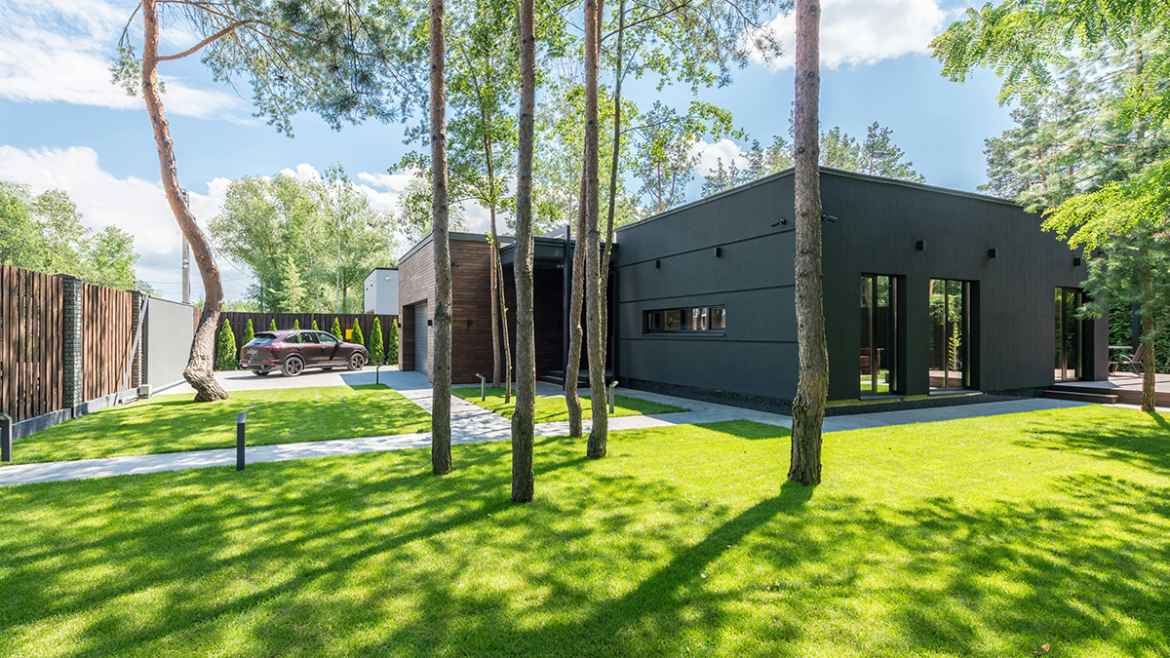
“A man’s home is his castle,” as the saying goes and there is some truth to it. There’s nothing like coming home after a long day at work or school, and enjoying some peace and quiet in the sanctuary of home, letting the outside world and its worries melt away. And while renovations like a modern kitchen or a finished basement are standard routes to increasing a home’s value and its restful effect on the homeowner, landscaping often provides a more immediate, visceral emotional return. Specifically, strategic tree planting acts as a powerful tool that simultaneously enhances privacy and elevates property value. It transforms a standard lot into a private retreat, offering a sense of permanence and tranquility that manufactured structures simply cannot replicate.
Creating this living infrastructure requires more than just digging a hole and dropping in a sapling. It involves thoughtful planning and an understanding of how nature interacts with the built environment, as well as an understanding of which trees are best suited for the property and area. Knowing which trees suit your property, particularly which species suit smaller properties where space is at a premium, goes a long way toward knowing how to make the most of your trees. Here is a more detailed look at how strategic tree planting can boost your home’s appeal and secure your investment.
1. Creating a Living Wall for Seclusion
In many suburban neighbourhoods, houses are built in close proximity, which can often leave homeowners feeling exposed in their own backyards. While fences are a common solution, they are frequently limited by municipal bylaws to a height of about two metres. This height is often insufficient to block sightlines from a neighbour’s second-story window or a raised deck.
Trees offer a solution to that particular conundrum, allowing you to turn your home into a peaceful retreat. A strategic row of columnar evergreens or a mixed border of deciduous and coniferous trees can grow well beyond fence restrictions, creating a living wall. This vertical greenery softens the hard lines of property boundaries and provides year-round screening. Unlike a static wooden fence which can feel confining, a tree line adds depth and movement, making the yard feel expansive rather than enclosed. This perception of a private, secluded oasis can also work as a major selling point for potential buyers who value their solitude.
2. Enhancing Curb Appeal and First Impressions
The view from the street sets the tone for the entire property. A stark, unadorned front lawn can make a house look unfinished or temporary. Mature trees, or well-placed younger trees with good structure, anchor the home to the landscape. They frame the architecture, softening sharp corners and guiding the eye toward the front entrance.
Strategically planted trees add texture, colour, and vertical interest that breaks up the monotony of siding and brick. A beautiful canopy tree in the front yard suggests a well-established and cared-for property. This implied maturity signals to onlookers that the home is a stable, permanent fixture in the neighbourhood, subtly increasing its perceived value and desirability.
3. Passive Climate Control and Energy Efficiency
Beyond aesthetics, trees serve a functional role that savvy homeowners and buyers increasingly appreciate: energy efficiency. Strategic planting utilizes the sun and wind to modulate your home’s internal temperature, allowing shade trees to help keep your energy bills low.
To maximize this, homeowners should plant large deciduous trees on the south and west sides of the property. In the summer, the full canopy blocks the intense afternoon sun, shading the roof and windows and keeping the interior cool. In the winter, these trees drop their leaves, allowing the lower winter sun to filter through and warm the home. Conversely, planting a row of dense evergreens on the north and northwest sides creates a windbreak. This shield deflects cold winter winds, reducing heat loss and protecting the building envelope.
4. Noise Cancellation for a Calmer Environment
If your property is located near a busy street or a bustling park, noise pollution can detract significantly from your quality of life. Hard surfaces like pavement and brick reflect sound, amplifying the sounds of the street. Trees, particularly those with dense foliage and rough bark, can act as sound buffers and mitigate some of the noise that might otherwise reach your house.
While a single tree will not silence a highway, a strategically planted buffer zone of wide shrubs and trees can absorb and deflect sound waves. This reduction in ambient noise works on multiple levels, making outdoor living spaces more usable and the interior of the home quieter. This acoustic comfort is a subtle but powerful factor in how a home “feels” to a prospective buyer.
5. Defining Outdoor Living Spaces
Many modern homeowners view their backyard as an extension of their indoor living space. Strategic tree planting helps define these outdoor “rooms.” A small grove of ornamental trees can shelter a dining patio, creating an intimate canopy for entertaining. A weeping willow or a spreading oak can designate a quiet reading corner or a play area for children.
By using trees to create structure and flow within the garden, you demonstrate the property’s potential for diverse activities. It prevents the yard from looking like a flat, undefined patch of grass and turns it into a multi-functional landscape.
6. Selecting the Right Species for Long-Term Value
The success of this strategy hinges on selecting the right tree for the right location. Planting a tree that will grow tall enough to reach a power line or within range of the house’s foundation is a liability, not an asset.
Homeowners must consider the mature size of the tree (including both the canopy spread and the root system). Tree species native to Ontario are often the best choice for local homeowners as they are adapted to the local climate and soil conditions, requiring less water and maintenance once established. Choosing trees that offer multi-season interest, such as spring blossoms, vibrant autumn foliage, and interesting winter bark, ensures the property looks appealing year-round.
Strategic tree planting is a patience game, but it is one of the few home improvements that appreciates over time. While a kitchen renovation may look dated in ten years, a well-placed tree will only become more majestic, offering increased shade, privacy, and beauty. By viewing your landscape as a vital component of your property’s architecture, you can cultivate a home that is not only more valuable on the market but also a joy to live in every day.
Ready to transform your property into a private sanctuary? Visit Caledon Treeland and take a look at our extensive selection of large, healthy trees ideal for keeping your home private and quiet. Call us now at (905) 880-1828 to schedule your appointment to visit our tree farm.