
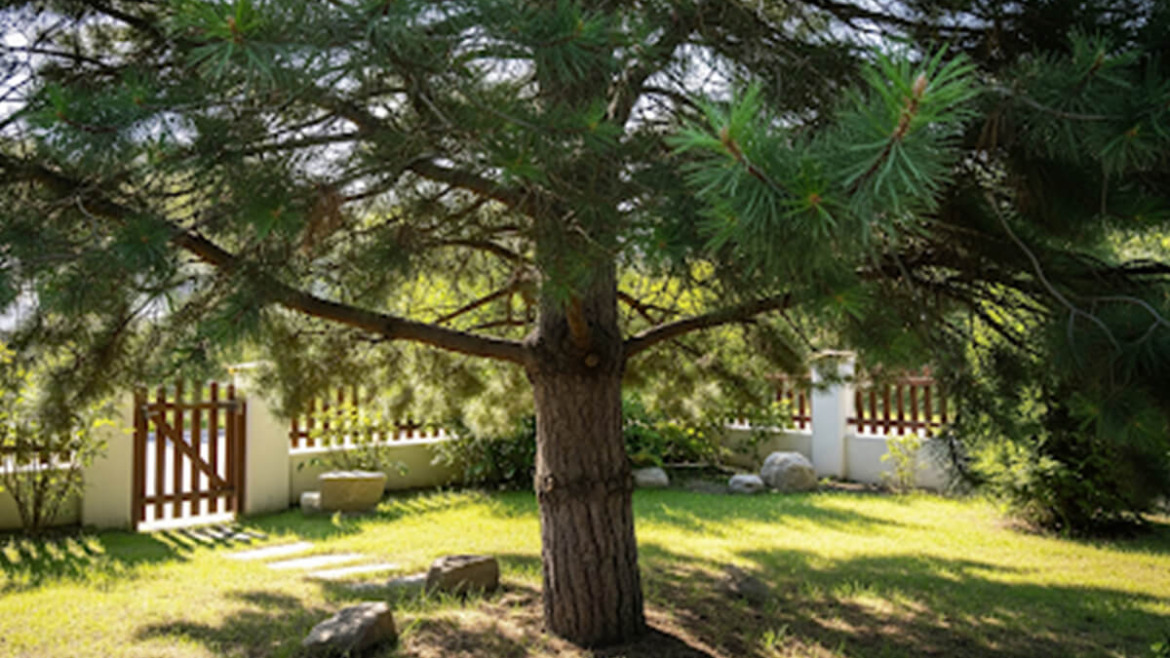
Forget the notion that a small garden can’t accommodate the enduring majesty of evergreen trees. With a touch of creativity and the right selections, even the most compact outdoor areas can be transformed into year-round green sanctuaries.
These stalwart trees offer a sense of permanence and structure that few other plants can match, providing a constant backdrop of colour and life, even in the depths of a Canadian winter. From elegant spires to charming globes, the world of dwarf and slow-growing evergreen trees is vast and varied, offering a solution for every small-scale landscaping challenge.
Rethinking the Role of Evergreen Trees in Compact Landscapes
In a small garden, every plant must justify its presence. Evergreen trees, with their four-season interest and incredible versatility, are more than up to the task. They can serve as living sculptures, privacy screens, and even container specimens, all while contributing to a healthier environment.
- Vertical Accents and Focal Points: In a limited footprint, the only way to go is up. Slender, columnar evergreens like the Sky-blue Juniper or the Green Arrow Cypress draw the eye upward, creating an illusion of spaciousness.
Planted singly, a dwarf evergreen with a unique form, such as a weeping Norway spruce, can act as a stunning focal point, providing a point of interest that anchors the entire garden design. These vertical elements break the monotony of a flat space and add a touch of drama and sophistication.
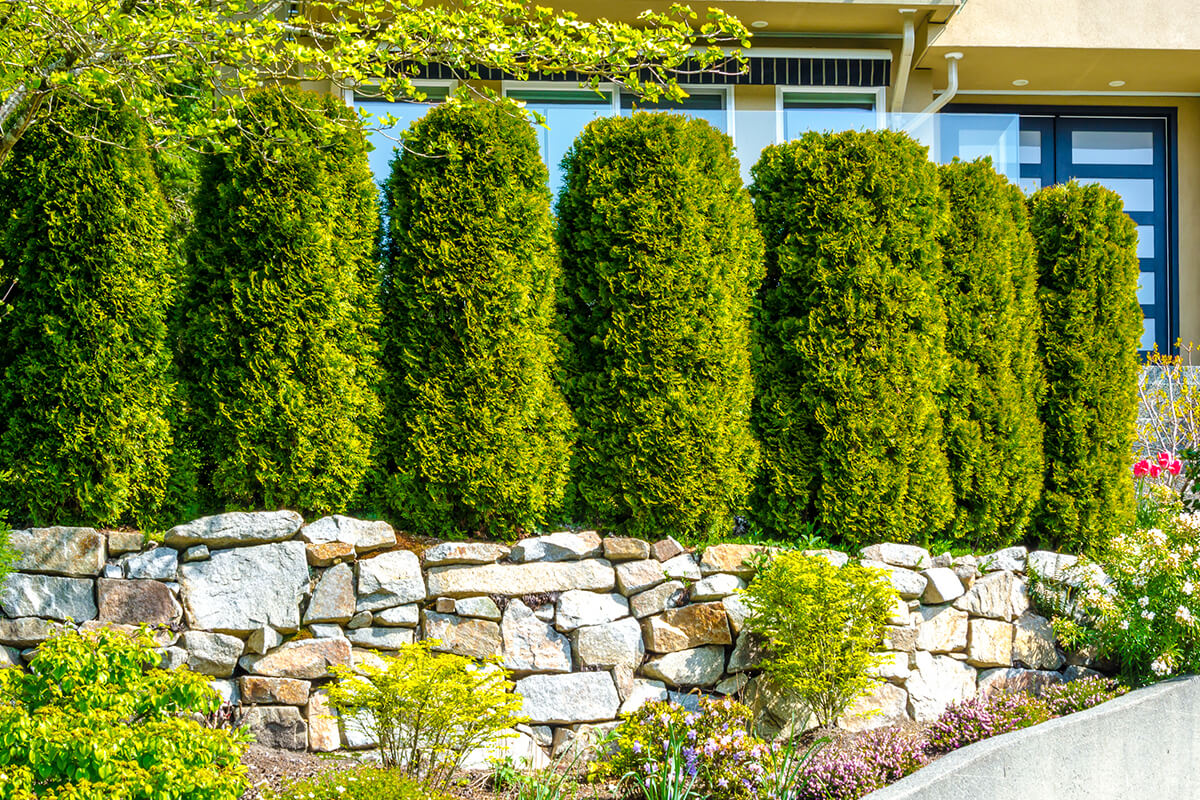
- Living Fences and Privacy Screens: One of the most common desires in urban and suburban gardens is a sense of seclusion. Instead of a stark wooden fence, consider a living wall of evergreen trees.
A row of Emerald Green Arborvitae or Pyramidal Yews can create a dense, beautiful screen that provides privacy from neighbours and muffles the sounds of the surrounding area. In a small garden, this green enclosure can make the space feel like a secluded outdoor room, a peaceful retreat from the outside world.
- Container Gardening with Evergreens: Who says evergreen trees need to be planted in the ground? Many dwarf varieties thrive in containers, making them perfect for patios, balconies, and even front porches.
A pair of perfectly pruned globe cedars flanking an entryway adds a formal touch, while a whimsical Mugo Pine in a decorative pot can bring a touch of the forest to an urban setting.
Container-grown evergreens offer flexibility; they can be rearranged to suit the season or your changing tastes. Just be sure to choose a pot that is large enough to accommodate the tree’s root ball and provide adequate drainage.
- Textural Contrast and Winter Interest: A garden composed solely of deciduous plants can look bleak and uninspired in the winter. Evergreen trees provide the much-needed structure and colour that bring a winter landscape to life.
The feathery foliage of a False Cypress, the sharp needles of a Blue Spruce, or the soft texture of a white pine can create a rich garden of textures that is just as interesting as a summer flower bed. When dusted with snow, these evergreen forms become truly magical.
The Environmental Powerhouse in Your Backyard
Beyond their aesthetic appeal, evergreen trees are tireless workers for a healthier planet. They are constantly filtering pollutants from the air, and their dense foliage is excellent at capturing particulate matter.
According to a study, evergreen species maintain higher carbon use efficiency than deciduous species in phosphorus-limited subtropical forests, maintaining dominance and reducing carbon emissions (Chen et al, 2022). This suggests that in certain conditions, evergreens are particularly adept at sequestering carbon, a crucial process in mitigating climate change.
Their robust root systems also help to prevent soil erosion, an important consideration in areas with heavy rainfall.
Choosing the Right Tree Farm: A Foundation for Success
The long-term health and beauty of your evergreen trees begin with a healthy, well-cared-for specimen. Selecting the right tree farm is a critical first step. A reputable grower offers more than just trees; they provide expertise, quality assurance, and the foundation for a thriving garden.
- Visit in Person: Whenever possible, walk the grounds of the tree farm. This allows you to see the overall health and quality of their entire stock, not just a single picture online. A clean, well-organized farm is often a sign of professional and caring growers.
- Conduct a Health Check: Inspect your potential tree from top to bottom. Look for vibrant, rich-coloured needles, a strong, straight central leader (trunk), and sturdy branches. The tree should look full and vigorous.
- Know the Red Flags: Actively look for signs of distress. Avoid trees with brown or bare patches, broken branches, or any visible evidence of pests (like fine webbing or small holes) or disease (like powdery mildew or dark spots).
- Examine the Root System: Ask if you can see the root ball. For container-grown trees, check if it’s “root-bound,” with a dense mat of roots circling the bottom of the pot. For balled-and-burlapped trees, the root ball should be firm, solid, and appropriately sized for the tree.
- Seek Out Expertise: The staff should be your greatest resource. A good sign is when they ask you questions: How much sun does the spot get? What is your soil like? What are the height and width constraints? Knowledgeable staff who are keen to help you succeed are invaluable.
- Prioritize Local Growers: A farm that grows its own trees locally offers specimens already acclimated to your region’s specific climate and soil challenges. This can significantly improve the tree’s chances of survival and long-term health. Whether you are searching for trees for sale in Burlington or elsewhere, a local supplier is a wise choice.
- Inquire About Growing Practices: Don’t hesitate to ask how they raise their trees. Are they committed to sustainable and responsible horticulture? Do they use integrated pest management? Farms that care about their environmental impact often produce healthier, more resilient trees.
- Check for a Guarantee: Reputable farms often stand behind their trees with a warranty or guarantee. This provides you with peace of mind and shows that the farm is confident in the quality of its stock. Be sure to understand the terms of the guarantee.
- Review Delivery and Planting Services: Transporting and planting a tree, even a smaller one, can be challenging. Ask about their delivery options and professional planting services. A professional transplant ensures the tree is planted at the correct depth and given the best possible start, often extending the warranty.
- Assess the Selection: A quality farm will offer a diverse selection of species and sizes. This variety indicates a deep knowledge of horticulture and provides you with more options to find the perfect tree for your specific needs.
- Read Reviews and Testimonials: Before you visit, do a quick online search for reviews. See what other customers have to say about their experiences with the farm’s products and customer service.
- Ask About After-Care Support: A great tree farm’s service doesn’t end when you pay. Ask if they provide care sheets or are available to answer questions after your tree is planted. This ongoing support can be crucial for first-time tree owners.
A Selection of Small-Space Evergreens for Canadian Gardens
The options for small-space evergreen trees are more extensive than you might imagine. Here are a few popular choices that are well-suited to Canadian climates:
- Dwarf Alberta Spruce (Picea glauca ‘Conica’): This classic conical evergreen is a slow grower, making it an excellent choice for foundation plantings and containers. Its dense, bright green needles create a formal, tidy appearance.
- Mugo Pine (Pinus mugo): A versatile and hardy pine, the Mugo comes in various sizes, from low-growing ground covers to mounding shrubs. They are tolerant of a wide range of conditions and add a rugged, naturalistic feel to the garden.
- Globe Blue Spruce (Picea pungens ‘Globosa’): With its striking blue needles and naturally rounded shape, this dwarf spruce is a real showstopper. It maintains its compact form with little to no pruning, making it a low-maintenance option for a splash of year-round colour.
- Holmstrup Arborvitae (Thuja occidentalis ‘Holmstrup’): This narrow, upright arborvitae is an excellent choice for creating a privacy screen in a tight space. Its rich green foliage holds its colour well throughout the winter.
- Weeping White Pine (Pinus strobus ‘Pendula’): For a touch of whimsy and elegance, the weeping white pine is an exceptional choice. Its long, soft needles and gracefully drooping branches create a unique and artistic silhouette.
Plant a Legacy of Green
The addition of an evergreen tree to your small garden is an investment in beauty, privacy, and the environment. These resilient and adaptable trees offer a world of creative possibilities, proving that you don’t need a sprawling estate to enjoy their enduring charm. With careful selection and a little imagination, you can create a garden that is a source of joy and tranquillity throughout the year.
Ready to Transform Your Garden?
Bring the timeless beauty of evergreens to your outdoor space. For a superb selection of healthy, mature trees and expert advice, contact Caledon Treeland at (905) 880-1828. Our knowledgeable team can help you find the perfect evergreen trees for sale in Burlington and surrounding areas to create the garden of your dreams.