
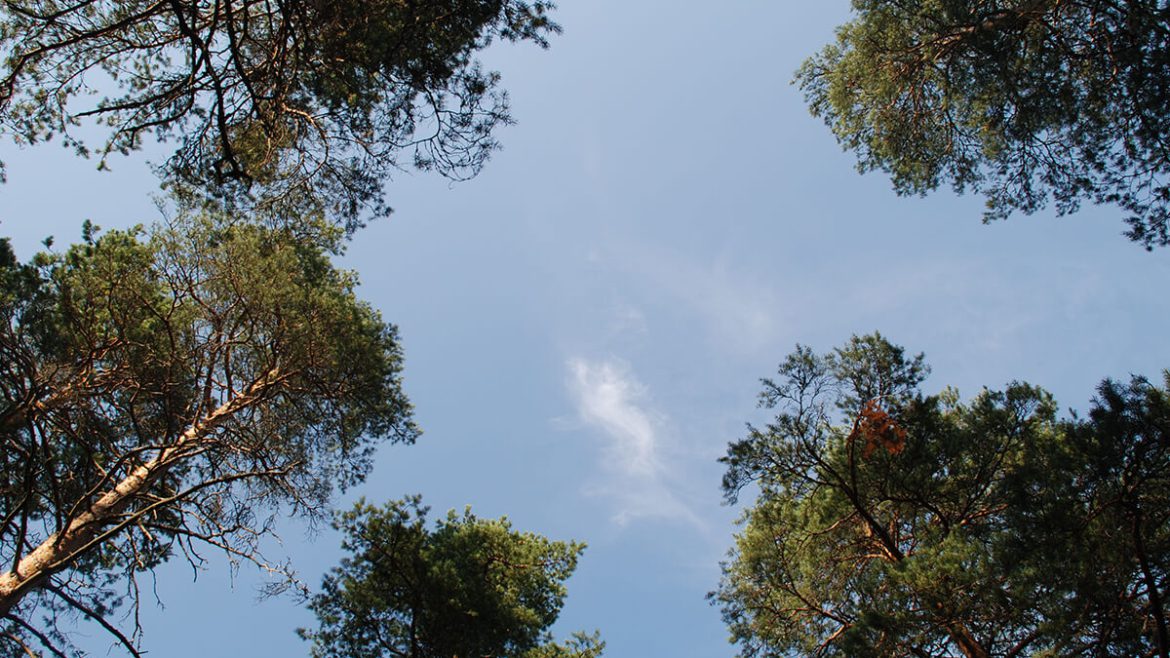
Quick Answer: Before planting pine trees as a fall privacy screen in Ontario, ensure your property offers full sunlight, well-draining soil, and sufficient physical space. Spacing trees 2 to 3 metres apart in a staggered double row gives you rapid height, soft needle texture, and effective wind protection while preventing long-term root and branch crowding.
Installing a living pine screen in autumn gives your landscape an instant structural upgrade. The cooler autumn air coupled with lingering soil heat creates perfect conditions for root expansion, helping young pines anchor securely before the winter freeze sets in. Knowing how to plan spacing, soil conditions, and row layouts beforehand guarantees your new evergreen boundary thrives for decades.
What Are the Core Characteristics of Pines as Privacy Barriers?
Pine trees bring distinct aesthetic and structural qualities to living borders. Unlike dense, rigid evergreens, pines feature flexible, grouped needles that sway gently in the breeze, producing a softer texture and a soothing natural sound barrier.
Since pines belong to the evergreen family, they retain their full canopy of needles throughout every season rather than shedding foliage when winter arrives. This constant coverage gives your property continuous shelter from biting winds, blowing snow, and unwanted sightlines all 365 days of the year.
However, mature growth habits must be considered during initial planning:
- Vertical Growth: Eastern White Pines expand rapidly, often adding 30 to 60 centimetres of height each season under proper care.
- Canopy Shape: As pines age, they naturally drop their lowest interior branches, forming an elevated, majestic upper crown.
- Screening Style: Pines provide a soft, light-filtering privacy barrier rather than a solid-wall hedge.
How Far Apart Should You Space Pine Trees for Optimal Screening?

Incorrect spacing is the single most frequent mistake made during screen installations. Planting pines too closely causes lower branches to rub, drop needles from lack of sunlight, and compete aggressively for ground moisture.
To build a healthy, long-lasting barrier:
- Single Row Layout: Space individual white pines 2 to 3 metres apart from trunk to trunk. This distance gives branches room to spread naturally without creating sparse gaps.
- Double Staggered Row: For maximum privacy, plant two parallel lines spaced 2 to 3 metres apart. Offset the trees in the back row so they sit directly behind the gaps of the front row. This zigzag formation blocks direct lines of sight while giving each tree ample space.
- Property Line Setbacks: Position your planting line at least 2 to 3 metres inside your actual property boundary to prevent expanding branch tips from encroaching on neighbouring lawns or sidewalks over time.
When evaluating mature sizes for your property line, browsing healthy specimen stock for trees for sale in Barrie offers a clear visual idea of how broad various root systems and branch spreads become over time.
What Soil and Light Conditions Do Pine Trees Need to Flourish?
Pines are tough, native growers, but they hold strict preferences regarding soil aeration and sunlight exposure.
Sunlight Requirements
Pines demand full sun exposure – requiring a minimum of 6 hours of direct, unshaded sunlight every day. Placing them in heavy shade beneath mature hardwood trees causes thin, leggy growth and sparse needle density.
Soil Drainage
Pines thrive best in loose, sandy loam or acidic, gritty soils that drain water quickly. Their root systems dislike standing water or heavy, compacted clay. If your ground consists of dense clay, raised mound planting or soil amendment with organic matter helps water drain away from the root collar, protecting against root rot.
What Installation Steps Guarantee Fall Planting Success?
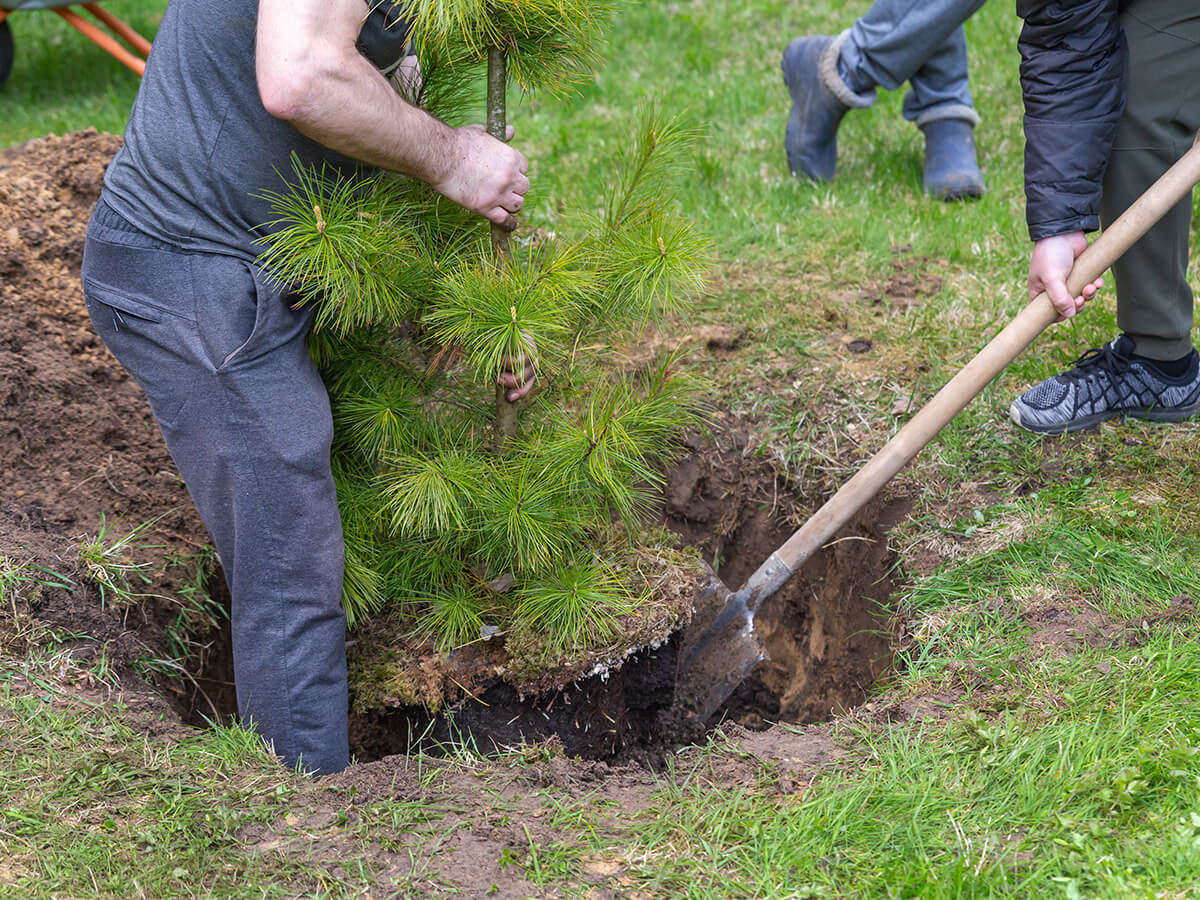
Planting between late September and early November sets your trees up for a stress-free transition. Following precise planting methods ensures immediate root growth before deep winter frost arrives.
- Dig Wide, Not Deep: Excavate a planting hole 2 to 3 times wider than the root ball, but keep the depth matching the root flare level.
- Keep Native Soil: Fill the hole back in using the original native soil. Avoid dumping heavy chemical fertilizers into the hole, as late-season nitrogen prompts weak top growth that gets damaged by frost.
- Eliminate Air Pockets: Water the hole thoroughly halfway through backfilling to settle loose earth around the roots without heavy packing.
How Do You Select the Healthiest Pine Specimens for Fall Transplanting?
Selecting vibrant, hardy specimens from the start prevents future headaches and ensures your new living screen establishes quickly.
- Inspect Root Ball Integrity: Look for firm, well-contained root balls that hold their shape. A root ball that falls apart during handling exposes delicate feeder roots to harsh air, causing severe transplant stress.
- Examine Needle Health and Colour: Healthy pines display rich, uniform colour across all needles. Avoid specimens showing widespread yellowing, browning tip burns, or signs of needle drop along the outer branch tips.
- Check Central Leader Strength: A strong, straight central trunk (the leader) ensures your pine grows upright with balanced branching. Trees with split or damaged leaders often develop asymmetrical growth patterns over time.
How Should You Prepare Your New Pine Screen for Its First Winter?
Once your pines are resting comfortably in the ground, simple protective care helps them navigate their inaugural Ontario winter smoothly.
Hydrate Deeply Before Freeze-up
Continue soaking the root zone deeply once a week right up until the ground freezes solid. Since evergreens hold their needles all winter long, adequate moisture reserves inside the wood prevent winter burn caused by drying winds.
Apply a Protective Mulch Ring
Spread a 7-to-10-centimetre blanket of natural wood mulch across the root zone. Mulch insulates the ground, keeping soil temperatures warm later into the season so root expansion continues into late fall. Keep the mulch 5 centimetres back from the main trunk to prevent bark rot and rodent damage.
Protect Against Browsing Wildlife
Hungry deer and field mice often target young pine bark and soft tips during deep snow cover. Wrapping lower trunks in breathable tree guards or setting up temporary fencing keeps wildlife from damaging young bark over the winter months.
Transform Your Property Line with Us!
Creating a towering, natural evergreen buffer adds lasting elegance, property value, and peace of mind to your outdoor space. Choosing high-quality, farm-raised specimens ensures your new living fence stands up to tough local climate conditions year after year.
If you are reviewing options for trees for sale in Collingwood or nearby regions, reach out to Caledon Treeland today at (905) 880-1828 to choose your mature pines directly from the farm and schedule your autumn installation!