
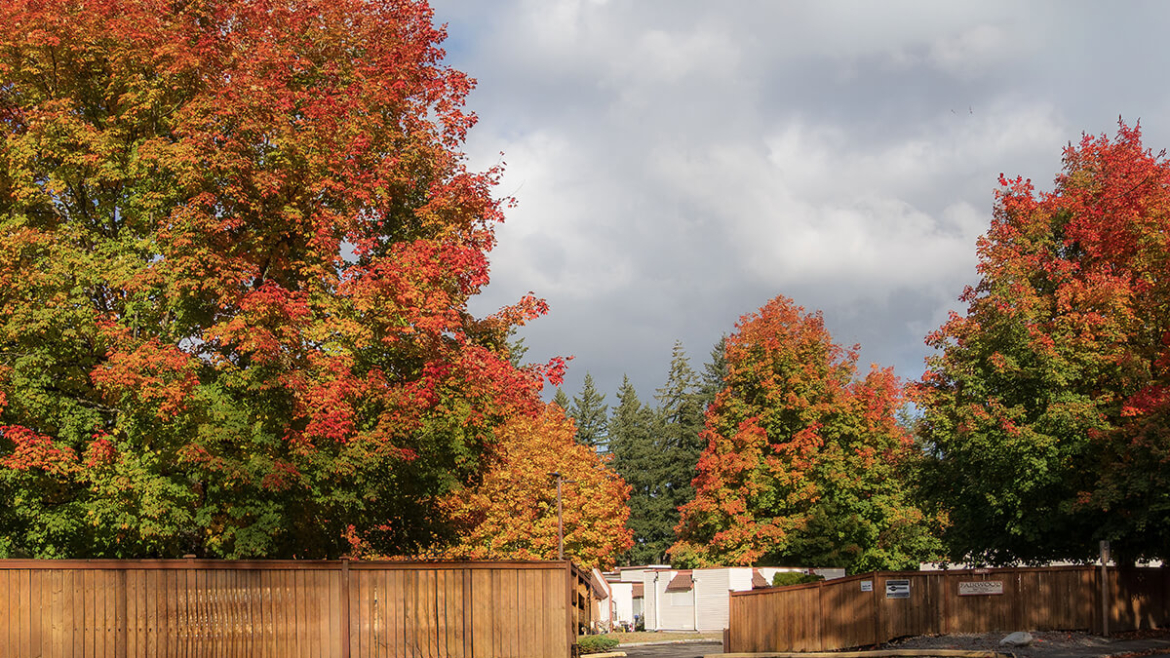
Quick Answer: Before planting a maple tree in fall, consider the species, planting location, soil drainage, available space, root spread, sunlight, winter conditions, and long-term maintenance. Fall can be an excellent planting season in Ontario because cooler temperatures can reduce transplant stress while roots continue establishing before winter.
A maple can bring striking autumn colour, cooling shade, and lasting character to an Ontario property, but the best results begin before planting day. The right tree needs the right conditions to establish strong roots and handle the province’s changing seasons.
Why Can Fall Be a Good Time to Plant a Maple Tree?
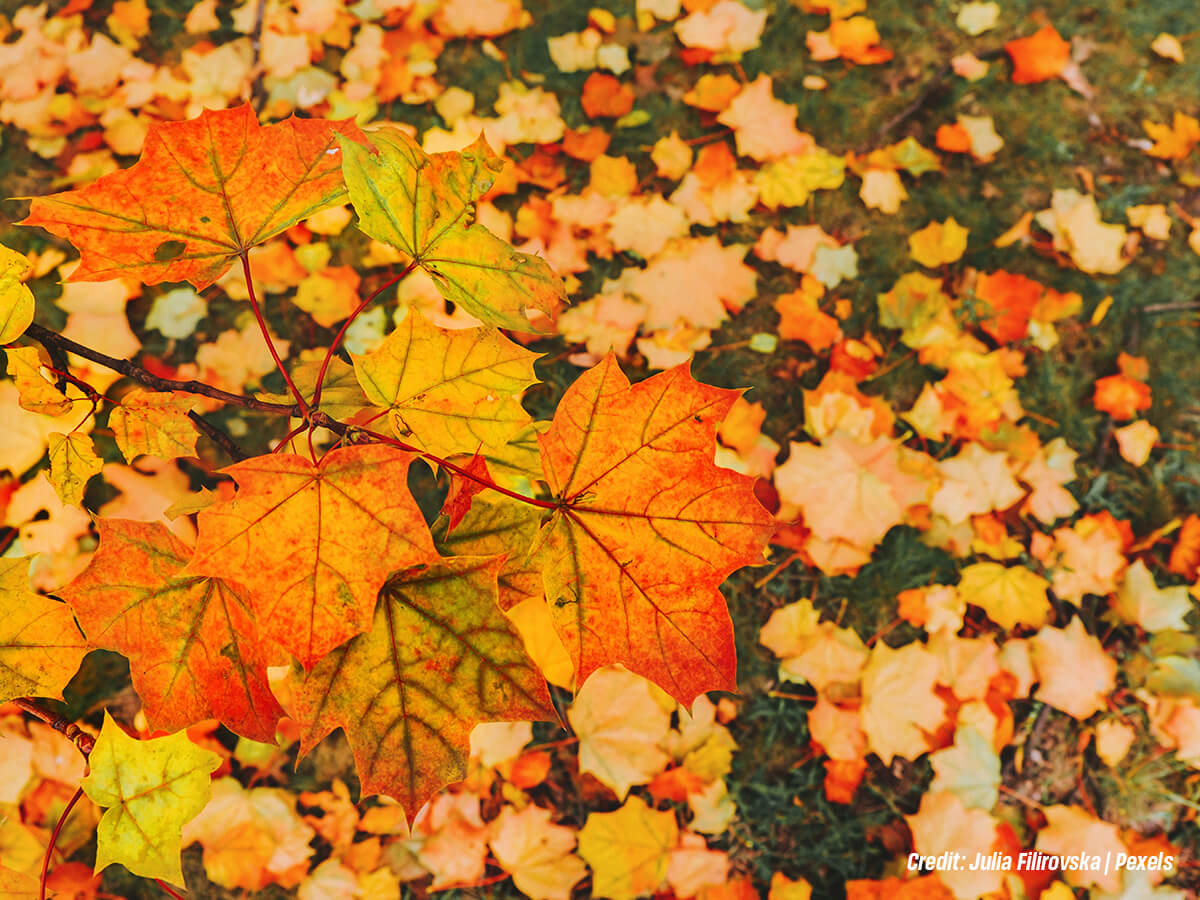
Autumn offers conditions that can help a newly planted maple settle in. Cooler temperatures place less pressure on the tree than hot summer weather, while the soil can remain warm enough for root growth after the leaves begin to change colour.
Timing still matters. Planting too late, when the ground is difficult to work or a hard freeze is imminent, can leave roots with little opportunity to establish. In many parts of Ontario, early to mid-fall can provide a practical window, although local weather should guide the exact timing.
Which Maple Species Is Suitable for an Ontario Property?
Not every maple has the same mature size, growth habit, fall colour, or tolerance for site conditions.
- Sugar maple is valued for brilliant autumn colour and longevity, but it can become very large and generally prefers moist, well-drained soil.
- Red maple can be a strong choice where fall colour is a priority.
- Freeman maple hybrids may offer a balance of attractive foliage and adaptability.
- Japanese maple can add ornamental appeal, but its size and winter tolerance vary by cultivar and location.
The key is to select a species that matches the property rather than choosing a tree based only on its appearance at the garden centre. A small sapling can eventually become a substantial landscape feature. Mature size should always be checked before purchase, especially on compact urban lots where planting space is limited.
How Much Space Does a Maple Tree Really Need?
A maple should have enough room to reach its mature height and canopy width without interfering with buildings, driveways, utility lines, fences, or neighbouring properties.
Roots also need consideration. Large trees can develop extensive root systems, particularly where suitable moisture and oxygen are available. Planting too close to foundations, underground infrastructure, or paved surfaces can create future conflicts.
What Soil Conditions Should Be Checked Before Planting?
Maples generally perform best in soil that provides adequate moisture without remaining saturated. Poor drainage can limit oxygen around roots and contribute to declining tree health.
Check whether water tends to collect in the proposed location after rainfall. Compacted soil can also restrict root development, especially on newer properties where construction equipment has disturbed the ground. Good drainage matters during both establishment and the tree’s later years.
How Much Sunlight Does a Maple Need?
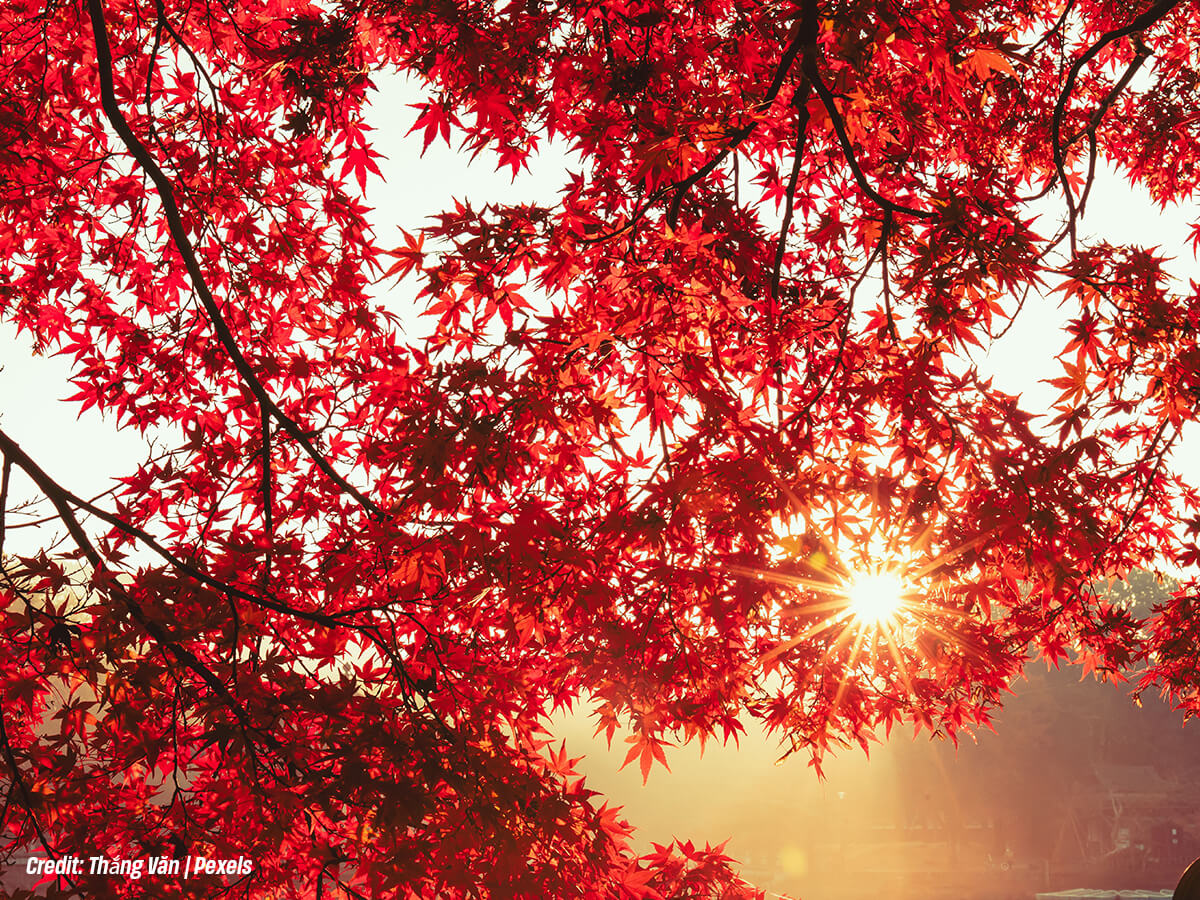
Light requirements depend on the species and cultivar. Many maples grow well with several hours of sunlight, while some ornamental varieties can benefit from protection from intense afternoon heat.
Consider seasonal light as well. Deciduous trees lose their leaves in autumn, so sunlight reaching the surrounding lawn and home will change throughout the year. This can affect gardens, outdoor living areas, and indoor temperatures.
What Should Be Considered About Ontario Winters?
A young maple needs protection from harsh winter conditions while its root system becomes established. Species selection is important because winter hardiness can differ among maples and cultivars.
A layer of organic mulch around the root zone can help moderate soil temperature and retain moisture. The mulch should be spread broadly rather than piled against the trunk, since constant moisture around the bark can encourage problems.
Winter also brings risks from salt. If the proposed planting area is beside a road, sidewalk, or driveway where de-icing salt is frequently applied, salt exposure should be considered before selecting a species and location.
Could Maple Support Privacy or Shade Goals?
Maples can provide valuable shade as they mature, and some varieties can contribute to screening when planted in suitable groupings. However, they should not be treated as an absolute privacy solution.
A maple loses its leaves in autumn, meaning deciduous foliage will not provide the same year-round visual barrier as an evergreen. For homeowners seeking seasonal shade, fall colour, and a substantial canopy, a maple can be an attractive choice.
Local availability may also influence species selection. Searches for trees for sale in Barrie, for example, may reveal different maple varieties and sizes depending on the season and nursery inventory.
What Does Maple Conservation Have to Do With Planting Decisions?
Choosing and planting trees responsibly has value beyond a single property. A global report indicates that habitat loss linked to urban expansion and growing agricultural activity affects more than one-third of maple species.
That concern reinforces the importance of thoughtful tree planting and preservation. Selecting an appropriate species, giving it enough space to mature, and caring for it properly can help a planted tree remain healthy for decades.
Protecting established trees and adding suitable new ones can strengthen urban landscapes over time.
When Should Professional Advice Be Considered?
Professional guidance can be valuable when the planting location is close to buildings, utility lines, drainage systems, roads, or established trees. It can also help when the property has compacted, poorly drained, or shallow soil.
Tree professionals can assess the site, recommend suitable species and planting locations, and identify potential conflicts before a young maple goes into the ground.
How Can the Right Maple Become a Long-Term Landscape Asset?
A well-chosen maple can transform an Ontario property as it grows. Its autumn foliage can become a defining seasonal feature, while its mature canopy can create shade and give outdoor spaces greater comfort.
The strongest results come from treating planting as a long-term decision. Species, mature dimensions, soil, sunlight, drainage, winter exposure, and surrounding infrastructure all matter before the root ball reaches the ground.
How Can the Right Tree Service Help With Fall Planting?
Planning to add a maple to an Ontario property this fall? Caledon Treeland can help with tree selection and planting considerations.
Call us at 905-880-1828 today to discuss the right tree for the available space, soil conditions, and long-term landscape goals. For homeowners looking for additional planting options, trees for sale in Collingwood can provide another way to find a maple suited to the property.