
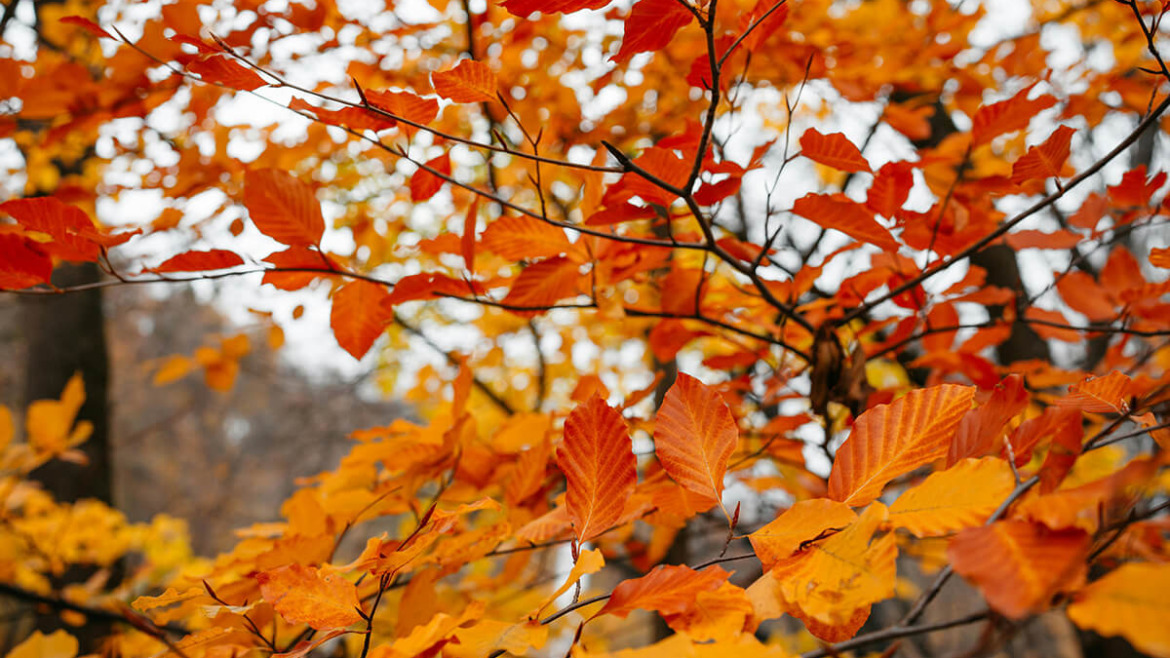
Summer means heat, and for many homeowners, that means a fair bit of time watering the landscape and making sure the trees and plants get their fair share of water. So fall often signifies a break from all the yard work until spring comes in. However, the job of caring for your trees isn’t over just yet; now you’re shifting from keeping your trees hydrated to getting them nice and ready for the cold.
Fall care is crucial for the welfare of your trees and ensuring that they bloom well once spring returns. How you prepare your trees now can make a world of difference between a thriving landscape and a struggling one. By avoiding a few common missteps, you can ensure your leafy neighbours are well-protected and ready for the cold months ahead. Here are just a few common autumn mistakes that can hurt your trees in winter.
***
1. Improper Watering
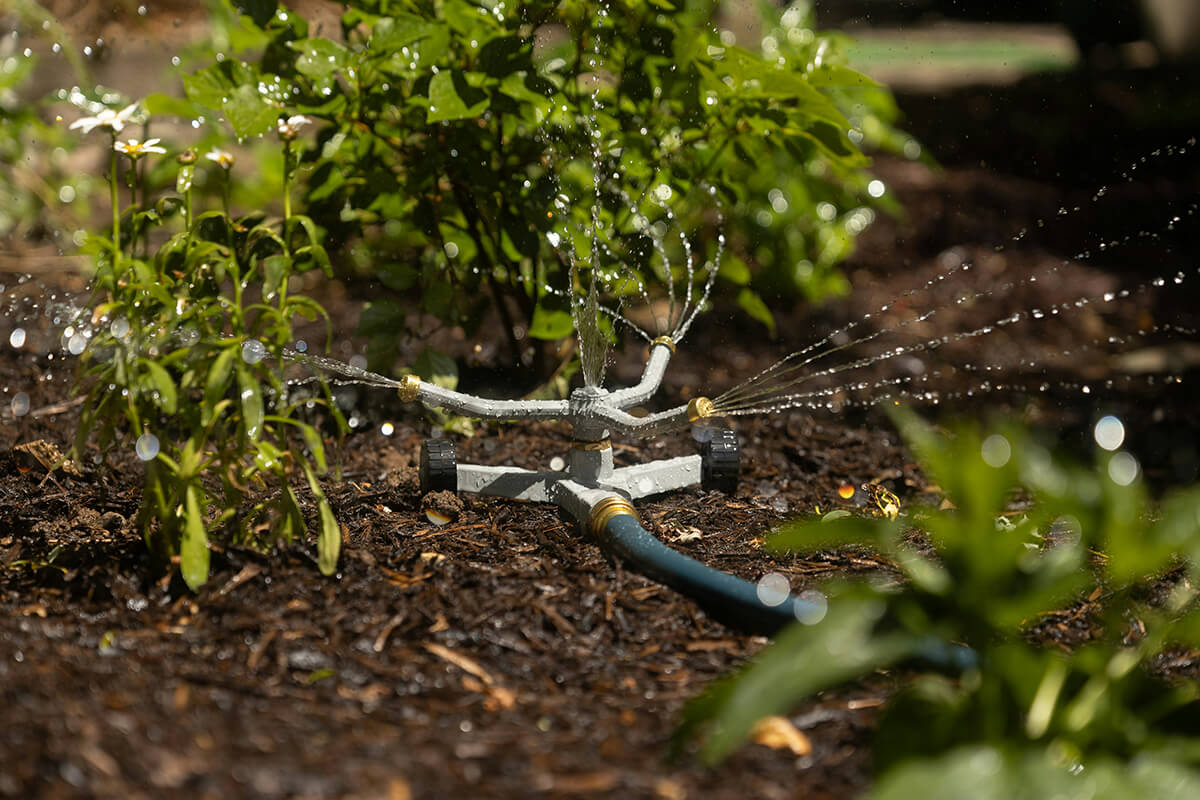
A frequent error is to stop watering trees entirely once the cooler weather arrives. While their water needs decrease, trees aren’t dormant just yet. In autumn, they are still actively absorbing resources (including water) to store for winter. A dry fall can leave a tree dehydrated and more susceptible to winter injury, root damage, and stress. It’s vital to continue providing water (particularly for newly planted or evergreen trees) until the ground freezes solid. Check the soil every week or two; if the top 5 to 7 centimetres are dry, provide a deep, slow soaking. This ensures the root zone is adequately hydrated to face the freezing temperatures to come.
***
2. Fertilizing Too Late in the Season
Applying fertilizer in late autumn is a well-intentioned but damaging mistake. Using a nitrogen-rich fertilizer encourages a flush of new, tender growth. This fresh foliage and new stems have no time to harden off before the first hard frost arrives. When the temperatures plummet, this delicate new growth is easily killed, wasting the tree’s energy reserves and creating wounds that can be entry points for diseases. If your soil is poor and requires amending, this job is ideally done in early autumn. Otherwise, you could opt for a slow-release formula specifically designed for fall application that supports root health rather than new top growth.
***
3. Pruning at the Wrong Time
Knowing your way around the dos and don’ts of pruning your trees goes a long way toward providing proper care. The urge to tidy up the garden often leads to aggressive pruning in the fall. While it’s always a good idea to remove any dead, damaged, or diseased branches whenever you spot them, major structural pruning should wait for winter when the tree is fully dormant. Making large cuts in mid-to-late autumn can stimulate the tree to produce new shoots as it tries to heal the wound. Just like with late-season fertilizing, this new growth is extremely vulnerable to frost damage. The best time for major pruning is during the tree’s full dormancy in late winter or very early spring, just before the buds begin to swell.
***
4. Leaving a Thick Mat of Leaves
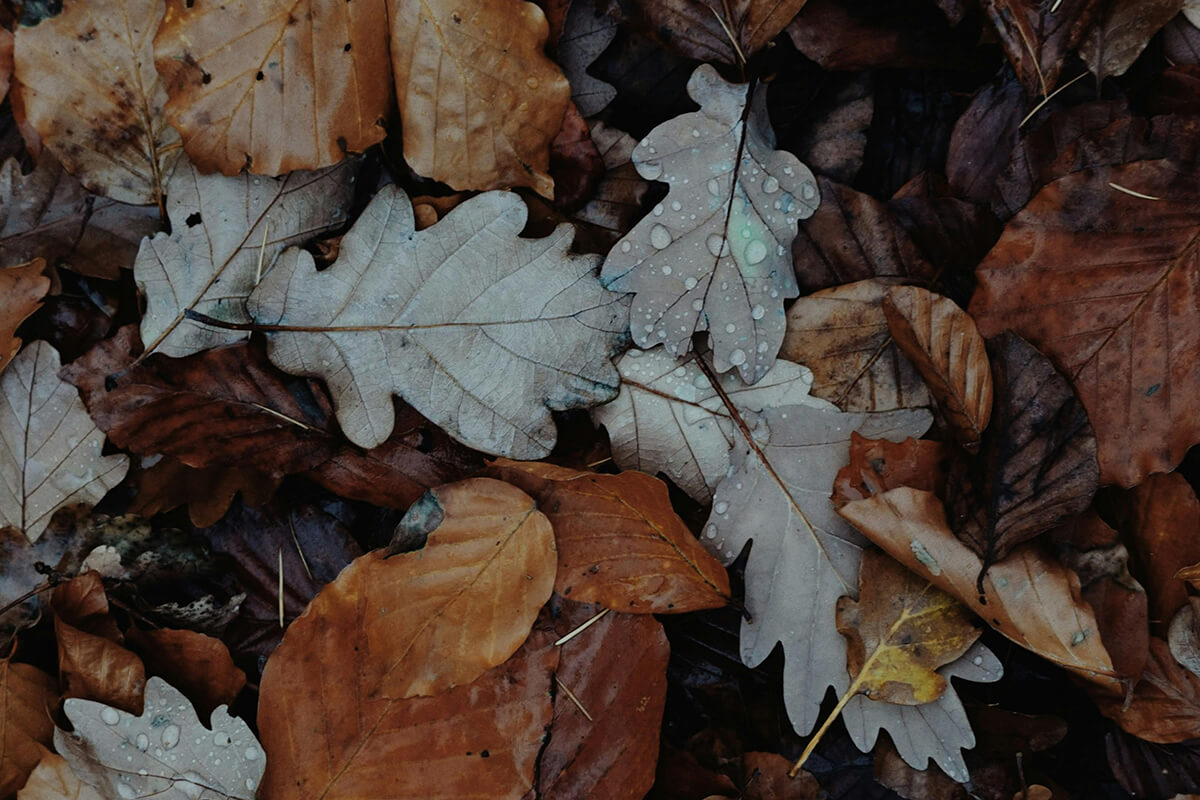
In contrast to the conventional wisdom of simply raking your leaves in fall, some sources like IFL science are suggesting leaving a thin layer of leaves to rejuvenate the soil come fall. That said, the advice is for a thin layer, just enough to avoid smothering the grass around the base of your trees. Too dense a layer of leaves blocks sunlight and air, which can kill the turf and create a damp, anaerobic environment ideal for fungal diseases and mould. These pathogens can easily spread to the tree’s vulnerable root flare and trunk. Furthermore, this leafy blanket provides the perfect winter shelter for pests that may emerge in the spring to attack your tree. Rake the leaves and consider composting them or shredding them to use as a light, beneficial mulch.
***
5. Skipping Mulch or “Volcano Mulching”
Applying mulch is a simple, easy, and effective tree care hack anyone can apply. Mulch is a tree’s best friend in winter, acting as a blanket for the root system. A 5-to-10-centimetre layer of wood chips or shredded bark insulates the soil, protecting roots from extreme temperature fluctuations and reducing water loss. However, a common mistake is piling mulch directly against the tree’s trunk, creating a cone or “volcano” shape. This practice traps moisture against the bark, leading to rot, fungal growth, and insect infestations. Always leave a gap of several centimetres between the mulch and the trunk to allow the bark to breathe.
***
6. Neglecting to Protect Young Trunks
Young trees especially need TLC, and the right tree care and maintenance tips go a long way to protecting them from harm. Young thin-barked trees like maples, lindens, and fruit trees are particularly susceptible to a winter injury called sunscald. On a clear winter day, the sun can warm the southern or southwestern side of the trunk, causing cells to come out of dormancy. When the sun sets or goes behind a cloud, the bark temperature drops rapidly, killing these active cells and causing the bark to crack and peel. These wounds stress the tree and provide an entry for pests and diseases. To prevent this, wrap the trunks of young trees with commercial tree wrap or a plastic tree guard, starting from the base and working your way up. Remove the wrap in the spring to allow for growth.
—
The right care always goes a long way, especially for trees. Fall is an excellent time to give your trees a little extra care, and with these tips, you can give yourself a little direction to ensure you’re doing a good job. Keep these tips in mind, and come spring, your landscape will be that much greener and more vibrant.
When it comes to finding the right trees to beautify your landscape, Caledon Treeland is here to lend a hand. We provide a number of shade and privacy trees to make your outdoor spaces that much more picturesque and convenient for you. Give us a call now at (905) 880-1828 and let us help you find the right tree to complement your home.