
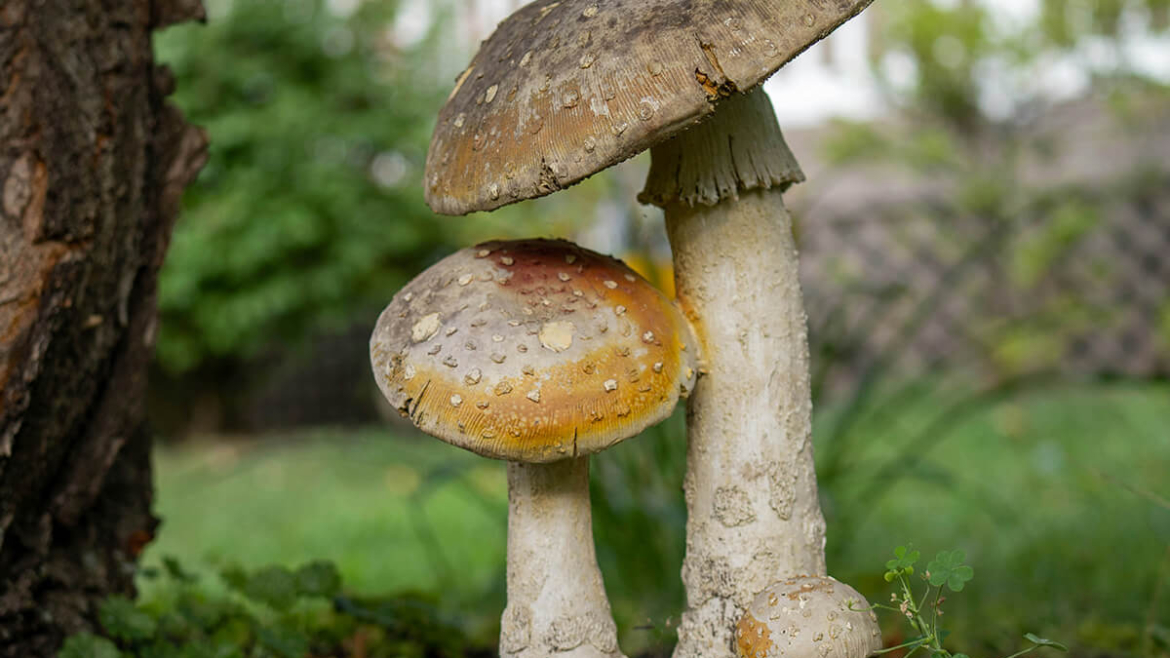
Spring is just on the horizon now, and for many homeowners that means the welcome thaw of garden beds and the first sightings of green shoots. However, as the soil warms and humidity rises, it also means the reemergence of common garden pests, diseases, and fungi. For many homeowners, the difference between a flourishing landscape and a season-long struggle can be found in nipping any potential problems in the bud. Taking proactive measures during the early weeks of the season should be step one on any spring care checklist. It’s a step that goes a long way toward preventing infestations and infections from ever establishing a foothold in your landscape.
1. The Power of Cultural Controls and Sanitation
The first line of defence against any ailments, and this includes your garden, is ensuring a clean environment. Disease-causing spores often overwinter in fallen leaves, mummified fruit, and dead perennial stalks. As soon as the ground is workable, clear away the previous year’s debris. If you noticed black spots on your roses or powdery mildew on your phlox last autumn, those spores are currently waiting for the right temperature to strike.
Dispose of any diseased plant material in the municipal waste rather than your home compost pile, as many backyard bins do not reach the high temperatures required to kill persistent pathogens. Taking the time to (gently) turn the soil can also expose overwintering larvae, such as those of the June beetle, to hungry birds and the drying effects of the air.

2. Strategic Pruning for Airflow
Poor air circulation is the primary driver of fungal diseases like botrytis and rust. During early spring (while deciduous trees and shrubs are still dormant or just beginning to bud) is the ideal time to prune. Focus on removing the “three Ds”: dead, damaged, and diseased wood.
Pruning is an effective step for regular and healthy tree maintenance. By thinning out the interior of a shrub, you allow wind to pass through the canopy more effectively. This ensures that foliage dries quickly after a spring rainstorm or a heavy morning dew. Since fungi require moisture to germinate, keeping leaves dry is one of the most effective non-chemical preventions available to the homeowner. Ensure your pruning shears are sharpened and sanitized with rubbing alcohol between plants to avoid spreading sub-clinical infections.
3. Soil Health as an Immune System
A healthy plant is inherently more resistant to pests than a stressed one. Think of your soil as the immune system of your garden. Early spring is the time to top-dress your garden beds with a few centimetres of high-quality compost or well-rotted manure. This adds organic matter that improves soil structure and encourages beneficial microbial activity.
After winter, soil can often become compacted by heavy snow loads. Using a broadfork or a garden fork to gently aerate the soil (without flipping it over) allows oxygen to reach the root zone. When roots can breathe and access nutrients easily, the plant grows vigorously, making it less attractive to opportunistic pests like aphids, which tend to target weakened or nitrogen-flushed, soft growth.
4. Mulching for Moisture and Barrier Protection
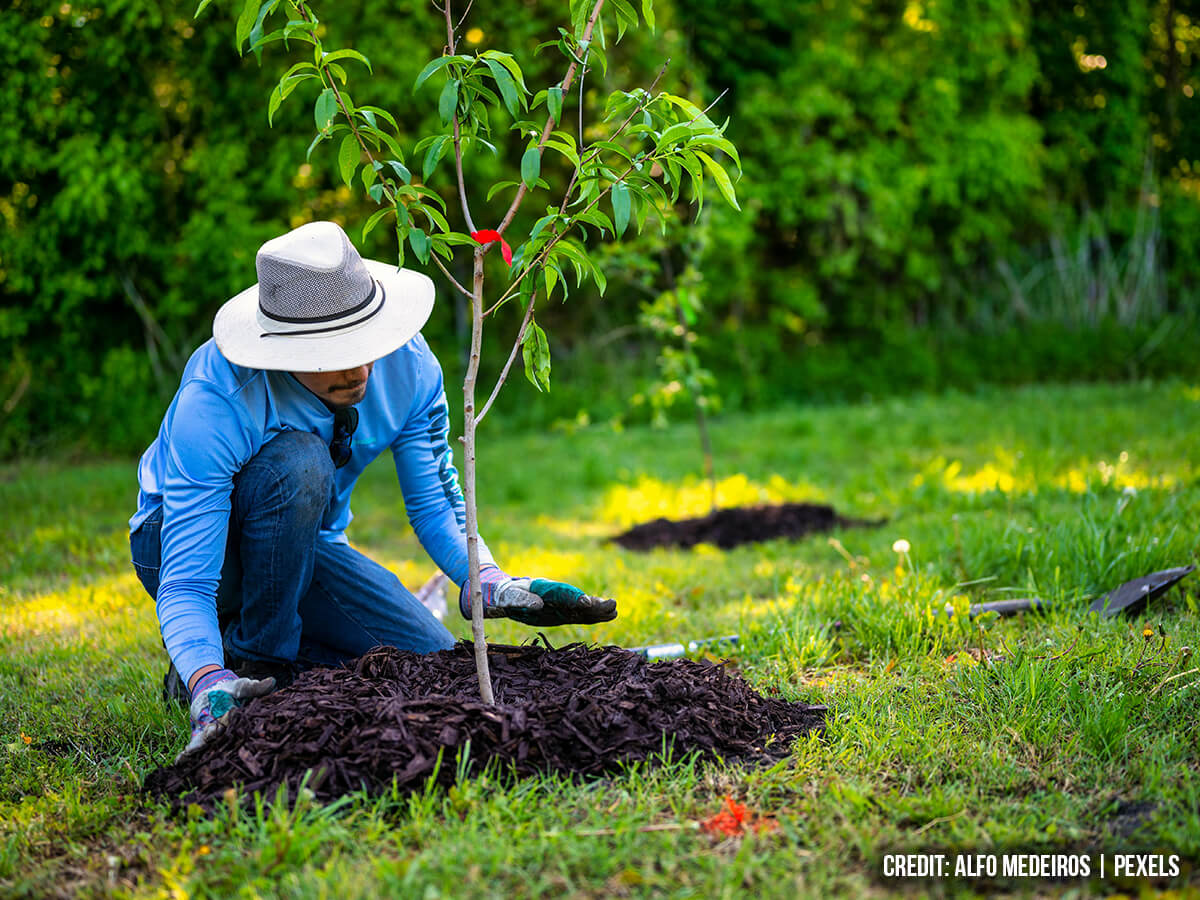
Applying a layer of mulch is a dual-purpose strategy. A thin, five-centimetre layer of organic material like cedar bark, wood chips, or straw acts as a physical barrier, preventing soil-borne fungal spores from splashing up onto the lower leaves of your plants during heavy spring downpours. This is particularly vital for plants like peonies, which are highly susceptible to leaf-spot diseases.
Furthermore, mulch helps maintain consistent soil moisture. Drastic fluctuations between soggy spring soil and the first dry spells of May can cause physiological stress, leading to issues like blossom end rot or bark cracking, which provide entry points for boring insects. Ensure the mulch is kept a few centimetres away from the base of tree trunks to prevent bark rot and rodent damage.
5. Early Detection and Physical Barriers
Taking a proactive stance is generally your best course when it comes to caring for your trees. Establishing barriers to keep animals from your trees always matters, but it’s especially relevant when dealing with smaller pests. Start with a close inspection of bark and emerging buds. As temperatures rise, look for weeping patches or sawdust-like frass on trunks; these may indicate active borers. Installing physical barriers early can mitigate damage; for instance, wrap the lower trunks of young fruit trees with specialized guards or hardware cloth to prevent rodents from girdling the bark.
For deciduous trees prone to crawling insects like cankerworms or gypsy moths, apply a sticky banding material around the mid-trunk in early spring. This prevents larvae from ascending into the canopy to feed on new foliage. Additionally, applying dormant oil sprays (a refined mineral oil) before the green tip stage is vital. This coating suffocates overwintering scale insects, mite eggs, and aphid eggs lodged in bark crevices. Ensure application occurs when the weather is clear and above 0°C to prevent the oil from freezing or washing away before it can act.
6. Managing Water and Irrigation Habits
Part of setting yourself up for spring planting success is developing proper watering habits. Aim to water early in the morning, ideally before 10:00 AM. This allows any water that lands on the foliage to evaporate during the day. Avoid overhead sprinkling whenever possible; instead, use soaker hoses or drip irrigation systems that deliver water directly to the root zone at ground level.
Over-watering is a common spring mistake. While the air may feel warm, the soil often remains cool and retains moisture longer than it should. Saturated soil can lead to root rot and damping off in new seedlings. Always check the moisture level five centimetres below the surface before reaching for the hose.
7. Encouraging Beneficial Predators
Finally, prevent pests by inviting their natural enemies into your yard. A proactive gardener creates a habitat for ladybugs, lacewings, and predatory wasps. Planting early-blooming native species provides a nectar source for these “good bugs” before the main pest population emerges.
Avoid the use of broad-spectrum insecticides, especially in the spring. These chemicals often kill the predators more effectively than the pests, leading to a secondary outbreak of mites or aphids because the natural checks and balances have been removed. By fostering a diverse ecosystem, you enlist a free, 24-hour security team for your garden.
Taking these steps in the early weeks of spring ensures that your garden remains a favourable environment for your trees. By focusing on these actionable steps, you create a resilient environment where plants can thrive as soon as spring kicks in.
Ready to transform your landscape with mature, healthy trees? Trust Caledon Treeland to provide high-quality specimens for shade and privacy trees, and the support you need to plant them properly. Contact us now at (905) 880-1828 to find the perfect addition to your property.