
Like all four seasons, summer has a beauty all its own. Gardens and landscapes alike flourish during the season, providing ample colour and a welcome respite from the heat. And your trees are at the heart of this beauty and splendour. Majestic and stoic as they are, your trees stand as beautiful and useful additions to your landscape, providing shady spots to beat the heat, shelter to local wildlife, and a sense of permanence to our outdoor spaces. Yet, the same intense summer sun that lends to the appeal of the season can also place these vital giants under immense stress. When weeks go by with little rain and temperatures soar, the ground becomes parched and hard, and below the surface, a silent struggle for survival begins.
Drought is a formidable adversary for any tree, whether we’re talking about a newly planted sapling or a century-old veteran. Water is a tree’s lifeblood, essential for everything from photosynthesis and nutrient transport to maintaining its structural integrity against the wind. And without adequate moisture, a tree’s defences weaken, leaving it vulnerable to the summer heat, disease, and damage. Recognizing the signs of thirst and (more importantly) acting proactively to prevent it is one of the most crucial responsibilities of any conscientious gardener or homeowner. Of course, there is more to responsible irrigation of your trees than simply splashing the trunk with a hose; it also encompasses a thoughtful, strategic approach to hydration. This guide offers a comprehensive plan to help you keep your trees hydrated during the summer months, enumerating some key practices to ensure your trees not only survive the hottest months but continue to thrive well after the weather changes.
1. Master the Art of Deep Watering
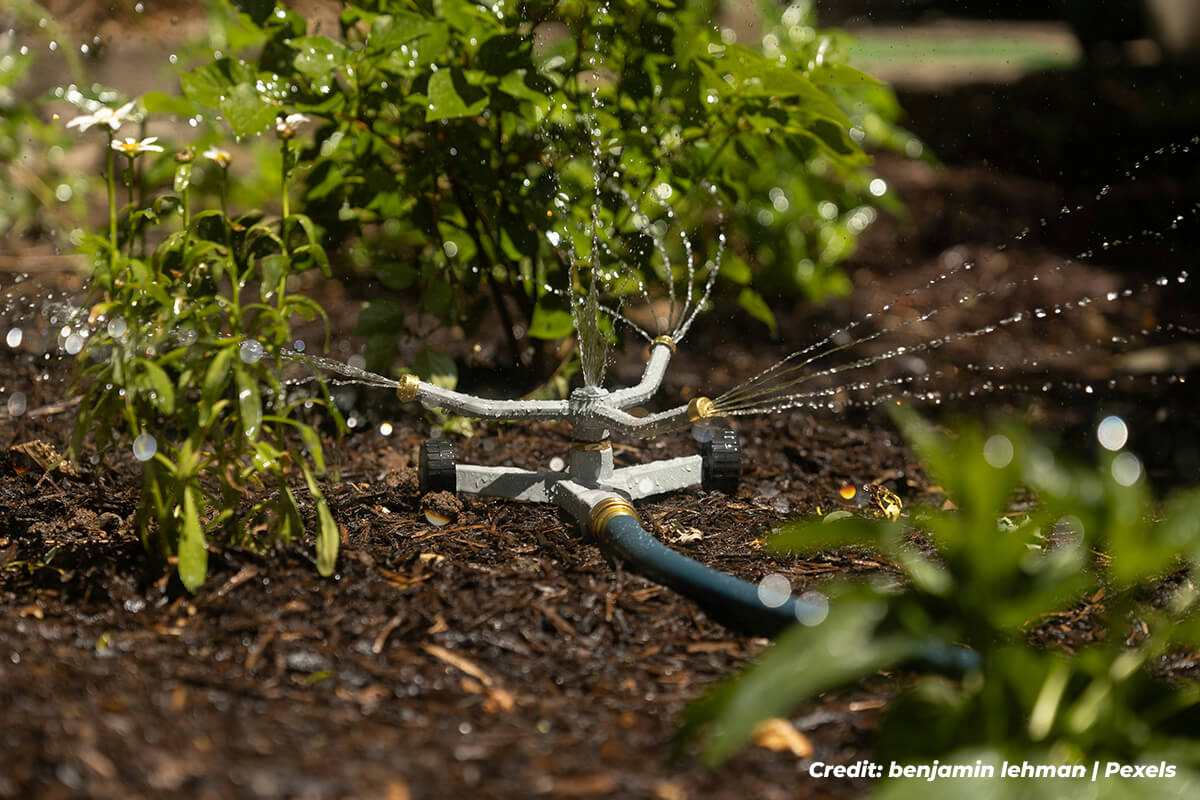
The single most important principle in hydrating a tree is to water deeply and infrequently, rather than shallowly and often. A light, daily sprinkle from a lawn sprinkler might keep the grass green, but it’s hardly enough for a tree. This type of watering only moistens the top few centimetres of soil, which only encourages the tree to develop a shallow, weak root system that is highly susceptible to drying out. Your goal when watering is to deliver water to the tree’s primary root zone, which for most established trees is located between 30 and 60 centimetres below the surface.
To master deep watering and reap its benefits, the trick is to be slow and prolonged to ensure the water seeps to the desired level. A garden hose turned on to a very slow trickle and placed on the ground is a simple and effective method. Another excellent tool is a soaker hose, which weeps water slowly along its entire length. Lay the hose in a spiral or a zigzag pattern beneath the tree’s canopy, starting a fair distance from the trunk and extending out towards the edge of the branches (toward the area known as the drip line). It is here, at the drip line, where the most active, water-absorbing roots are concentrated. Conversely, watering right at the base of the trunk is inefficient and can promote rot. Allow the water to run for several hours, perhaps even overnight in the case of large, mature trees, until the soil is thoroughly saturated to the required depth. This one deep drink every week or two during a dry spell is far more beneficial than a little bit of water every day.
2. Time Your Watering for Maximum Efficiency
When you water is nearly as important as how you water. The ideal time to water your trees is in the early morning, before the sun has fully risen and before the wind picks up. Watering early in the morning minimizes the amount of precious water lost to evaporation, which helps ensure that the vast majority of it penetrates the soil and reaches the roots where it is needed most. This timing also allows the tree’s foliage to dry completely during the day, which helps to prevent the development of fungal diseases that can thrive on damp leaves.
Watering in the middle of a hot, sunny day is the least efficient option, as a significant portion of the water can evaporate before it ever has a chance to soak into the ground. While evening watering is a better alternative than midday, it can sometimes create an environment conducive to mildew and other moisture-loving pathogens if water splashes onto the leaves and they remain wet throughout the cool night. By making early morning watering a regular practice, you work with nature’s cycles, not against them, conserving water and promoting the overall health of your tree.
3. Employ Mulch, the Unsung Hero of Hydration
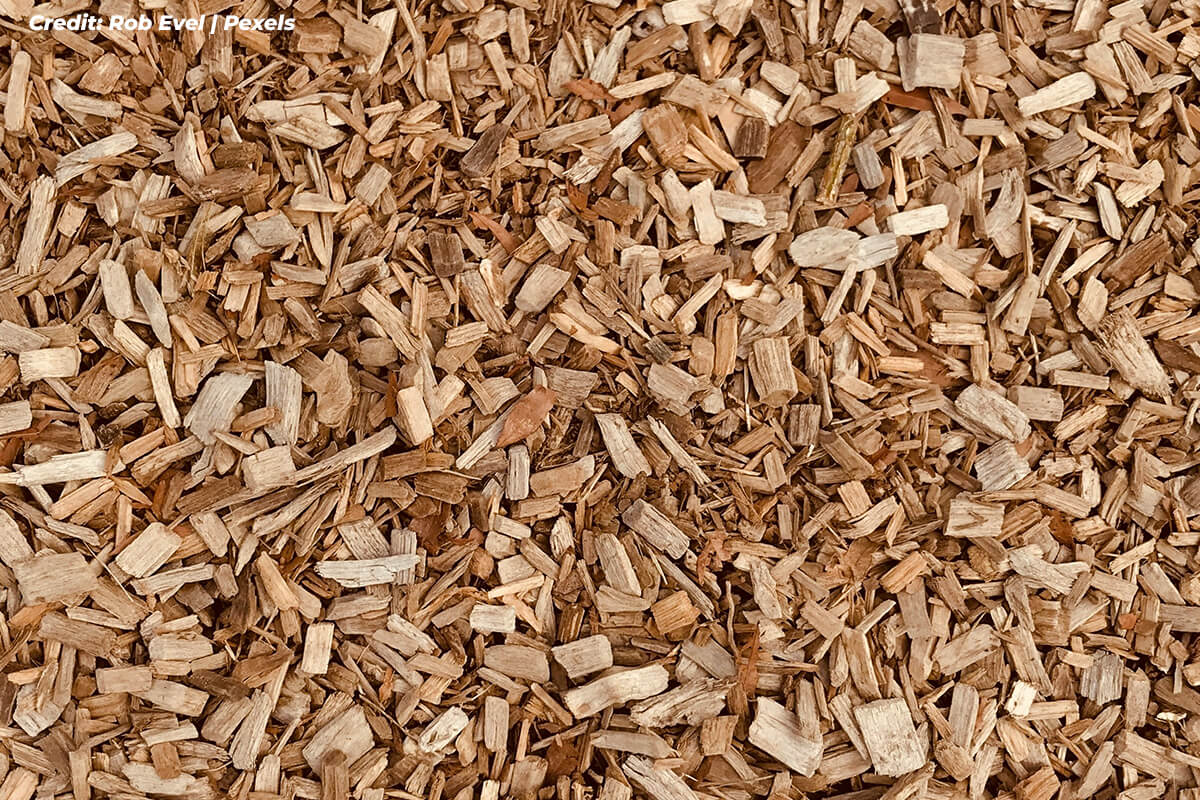
If deep watering is the action, mulch is the indispensable partner that preserves the benefits of that action. Applying a proper layer of organic mulch around the base of your tree is one of the most necessary steps for planting a tree, and one with a multitude of powerful benefits in the fight against drought. Its primary function is to act as a protective blanket over the soil, dramatically slowing the rate of evaporation and locking in the moisture you so carefully provided.
Beyond moisture retention, mulch also helps to moderate soil temperature, keeping the root zone cooler on scorching hot days, which reduces stress on the tree. It also suppresses the growth of weeds and grass, which would otherwise compete with the tree for water and nutrients. Organic mulches like wood chips, shredded bark, or pine straw also have the advantage of breaking down over time, which helps enrich the surrounding earth and improves soil structure and fertility.
To be effective, apply a layer of mulch that is between 5 and 10 centimetres deep. Extend this layer out to the tree’s drip line, or as far as is practical. Crucially, avoid the common mistake of creating a “mulch volcano” piled high against the trunk. Always pull the mulch back a few centimetres from the bark of the tree itself. This gap prevents moisture from being trapped against the trunk, which can lead to rot, disease, and pest infestations.
4. Know Your Soil and Adjust Accordingly
Not all soil is created equal, and understanding its composition is key to refining your watering strategy. The two most common soil types present different challenges and require different approaches. Sandy soil consists of large particles, which allows water to drain through it very quickly. While this prevents waterlogging, it also means that moisture does not remain in the root zone for long. Trees in sandy soil will require more frequent watering than those in other soil types.
In contrast, clay soil is made of very fine particles. It holds water extremely well, but it also absorbs it very slowly. If you apply water too quickly to clay soil, most of it will simply run off the surface instead of soaking in. For trees in clay soil, an extra-slow, trickle application is essential to give the water time to penetrate. Because it retains moisture so well, you can generally wait longer between deep watering sessions. A simple way to check your work is to dig a small hole with a trowel a day after watering. This will allow you to see exactly how far the moisture has penetrated and help you adjust the duration of your future watering efforts.
5. Consider the Tree’s Age and Needs
Last of all, it’s vital you have an understanding of your tree and its water needs. A deep understanding of which shade trees match Ontario’s climate goes a long way to meeting their needs as well. In general, a newly planted tree is like an infant, with a very small, undeveloped root system that has not yet extended far into the surrounding soil. For the first two to three years after planting, these young trees are extremely vulnerable to drought and require consistent, regular watering to become established. They need a deep soaking at least once a week during the hot, dry months.
Conversely, a large, mature tree has an extensive and deep root system, making it far more resilient and self-sufficient. In a typical summer, it may not require any supplemental watering at all. However, during a prolonged and severe drought, even these established giants will benefit immensely from a very deep, slow soaking every three to four weeks. Paying attention to your tree’s age and adjusting your care accordingly ensures you are providing the right amount of support at the right time, fostering a strong and healthy specimen for generations to enjoy.
—
Summer can be a difficult season for trees, considering the hot, dry weather. While many homeowners can instinctively grasp that their trees need ample care, it’s also important to know how to dispense that care to the trees’ benefit. With this guide, you have a clearer idea of how to provide that all-important water your trees need during the summer months. And with the help of these insights, you can go a little further in providing your tree with its vital water and help it stay strong, tall, and healthy.
The right tree can work wonders for your external spaces, providing shade, privacy, and appeal to help your house feel like home. Caledon Treeland is a tree provider that offers a wide range of shade and privacy trees to keep your home comfortable and private. Trees aren’t just for boosting your curb appeal, and with our trees you can turn your home into a veritable sanctuary. Call us now at (905) 880-1828 to take a look at our tree farm and find one you like.