
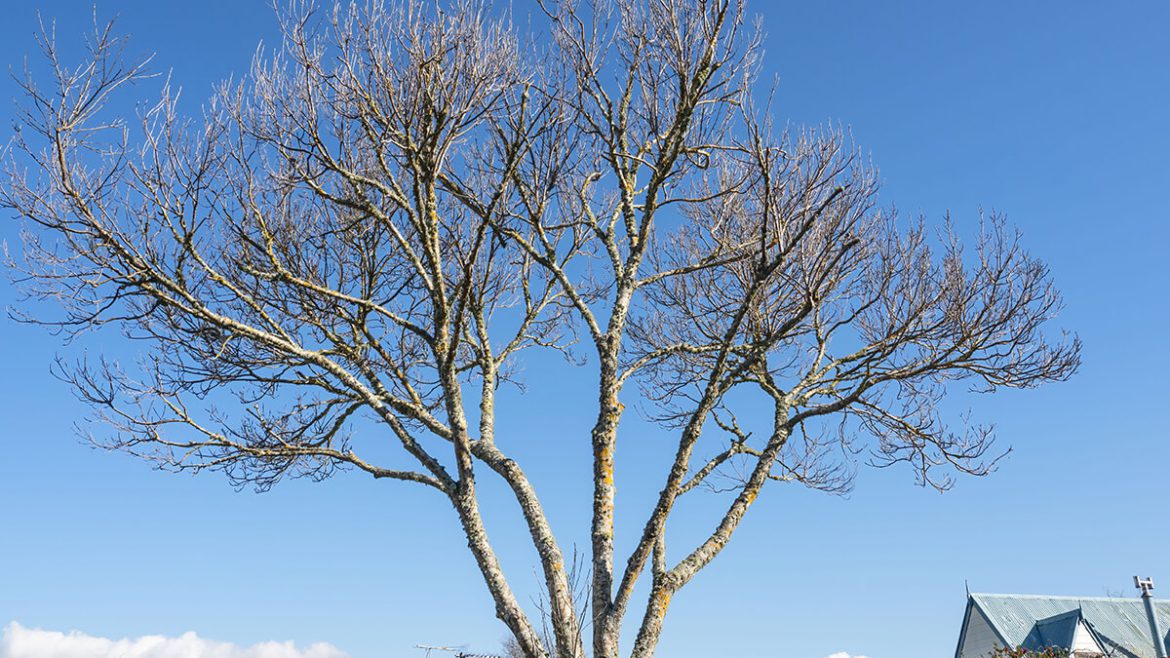
Winter can take its toll on your trees. Between the low temperatures, heavy snow, ice storms, drying winds, and road salt, it’s no wonder a tree’s bark, branches, and roots can incur some damage before spring returns. Trees that go into the cold season stressed or unprotected are more likely to come out of it with cracked bark, broken limbs, or dieback that only shows up in spring. A little work on your trees in late fall before the snow hits gives your trees a much better chance of staying healthy into the next growing season.
Here are eight practical steps to take before the ground freezes.
1. Water Deeply Until until the Weather Gets Cold
It may not seem like trees need water in winter, but the truth is that they do. Watering matters vitally during winter, even evergreens (which you might expect to stay green and healthy forever.Trees keep losing moisture through their bark, buds, and needles during winter, but they cannot draw water from frozen soil. A slow, deep soak through the fall helps them build up moisture reserves before the freeze sets in. Water the area under the canopy out to the drip line, where most of the feeder roots are. Newly planted trees and evergreens need this the most, since they dry out easily over the winter.
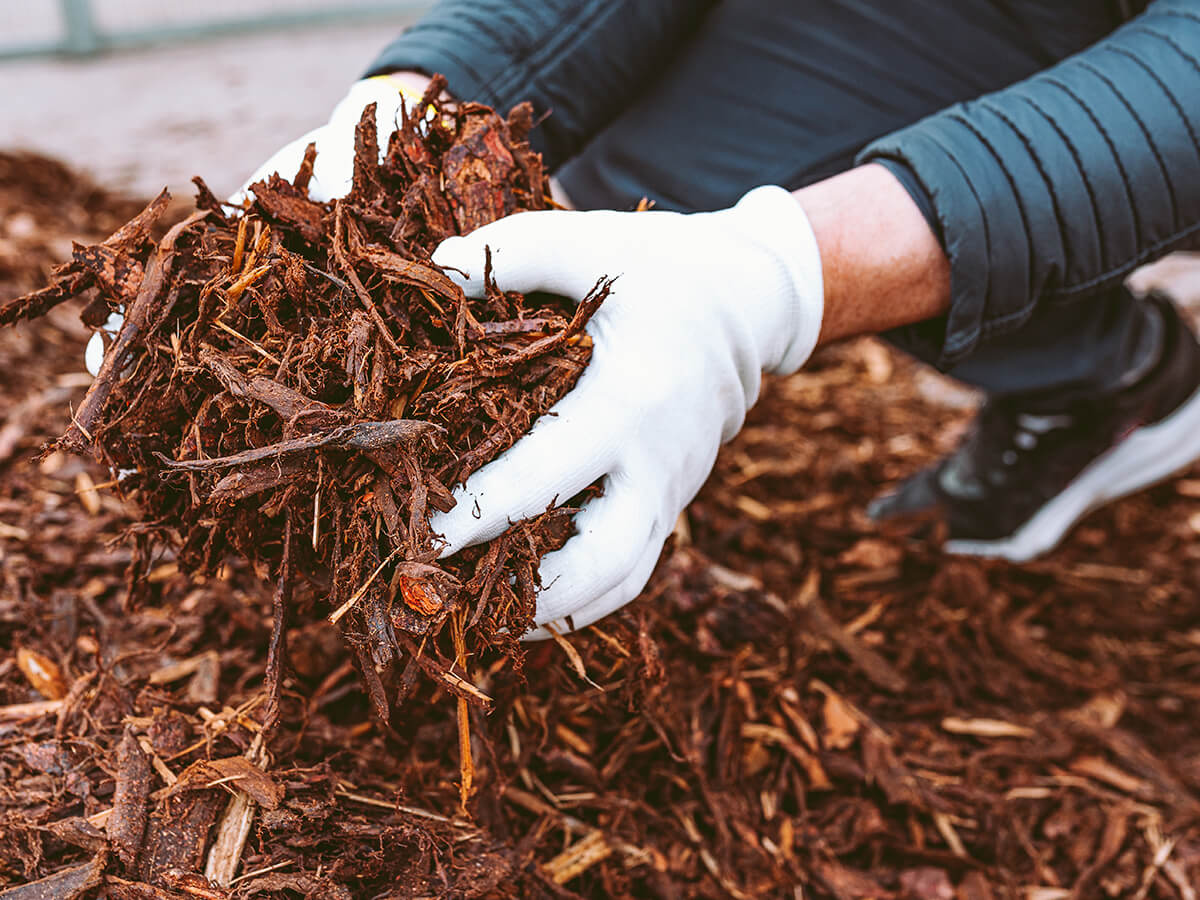
2. Apply a Layer of Mulch
Mulching is one of the most vital things you can do for your trees, especially given how it insulates the soil when the temperature lowers. A layer of mulch also keeps root temperatures more stable and holds in moisture through repeated freeze and thaw cycles. Spread mulch about 5 to 10 cm deep over the root zone. Take note that there are different types of mulch, but your tree does best with organic mulch to revitalize the nearby soil. Refrain from piling the mulch against the trunk; instead, keep it pulled back a few centimetres from the trunk to avoid trapping moisture and inviting rot and pests close to the tree.
3. Prune Dead and Damaged Branches
Routine maintenance is a must for your trees, pruning especially. Winter is an ideal time for that pruning, especially pruning dead, broken, or weakly attached branches. These are the ones most likely to snap under the weight of snow and ice, and therefore merit removal before they become a hazard. Removing them now lowers the risk of damage to the tree’s surroundings (to say nothing of the tree itself). Major structural pruning is often best left until late winter, when trees are fully dormant, so keep fall work focused on more obvious hazards. For large limbs or branches near wires, call a certified arborist rather than doing the job yourself.
4. Protect Young Trunks From Sunscald
On sunny winter days, the south and southwest sides of a trunk can warm up and then cool sharply once the sun goes down. These rapid temperature shifts can split or damage the bark of young and thin-barked trees, such as maples, lindens, and fruit trees. Wrapping the lower trunk with a light-coloured commercial tree wrap to reflect sunlight and keep bark temperatures steadier. Remove the wrap in spring so it does not hold moisture or harbour pests.
5. Guard Against Rodents and Rabbits
Mice, voles, and rabbits often chew on bark when their usual food is buried under snow, and in doing so they can girdle a young tree completely. A cylinder of hardware cloth or a plastic trunk guard around the base creates a physical barrier that keeps these pests away from the trunk. Push the bottom edge a few centimetres into the soil to keep voles from tunnelling underneath, and make sure the guard extends above the expected snow line, since animals can reach higher once the snow builds up.
6. Shield Evergreens From Winter Burn and Heavy Snow
Evergreens keep their needles all winter, and as result they keep losing moisture to wind and sun even when their roots cannot replace it. The result is winter burn, which appears as brown or bronze foliage in spring. A burlap screen facing the wind can a long way to strength side reduces that exposure and also blocks salt spray near roads and driveways. For upright cedars and junipers, loosely tying the branches together with soft twine helps them shed heavy, wet snow instead of splaying open.
7. Be Careful With De-Icing Salt
Road salt can damage roots, dry out soil, and burn foliage and buds when it builds up around trees. When clearing walkways and driveways, avoid piling salty snow over root zones and garden beds. In areas close to trees, consider using sand or a de-icer labelled as safer for plants. In spring, a thorough watering can help flush built-up salt out of the root zone.
8. Schedule a Professional Inspection
Some problems, such as internal decay, root damage, trunk cracks, or weak branch unions, are hard to spot from the ground. A certified arborist can assess whether a tree is likely to hold up through winter storms and recommend cabling, bracing, or removal where needed. Trees very often tell you when a problem has occurred, and an arborist’s help can help you decipher what the tree’s trying to tell you. Fall is a good time to book this visit, because the leaves have dropped and the branch structure is easier to see.
Winter preparation is a simple job compared to repairing damage after the fact. You can do many of these tasks within a forgivable timeframe, one that takes a few weekends. And for all that effort, it can make a real difference in how your trees look and grow next spring. Keep these insights in mind to guide your efforts and help you give your trees the pre-winter TLC they need to thrive in preparation for spring. And with enough effort, you can ensure your trees are set to grow and take advantage of spring to grow back strong and healthy when the time comes!
Ready to make your property more comfortable and private? Caledon Treeland offers shade and privacy trees that cool your outdoor spaces, block unwanted views, and add lasting beauty to your landscape. Let our team help you choose the right trees for your yard and give you maximum privacy and comfort. Give us a call now at (905) 880-1828 to get started.
Frequently Asked Questions
1. When Should I Start Preparing My Trees for Winter?
Start in early to mid-fall, after leaves begin to drop but before the ground freezes. This gives you time to water, mulch, and handle protective steps while the soil is still workable.
2. Do Evergreens Need More Winter Protection Than Deciduous Trees?
Yes, hey typically do need a little more TLC to thrive. Evergreens keep their needles and lose moisture all winter, which makes them more vulnerable to winter burn and drying winds. A burlap screen on the windward side can help.
3. Should I Wrap Every Tree in My Yard?
No, not necessarily. Trunk wraps are mainly useful for young and thin-barked trees. Mature trees with thick bark usually do not need them. Any wraps you use should always come off in spring to avoid attracting moisture and pests.
4. Can I Prune Trees During Winter?
Yes, in fact, late winter is often a good time for structural pruning because trees are dormant and their branch structure is easy to see. Remove dead or hazardous branches whenever they pose a risk.
5. How Do I Know if a Tree Was Damaged Over the Winter?
Look for cracked or peeling bark, broken branches, browned evergreen needles, and chewed bark near the base. Buds that fail to open in spring can also signal winter injury.