Key Takeaways
- Younger, healthy trees with smaller trunk diameters adapt better to transplanting than mature, declining trees.
- While small trees are often cheaper to replace, mature or sentimentally valuable trees may justify the cost of professional tree moving.
- The best time to move a tree is during early spring or late fall when the tree is dormant.
- Access for heavy machinery and soil compatibility play a crucial role in deciding whether relocation is viable.
- Tree relocation requires preserving a large portion of the root ball to prevent transplant shock.
Trees add immense beauty, shade, and property value to any landscape. However, as properties undergo renovations, landscaping overhauls, or construction projects, an existing tree may end up in an inconvenient location. Property owners often face a tough decision: should you move the existing tree, or is it better to remove it and plant a new one?
Understanding the factors involved in moving versus replacing a tree can help you make a practical and cost-effective choice for your landscape.
Why Should You Consider Relocating an Existing Tree?
Relocating an existing tree preserves years or even decades of growth that cannot be quickly replicated by planting a sapling. Mature trees offer established canopy shade, enhanced privacy, and architectural character that significantly boost property value.
If you have a healthy tree that simply stands in the way of an addition, driveway, or patio, moving it allows you to retain its benefits without sacrificing your development plans. Additionally, sentimental value plays a large role for many homeowners who have grown attached to specific trees planted for special family occasions.
For property owners looking to source new specimens or compare replacement costs, exploring options for trees for sale in Toronto provides a clear baseline for what buying a new tree of comparable size might cost.
How Do You Determine If a Tree Is Healthy Enough to Move?
Not every tree is a good candidate for relocation. Before investing in moving services, evaluate the following criteria:
- Tree Size and Trunk Diameter: Trees with a trunk diameter under 4 to 6 inches are generally easier and less expensive to move. Larger mature trees require specialized equipment like hydraulic tree spades.
- Overall Health and Vigour: A tree suffering from structural decay, severe pest infestations, or fungal diseases will likely not survive the stress of moving. Only healthy, thriving trees should be considered.
- Species Adaptability: Certain species handle transplant shock better than others. For instance, trees with shallow root systems (like maples and birches) are often easier to relocate than deep-taproot species (like oaks and walnuts).
Evaluating these factors with an expert helps ensure that your tree has a high probability of thriving in its new spot.
What Are the Costs of Tree Moving vs. Replacing a Tree?
When weighing costs, you must consider both immediate expenses and long-term value. Relocating a small to medium-sized tree usually requires a professional team equipped with a tree spade, which involves labour and equipment charges. For larger specimens, the machinery needed can be substantial, making moving an investment.
On the other hand, replacing a tree involves the cost of removing the existing tree, stump grinding, purchasing a new specimen, and paying for initial planting.
If you opt for a small sapling, the purchase price is relatively low, but it will take 10 to 20 years to match the shade and canopy of a mature tree.
If you choose to replace it with a larger mature tree, purchasing and installing that specimen can cost as much as—or more than—relocating your current tree.
For homeowners facing landscape redesigns across southern Ontario, utilizing professional services for tree moving in the GTA offers a streamlined way to assess whether your existing tree can be safely moved using heavy-duty tree spades.
What Is the Best Time of Year to Relocate a Tree?
Timing is critical to the survival of a relocated tree. The optimal times for tree moving are:
- Early Spring: Before bud break, while the soil is workable and the tree is still dormant. Spring planting gives the tree a full growing season to establish roots before winter.
- Late Fall: After leaf drop, when the tree enters dormancy. The cool air temperatures paired with warm soil allow root development without the stress of supporting foliage.
Moving a tree during the heat of mid-summer increases the risk of severe transplant shock and dehydration, making success far less likely.
How Do You Prepare and Care for a Relocated Tree?
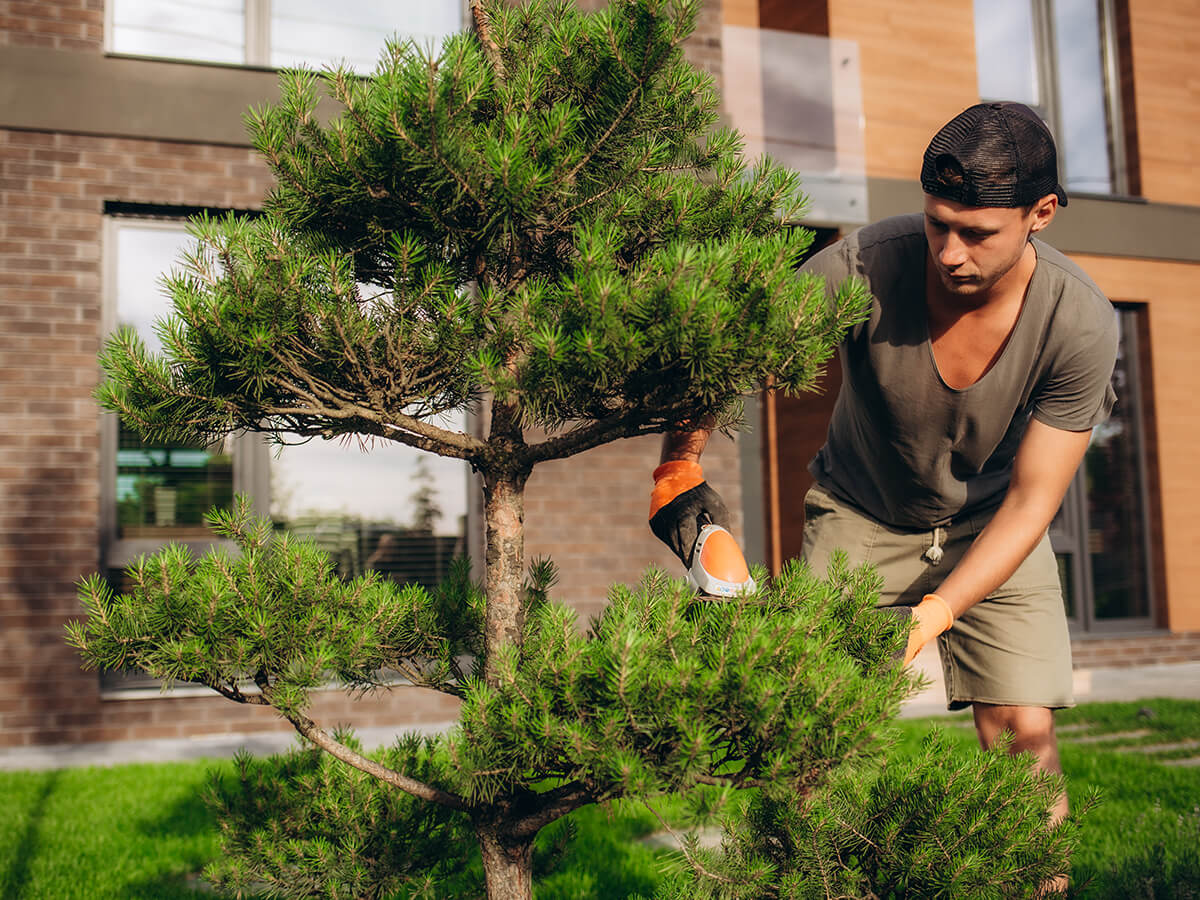
Successful tree relocation doesn’t end when the tree is placed in the ground. Post-transplant care is vital for long-term survival:
- Watering: Provide deep, consistent watering throughout the first two growing seasons. The soil should stay moist but not waterlogged.
- Mulching: Around the base of the tree, clear from the trunk, apply a few inches of organic mulch. A layer of about 2–4 inches is ideal. This helps regulate moisture and soil temperature.
- Staking: Larger trees may require temporary staking to stay stable against strong winds while new roots anchor into the surrounding soil.
Ready to Relocate or Upgrade Your Trees? Contact Caledon Treeland Today!
Whether you need to relocate a cherished mature tree or select beautiful new specimens to enhance your landscape, Caledon Treeland provides expert tree moving and selection services across the Greater Toronto Area. Our experienced team uses specialized equipment to ensure safe transplanting and optimal tree health.
- Phone: (905) 880-1828
- Email: treeland@treeland.ca
Reach out today for a consultation and let us help you transform your property!