

After a cold, white winter where the whole world might have seemed buried under snow, spring can come as a relief. It’s very often a time of renewal, when bare branches transform into vibrant canopies, as if the trees themselves are marking the change of seasons and the return of colour to the world. As your neighbourhood begins to flourish, it can cause some concern to watch a tree remain stubbornly dormant, but it usually isn’t a problem. If, however, weeks pass and the buds refuse to open, you might then have cause to wonder if the tree is failing. But before assuming the worst, it’s a good idea to recognize that there might be several factors at play delaying your tree’s spring awakening. By systematically examining the tree, you can pinpoint the issue and give your tree the right care to ensure a healthy spring. Here is a diagnostic guide outlining why your tree might experience a delay.
1. Assess the Natural Timeline of Your Species
While the rest of the world might be seeing spring, your trees might not be getting the memo. Not all trees operate on the same biological clock; some species are naturally late bloomers, waiting until soil and air temperatures have consistently warmed before pushing out tender new foliage. For instance, oak trees often remain bare long after birch trees have leafed out. If you recently planted an unfamiliar species, this might simply be normal behaviour. Observe the specific tree you have first and compare it to identical species in your local area to determine if its timeline is truly delayed.
2. Investigate Potential Winter Injury and Frost Damage
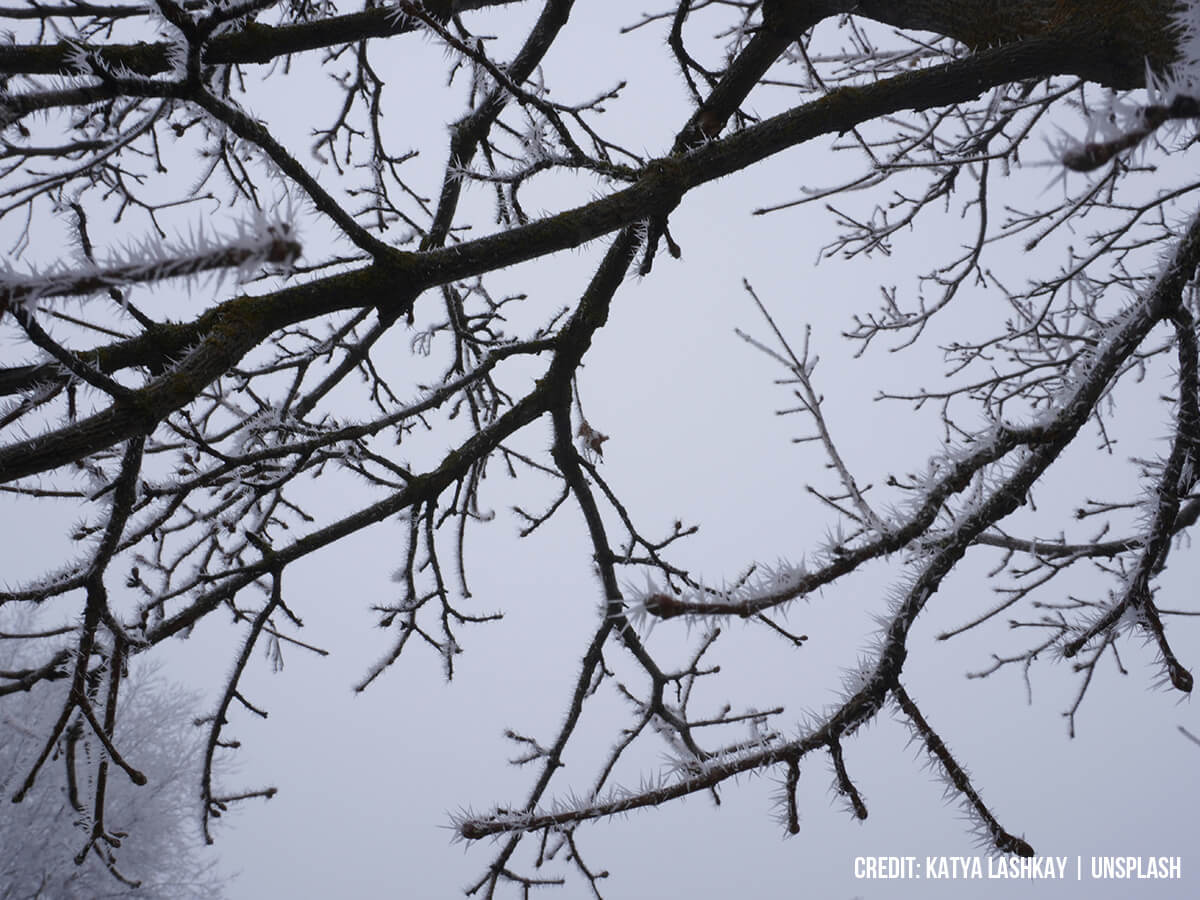
Canadian winters can be harsh (and are often notorious for being so), and those extreme temperature fluctuations at play can easily damage dormant trees. A sudden temperature drop before a tree has hardened off, or a deep freeze dropping below minus twenty degrees Celsius, can kill delicate buds. Alternatively, if a warm spell in early spring coaxes the tree into breaking dormancy too soon, a late frost can destroy the new buds. Winter damage to your trees leaves some signs of it, so take the time to inspect the branches closely. If buds appear dark, shrivelled, or dry rather than plump and green, then winter injury might be at fault here.
3. Evaluate Recent Moisture Extremes in the Soil
Water is a fundamental requirement for a tree, and that’s particularly true when it’s starting its spring regrowth. Both a severe lack of moisture and an excess of it can delay leaf-out. If your region experienced a significant drought last summer, the tree may have entered winter lacking the stored energy reserves necessary to fuel vigorous growth. Conversely, poorly draining soil or a wet spring can lead to waterlogged roots. Roots require oxygen to function, and if submerged, they begin to decay. Check the soil ten centimetres below the surface to gauge current conditions, and help yourself determine if the tree needs a little help getting adequate water.
4. Examine the Surrounding Ground for Root Damage
A tree’s root system is more than an anchor or a mechanism for absorbing nutrients; indeed, the rest of the tree’s welfare can depend heavily on the state of the roots. If there has been recent construction, heavy machinery operation, or frequent foot traffic over the root zone, then all that motion may have compacted the surrounding earth. Knowing how compacting the soul impacts your trees can go a long way to helping you deal with the problem should it emerge in the future. Compacted soil restricts oxygen flow to the roots and prevents them from expanding. Furthermore, if trenches were dug nearby, crucial feeder roots might have been severed during the course of that work. Improper planting, such as burying the root flare deeply under heavy soil, is another factor that may suffocate the tree, which can lead to severely delayed spring foliage.
5. Inspect the Branches for Signs of Pests
Your tree isn’t the only thing growing after a hard winter; pests, especially bugs, are taking advantage of the gentler weather to recover themselves. There are a number of insect species that view emerging leaf buds as an ideal food source. Some pests overwinter in the bark and emerge just as the tree attempts to push out new growth. If populations are dense, they consume delicate buds before the leaves have a chance to unfurl, which can leave the branches bare. Look closely at twigs and remaining buds for tiny exit holes, chewed edges, silken webbing, or the physical presence of caterpillars. Heavy pest infestations can take a significant toll on your trees, leading to stalled growth as temperatures rise.
6. Check for Fungal and Bacterial Diseases
There are a number of spring diseases that can hinder a tree’s ability to produce leaves; keeping watch for signs of these infections goes a long way to keeping your trees safe. Certain fungal infections target buds directly, blighting them before they can fully develop. Other vascular diseases can occur deep within the trunk, clogging critical pathways that transport water and nutrients from the root system to the canopy. If these pathways become blocked, the topmost buds will starve and dry out, manifesting as stalled growth and bare branches for the tree. Some secondary signs of disease, such as unusual discolouration, sunken cankers, or suspicious fungal growths on the bark, can be indicators of an infection afflicting the tree which must be addressed to preserve its health.
7. Consider the Possibility of Nutrient Deficiencies
While less common than environmental stress, a lack of essential nutrients can prevent a tree from leafing out vigorously. Trees require a specific balance of macro- and micronutrients to synthesize compounds needed for new growth. If soil is highly alkaline, for example, certain nutrients may become chemically locked, making them unavailable to the root system. Poor soil quality also limits metabolic functions, resulting in stunted growth or a failure to break dormancy. Contacting an arborist to assist with a soil test can determine if poor nutrition is holding your tree back.
Having a tree remain bare in spring can be cause for concern, but there’s no need to worry about it. All it takes to get to the heart of the problem is some careful observation of environmental stressors, pests, and soil conditions. By analyzing and evaluating the myriad factors at play concerning your tree, you give yourself the means to diagnose the issue and determine how to address it. Instead of worrying and wondering what to do, you’ll be much better equipped to tackle any growth delays and give your tree the care it needs to start strong.
Are you looking for a new tree to provide some shade and comfort for your home? Then Caledon Treeland is here to help. We provide a wide range of shade and privacy trees to improve your home’s quality of life and make your home a more comfortable sanctuary after a long day. Give us a call now at (905) 880-1828, and visit our tree farm to find the right tree for your home and needs.