
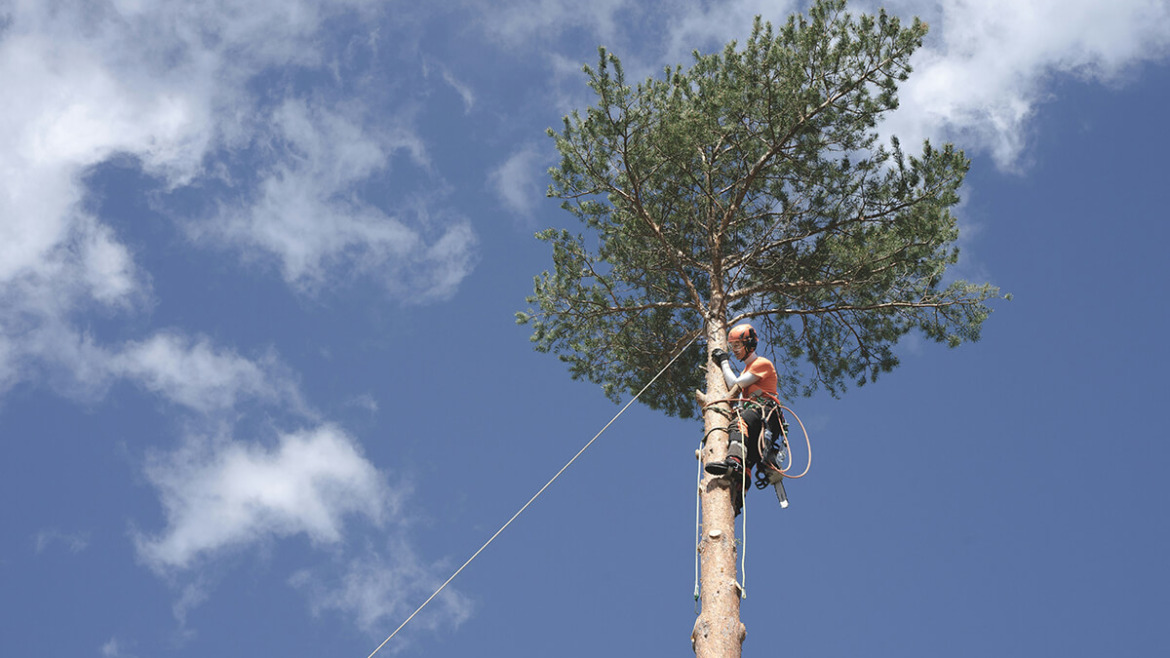
There’s nothing like dark clouds and the peal of thunder to remind you of the power of nature. Storm season, with its heavy rains and powerful winds, is a regular feature of the Canadian climate, and so requires you to be aware of what to do for a storm to ensure you remain safe when one strikes. While we take measures to secure our homes, it is equally important to turn our attention to another resident on your property you may have overlooked: your trees. A healthy, well-maintained tree can be a source of beauty and shade, a steadfast neighbour in our landscape. An unprepared tree, however, can quickly become a significant hazard. Proactive preparation is the key to ensuring your trees can weather the storm.
Taking the time to assess and prepare your trees before the worst of the weather arrives is an investment, not just in terms of protecting your tree but also your home. This preparation helps minimize the risk of property damage from falling limbs and enhances the tree’s own ability to survive the stresses of high winds and saturated soil. Here are several essential steps every homeowner should consider to become storm season savvy.
1. Conduct a Thorough Visual Inspection
The first step to any necessary task around the house is always observation. Walk around your property and take a close look at each of your trees from different angles. Look for signs of weakness or distress. Are there large, dead branches (often called “widow-makers”) hanging in the canopy? Do you see deep cracks or splits in the trunk or on major limbs? Other warning signs include peeling bark, hollow cavities, or the growth of fungi, like mushrooms, on the trunk or near the roots, which can indicate internal rot. Also, note if a tree has started to lean noticeably to one side. A careful inventory of your trees’ health is the foundation of your preparation plan.
2. Prune with Purpose
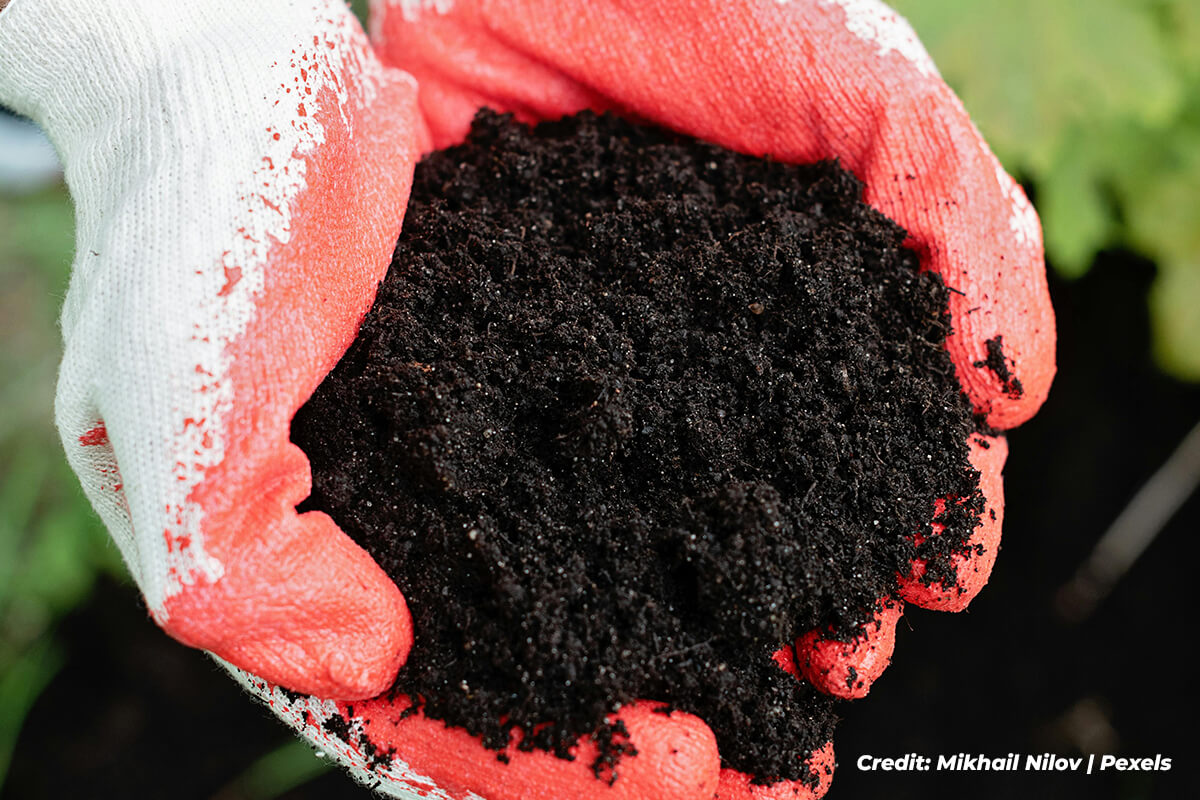
Aesthetics isn’t the only reason to prune your trees regularly; it’s also good for keeping them stable in case of storms. The goal when pruning is never to drastically alter the tree’s shape, but to thin the canopy in a way that allows wind to pass through it, rather than pushing against it like a sail. This reduces the force exerted on the trunk and root system and minimizes the risk of falling. Focus on removing dead, damaged, or diseased branches first. Afterwards, identify branches that are crossing and rubbing against each other, as these create weak points. A well-pruned tree should look balanced and stable, not barren. For large trees or branches, especially those near your home or power lines, this task should always be left to a certified arborist.
3. Fortify the Foundation with Mulch
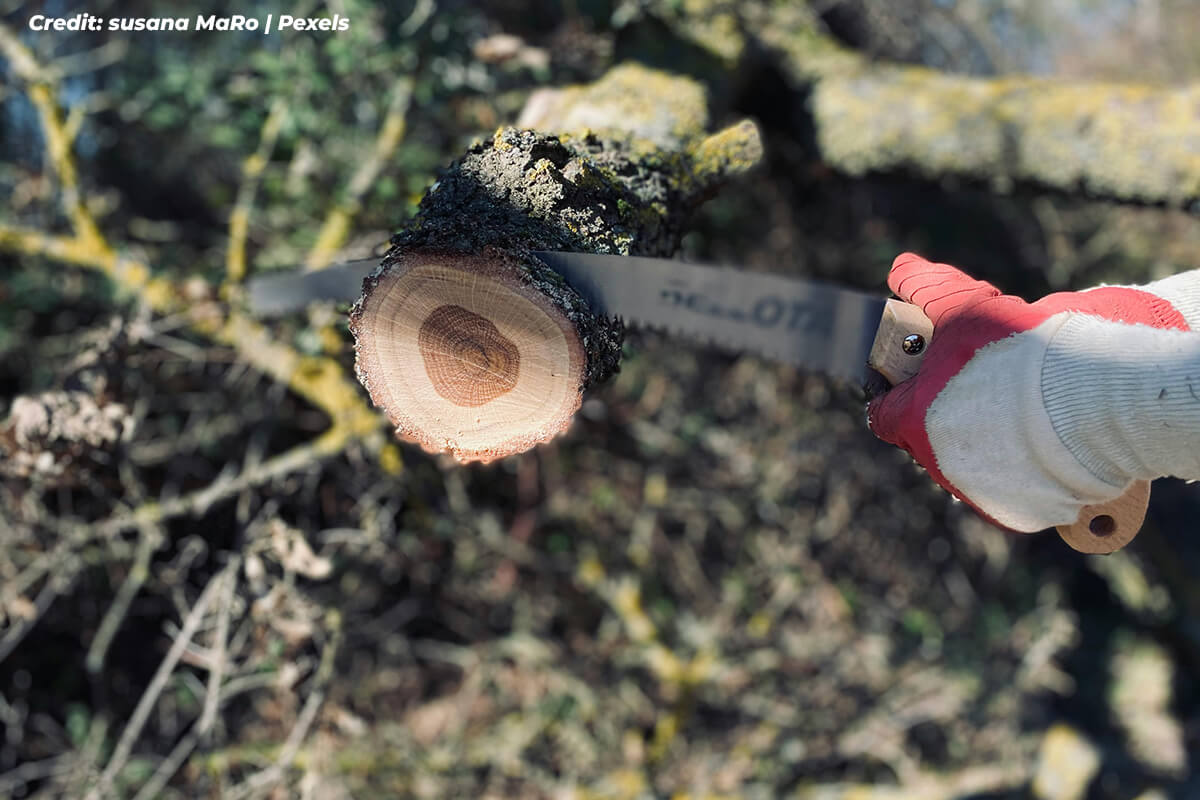
A tree’s stability comes from its roots. Protecting the root zone is critical, especially when the ground becomes waterlogged. Applying a layer of organic mulch, such as wood chips or shredded bark, offers numerous benefits; that said, familiarize yourself with to ensure the tree benefits from your treatment. This includes knowing how to mulch properly, as well as the different types of mulch that come with their own benefits when applied to your tree.
Mulch is normally necessary for helping the tree retain moisture during dry spells leading up to the rainy season, ensuring the tree isn’t drought-stressed and brittle. It also insulates the roots and improves soil structure. Apply a layer about 5 to 10 centimetres deep, extending out to the tree’s drip line if possible. Crucially, keep the mulch about 15 centimetres away from the base of the trunk itself to prevent moisture buildup, which can lead to rot.
4. Provide Support Where Needed
Staking young trees is often a good idea in general (particularly for top-heavy ones), but you’ll need to take some additional steps to ensure their safety. Young or newly planted trees are particularly vulnerable as their root systems are not yet fully established. Ensure they are properly staked to provide stability against rocking winds, which can damage developing roots. Check that any ties are secure but not girdling or cutting into the bark. For mature trees with structural weaknesses, such as V-shaped unions where two large stems grow closely together, a professional arborist may recommend installing cables or braces to provide additional support.
5. Know When to Call a Professional
While a homeowner can handle basic inspections and light pruning of smaller trees, it is vital to recognize when a task requires professional expertise. If a tree is large, located near your house or hydro lines, or shows significant signs of decay or disease, do not attempt to remedy it yourself. Certified arborists have the training, equipment, and insurance to work safely at heights and handle complex situations. They can offer an expert opinion on a tree’s health and perform the necessary work to make it storm-ready.
—
By taking these practical steps, you can greatly improve your trees’ chances of gracefully enduring the heavy rains and winds of storm season. A little foresight and preparation not only help safeguard your property but also help you give your trees the care they need to grow and thrive after they weather the storm.
The right tree can make all the difference when making your home more private and comfortable. Caledon Treeland carries a wide range of different shade and privacy trees in the name of providing greater comfort and security for your home. Give us a call at (905) 880-1828 for the help you need to find a shade tree that’s right for you.