

For many of us, the regular sounds of city life are just something we get used to. The constant hum of traffic, the roar of overhead aircraft, and the rhythmic clatter of construction work, these and many other sounds are just facts of life for many folks in the city. However, there is a reason it’s called “noise” pollution. Noise pollution does far more than just irritate the ears; it’s disruptive to your mental health, and prevents your home from being the sanctuary from the outside world you want it to be. Fortunately, nature provides an elegant, living solution to this problem. Trees don’t have to just be appealing; they are as adept at providing curb appeal as serving as sophisticated barriers that keep unwanted sounds out of your property.
Here are six ways your trees work to muffle noise pollution and foster a tranquil environment.

1. The Power of Sound Absorption
Unlike hard surfaces such as concrete, glass, or asphalt (which tend to reflect sound waves back into the environment) trees act like giant organic sponges for sound. One reason trees are such effective noise cancellers is that the various parts of a tree (leaves, twigs, and even the heavy timber of the trunk) possess a unique ability to absorb acoustic energy. When a sound wave strikes a flexible leaf, for example, the leaf vibrates, absorbing and essentially swallowing the sound.
Broad-leaved deciduous trees are particularly effective at muffling unwanted noise during the summer months when their canopy is at its fullest. The intricate, porous surface of the bark also plays a role, trapping high-frequency sounds that would otherwise bounce off harder surfaces. By integrating trees into a landscape, you are essentially installing a natural insulation system that softens the harsh edges of urban life.
2. Deflection and Scattering
In addition to absorbing sound, trees serve as physical obstacles that deflect and scatter noise. When sound waves travel in a straight line from a source, such as a busy motorway, they maintain their intensity over long distances. However, when those waves encounter a dense stand of trees, they are forced to break apart.
This process is known as scattering. As the sound hits the irregular shapes of branches and foliage, it is redirected in multiple directions. This diffusion prevents the sound from hitting your home as a concentrated wall of noise. Instead, the energy is dissipated and weakened. A thick hedge or a row of evergreens can provide ample privacy and noise reduction, ensuring the noise loses its volume and clarity as it’s redirected.
3. Creating a “Masking” Soundscape
Sometimes, the best way to handle unwanted noise is not just to eliminate it, but to replace it with something more pleasant. Trees contribute to what experts call “sound masking.” Even on a day with a gentle breeze, the movement of thousands of leaves creates a soft, rhythmic rustling, creating a natural white noise effect. This white noise those leaves produce is remarkably effective at blending with and covering up the jarring sounds of the city.
The sound of wind through pine needles or the gentle clatter of poplar leaves can also provide a consistent, soothing auditory background. This organic soundtrack also helps to draw the human ear away from the intermittent, stressful sounds of sirens or honking horns. By introducing trees, you are not just building a wall; you are conducting a natural orchestra that prioritises peace.
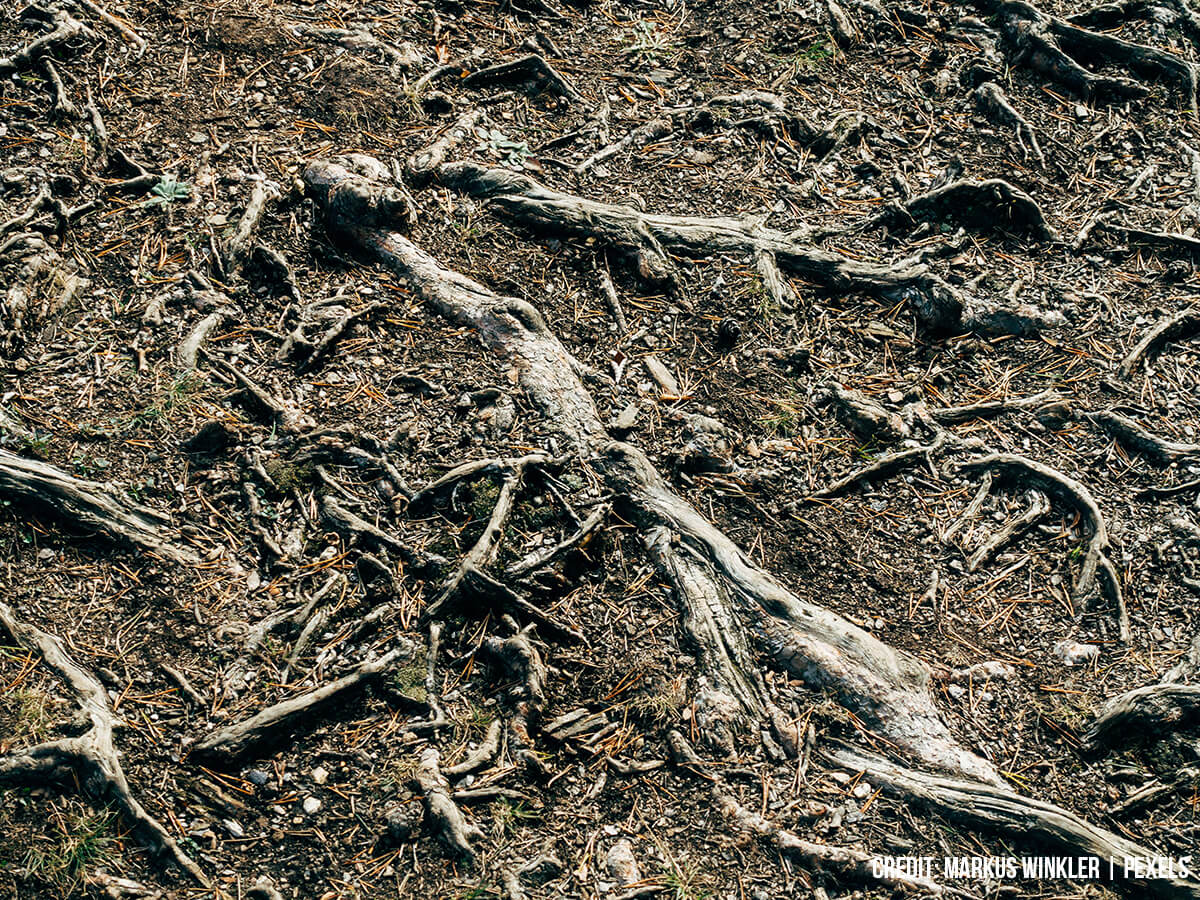
4. Soil and Leaf Litter as Acoustic Carpets
While much of the focus is on the canopy, the ground beneath the trees is equally important in the fight against noise pollution. Trees contribute to the development of soft, porous soil through their root systems and the annual shedding of leaves. This leaf litter and the mulch that often accompanies healthy trees create a soft floor that is highly efficient at absorbing ground-level noise.
When sound waves travel along the ground (such as the low-frequency rumble of heavy trucks) they can be absorbed by the soft, aerated earth found surrounding your trees. In contrast, a flat lawn or a paved driveway reflects these low-frequency sounds, allowing them to travel further and enter your home. The more organic matter and undergrowth you allow to flourish around your trees, the more effective this natural acoustic carpet becomes.
5. Height and Vertical Obstruction
Sound does not just travel along the ground; it moves upward and outward. This is why high-rise residents are prone to complaining about street noise. Trees provide a vertical dimension to noise reduction that low-lying fences or walls simply cannot match. A mature oak or maple can reach heights of 15 to 20 metres, providing a massive vertical shield.
By planting trees of varying heights, you create a multi-layered defence. Smaller shrubs can handle ground-level noise, while the mid-storey and upper canopy intercept sounds traveling at higher elevations. This verticality ensures that the “shadow” of silence cast by the trees covers a larger area, protecting not just your garden but also the upper storeys of your residence.
6. Psychological Perception of Quiet
There’s a psychological element to how we experience noise; our perception of sound is very often influenced by our visual environment. Not being able to see the noise can have drastic effects on experiencing that noise. Imagine being surrounded by greenery and no longer seeing the source of noise (perhaps congested road hidden behind a thick screen of spruce trees); our brains actually perceive the environment as being quieter.
Creating some barriers isn’t just a way to keep noise out; done right, the right additions to your home’s landscape can do plenty to help you cope with the noise. Seeing a wall of vibrant green leaves instead of a stream of grey vehicles allows the nervous system to relax. This “out of sight, out of mind” effect, combined with the actual physical reduction in decibels, creates a holistic sense of peace that mechanical barriers fail to provide.
Trees aren’t just a boon to your home’s curb appeal, they’re a long-term investment in a more tranquil living space too. With a little effort, you can use your trees to transform your home into a quiet sanctuary away from all the noise around you. Investing in a diverse, multi-layered canopy provides a natural acoustic shield that evolves with time, ensuring that the peaceful atmosphere of your home remains protected and preserved.
Ready to reclaim your peace and quiet? Caledon Treeland is here to help you build a living sound barrier today. We provide shade and privacy trees to help you keep the urban noise out of the house, where it belongs. Call us at (905) 880-1828 and visit our tree farm to find the right tree to suit your needs.