
Water is a must for your trees, but it’s vital you water them properly to ensure they get enough water. A tree under water stress rarely announces the problem right away; you’ll often have to figure it out by subtle signs occurring across the whole tree. Wilting leaves, browning margins, early leaf drop, and sparse growth are all signs that the tree’s been dry for some time. Naturally, rehydrating a tree isn’t as simple as giving it a quick pass with the hose. When it comes to watering a tree, how you do it matters just as much as how much water you give the tree. These eight questions cover how to get that vital water where the roots can actually use it.
1. Are You Checking the Soil Before You Water?
Soil conditions are an integral factor to aid your watering efforts. Probe a few centimetres into the soil near the tree before deciding to water in the first place; how it feels offers clues to how well the roots are doing. If the soil feels cool and damp at that depth, the tree likely has what it needs, and adding more can push out air in the soil that roots need as well. If it crumbles dry between your fingers, then the soil is dry and watering is overdue. A long screwdriver works as a simple gauge for this test; that screwdriver slides easily through moist soil, but meets resistance in dry ground.
2. Are You Watering Deeply Rather Than Often?
A good rule of thumb for watering is to water deeply and sparingly rather than daily. Proper deep watering technique goes a long way toward giving your trees sufficient water with each session. Brief daily sprinklings wet only the top layer, and encourage shallow roots that dry out again within hours. A long, slow soak lets moisture seep below the surface, where the roots doing most of the absorbing are found. Water long enough for that downward movement to happen, then let the soil begin to dry before the next round.
3. Do You Know Where the Roots Take Up Water?
Knowing where to put the water goes a long way to ensuring the tree gets enough water. Many homeowners aim the hose at the trunk, but the fine absorbing roots sit much farther out beyond the visible tree, spreading beneath and beyond the outer edge of the canopy. Water poured against the bark mostly runs off or lingers where it can encourage decay. Concentrate on the ground just beyond the dripline, which is the edge of the tree’s canopy. Newly planted trees are the exception, since the original root ball still needs time to take root and spread out.
4. Are You Applying Water Slowly Enough for It to Soak In?
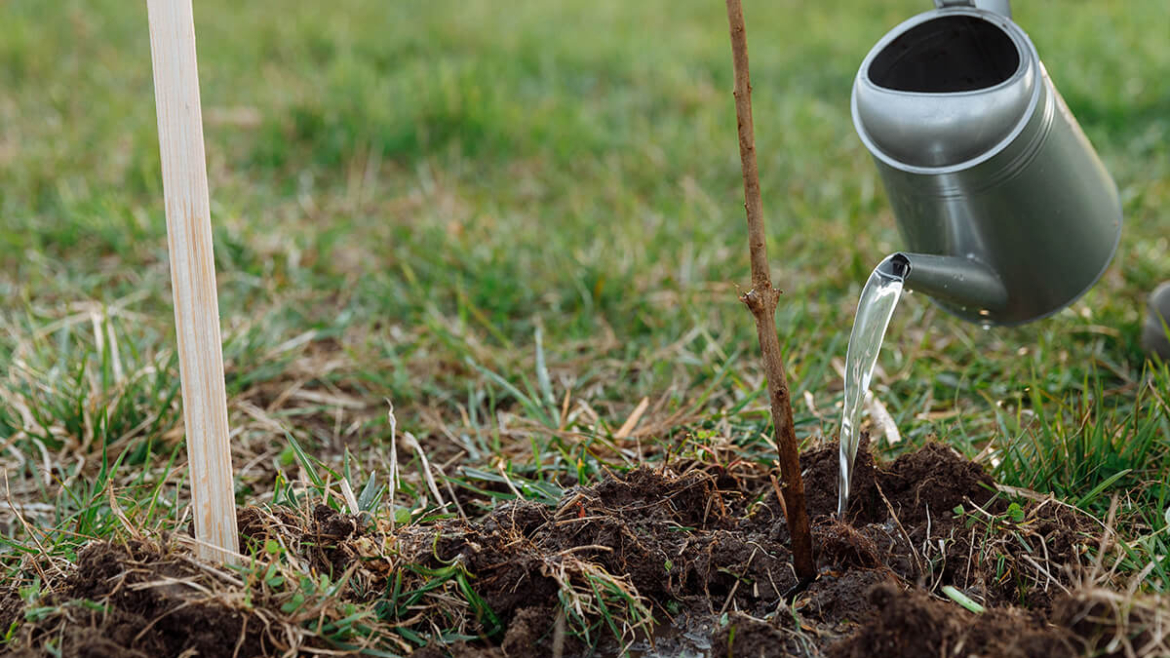
When watering a tree, you’ll need to take care to let the soil absorb the water so it can seep to the deep roots’ level. Dry or compacted soil sheds water instead of absorbing it, so a strong blast from a hose may end up running across the surface. A soaker hose, a low trickle, or a bucket with small holes drilled in the bottom releases water at a rate the soil can accept. Reposition the water source around the root zone so coverage stays even rather than pooling in one spot.
5. Have You Mulched to Hold the Moisture In?
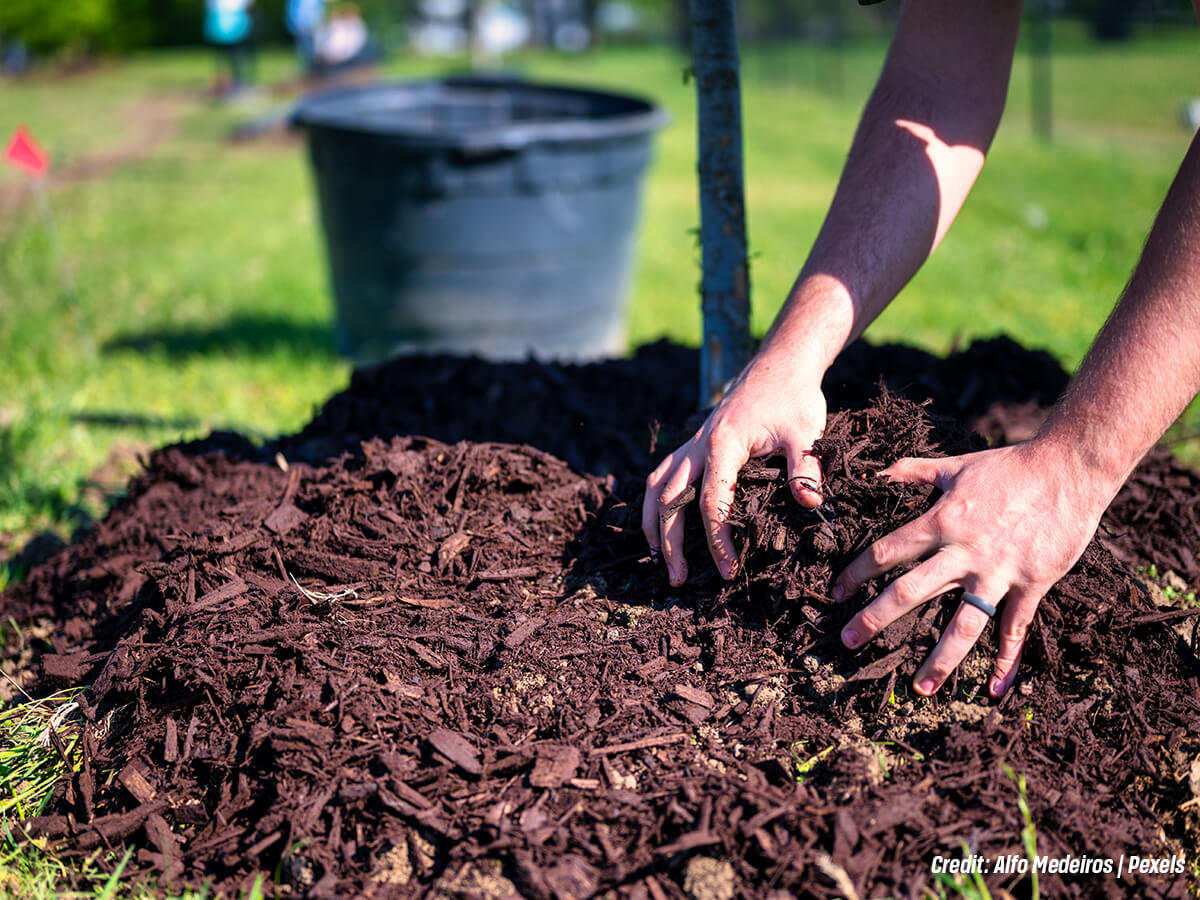
Mulching is one of the most beneficial measures you can take for a tree. Knowing how to mulch properly ensures the mulch does its job, including helping your tree retain its moisture. Watering accomplishes little if sun and wind draw the moisture back out within a day. However, adding a layer of wood chips or shredded bark over the root zone slows evaporation, steadies soil temperature, and cuts down competition from turf grass. The trick to proper mulching for your trees is to keep the mulch pulled back from the trunk; this keeps the bark dry and eliminates cover for any pests. Top the mulch over time; as time passes, the mulch breaks down into the soil and needs replacement to ensure the tree can reap the benefits.
6. Are You Watering at the Right Time of Day?
Watering is ideally done when the sun isn’t shining down to minimize water loss from evaporation. Watering early in the morning gives the water a chance to move into the soil before the heat builds. Meanwhile, watering at midday sends more of it into the air through evaporation, especially on windy days. Evening watering can work, though it runs the risk of leaving the foliage and mulch damp through the night.
7. Are You Watering Through the Fall Until Freeze-Up?
Watering through fall is one task that needs doing to prepare your trees for winter; careful fall watering provides ample benefits to help prepare your trees for winter. Trees continue losing moisture through their bark and needles even after the growing season ends, and once the ground freezes in winter, there’s no way to replace it for the season. Deep watering in late autumn, right up until the soil freezes, sends trees into winter with a water reserve until spring comes back. Evergreens benefit the most, since they hold their foliage all season.
8. Should You Bring in an Arborist?
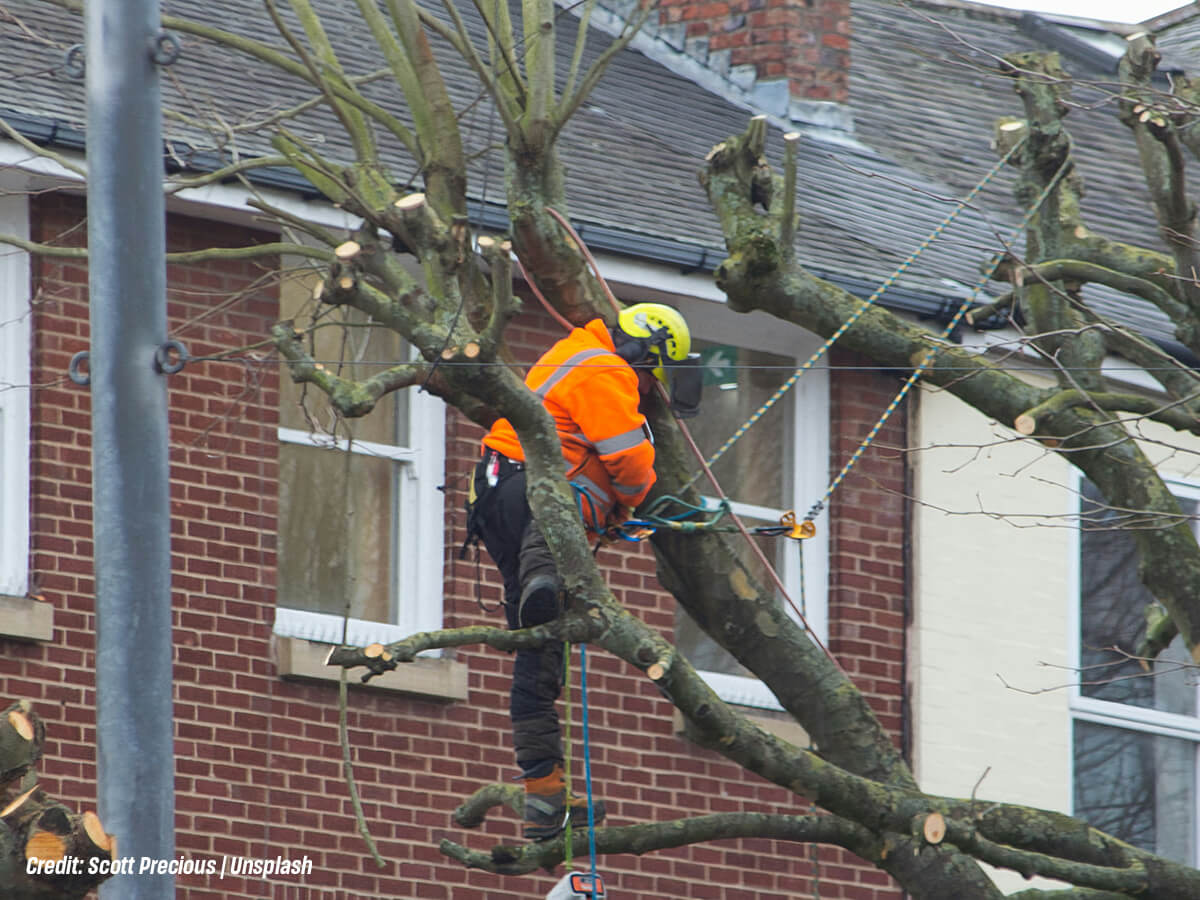
Arborists are a boon for your trees, and not just because they offer tree care and maintenance to keep the trees healthy. Some trees stay in decline even after watering is corrected, which can point to root damage, compaction, drainage problems, or disease. An arborist can read these signs together with an examination of the root collar and soil conditions to identify what’s blocking water uptake. The time to call an arborist is when significant changes are happening to the tree, such as the canopy thinning regularly, branches dying back, or the trunk showing cracks or lifting bark.
Rehydrating trees takes far more than simply watering the ground around them. The process only works fully when water reaches the right depth, in the right place, at a pace the soil can absorb. Check the soil first, water slowly and thoroughly, mulch to hold the gains, and keep it up until the ground freezes to give your chance a chance to rehydrate, especially when you’re preparing for the onset of winter.
When you need shade and privacy trees to add a personal touch to your home, Caledon Treeland has you covered. We supply a wide range of trees, to suit an equally wide range of soil and weather conditions and provide our clients with comfort and privacy to turn your house into a veritable sanctuary whenever you’re at home. Give us a call now at 905) 880-1828 and visit our tree farm to find the right tree for your home.
Frequently Asked Questions
1. How Much Water Does A Mature Tree Need At One Time?
There is no single number for the amount of water (the amount does depend on species, soil type, and weather). A useful approach is to water long enough that moisture reaches roughly 30 centimetres down, then check with a probe to confirm.
2. Can You Overwater A Tree?
Yes, you can overwater a tree. Saturated soil pushes out the air that roots need, which can lead to root rot and yellowing leaves. Symptoms can look much like drought stress, so check soil moisture before adding more water.
3. Do Established Trees Still Need Watering?
They do during extended dry spells and heat waves; these conditions leave less water for the tree to absorb. Established trees have deeper roots and greater tolerance, but weeks without rain will still leave them stressed and vulnerable to pests and disease.
4. How Long Does It Take A Dry Tree To Recover?
Soil moisture rebounds within days, but visible recovery in the canopy often takes a full season. Leaves already browned will not green up again, so watch new growth for signs of improvement.
5. Does Rain Count Toward Watering?
Light rain often wets only the surface and evaporates quickly. Steady, prolonged rainfall soaks in more effectively. Checking the soil after a storm is more reliable than assuming the tree got enough.