Your trees are perhaps the most patient element of your home’s landscape. They can stand in your yard for years, weathering storms, drought, and road salt, and all seemingly without a word of complaint. And because they stand there seemingly impervious to the elements, it’s easy for many homeowners to take for granted that their trees will continue as they are now. A tree rarely fails overnight; it declines slowly. However, it also drops many small hints along the way that there is a problem. And while it’s easy to miss those signs until something happens that can’t be ignored, it’s a simple task working in some regular inspection and learning some dos and don’ts of year-round tree maintenance to ensure they’re being cared for. Routine maintenance is making a habit of caring for your trees and making it easier to catch those tell-tale hints early.
Here’s a short list of questions to help guide you to making that maintenance a routine affair.
1. What Does Routine Tree Maintenance Actually Involve?
Regular tree maintenance always starts with a visual inspection of your trees, specifically targeting the trunk, canopy, and root zone. Once you’ve identified some areas that need work, you can implement specific measures your tree needs to stay healthy (such as selective pruning of dead or crossing branches, mulching, and monitoring for pests and disease). Larger or older specimens may also need cabling or crown reduction to maintain stability. None of this is dramatic work, and that is the point; small, regular interventions go a long way to maintaining a tree’s health and minimizing the risk of more dramatic incidents in the future.
2. Why Can’t a Tree Simply Look After Itself?
In a forest, it largely can; it’s a different story for trees in a yard. Trees growing in the wild share soil, moisture, and wind protection with their neighbours. A yard tree lives a very different life. It usually sits alone in compacted soil, competes with turf grass, absorbs runoff from paved surfaces, and stands directly above driveways and vehicles. That isolation can be stressful for a tree, and countering that stress takes effort on your part.
3. How Does Pruning Keep a Tree Structurally Sound?
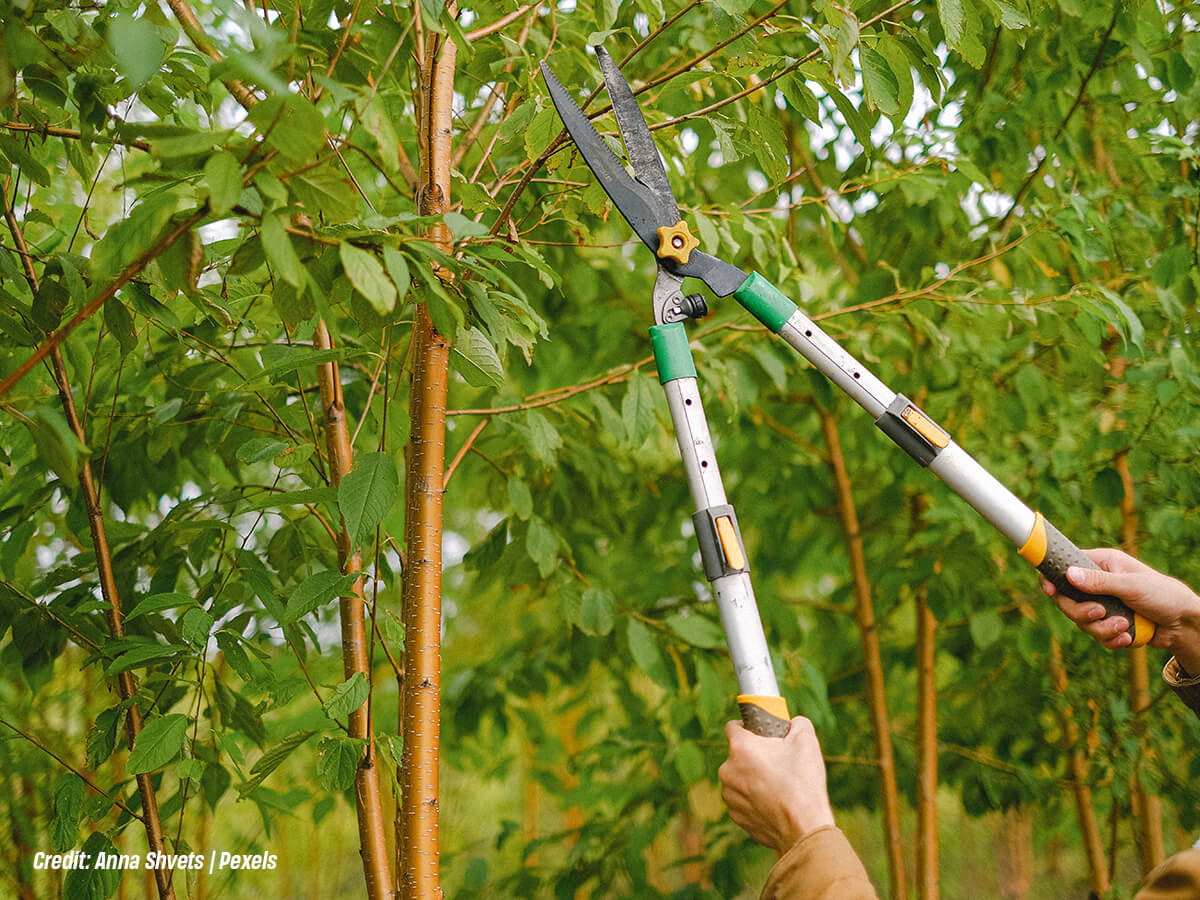
Pruning is more than a matter of making your tree more picturesque (and takes more than simply knowing the basic dos and don’ts of pruning as well). Pruning also helps remove dead wood, water sprouts, and branches that rub against one another. Pruning those superfluous branches also redirects energy into the limbs that can help sustain the tree as it grows older. Removing those branches also corrects poor branch angles and co-dominant stems while they are still small enough to cut cleanly. A tight, V-shaped union pruned out at 5 cm in diameter is a routine task; the same union at 30 cm is a serious structural problem.
4. Can Maintenance Catch Disease Before It Spreads?
Part of ongoing maintenance is catching and addressing disease and infection before it can spread. Fungal cankers, oozing bark, early leaf discolouration, and mushroom growth at the base are all visible long before a tree becomes hazardous. Insects such as the emerald ash borer announce themselves through thinning upper canopy and D-shaped exit holes. Taking the time to inspect your trees regularly goes a long way toward catching these changes early.
5. Does the Soil Deserve as Much Attention as the Canopy?
Your tree’s roots are just as important as the canopy, and are equally deserving of your attention to keep the tree healthy. Roots need air, but mowers, vehicles, and construction traffic can squeeze that all-important air out of the soil. A layer of mulch 5 to 8 cm deep, spread to the drip line and pulled back about 15 cm from the trunk, serves to moderate soil temperature, conserve moisture, and keep string trimmers away from the bark. During dry stretches, deep watering your trees and ensuring the water soaks deep into the soil goes a long way to providing ample water and encouraging the tree to spread roots deeper.
6. How Does Regular Care Protect Everything Around the Tree?
Part of the maintenance process involves checking the branches to ensure they don’t fall. Routine maintenance, therefore, keeps the canopy clear of roofs, fences, sheds, and hydro lines, and removes the deadwood most likely to come down in high wind. It also gives you a chance to think about clearance before it becomes urgent; ideally, most utilities do best with a minimum of 3 metres between branches and service lines.
7. What Happens to a Tree That Is Left Alone for Years?
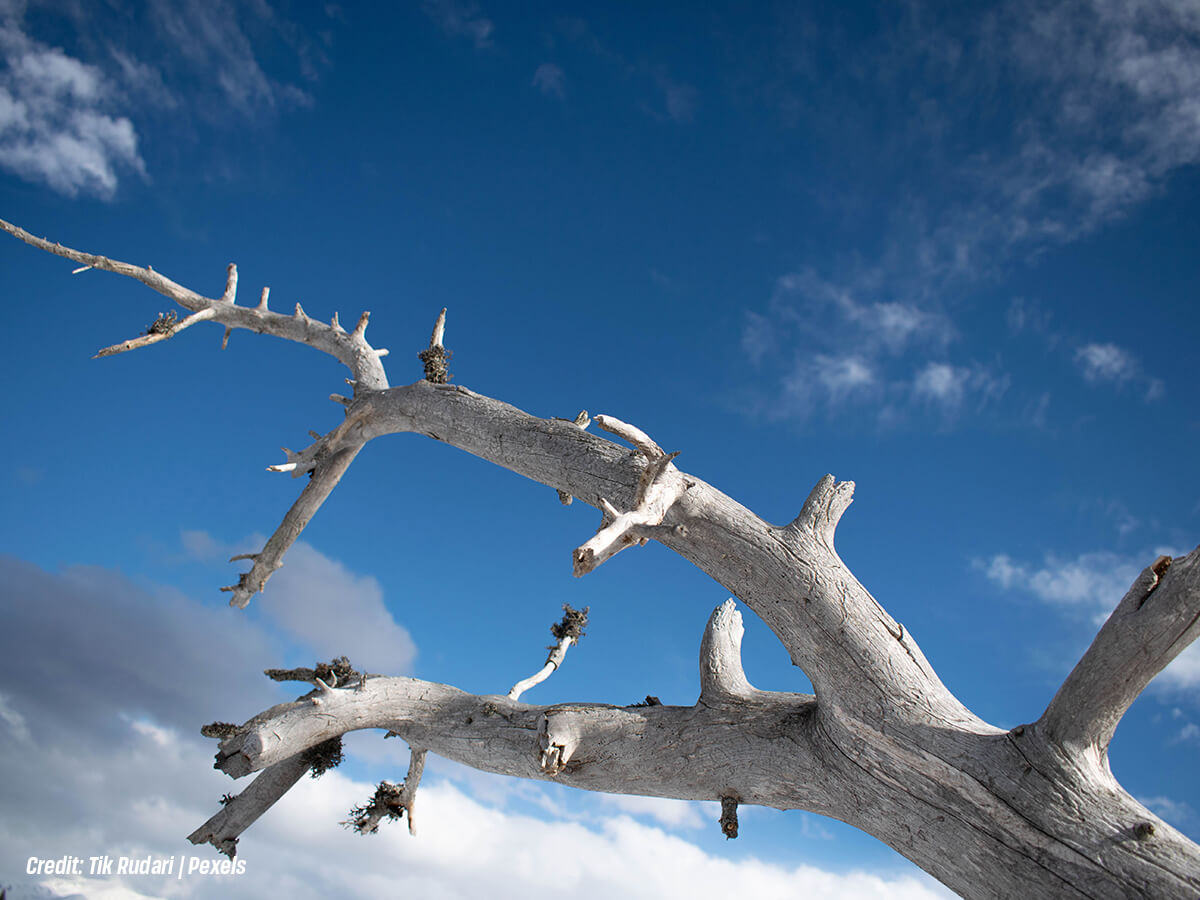
Trees deserve regular care to ensure problems don’t compound over time. Over time, deadwood accumulates, decay pockets widen, the canopy grows top-heavy, and the root zone slowly compacts, all of which can impact the tree and its surroundings. Eventually the only remaining options are aggressive reduction, which the tree may not survive, or removal. Neglect rarely destroys a tree quickly; it just narrows your choices until none of the good ones are left.
8. When Is the Right Time of Year for This Work?
For most species, late winter is ideal for tree maintenance, as there are quite a few tasks you can do for the tree to help maintain its health. At this time, the tree is dormant and the structure is fully visible for any procedures you may want to carry out, specifically pruning. Wounds close quickly once growth resumes, and many pathogens are inactive. Some trees, including maple and birch, bleed heavily if cut in early spring and are better pruned in summer.
9. Why Should a Certified Arborist Handle It?
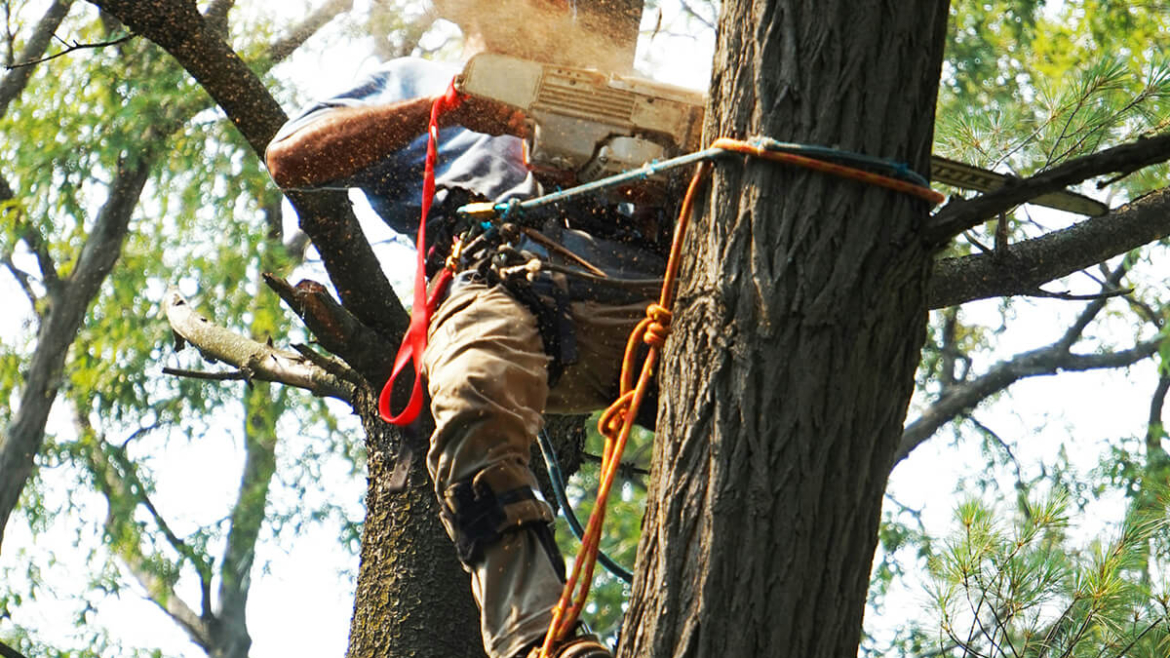
Tree care can be dangerous if not done correctly. When a task is too much for your basic tools, calling an arborist for help is the safer, healthier, and more cost-effective choice for your trees. A certified arborist can distinguish harmless surface fungus from active decay, knows how much live crown a species can lose in a single season, and understands local bylaws and protected-tree rules.
Your trees don’t often tell you if something is wrong; they simply decline, quietly, until the damage is already done. Routine maintenance helps meet your trees halfway. With that maintenance, you can give your trees a checkup and look for those quiet, subtle signs of decay or damage, and deal with them. It all starts with a simple schedule and some dedication to caring for your tree. Prune, mulch, inspect, and repeat, and the healthy trees shading your property today will still be standing safely years from now.
When you need quality trees to make your home more shaded, quiet, and private, Caledon Treeland is here to help. We carry a wide range of shade and privacy trees to improve your comfort and quality of life at home, to say nothing of what they’ll do for your curb appeal. Give us a call now at (905) 880-1828 to visit our tree farm and find the right tree for your needs.
Frequently Asked Questions
1. How Often Should a Mature Tree Need Inspections?
At least twice a year, and again after any major storm or ice event to ensure the tree isn’t compromised.
2. When Is the Best Time for Pruning?
For most species, late winter is the ideal time, as most tree species go dormant in winter. For maple and birch, summer is a more prudent time as these trees tend to bleed heavily in spring.
3. Can I Prune My Trees Myself?
Yes, for smaller branches closer to the ground. As a rule, any branch that needs a ladder to reach or a chainsaw to remove is a job best left to a certified arborist.
4. How Deep Should Mulch Be?
Mulch is ideally piled five to eight centimetres high. It’s also best to pull the layer of mulch back to about 15 cm from the trunk.
5. What Are the Early Warning Signs of Trouble for a Tree?
A thinning canopy, deadwood on the limbs, oozing bark, early leaf discolouration, or mushrooms at the base are some of the more common and obvious signs of an issue with a tree.