

For quite a few people, fall is the natural time for preparing for winter. It’s an ideal time to do some maintenance around the house to ensure your pipes are dry and your HVAC system still works, for example. However, people aren’t the only ones using fall to prep for winter.
Rodents like mice, voles, and rabbits also use fall to look for winter food and shelter, and your trees at home offer both and these animals won’t hesitate to help themselves. These animals are equipped to chew through bark at the base of the trunk, and that damage can take its toll on a tree unless a homeowner takes steps to keep those pests at bay. Much of the damage also happens under snow, so you may not notice it until spring, making early vigilance all the more important to avoid any damage you can’t address until next year. A few steps taken now can prevent this damage to your trees and preserve them during the cold months.
Here’s a short list of questions to help you keep the rodents away from your trees in preparation for winter.
1. Have You Cleared the Ground Around the Trunk?
Mowing and trimming the grass isn’t a prudent way to build a healthier lawn around the house. One common piece of pest control advice is to keep the area around the house trimmed, clean, and free of overgrown plants. Tall grass, weeds, and leaf litter give rodents cover to feed without being spotted by predators; reducing this overgrowth goes a long way to making your outdoor spaces less conducive to rodents. Mow the area around your trees before the ground freezes and rake fallen leaves away from the base to minimize the available cover. Pull your mulch back so it sits a few inches off the bark instead of piled against it. Not only is this the optimal way to mulch your trees, that bare collar of soil around the trunk makes the spot far less appealing to rodents looking for shelter.
2. Is There a Guard Around the Base of the Trunk?
Rodents aren’t above chewing into a tree to make some room for themselves. Physical barriers are one of the most effective deterrents to keep the rodents away from any young or thin-barked trees particularly at risk from such infestations. Tree guards are particularly effective for protecting trees from animal damage in general, and are a prudent option for keeping rodents away with the right care. Take care to set the barrier a few centimetres into the soil to keep any burrowing rodents from tunneling underneath. Also take care that the barrier stands taller than your regular snow depth to prevent rodents coming in over the snow. Finally, leave a gap between the guard and the bark so air can move and the trunk has room to grow.
3. Have You Picked Up Fallen Fruit and Nuts?
Picking up any fallen fruits and nuts isn’t just a matter of eating those goodies yourself. Any windfallen apples, crabapples, acorns, and nuts sitting on the lawn are a draw for rodents to your trees; food is a primary motivator for many pests, and those fallen fruits are a prime food source. Rake these windfallen fruits up through the season and keep collecting until the tree has dropped everything. The same applies to birdseed spilled under feeders placed near trees; rodents can eat that seed as easily as the birds, so take care not to leave any for unwanted animals to help themselves.
4. Are Branches Close to the House Giving Rodents a Way Up?
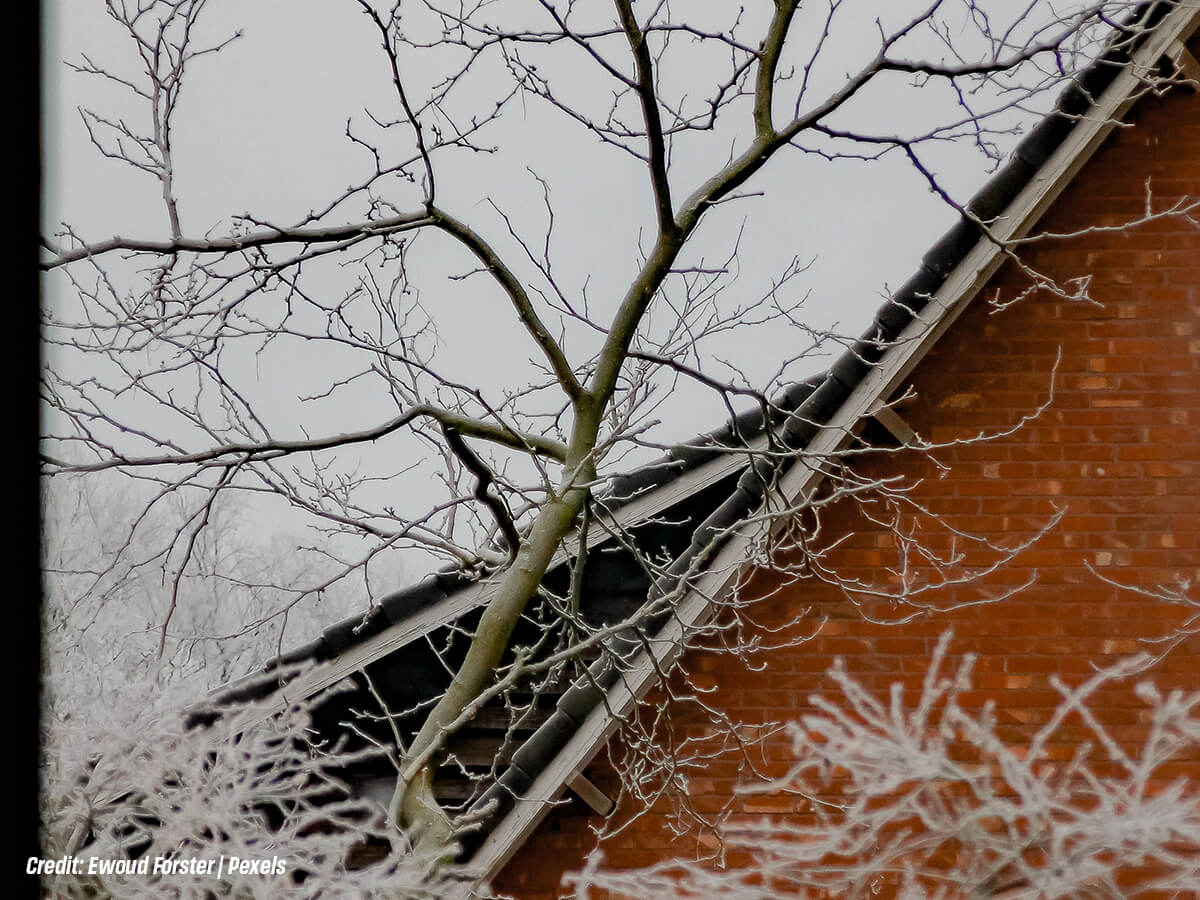
One common piece of tree care advice is to prune a tree’s branches when it’s too close to the house; not only is this sound advice for dealing with weak limbs before they fall, but it also helps keep pests out of the house. Branches that grow too close to the house gives rodents an easy access point to the house. Prune these limbs during the dormant season to eliminate that easy way inside, and cut back shrubs and vines leaning on the tree that could provide access points themselves. Any branches that reach over fences, sheds, or rooflines also merit your attention as these branches give rodents a similar route into other parts of your property.
5. Have You Removed Nesting Sites Near Your Trees?
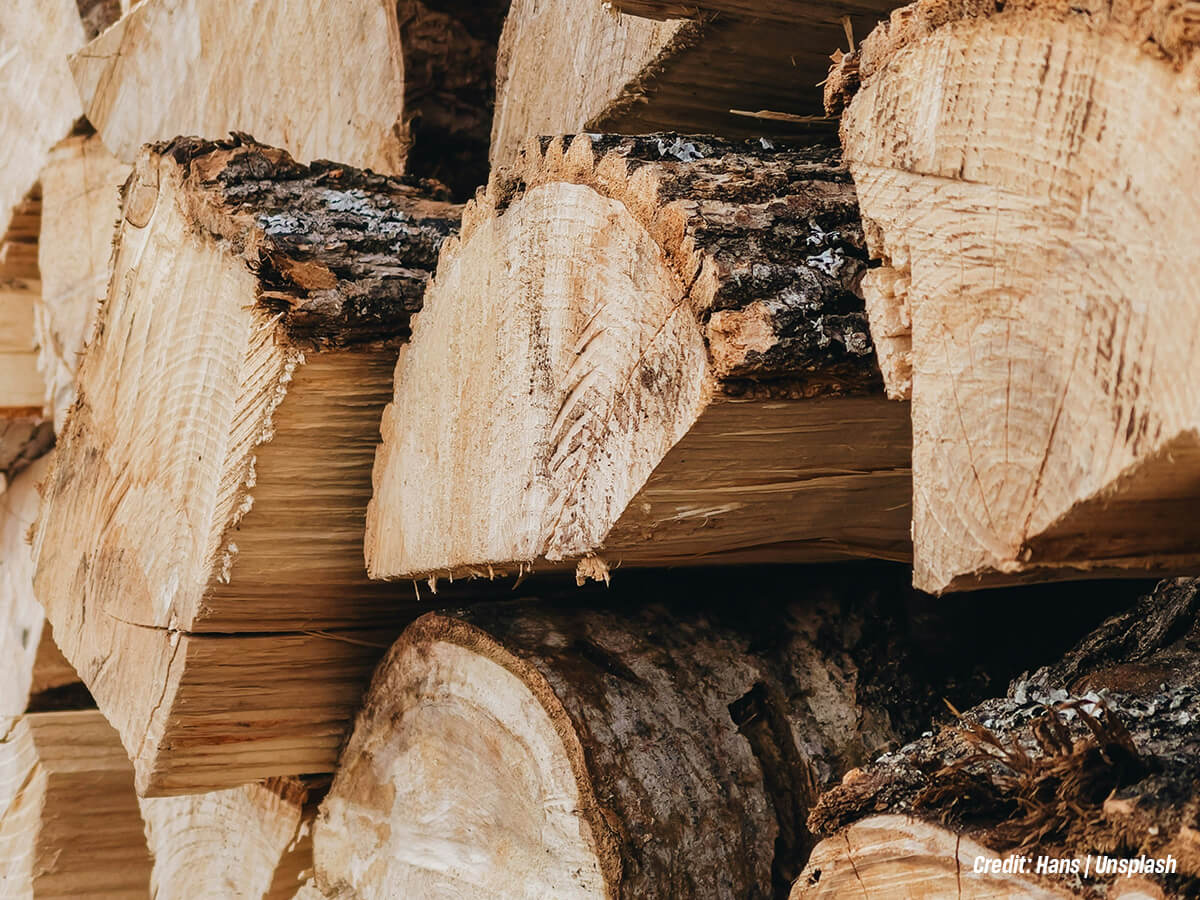
Your home may have other ideal nesting sites rodents may help themselves to other than your trees. Brush piles, stacked firewood, dense groundcover, and unused pots are other points of interest that can give rodents a place to live within easy reach of your trees. Move the woodpiles away from trunks and raise them off the ground to make it harder for rodents to reach, and clear brush and debris from fence lines and garden beds before the cold arrives. Rodents rarely travel far from shelter to feed, so reducing the shelter near your trees makes it harder for them to move in and establish themselves.
6. Are You Planning to Check the Trees Through the Winter?
Making preparations is a start, but it also pays to check them regularly to ensure they’re still working after implementation. You can add dealing with your anti-rodent measures to your regular winter tree care to-do list to give your trees additional care and protection. Regular inspections of your measures go a long way to ensuring your trees remain secure; after all, protection put in place in October can fail by January. After heavy snow, walk out and confirm that guards still rise above the snow line and haven’t been pushed down or tipped over by that heavy snowfall. Signs like chewed bark, small gnaw marks, and tracks around the base of your trees can indicate rodents getting too close, requiring more measures to keep them away. The main benefit of catching any such problems in midwinter is that you give yourself time to fix the barrier before the chewing gets too extensive and too damaging to the affected tree.
Rodent damage very often happens slowly and out of sight, making it challenging to address after the fact. It’s easier and more convenient to prevent such damage in the first, both for yourself and for the tree. Keep these questions in mind to give your trees ample protection and preparation; preparing for the snow and weather is one part of your winter preparations, but there’s always more to that prep work than simply preparing for the cold. Trees handled this way in the fall stand a much better chance of coming through the winter without taking severe damage, and emerging in spring prepared for the new growing season.
Trees bring plenty to the table for making your home that much more comfortable and homely. Caledon Treeland specifically provides shade and privacy trees to boost your quality of life at home and make your time at home all the more comfortable for you. Give us a call now at (905) 880-1828 and get a helping hand finding the right shade and privacy trees for your home and soil.
Frequently Asked Questions
1. When Should I Install Tree Guards in the Fall?
Your ideal time for setting up the tree guards is before the ground freezes and ahead of the first snowfall. For much of Ontario, that usually means late October to early November. Installing the barrier early means it’s already in place when rodents start their search for winter food.
2. Do Older Trees Need Rodent Protection Too?
Mature trees with thick, rough bark are generally less vulnerable than young ones. Trees under five years old, thin-barked species, and recently planted stock are the ones that typically need the most attention, as well as older trees with damaged or split bark.
3. Will Repellent Sprays Work Instead of Guards?
Repellents can help deter rodents for a while, but they usually wash off in rain and melting snow and need reapplying through the season. A physical barrier holds up better over a full winter as it stays in place once set up. Treat sprays as a supplement to a barrier rather than a replacement.
4. How Do I Know If Rodents Have Damaged My Tree?
Missing bark near the base, small parallel gnaw marks, and exposed pale wood are some of the usual signs rodents have been at your tree. Damage often appears at or just below the snow line once spring arrives.
5. Can a Girdled Tree Be Saved?
It depends on how much bark is gone. Partial damage often heals, while a complete ring around the trunk is usually fatal. Have an arborist assess the tree and the damage before removing anything.